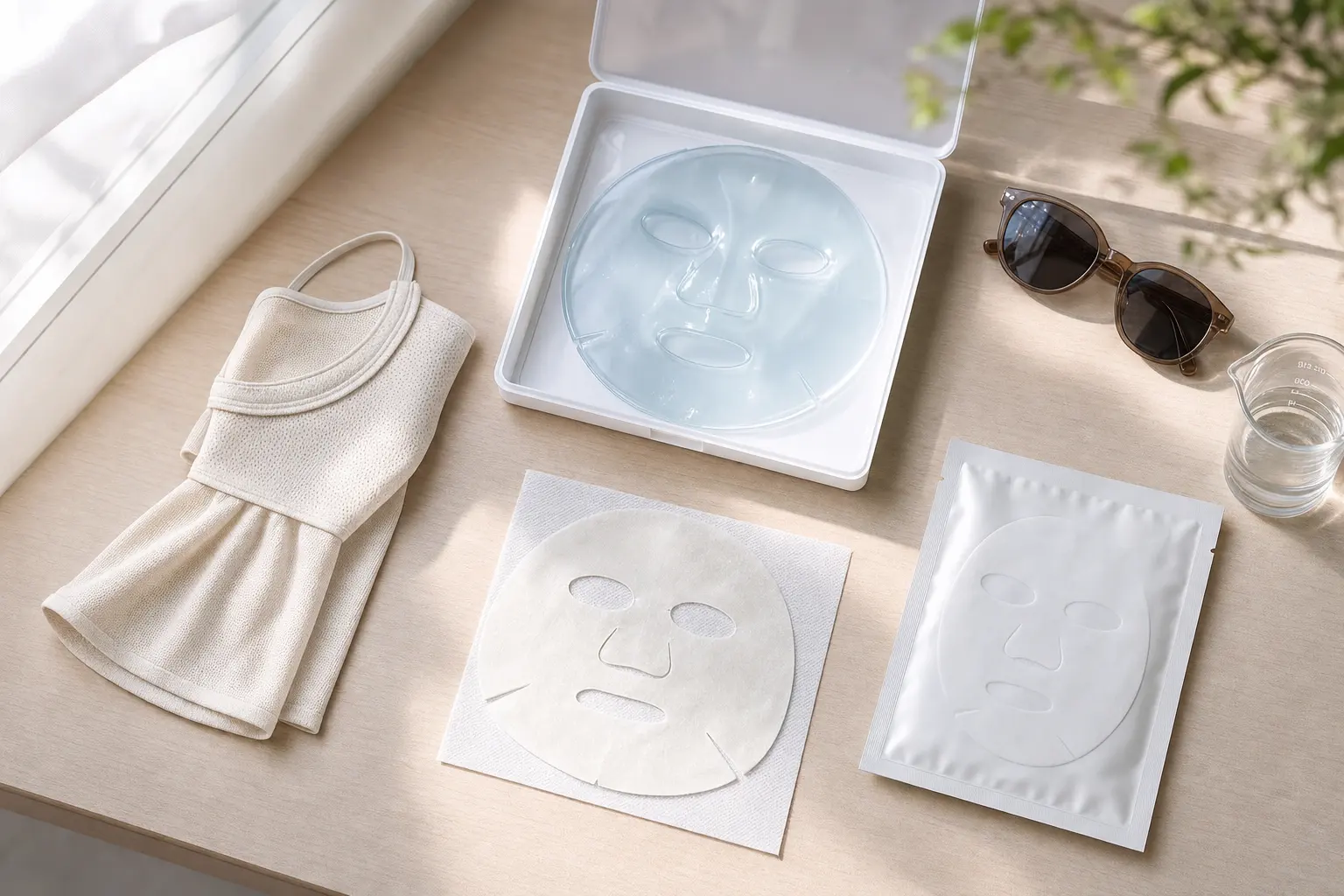
If the word mask makes you think only of a quick sheet you slap on, you’re missing half the list: sun shields, gel ‘second skins,’ treatment sheets and open‑style sport masks all solve different problems. The word mask should orient toward a purpose — protection, repair, or preservation — before you buy.
This article walks through what each format actually does, how much active serum you can expect, safety flags to watch on ingredient lists, and the sorts of masks worth spending more on versus those that are perfectly fine at low cost.
Why masks still matter: formats, function and what changed recently
Masks have moved past novelty. They’re now a tactical part of many Korean and global beauty routines because formats are specialized: sun‑blocking fabrics, non‑woven single‑use sheets, premium hydrogel and bacterial biocellulose ‘second‑skin’ treatments. Each format alters how an active ingredient reaches the skin — occlusion, fit, and serum load matter as much as the ingredient list.
Demand and supply dynamics shifted in mid‑2026: premium hydrogel sheets sold out in several export markets as retailers struggled to keep stock, underlining the format’s growing popularity and manufacturability constraints [1]. At the same time, innovation in carrier materials pushed more brands to label the exact material and recommended use so buyers can match product to need.
Three practical effects of format on results
- Serum load changes exposure. Single‑use carriers differ in how much serum they can hold and deliver; modern sheets are designed to hold several grams per application, which affects dosing and preservative needs [2].
- Fit and occlusion change performance. A hydrogel or bio‑cellulose sheet that forms a tight ‘second skin’ provides higher occlusion and therefore stronger short‑term hydration and delivery of actives compared with loose non‑woven sheets.
- Use case specialization. Open‑style sun masks trade occlusion for breathability and drinking convenience; athletic formats add sweat‑wicking zones. Choose function before finish.
Read labels for the carrier type and the net essence volume when available. When brands list carrier materials (microfiber, cupra, hydrogel, bio‑cellulose) you get a clearer picture of what to expect from fit and delivery — information that used to be left off many mass‑market packages but is increasingly common now [4].
Keep an eye on frequency: heavier occlusive formats provide excellent short‑term benefits but are not always meant for daily use. The rest of this article explains how to match format, ingredients and frequency to your goals.
Mask materials compared: which carrier fits your goal
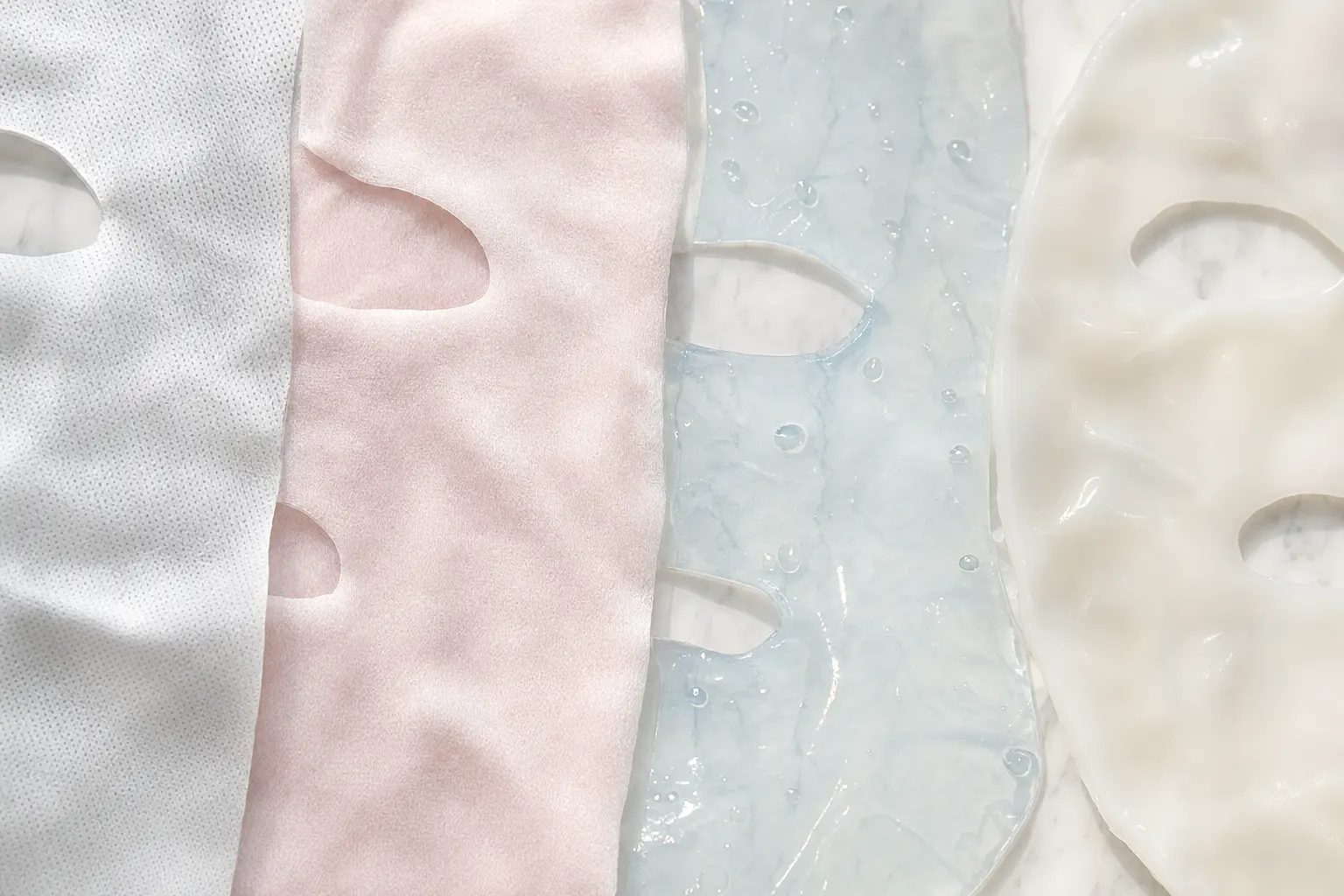
Choosing the right carrier material is as important as the ingredients. The carrier defines fit, occlusion, serum capacity and how quickly actives absorb. Below is a concise comparison to help you decide.
| Carrier | Typical fit/feel | Best for | Typical serum load |
|---|---|---|---|
| Non‑woven (polyester blends) | Thin, less conforming; low occlusion | Daily, budget masks; quick brightening or light hydration | ~3–6 g design varies |
| Microfiber / Cupra | Softer, better contour; moderate occlusion | Good balance of fit and value; targeted actives like niacinamide | ~4–8 g |
| Hydrogel | Gel sheet; high occlusion and cooling | Intensive hydration, plumping, short‑term delivery of actives | ~4–6 g per application (format dependent) |
| Bacterial bio‑cellulose | True “second‑skin” conforming; very high occlusion | Post‑procedure soothing, premium hydrating treatments | ~4–5.5 g measured mean mass in studies |
The numbers above align with measured per‑application serum masses reported in controlled measurements: the mean mass absorbed per application varies by carrier and was reported in peer‑reviewed work at roughly 4.45–5.35 g depending on the carrier, with bio‑cellulose and plant‑cellulose near the lower and upper ends respectively [2]. Practical takeaway: if a brand promises heavy dosing of a potent active, prefer a hydrogel or bio‑cellulose carrier because they retain more liquid and provide better occlusion, increasing short‑term delivery.
When to choose each carrier
- Budget daily brightening: non‑woven or microfiber sheets.
- Intensive hydration or immediate plump: hydrogel.
- Post‑procedure calming or premium results: bio‑cellulose (clinically shown to be well tolerated and soothing) [3].
Labels that list the carrier type and the net essence weight give you the clearest expectation of performance — and help you avoid overusing highly occlusive masks.
How to pick a mask for hydration versus anti‑aging
Start with the outcome: hydration or long‑term structural improvement (anti‑aging). Hydration is immediate and driven by occlusion and humectant ingredients. Anti‑aging requires consistent use of actives — peptides, PDRN variants, retinoid derivatives or niacinamide — either in concentrated weekly treatments or daily leave‑on serums topped with a mask for delivery.
For hydration, prioritize carrier first: hydrogel and bio‑cellulose deliver the most serum and the strongest occlusion, so they produce reliable, visible hydration and temporary plumping. If you want deeper regenerative work, look at actives: peptide‑rich formulas and PDRN‑style serums are surging in 2026 for regenerative claims; combine those with weekly occlusive masking for best short‑term delivery [6].
Routine examples
- Hydration boost: cleanse, light toner, a humectant serum (hyaluronic acid), then a hydrogel mask for 10–20 minutes and a light moisturizer to seal.
- Anti‑aging booster (weekly): after serum and spot‑treatments (peptide or PDRN), apply a bio‑cellulose sheet for 15–20 minutes, then seal with a richer cream at night.
- Everyday maintenance: lightweight serums or essences used daily are more sustainable than daily occlusive masks; reserve hydrogel/bio‑cellulose for 1–3x weekly intensive sessions.
Match actives to carrier: peptides and many growth‑factor or regenerative extracts benefit from occlusion because increased contact time improves short‑term uptake. If you’re interested in peptides, check our primer on Korean Peptide Serum for how to pair serums and masks for results: Korean Peptide Serum — How to Choose the Right One.
Finally, evaluate the product’s ingredient list: high doses of humectants (multiple molecular weights of HA), ceramides for barrier repair, and niacinamide for tone are all appropriate depending on your goal. If the mask lists neither carrier nor essence weight, treat it like a general brightening mask rather than a targeted treatment.
Outdoor masks and sun protection: what features matter
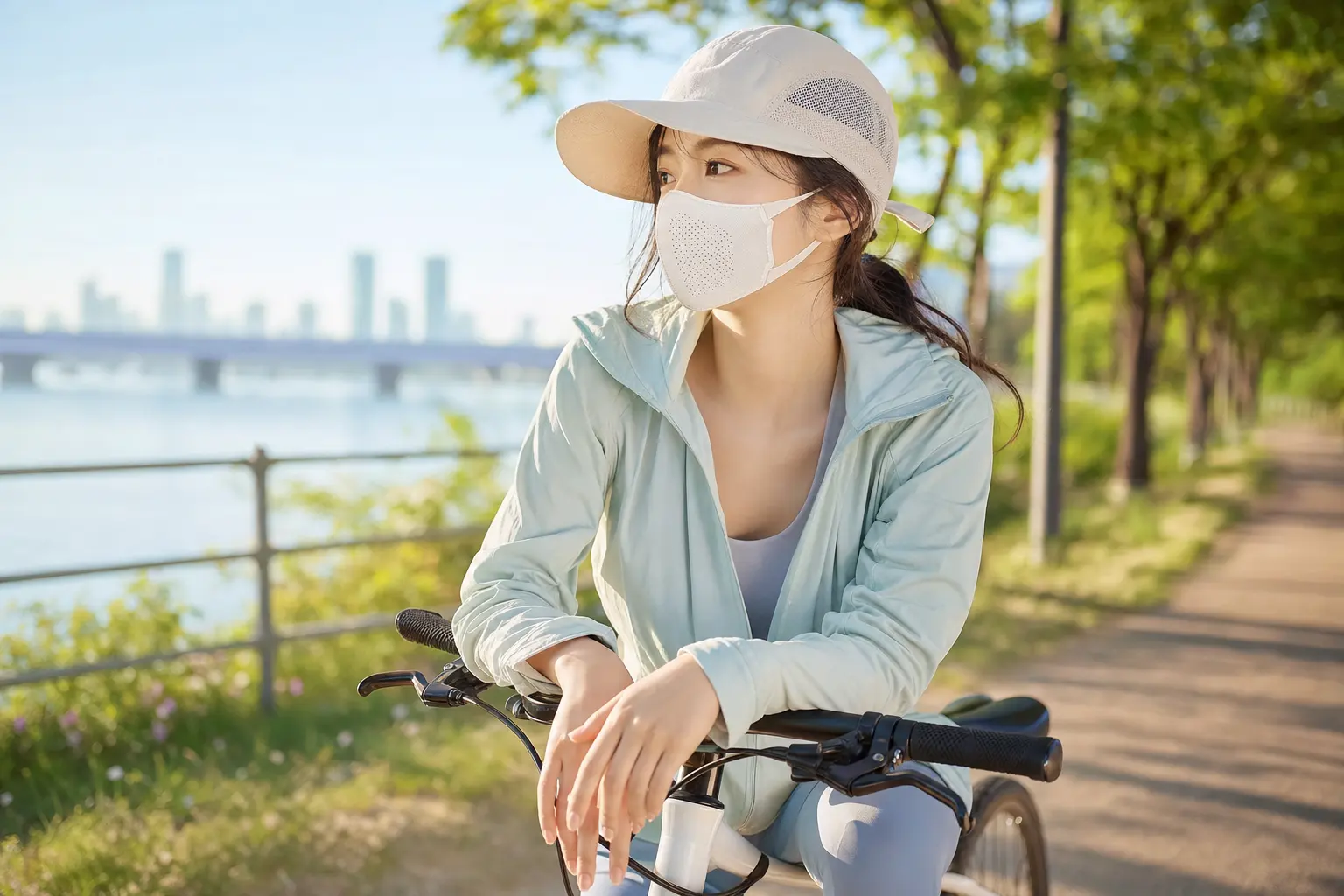
Sun‑blocking masks solve a different problem than treatment sheets. Their aim is barrier protection from UVA/UVB and practical wear during activity: breathability, wash durability, and staying power. The best sport and outdoor masks balance certified UV blocking with ventilation features so you don’t overheat or fog glasses during activity.
When evaluating a sun mask, prioritize three things: a certified blocking claim (ideally supported by a testing lab), breathability features like vents or open‑style mouth zones, and durability through washing if you’ll use it repeatedly. Some masks also advertise antibacterial testing or dermatologist backing — useful, but secondary to certified UV metrics.
Catalog picks that match real needs
If you want a lightweight, breathable mask for long days outside with high certified UV performance, the U2 Sports MS1 is engineered for athletes: it uses a Super Dry Zone to wick sweat instantly and a two‑way breathable fabric so you stay comfortable while getting strong UV defense. It’s specifically designed to address sweat and comfort issues during prolonged exercise, which makes it a smart choice for cycling, golf and long rides.
Why this matters: athletes need both protection and moisture control. Wicking zones and breathable meshes reduce heat and improve wear time, while certified UV defense protects facial skin that often gets missed by sunscreen application alone. For people who prefer a mask crafted for high‑intensity use, this product targets the core pain points.
One more practical point: match the mask style to your activity. Open‑style masks with nose and mouth openings are convenient for drinking and heavy breathing, whereas close‑type designs often provide better full‑face coverage. For a deep dive on pairing facial sun protection with skin type and finishes, see our sunscreen recommendations: Best Korean Sunscreen for Oily Skin — Matte, Lightweight Choices.
Recommended pick for active outdoor protection.
The U2 Sports MS1 is engineered to wick sweat instantly and keep you cool while providing clinical UV defense; it’s a fit for prolonged outdoor sports and offers a snug, breathable design that reduces fogging and discomfort during exercise.
Everyday UV masks and commuter use: practicality, coverage and fabric care
For daily commuting or casual outdoor time you need masks that are easy to wear, provide strong consistent UV defense, and stand up to repeated use. Machine‑washable masks with verified blocking claims are the best value because you avoid daily re‑application of physical sunscreen and reduce chemical exposure when that’s a priority.
Key features to look for: UPF or percent‑block claim backed by a testing lab, size and coverage that reach the cheekbones and nape for full protection, and material that breathes without causing skin irritation. If you have sensitive skin or rely on minimal skincare in the morning, a fabric that blocks UV and wicks sweat without heavy contact is ideal.
When to choose a commuter mask vs. a sport mask
- Commuter mask: favor full face coverage, easy washing, and a cooling fabric. Use this when walking, commuting, or spending short periods outdoors.
- Sport mask: favor sweat control, anti‑fog vents, and secure fit. Use this during prolonged exercise.
One of the catalog’s everyday picks offers premium wash durability and high UV blocking: the Modelo Standard UV protection Golf Mask blocks 99.9% of UV rays and maintains UV defense after 30 washes per testing — important if you plan to wear and launder your mask frequently. It also lists dermatologist backing for the design and a breathable pore system for airflow, which helps with comfort during long wear.
If you prioritize a neutral color for daily outfits or need sizes for a polished look under sun hat or sunglasses, a commuter mask that offers multiple sizes and colors can feel less like gear and more like a practical accessory.
Practical pick for daily UV defense.
The Modelo Standard UV protection Golf Mask blocks 99.9% of UV rays, features 78 pores for breathability and is tested to retain protection after repeated washing — useful if you want a reliable, washable face cover for daily outdoor wear.
Performance masks: hydrogel and bio‑cellulose — when to splurge
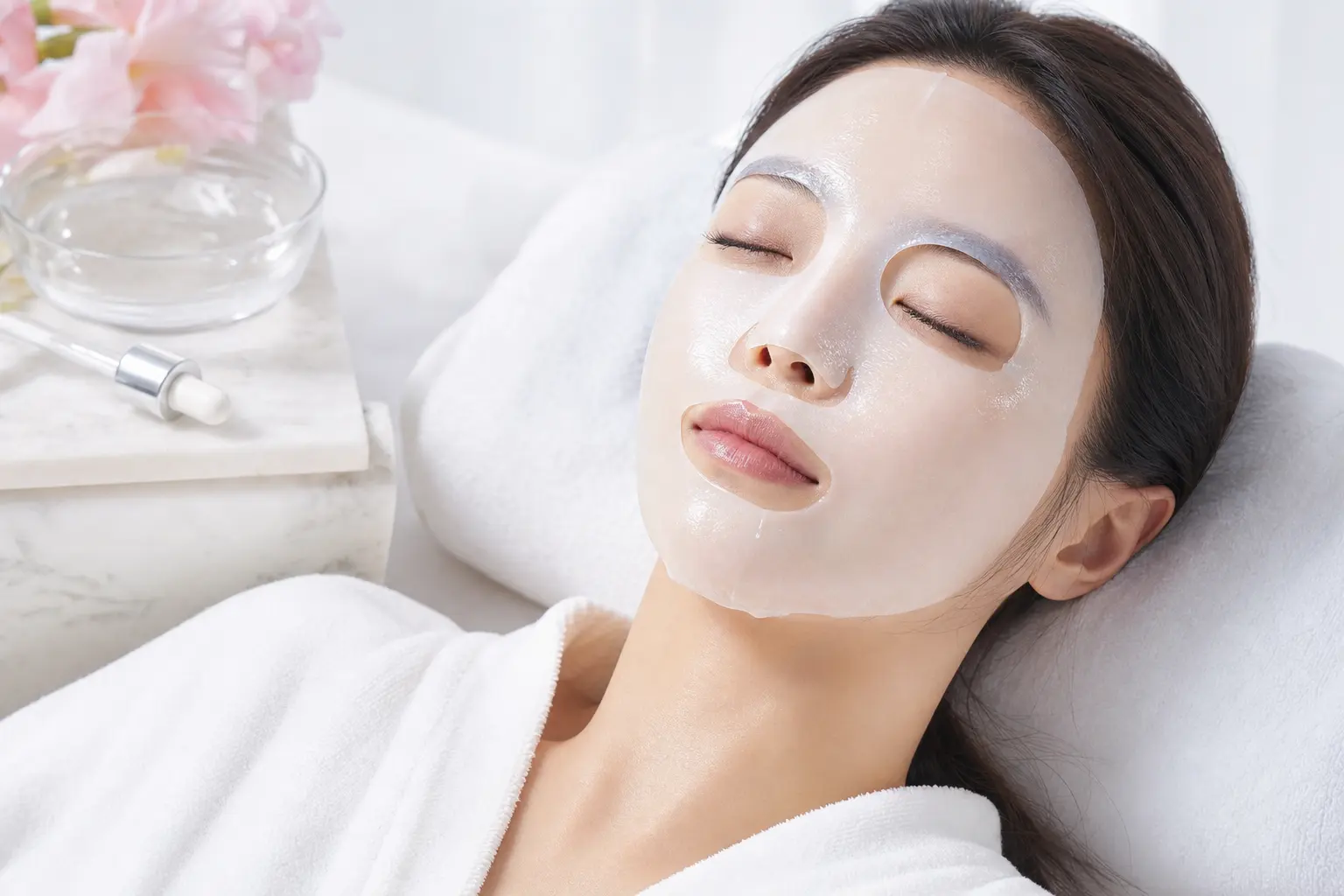
Premium masks — hydrogel and bacterial bio‑cellulose sheets — command higher prices because manufacturing is more complex and the materials deliver differently. Hydrogel is a synthetic gel sheet that cools and forms a close seal; bio‑cellulose is a bacterial cellulose fiber that behaves like a ‘second skin’ with very high conformability. Both are designed to increase occlusion and short‑term delivery of actives compared with non‑woven or microfiber sheets.
Clinical and in‑vivo evidence supports the tolerability and soothing properties of bio‑cellulose, which is why clinicians often use it post‑procedure for comfort and barrier support [3]. Hydrogel surged in popularity in 2025–26 for the immediate skin‑plumping and cooling effect; demand spiked enough in 2026 that certain premium hydrogel lines sold out in export markets, signaling supply constraints for top‑end formats [1].
How to decide whether to pay up
- Choose hydrogel if you want a cooling, occlusive session for immediate plumping and hydration. It’s especially effective for short, visible results before an event.
- Choose bio‑cellulose if you need clinical‑grade soothing, close adhesion and a format clinicians recommend after in‑clinic procedures.
- Save on non‑woven or microfiber for daily brightening or when you use masks frequently; reserve premium sheets 1–3x per week.
Remember serum loading: measured mean mass of serum per single application varies by carrier and has been quantified in the literature; this affects exposure and how you interpret ingredient percentages on a label [2]. If a mask contains a potent active at a high concentration in a small essence volume, the per‑use dose may still be modest. Labels that list net essence volume or weight help you estimate how much active you are getting each time.
Because these masks hold more serum and sit sealed against the skin, they can change the absorption dynamics of actives compared with leave‑on creams — another reason to use them judiciously and prefer clinically validated formulations when treating sensitive or post‑procedure skin.
Safety, preservatives and using masks after procedures
Safety matters in masks because several formats deliver concentrated actives in an occlusive environment. Two practical safety flags to check on every product label: the preservative system and the carrier type. Some preservatives are restricted or limited in leave‑on cosmetics — for example, isothiazolinone family ingredients (MI/MCI) face strict limits in many jurisdictions and are generally discouraged in leave‑on facial products; check regulations and the product INCI if you see them listed [5].
For post‑procedure use: bio‑cellulose sheets are backed by clinical tolerability and have been used to soothe skin after treatments, but always follow your clinician’s guidance. If your provider advised avoiding occlusive products for a set period, follow that. If allowed, pick bio‑cellulose or clinician‑grade hydrogel masks that list ‘‘post‑procedure’’ suitability or cite clinical data.
How to vet a mask label quickly
- Find the carrier and net essence weight. If absent, the product is likely a general mask rather than a measured treatment.
- Scan INCI for known irritants: undisclosed fragrance or high percentages of alcohol can irritate compromised skin. If fragrance is listed but you have sensitivity, prioritize fragrance‑free options.
- Check preservatives. Avoid MI/MCI in leave‑on treatment masks; prefer well‑documented, broad‑spectrum preservative systems. Regulatory summaries and industry QRA guidance note the restrictions and encourage brands to disclose systems [5].
Shopping tip: if you need clinical reassurance or sustained barrier support, choose products that list clinical testing or dermatologist backing. For a quick browse of available treatment masks and formats by carrier and purpose, our Masks & Treatments category organizes products by function and material: Masks & Treatments (shop category).
How to fit masks into a routine — frequency, layering and travel tips
Masks are most useful when they complement a routine rather than replace fundamentals. Cleanse, treat (serums/essences), mask, then seal with moisturizer or sunscreen where appropriate. Frequency depends on the mask type and your skin: lightweight non‑woven sheets can be used 2–4 times weekly for maintenance; hydrogel and bio‑cellulose are better at 1–3 times weekly as intensive boosters.
Sample weekly plans
- Busy weekday maintenance: 2x weekly non‑woven sheet masks after cleansing and toner; use lighter serums and daytime SPF on work days.
- Weekend treatment: 1 hydrogel or bio‑cellulose mask after exfoliation and a peptide serum for recovery and plumping.
- Post‑travel rescue: hydrating bio‑cellulose mask night after long flights to calm barrier stress.
Travel picks should prioritize washability, compact packing and breathability. For outdoor travel where you’ll be walking or on the move, an open‑style, washable sun mask is practical because you can drink without removing it and trust the fabric for repeated use. The SUNMASKIN Premium UV Protection sports open‑style mask offers 99.9% UV blocking while allowing easy breathing and drinking — a convenient option when you’re moving between transit, sightseeing and meals.
Practical pick for travel and active days.
The SUNMASKIN Premium UV Protection Sports Golf Fishing Mountain Climbing Bicycle Tennis Outdoor Activities Mask is open‑style with nose and mouth openings that let you drink and breathe easily while keeping durable, washable sun defense on hand for outdoor travel.
Finally, adapt frequency seasonally. In summer, prioritize sun protection every day; in dry winter months, swap in more occlusive hydrating masks weekly. If you rely on masks for anti‑aging, pair them with daily leave‑on serums containing evidence‑based actives and use occlusive masks as intensifiers rather than crutches. For body care pairs and scrub/treat/SPF sequencing that complements facial masking days, see our body routine article: Korean Body Care Routine That Actually Works: Scrub, Treat, SPF.
Frequently Asked Questions
Which mask type is best for hydration versus anti‑aging?
For intense, immediate hydration choose hydrogel or bio‑cellulose carriers because they provide strong occlusion and deliver more serum to the skin in one application. For anti‑aging, pair evidence‑based actives (peptides or PDRN‑style serums) used consistently with a weekly occlusive mask to help short‑term delivery; daily anti‑aging benefits are still best supported by leave‑on serums and retinoids paired with targeted masking sessions.
Are hydrogel or bio‑cellulose masks worth the price difference?
They can be, when you want immediate, visible hydration, cooling, or clinical‑grade soothing after procedures. Hydrogel offers a cooling, occlusive seal and often visible plumping; bio‑cellulose conforms tightly, which clinicians favor for post‑procedure comfort and tolerability [3]. Reserve premium formats for weekly use or special occasions rather than daily use.
How often is it safe to use sheet masks or sleeping masks?
Frequency depends on the format and ingredients. Non‑woven sheets suitable for regular brightening can be used 2–4 times weekly; hydrogel and bio‑cellulose are best at 1–3 times weekly as intensive boosters. Sleeping masks (leave‑ons) are formulated for overnight use but always check the product label and avoid layering potent actives under long‑contact occlusion unless the product specifies it.
Do masks contain irritating preservatives or undisclosed fragrance — how do I check?
Always read the INCI list. Look for fragrance ("parfum") if you have sensitivity, and scan for isothiazolinones (MI/MCI), which many regulators limit in leave‑on cosmetics [5]. Brands that disclose carrier type and net essence weight make it easier to assess exposure. If in doubt, opt for fragrance‑free and clinically tested products recommended for sensitive skin.
Can I use masks after in‑clinic procedures?
Follow your clinician’s directions first. Clinically validated bio‑cellulose sheets are commonly used to soothe post‑procedure skin and have supporting tolerability data [3]. Avoid heavy occlusive masks immediately after invasive procedures unless your provider approves; they can trap heat and increase irritation in compromised skin.