
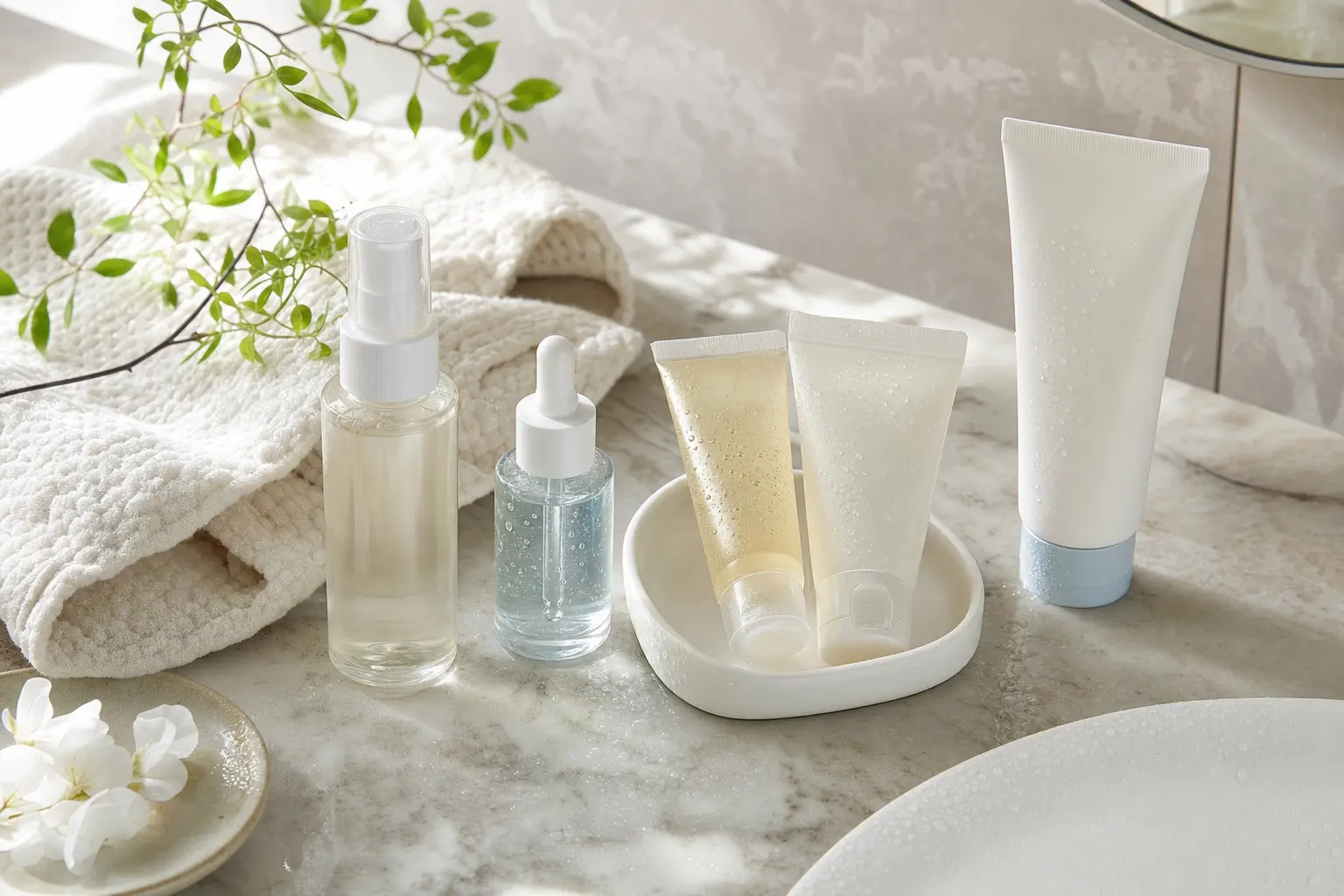
The Korean body care routine is no longer an afterthought: it borrows facial-grade actives, textures, and layering techniques to treat the body with the same attention as the face. Start with the right exfoliation, then layer hydrating essences and lightweight treatments while the skin is damp for best absorption.
This article breaks down the practical steps, the actives to use (and avoid in certain areas), seasonal texture swaps, and product picks from EmpressKorea so you can apply K‑beauty precision to your arms, chest, legs and décolletage.
Why the skinification of body care matters
Korean retailers and beauty editors call it “skinification”: the move to give the body the same ingredients and formats previously reserved for the face. Since 2025 this has become a dominant trend — body serums, essences and treatment lotions are growing fast because shoppers want visible results, not just fragrance and bland hydration [1].
The retail signal is clear: award lists and sales at major chains emphasize functional body treatments over commodity body washes and generic creams [2]. That matters for you because it changes what’s actually available: lightweight, fast-absorbing textures; encapsulated ceramides; and targeted sprays that make treating large areas practical instead of tedious.
What changed about formulation and format
- Textures shifted from thick creams to essences and sprays so you can cover large surface area without greasiness — ideal for hot months and whole-body SPF layering.
- Active use increased: AHAs/BHAs, urea and niacinamide moved from face-only to body-safe concentrations and labels commonly spell out clinical claims and recommended frequencies.
- Packaging follows behavior — mists, ampoule-sized bodies and travel kits make daily treatment easier and more consistent.
For shoppers this means you can aim for measurable improvements: smoother thighs, reduced KP bumps, fewer body breakouts, and stronger barrier recovery after winter. Still, active strength and pH matter — higher concentration actives can irritate sensitive body areas, and newer regulator guidance in Korea highlights matching SPF/PA and careful testing for sunscreens [3].
Use this trend to your advantage: treat large areas with light, well-formulated essences and reserve richer creams or oils for drier patches. The sections below show precisely how to do that, step by step, and which EmpressKorea picks match each role.
Core Korean body care routine: exact steps and timing
Think of the body routine as a four-step protocol: Cleanse → Exfoliate (as needed) → Damp-skin layering with essence/serum → Lock with lotion/oil and, daytime, SPF. Each step has an exact purpose and an ideal timing to get active ingredients where they absorb best.
Follow these timings for a daily routine: cleanse in the shower, exfoliate 1–3 times weekly depending on sensitivity, pat skin damp then apply essence or body serum within 60 seconds, follow with a treatment lotion or cream and wait 2–3 minutes before dressing. If you’ll be outdoors, finish with sunscreen at least 15 minutes before exposure.
Step-by-step with precise technique
- Cleansing: Use a gentle, low-pH body wash in warm (not hot) water. Keep showers brief (5–10 minutes) to avoid stripping lipids.
- Exfoliation: Wet-skin mechanical scrubs or chemical exfoliants are best on damp skin; use physical scrubs once weekly for normal skin and AHAs/BHAs 1–3 times weekly for texture — avoid combining strong actives in one session.
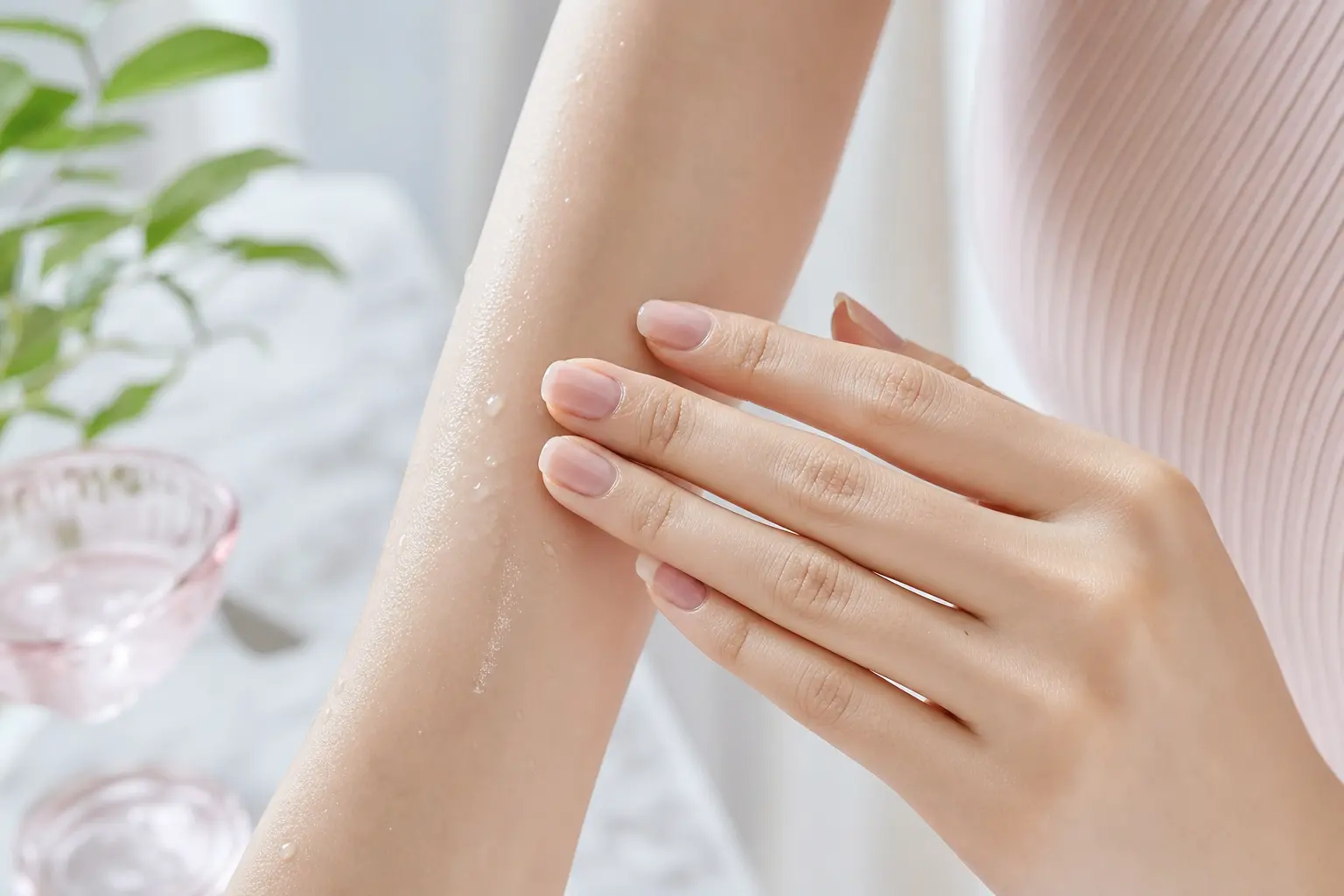
- Damp-skin essence/serum: Apply a lightweight essence or body serum right after patting (skin should be damp), using palm pressure to press product into areas like thighs, upper arms and chest. This increases penetration and reduces product waste.
- Locking moisturizer: Choose a lotion or cream depending on season: a light lotion for humid months, a cream or oil for winter. Apply 1–2 pumps per limb segment; press rather than rub to avoid friction irritation.
For travel or quick refreshes, a wash-and-serum duo that carries nourishing oils and fermented extracts simplifies the order into a two-step ritual when you don’t have time for long layering. The HOTEL DAWSON Body Care Mini Duo is sized for travel and combines a gentle wash with a serum that contains chia and safflower oils plus fermented botanical extracts — ideal for keeping damp-skin layering practical on the go.
Which actives work for body skin — and where to use them
Body skin handles actives differently than the face: area size, thickness and local friction change both absorption and irritation risk. Here’s a concise map of commonly used actives and how to place them.
Key actives and practical rules
- Ceramides — barrier repair for dry, eczema-prone areas. Use daily, layered under occlusives if needed.
- Hyaluronic acid & glycerin — humectants that hydrate without greasiness. Apply to damp skin and follow with a moisturizer to hold water in.
- Urea — low concentrations (5–10%) serve as both keratolytic and hydrator for very rough skin and keratosis pilaris. Start low and test patch first.
- AHAs/BHAs — glycolic/mandelic for smoothing and salicylic acid for unclogging pores; use 1–3 times weekly, avoid open wounds.
- Niacinamide — brightening and barrier-supporting, safe for daily use at typical cosmetic levels.
- Centella, mugwort, heartleaf — calming botanicals for reactive or barrier-weakened skin.
Don’t assume a face-strength product is automatically safe for the body. The flip side is true: many body formulas deliberately use lower irritation profiles while increasing volume coverage through lighter textures like sprays and essences. If you want face-grade results across broad areas, choose a product designed to be applied widely (a mist or essence) rather than a face ampoule repurposed for limbs.
Practical testing protocol: always patch-test a new active on a discreet area (inside forearm) for 48–72 hours, then increase frequency slowly. If irritation appears, stop and reduce to maintenance with ceramide and humectant layers until the barrier recovers.
For targeted, fast-drying treatment of body breakouts the KLAVUU Green Pearlsation Tea Tree Care Body Spray pairs tea tree oil with salicylic acid in a cooling mist format that makes covering large areas quick while delivering clearing actives where you need them.
Targeted concerns: body acne, keratosis pilaris and eczema (comparison)
Common body concerns need different approaches. Use focused actives, the right frequency, and texture choices that match friction zones (underarms, inner thighs, areas that rub clothing). Below is a compact comparison to make a decision fast.
| Concern | Key actives/texture | Frequency | EmpressKorea suggestion |
|---|---|---|---|
| Body acne (back, chest) | Salicylic acid, tea tree; lightweight sprays/serums | Daily spot + weekly deeper cleanse | KLAVUU Green Pearlsation Tea Tree Care Body Spray |
| Keratosis pilaris (outer arms, thighs) | Urea (5–10%), AHAs, gentle mechanical exfoliation | 2–3× weekly chemical exfoliant; maintain daily with humectant | Look for treatment lotions/serums in Serums & Essences for targeted options |
| Eczema & sensitive patches | Ceramides, glycerin, low irritant botanicals; creamy/ointment textures | Daily barrier repair; avoid strong exfoliants | BELLCA Waterless Body Wash for no-rinse soothing care and Moisturizers category for richer creams |
| Post-exfoliation smoothing | Hyaluronic acid, niacinamide, light oils; absorbent lotions | Daily after exfoliation | mom&twins Body Treatment Cream for deep nourishment |
How to sequence actives: avoid layering multiple exfoliants the same evening (for example, do not use a strong AHA body lotion and a separate retinoid treatment at once). When using salicylic acid sprays or cleansers, combine them with non-stripping emollients and barrier builders (ceramides, niacinamide) to prevent rebound irritation.
For flare-prone conditions such as eczema, prioritize barrier repair and consult a clinician before adding keratolytics. For KP, patience is the rule — expect 8–12 weeks of consistent treatment before texture changes become obvious.
Sunscreen for the body: what to buy and exactly how to apply
Sunscreen is non-negotiable for exposed body skin. Korean regulation treats sunscreens as functional cosmetics and requires SPF/PA data and human water-resistance testing on labels; regulators emphasize matching SPF/PA to exposure and warn that higher SPF formulas can increase irritation risk on sensitive skin [3][4].
How to choose a body sunscreen
- Pick a formulation you’ll actually use: sprays and lightweight lotions are the most practical for large areas. If you have acne-prone back/chest skin, avoid heavy oils that can trap sweat.
- SPF level: many Korean filings list SPF 50+, but higher SPF can irritate if your skin is sensitive. For everyday city exposure, SPF 30–50 is adequate if reapplied correctly; for prolonged outdoor exposure choose SPF 50+ and reapply every 80–120 minutes or after water/sweat per label guidance [4].
- Water resistance: if you expect swimming or heavy sweating, use a water-resistant formula and follow the time limits on the label; Korean products include human volunteer test data for this.
Exact application amounts and timing: apply about a nickel-to-quarter-sized dollop per limb segment (thigh, lower leg, upper arm, forearm) and a palmful for the torso; total body application needs noticeably more product than a face-only routine. Put sunscreen on at least 15 minutes before going outdoors and reapply every 2 hours, or immediately after towel-drying or heavy sweating.
Texture innovation is why sunscreen compliance improved: lightweight, fast-absorbing formulations and sprays make covering the body simple. If you struggle with greasy residues, choose matte or quick-dry formulas. For oily body skin, see our round-up of matte, lightweight choices for guidance on suitable textures and finishes Best Korean Sunscreen for Oily Skin.
Seasonal textures and when to switch (exact swaps)
Seasons dictate the texture you should carry in your routine. In summer, prioritize lightweight essences, sprays and lotions; in winter, double-layer with a damp-skin essence followed by a richer cream or oil. Retail reports show year-round growth in treatment body SKUs, but the texture you choose determines compliance and comfort [1][8].
Exact swaps by temperature and humidity
- Hot humid months (above 22°C/72°F): swap to essences, gels or sprays. Use 1–2 pumps of serum per limb and a thin lotion to lock in moisture. Apply sunscreen in a light spreadable form.
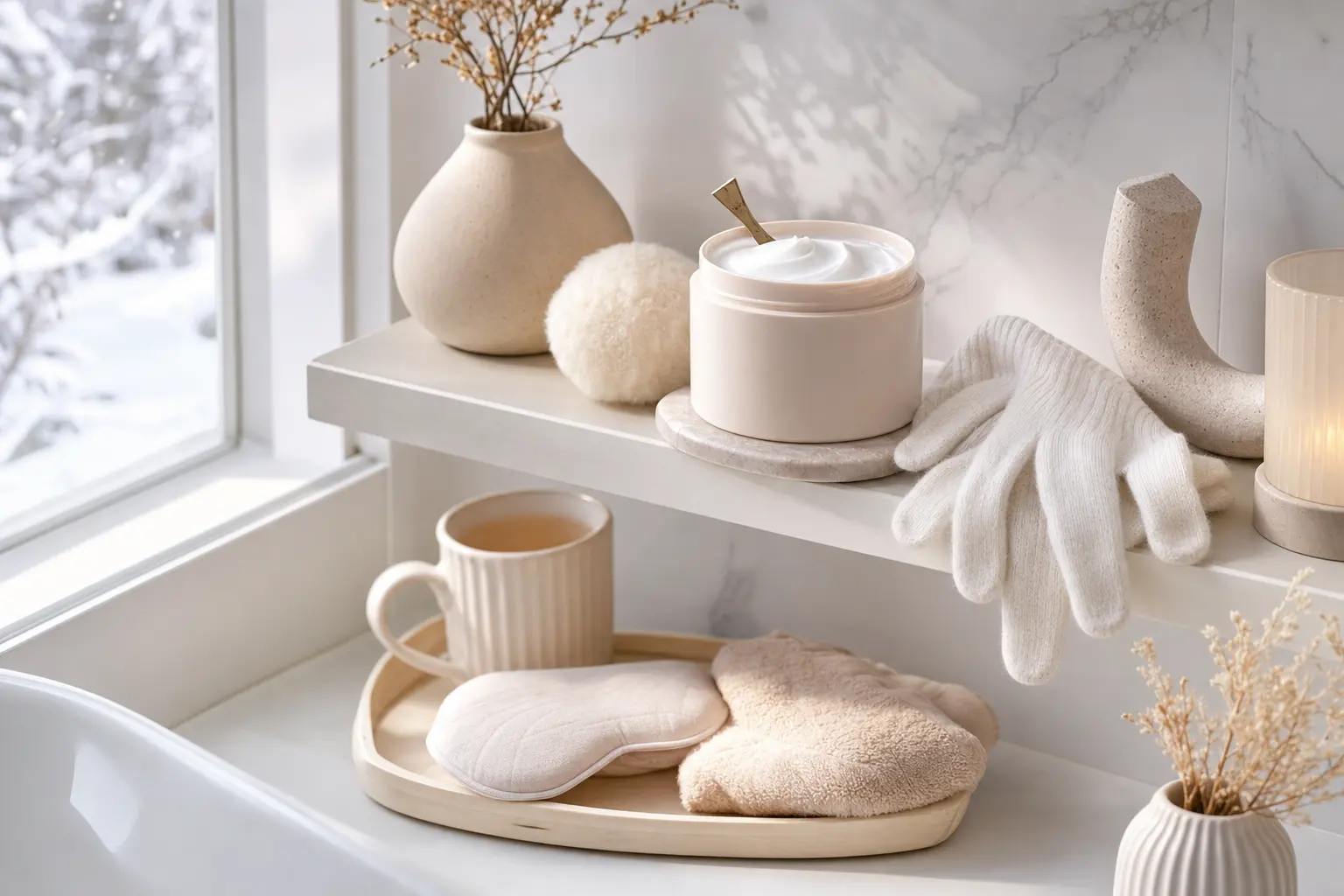
- Cool dry months (below 15°C/59°F): damp-skin essence + cream routine. After showering, leave skin slightly damp and apply a humectant serum, then a cream or oil. For very dry hands and feet, add a thick occlusive at night and cotton gloves/socks.
- Transitional seasons: keep a midweight lotion and a light treatment spray for spot use.
For overnight repair use a richer botanical cream on problem zones. The mom&twins Body Treatment Cream is plant-based with tamanu oil and vitamin C, designed to deeply nourish and improve elasticity — a reliable choice for winter repair and for skin that needs both conditioning and a light brightening boost.
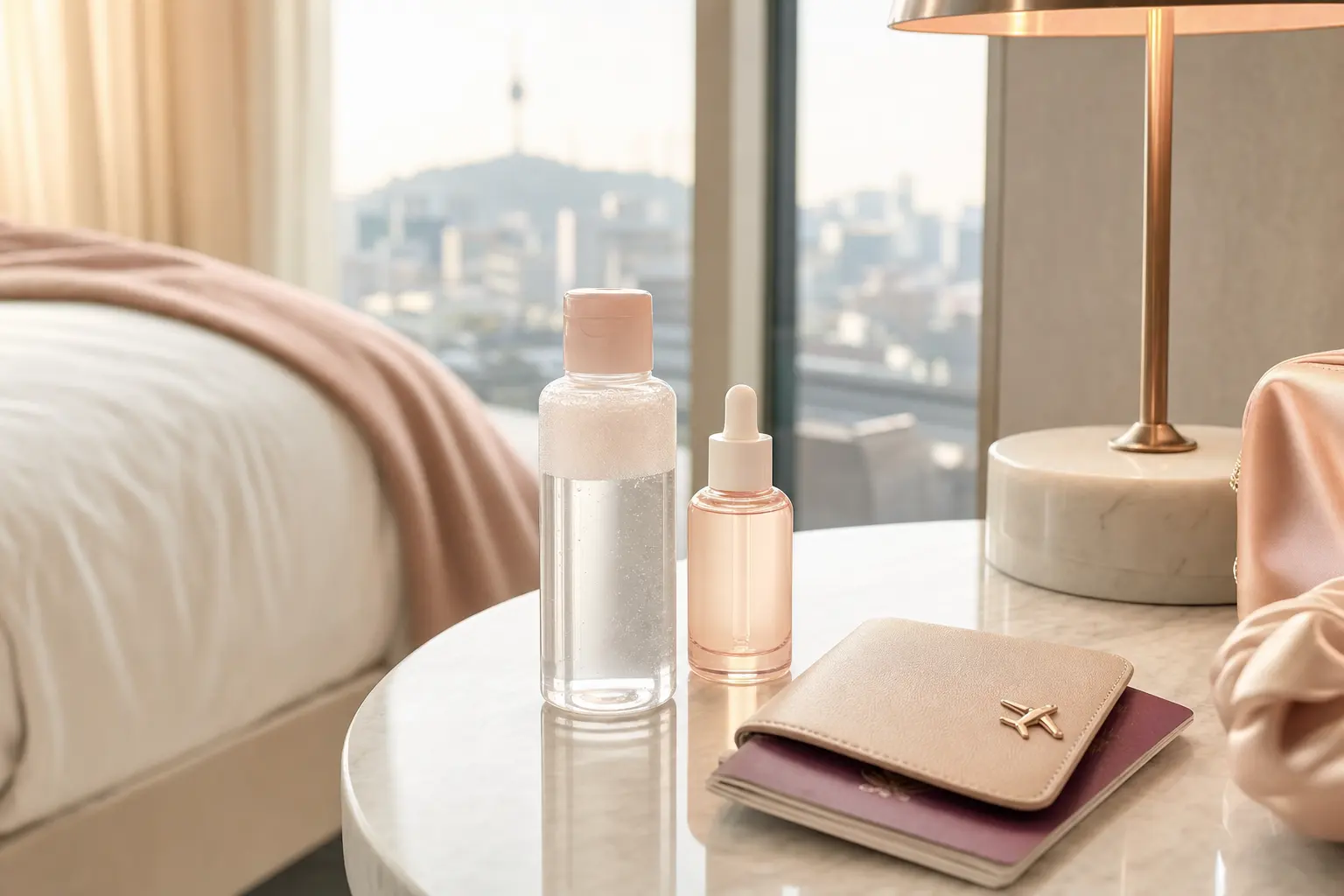
Tip for travel: pack a waterless or no-rinse cleanser for situations where showering isn’t possible. A spray-on, no-rinse formula is also helpful during recovery or pregnancy when hot showers may be inadvisable — the BELLCA Waterless Body Wash is formulated for sensitive skin and works without rinsing, so you can refresh and moisturize quickly during transit or recovery.
Three routines you can follow today — travel, daily summer, repair winter
Below are three practical routines with exact steps, amounts, and timings. These are written to be followed in real life, not aspirationally. Each routine notes where to use targeted treatments and what to skip if you’re sensitive.
Quick travel routine (hotel room or plane)
- Use a no-rinse wash or gentle cleanser if no shower is available — spray over areas and pat with a towel (BELLCA Waterless Body Wash is designed for this use).
- Apply a travel-sized serum to damp skin or to areas that feel dry — 1–2 pumps per limb segment.
- Finish with a small dollop of a lightweight cream on exposed areas and a travel SPF if you will be outdoors.
Daily summer routine (morning)
- Shower with lukewarm water for 5–8 minutes. Use a mild body wash.
- Pat skin until damp; apply a light body essence or serum — use 1 pump for forearm/hand and 2 pumps for each thigh.
- Apply a lightweight lotion across torso and limbs; wait 2 minutes then apply sunscreen to exposed areas (15 minutes before going outside).
- If you have body acne-prone zones, use a spray treatment (KLAVUU Green Pearlsation) at night or as a spot treatment after showering.
Repair winter routine (evening)
- Warm shower 5–10 minutes; avoid harsh scrubbing.
- On damp skin apply a humectant serum (hyaluronic/glycerin) across limbs — press into skin for 30 seconds.
- Apply a nourishing cream to entire body; for very dry areas add a thin layer of oil or balm on top. For hands/feet, apply thick occlusive and wear cotton gloves/socks overnight.
- Use a treatment cream (mom&twins Body Treatment Cream) 2–3 times weekly on rough patches for deeper conditioning and elasticity support.
Follow these routines with patience. Most body actives need 6–12 weeks before you see measurable improvement in texture. Small, consistent daily habits beat overenthusiastic but sporadic treatments.
Frequently Asked Questions
How often should I exfoliate body skin?
For most people, exfoliate 1–3 times weekly depending on your skin’s tolerance and the exfoliant type. Mechanical scrubs are best kept to once weekly for normal skin, while low‑strength AHAs/BHAs can be used 1–3 times weekly. Stop if you see redness or persistent stinging and resume with gentler, less frequent sessions.
Can I use face actives like retinoids or acids on my body?
Some face actives can be used on the body but with caution: start with lower concentrations and patch-test first. Retinoids can thin hyperkeratotic areas but may irritate large surface areas; keratolytics like urea, low‑percent AHAs or salicylic acid are more common body choices. If you have sensitive or eczema‑prone skin, consult a clinician before adding potent actives.
Are body serums worth it vs. lotion?
Yes, serums and essences are worth it when you want active ingredients delivered across large areas without the greasiness of creams. Apply them to damp skin for best absorption, then lock in with a lotion or cream. Serums are particularly useful for targeted concerns—acne-prone back skin or KP—because they allow active delivery at lighter textures.
How should I layer body products (essence → lotion → oil)?
Layer from thinnest to thickest. After showering, press an essence or serum into damp skin, wait 30–60 seconds, then apply a lotion or cream to seal. Apply oil last only on areas that need extra occlusion. Give each layer 1–2 minutes to settle to avoid pilling and to ensure even absorption.
Which ingredients help keratosis pilaris, eczema, or body acne?
Keratosis pilaris responds to urea (5–10%), AHAs (glycolic/mandelic) and gentle mechanical exfoliation. Eczema needs ceramides, glycerin and low‑irritant botanicals for barrier repair. Body acne benefits from salicylic acid and antimicrobial botanicals like tea tree. Always introduce one active at a time and patch-test first.