Sunscreen is the most effective anti‑aging step you already own — but only if you choose one you’ll use. This piece explains how to read Korean sunscreen labels, match formulas to your skin and schedule, and pick formats that fit real days.
We use recent Korean regulatory updates, ingredient realities and product tips to turn confusion into a plan. Expect clear rules for SPF/PA, filter differences, reapplication routines, and three practical product picks from EmpressKorea’s catalog.
How Korea regulates sunscreen and why it matters for your purchase
Korea classifies sunscreen as a “functional cosmetic,” which means brands must submit SPF, PA (UVA) and water‑resistance test data when notifying the product to the Ministry of Food and Drug Safety (MFDS). That extra layer of documentation makes Korean sunscreens more transparent about the protection rating on the label than many general cosmetics categories [1].
Two practical consequences for shoppers: first, numerical SPF and PA on Korean products are subject to test evidence, and second, “water‑resistant” claims are not casual marketing copy — they require testing data to be presented during notification. The MFDS has also signaled a move to accept validated in‑vitro (non‑human) testing standards (ISO 23675 and ISO 24443) to harmonize international testing and speed evaluation times — a change currently in administrative proposal and public comment [2].
What to check on the label
- SPF and PA levels: SPF covers UVB; PA indicates UVA protection (PA+, PA++, PA+++, PA++++)—both are posted on MFDS notifications.
- “Water‑resistant” or sweat‑resistant: look for this only if you need it for sports or swimming; it signals test data was provided.
- Filter types or ‘‘mineral/physical’’ vs ‘‘organic/chemical’’: many Korean products list modern organic filters that reduce white cast while offering broad protection — more on filters later.
Regulatory clarity matters because label accuracy reduces guesswork when matching a sunscreen to a use case: a light‑finish SPF50+ PA++++ face cream for daily commute, or a water‑resistant stick for jogging. If you prefer extra assurance, check the product page for the brand’s MFDS notification number or the listed test method — those are the things Korean labs and OEMs increasingly publish as testing moves in‑vitro and becomes faster [2][6].
Finally, the MFDS issued consumer guidance recently reminding users that higher SPF/PA isn’t always right for every skin type — choose a formula that fits your skin’s tolerance and your routine, not the highest advertised number by default [3].
SPF, PA and reapplication: reading the numbers and planning reuse
Two numbers matter on a sunscreen label: SPF for UVB and a PA grade for UVA. Those aren’t marketing flourishes — they are test‑driven protection tiers that tell you what to expect, and how often to reapply for real protection in daily life.
SPF is a multiplier for UVB exposure under controlled test conditions; PA (with plus signs) is a simplified UVA tier. Practically, SPF 30 filters out most UVB for typical outside exposure, while SPF 50+ is common in Korean face sunscreens to provide a larger margin for missed application and uneven coverage. PA grades guide UVA expectations: PA+++ or PA++++ signals stronger UVA blocking, which matters for deep photoaging and pigmentation.
Reapplication rules that fit busy lives
- Apply a face sunscreen every morning as the last step of skincare and before makeup.
- Reapply every two hours for long outdoor exposure, or immediately after towel‑drying or heavy sweating if the product is not water‑resistant.
- For short commutes and indoor days with incidental sun, a high‑quality SPF50+ PA++++ applied well each morning is reasonable — but a reapplication product (stick, mist, cushion) solves long days.
| Label Tier | Practical Use | Reapply |
|---|---|---|
| SPF 15–30 | Short outdoor exposure, incidental sun, indoors near windows | Every 2–3 hours if outdoors |
| SPF 50 / SPF 50+ | Daily face sunscreen when you need broader margin for missed spots | Every 2 hours outdoors; once mid‑day for long indoor/outdoor days |
| PA++ / PA+++ | Good UVA defense for daily wear; helps against pigmentation | Reapply with a top‑up product after sweating or towel‑drying |
| PA++++ | Strong UVA protection for higher photoaging risk or bright sunlight | Top‑up every 1.5–2 hours outdoors; consider a water‑resistant format |
Two extra points: cosmetic SPF on makeup products rarely equals a full‑dose layer of a dedicated sunscreen, and coverage matters more than chasing tiny differences between SPF 50 and SPF 100. Treat makeup SPF as a supplement, not your primary protection. When in doubt, keep a travel‑size reapplication option in your bag — it’s the single behavioral habit that raises real protection.
Mineral vs modern organic filters — what's actually different for skin and finish
The old mineral vs chemical story has shifted. Modern Korean formulas increasingly use newer organic (also called chemical or molecular) filters such as Tinosorb S, Uvinul A Plus and Uvinul T‑150 that combine broad spectrum UVA/UVB protection with lighter textures and minimal white cast. At the same time, mineral options — zinc oxide and titanium dioxide — remain preferred for extreme sensitivity and infant care because they sit on the skin’s surface rather than penetrating it [4].
What matters to you in practice is threefold: irritation risk, visible finish (white cast), and environmental or personal preference. A 100% mineral stick or lotion can be ideal for irritated or baby skin because its mechanism is physical blocking. However, many modern organic filters used in Korea allow high UVA protection without the thick white layer typical of older mineral formulas — which explains why lightweight, elegant face sunscreens are so common here [4].
How to choose by trade‑offs
- Sensitivity/eczema/pregnancy: lean toward mineral sunscreens or products labelled for sensitive skin; check for “hypoallergenic” and simple ingredient lists.
- Finish/white cast: if you want no white cast under makeup, modern organic filters in Korean formulas are designed for that look.
- Environmentally mindful choices: some consumers prefer mineral filters for perceived environmental safety; verify the brand’s eco claims on the product page.
Regulatory context matters here: the MFDS maintains allowed filter lists, and Korean manufacturers increasingly use modern filters that are permitted domestically and tested to international standards — that’s one reason Korean face sunscreens can be lightweight yet broad spectrum [1][4].
Also consider how you remove sunscreen. Heavier, water‑resistant formulas often require an oil cleanse step; light, easy‑rinse sunscreens are engineered for single‑step removal with regular cleansing products. If your skin is sensitive, pick a formula that explicitly markets rinseability or gentle removal.
Choosing a daily face sunscreen: textures, finishes and the one to reach for
Daily face sunscreen must balance protection, feel and compatibility with your existing routine. Texture and finish determine whether you will keep using a product — a matte, lightweight lotion for oily skin; a hydrating essence for dry skin; or an easy‑wash cream for sensitive skin that cleans off without abrasive scrubs.
Start by mapping your skin needs to textures: oily or acne‑prone skin benefits from gel, fluid or mattifying emulsions; dry skin prefers essence or cream sunscreens with humectants; sensitive types want formulations that emphasize gentle removal and hypoallergenic claims. Korean daily sunscreens often aim for cosmetic elegance (minimal residue, low stickiness) to support year‑round use.
Product fit over hype
- Choose SPF 30–50+ and PA+++ or PA++++ for face formulas — the added UVA tier matters for pigmentation and aging.
- If you use actives (retinol, AHA/BHA), pick a gentle, high‑PA sunscreen and reapply during outdoor days.
- For late afternoons or long commutes, a small reapplication product (mist, stick, or cushion) makes actual protection realistic.
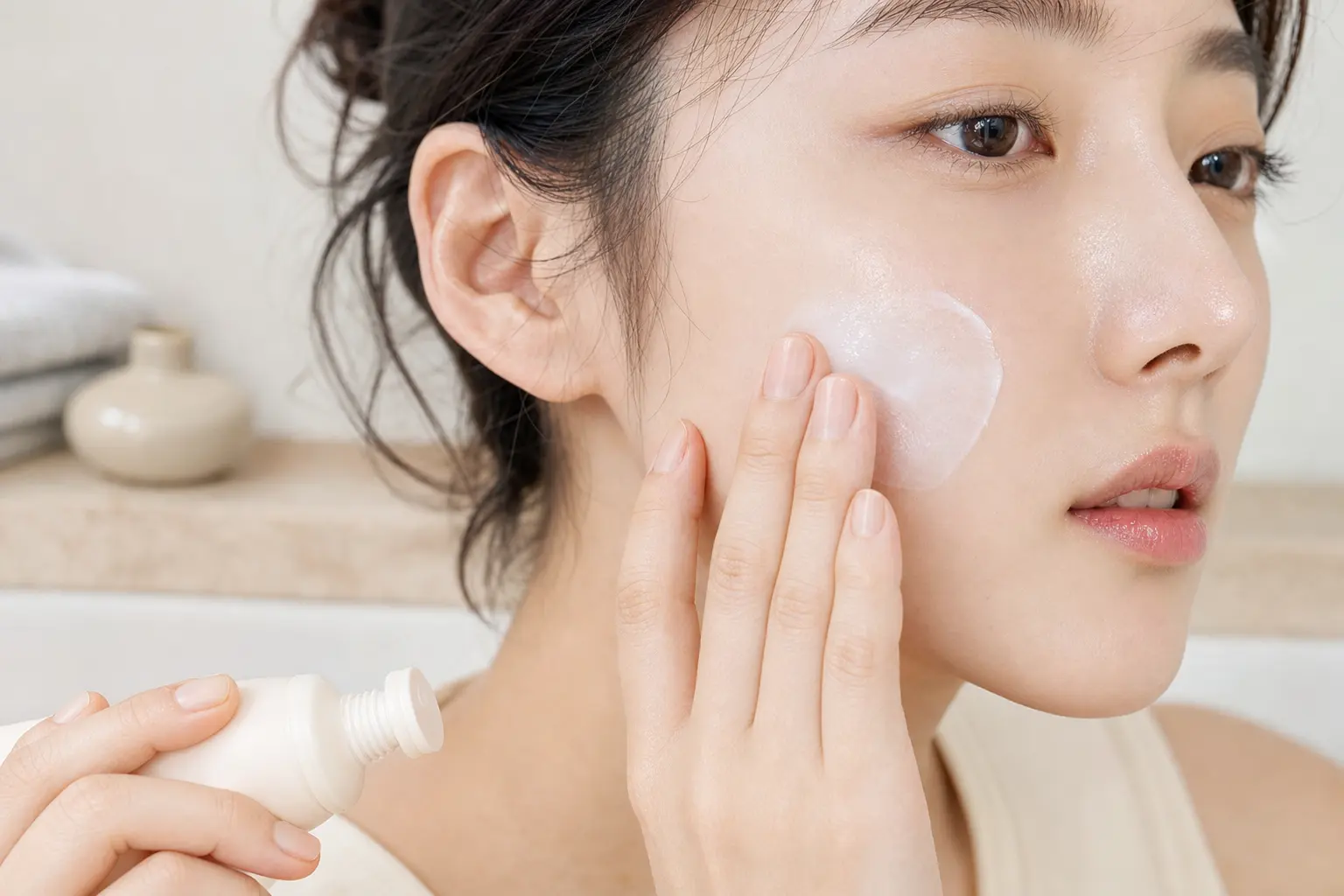
If you want a straightforward, gentle daily face sunscreen that’s also easy to remove at night, consider a product designed for sensitive skin and rinseability. The ILLIYOON Mild Easy‑Wash Sun Cream is formulated for sensitive skin with SPF 50+ PA++++ protection and promises a lightweight, easy‑rinse finish — convenient for mornings when you want robust protection without a heavy feel.
Why this product suits daily wear: it balances a high protection rating with a pump bottle and a formulation pitched for simple removal, which reduces evening irritation from scrubbing. Simple packaging and pump delivery also make consistent application easier.
Quick practical tip: commit to the amount and timing — a nickel to quarter‑size for the face, applied as the final skincare step and allowed 3–5 minutes to settle before makeup. Consistent, correct application beats chasing tiny SPF differences.
Formats that actually get used: sticks, cushions, and sun patches for top‑ups
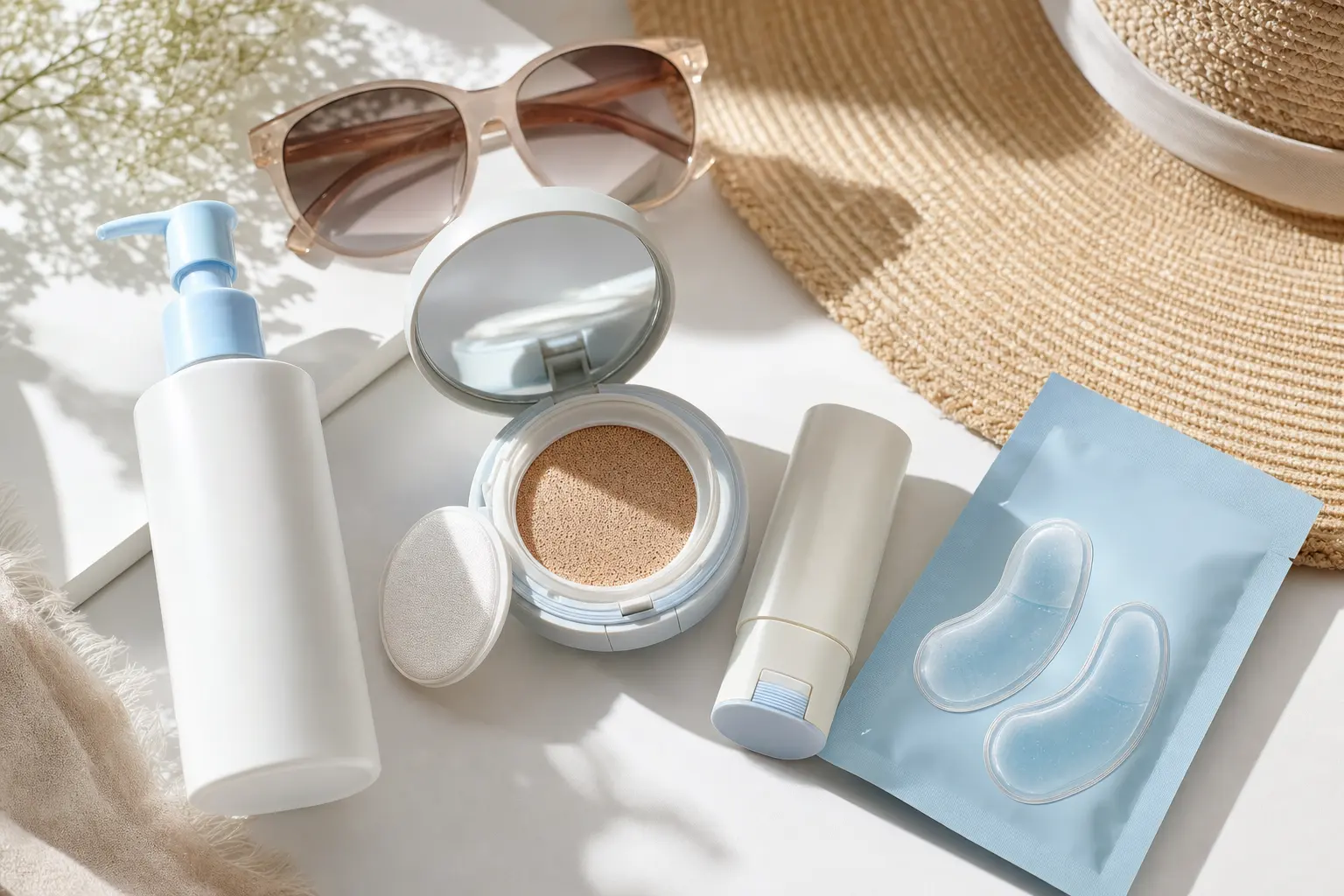
Formats matter because they change behavior. If you never reapply, the best SPF on the shelf is useless. Korean sunscreens excel at format innovation — cushions, sticks, sprays, and hydrogel sun patches all exist to solve reapplication friction. Pick formats that match how you spend daylight — sitting at a desk, commuting by transit, exercising outdoors, or parenting small children.
Sticks are the easiest for targeted, fast top‑ups on the go (nose, forehead, cheeks). Sprays and mists cover large areas quickly, but watch application distance and layering to ensure an even dose. Cushions combine makeup coverage with SPF and are ideal for midday touch‑ups; they’re cosmetically elegant and reduce the barrier to reapplication. Hydrogel sun patches are a niche but practical solution for high‑exposure facial zones like the bridge of the nose and cheekbones — ideal for long outdoor activities or travel when reapplication with fingers is inconvenient.
Pick by use case
- Daily commuter who wears makeup: carry a cushion or a compact SPF touch‑up.
- Runner or golfer: a sweat‑resistant stick or patch for the nose and cheekbones.
- Parent or caregiver: a mineral body lotion that’s gentle for children and quick to apply.
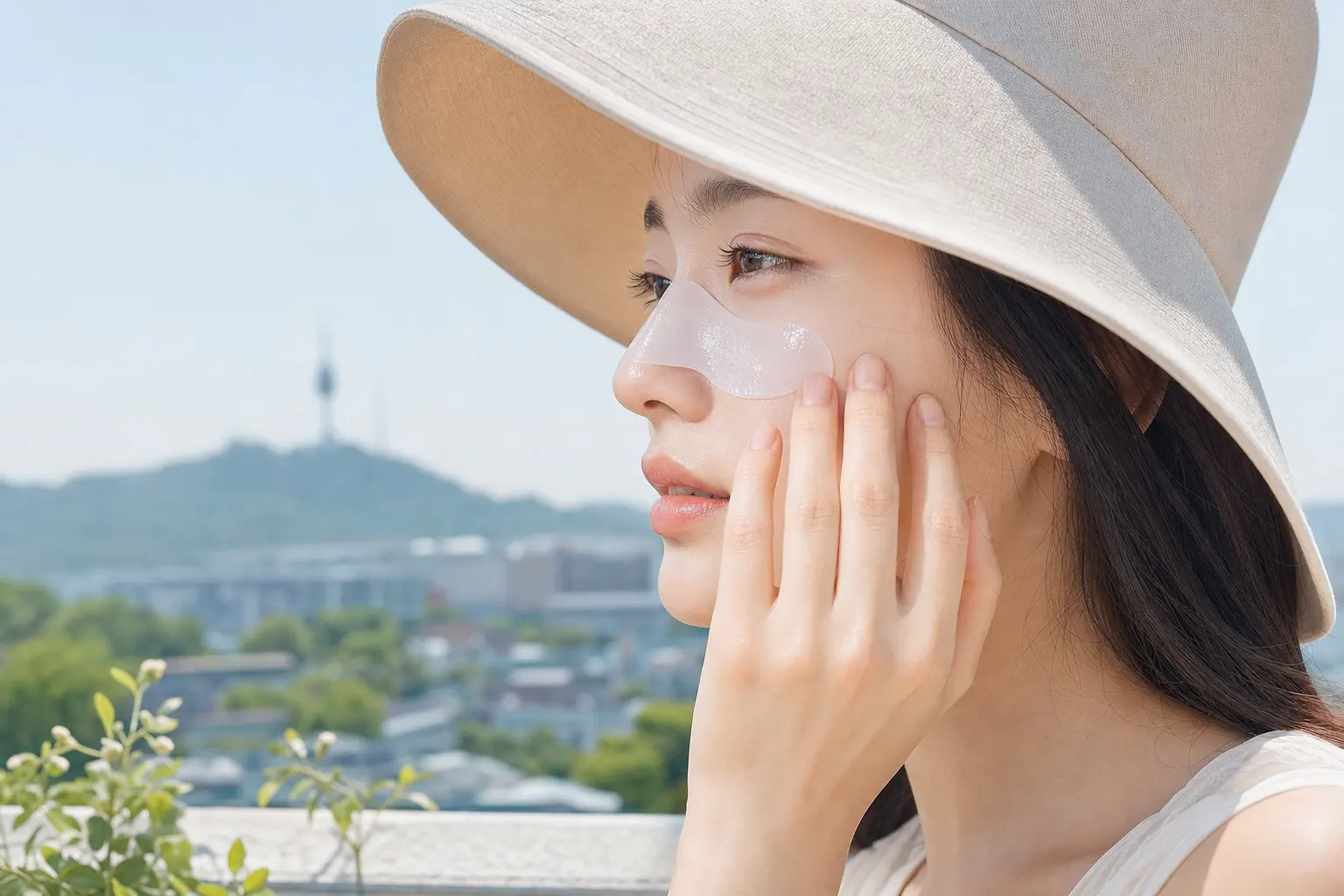
For targeted outdoor shielding, hydrogel patches are a smart, discreet option — they adhere, cool and protect vulnerable zones and can be worn under a hat. The MEDIHEAL UV Cut Outdoor Triple Protection Sun Patch provides hydrogel coverage infused with hyaluronic acid, a vitamin C derivative and botanical tea tree for hydration and targeted protection — a practical pick when you need snug, visible‑area defense while you’re outside.
And if you prefer cosmetic coverage with broad protection, cushions like APRILSKIN Magic Snow Cushion 3.0 combine SPF 50+/PA+++ coverage with a makeup finish so you can touch up sun protection and coverage in one step. The cushion format makes reapplication socially easy during the day because it feels like a makeup touch‑up rather than a medical step.
Match format to moments: the right container (pump, stick, cushion) reduces the friction to use, which is how protection becomes habit.
Layering sunscreen with makeup and active skincare the right way
Layering is about order, wait time, and realistic expectations. Put sunscreen last in your skincare routine (after serums and moisturizers), and before makeup. Give the sunscreen brief time to absorb and form a consistent film — 3–5 minutes for most emulsions, longer for thicker formulations. That helps the sunscreen settle and prevents pilling under makeup.
When you use a cushion foundation that contains SPF, treat it as a midday top‑up rather than the sole morning protection. Cushions tend to deliver a cosmetic layer of SPF that helps in a pinch, but a dedicated morning sunscreen applied at the right thickness will offer a more reliable first‑line defense. If your cushion lists SPF 50+/PA+++, it’s useful — but pair it with a proper sunscreen in the morning when you expect sun exposure over several hours.
Makeup tricks that preserve protection
- Apply sunscreen, wait until it dries, then use a thin primer if you need it — avoid heavy creams that can dilute the sun filter layer.
- For midday touch‑ups, press a cushion onto the skin rather than dragging a puff; pressing redeposits pigment and SPF more evenly.
- Powder foundations don’t replace sunscreen; they can reduce sheen but not provide consistent UV protection.
Choose formulas that are designed to be compatible: many Korean sunscreens and cushions are created with layering in mind, aiming for low pilling with lightweight finishes. If you often skip reapplication because of makeup, cushions solve the social friction — they feel like beauty maintenance instead of a clinical step. Still, carry a small sunscreen for emergencies, or use a top‑up cushion as your reapplication method when a fuller layer isn’t practical.
Practical rule: sunscreen thickness matters more than tiny label differences. Apply deliberately in the morning and plan a top‑up method you’ll actually use mid‑day — cushion, mist, or stick — so protection is continuous, not patchy.
High‑sun days, kids and sport: picking robust protection without irritation
High‑exposure days — beach, mountain, long outdoor sport — change the rules. You want water‑resistance or specifically sport‑grade formats, and you must plan reapplication after towel‑drying, swimming or heavy sweating. For children and sensitive skin, many Korean products use 100% inorganic/mineral formulations that form a thin physical barrier rather than penetrating the skin; these are less likely to provoke irritation in delicate skin [4].
For babies and toddlers, look for products that explicitly label themselves for infant skin, because these formulas remove irritating additives and focus on gentle, physical protection. GOONGBE Waterful Sun Lotion is formulated as a 100% inorganic physical sunscreen designed for baby skin, enriched with madecassoside and soothing Ojitang extracts for moisture and calm — a thoughtful choice when you need a mild, protective film on delicate skin. It’s also marketed for long‑lasting moisture and gentle adherence, which helps when applying to squirming children.
Sport and outdoor work demand different packaging: sticks, heavy cream water‑resistant lotions, or sprays labelled for sports are all valid. Check the product details for a water resistance claim and reapply according to the label — many water‑resistant products still require reapplication after a swim. For adults with sensitive skin who need durable coverage, combine a gentle mineral body lotion or physical cream on the face with a modern filter body formula if you tolerate it well.
Application priorities for outdoors
- Apply a full‑dose sunscreen liberally at least 15 minutes before sun exposure.
- Use a water‑resistant product when sweating or swimming and reapply after towel‑drying.
- Protect high‑exposure areas with targeted formats — hats, wide cloth, and hydrogel patches for the nose/cheek area reduce reliance on hands for reapplication.
When travelling or exercising, pack small, reapplication‑friendly formats and consider a patch or stick for the nose and cheekbones where sun damage concentrates. For sensitive family members, choose pediatric‑friendly mineral options and test a small patch at home before long exposure.
Shopping checklist, common mistakes and how Koreans actually use sunscreen
Buying the right sunscreen comes down to matching product attributes with your habits. Koreans tend to prioritize cosmetic elegance — lightweight textures, no white cast and easy reapplication — which is why face‑centered formats, cushions and travel sizes are so common. Habit change matters more than the label: if you won’t reapply, choose formats you’ll carry and use.
Shopping checklist
- Match SPF/PA to your exposure pattern: SPF 30–50 and PA+++ or PA++++ for typical face use.
- Pick a texture that fits your skin type: gel or matte for oily skin, essence or cream for dry skin, mineral for extreme sensitivity.
- Look for easy‑reapply formats if you’re on the move — cushion, stick, mist, or hydrogel patch.
- Check claims for ‘‘water‑resistant’’ or ‘‘hypoallergenic’’ and, when possible, product test notes or MFDS notification details on the product page [1].
Common mistakes to avoid: using makeup SPF as a sole sunscreen, layering occlusive night creams under a daytime sunscreen (which can reduce spreadability), and assuming ‘‘higher SPF is always better’’ without considering skin tolerance. The MFDS has issued consumer advice recently cautioning that higher SPF/PA levels are not always optimal for every skin type — choose a product suited to your skin and schedule, not only the highest number [3].
Where Koreans shop behaviorally: year‑round small reorders, mini sizes in handbags, and cushions for midday touch‑ups. If you want to try the approach, start with a travel size and a touch‑up cushion or stick to build a habit. For a family kit, pair a gentle, mineral body sunscreen for children with a high‑PA face formula for adults.
Recommended internal reads: if you want sunscreen for oily skin, our Best Korean Sunscreen for Oily Skin post offers targeted picks and finishes; for body routines that include SPF, see Korean Body Care Routine That Actually Works. To explore more curated skincare categories, visit our Skin Care shop category and Cosmetics page for compatible companions.
Best Korean Sunscreen for Oily Skin — Matte, Lightweight Choices
Korean Body Care Routine That Actually Works: Scrub, Treat, SPF
Skin Care (shop category)
Frequently Asked Questions
How often should I reapply sunscreen during a normal city day?
Apply sunscreen each morning as the final step in your skincare and reapply if you spend extended time outdoors. For typical city days with short outdoor exposure, a properly applied SPF50+ PA++++ in the morning provides solid coverage; still, reapply mid‑day if you expect prolonged sun. Use a cushion or stick to make that reapplication practical.
Is a mineral sunscreen better if I have sensitive skin or during pregnancy?
Mineral sunscreens (zinc oxide, titanium dioxide) are often recommended for sensitive skin because they sit on the skin surface rather than relying on absorption. Many Korean products also offer hypoallergenic mineral options for infants and sensitive adults. If you’re pregnant, consult your clinician, but mineral formulas are commonly chosen for their low irritation profile.
Can makeup with SPF replace a dedicated sunscreen?
No. Makeup SPF can supplement protection but typically doesn’t deliver the full thickness of product needed for the labelled SPF. Treat makeup SPF as a backup or a touch‑up; start your day with a dedicated sunscreen applied at the recommended amount and use makeup SPF for mid‑day boosts when necessary.
How do modern Korean organic filters differ from older chemical sunscreens?
Newer organic filters used in Korea, such as Tinosorb and Uvinul types, provide broad spectrum UVA/UVB protection with less white cast and lighter textures than older chemical filters. These modern filters are permitted in Korea and are part of why many Korean face sunscreens feel cosmetically elegant while offering strong protection [4].
Are water‑resistant claims meaningful?
Yes. In Korea, brands must supply water‑resistance test data when notifying their product with MFDS, so the claim indicates test evidence. Still, even water‑resistant sunscreens need reapplication after towel‑drying or long swims, so check the product instructions for reapplication intervals [1].