
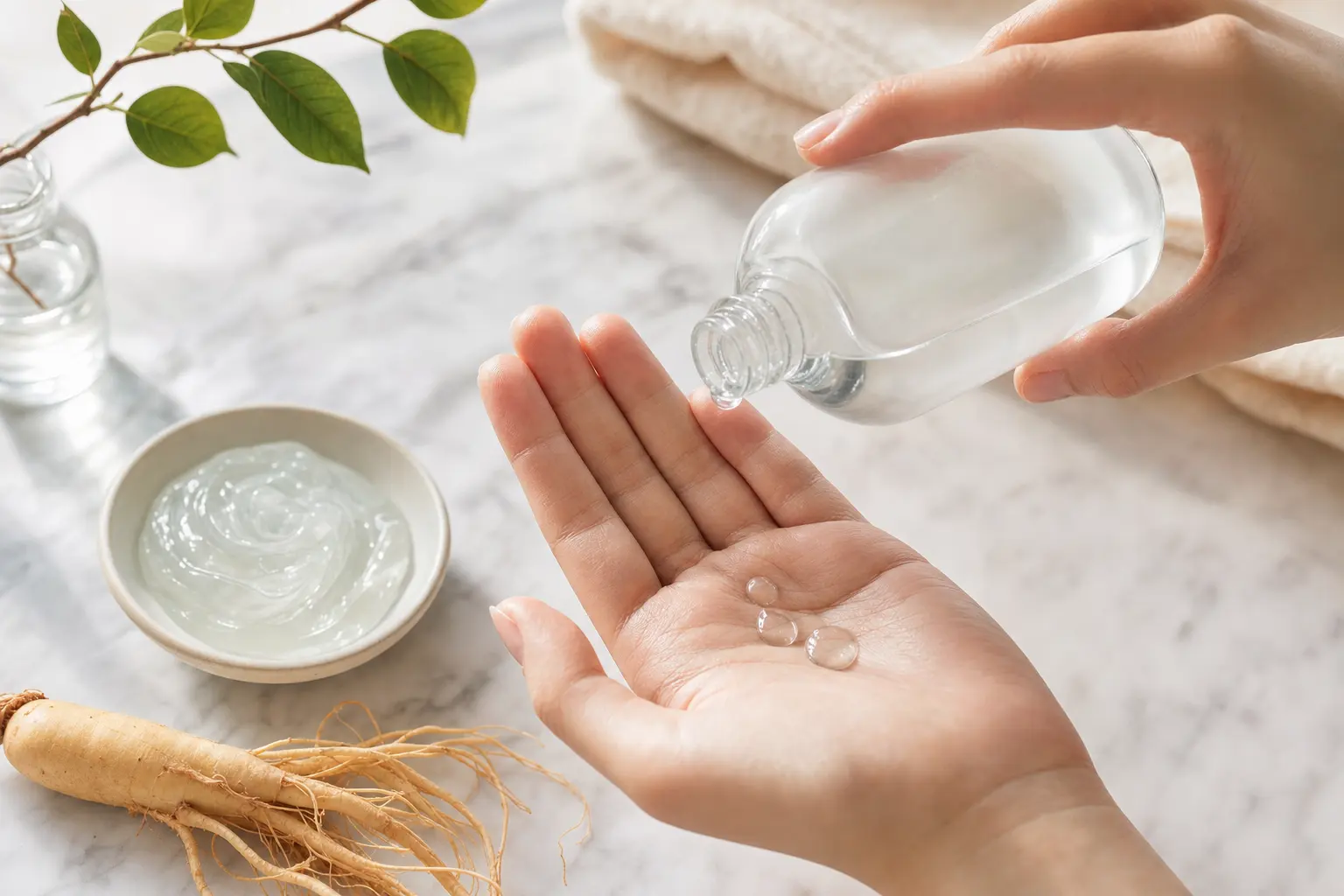
Best Korean essence for glowing skin starts with the formula, not the bottle. Look for a lightweight, water-based essence that pairs a ferment or postbiotic with humectants and a skin-brightening agent—applied right after your toner and before serums.
This article explains what essences do, which ingredients have evidence for glow and brightening, how to apply them (exact drops, timing, skin prep), seasonal changes to the routine, and a practical 30-day plan to see results without guesswork.
What an essence actually does (and how it fits into a Korean routine)
An essence is a lightweight, skin-conditioning step used after cleansing and toner but before heavier serums and creams. Think of it as a hydration primer: it boosts skin water content, helps active ingredients penetrate evenly, and conditions texture so later steps work better. In K‑beauty routines the essence is what sets the tone for the rest of your products.
Texture matters. True essences are watery to slightly viscous—not a thick serum. When you pour an essence onto your palm it should spread almost like water, feel silky, and absorb in 10–20 seconds without leaving a tacky film. If a product is heavy or sticky, it’s more of an ampoule or serum, not an essence.
Why essences can make skin look immediately dewy
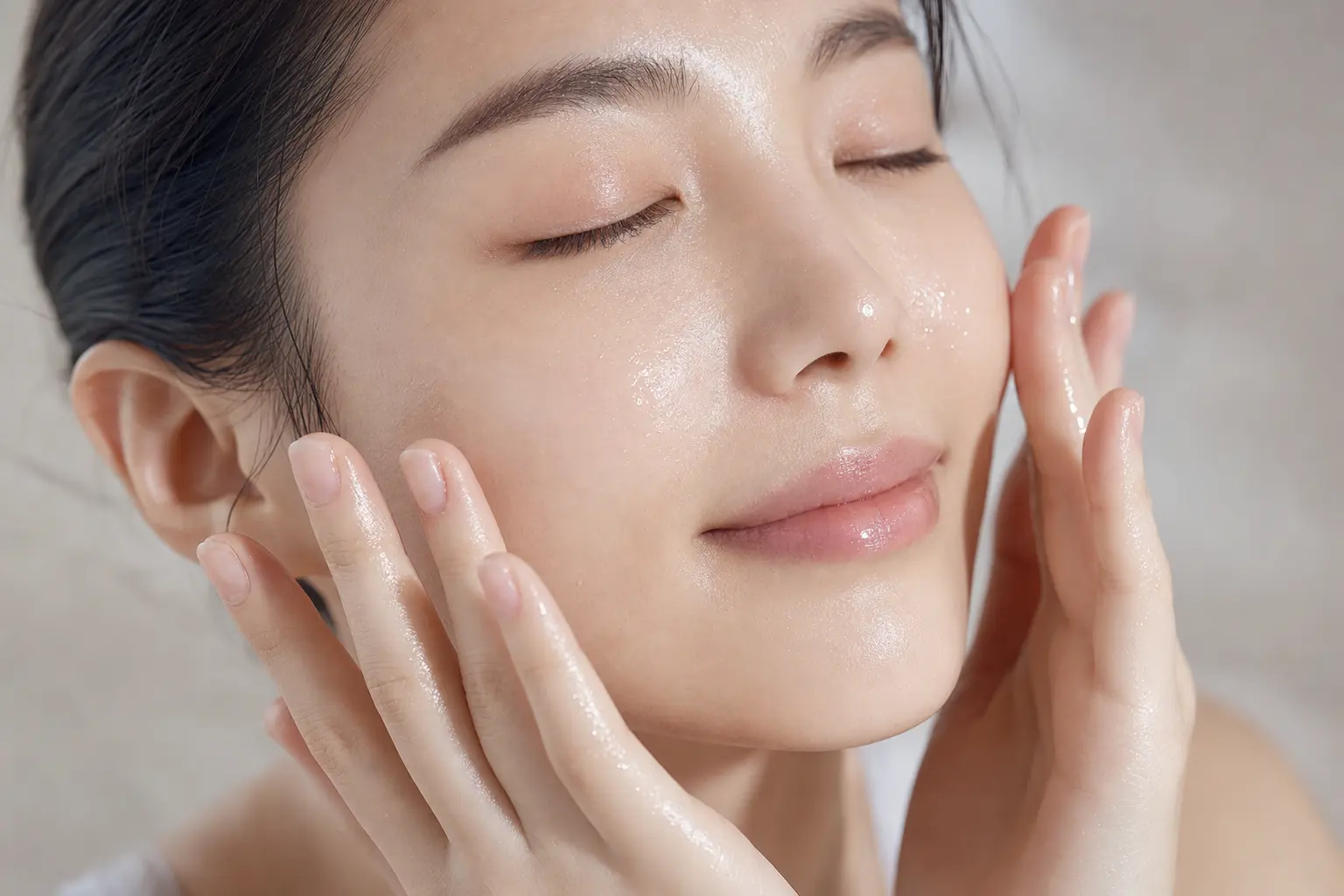
Hydration gives instant surface reflectivity: humectants such as low‑ and high‑molecular-weight hyaluronic acid attract and hold water, smoothing fine texture and increasing light reflection. That’s why you’ll often notice a visible glow within minutes of application—especially if you pat the product into damp skin. But while surface dew shows instantly, ingredient-driven brightening (for example, niacinamide or fermented extracts) takes weeks to change pigment and texture.
- Placement in routine: After toner (or toner pad), then essence, then serums/ampoules, then moisturizer and sunscreen in AM.
- Daily frequency: Most essences are safe AM and PM. Use twice a day for best results unless the formula has a potent active you’re phasing in.
- Immediate vs long-term: Hydration = instant glow. Actives = gradual improvement over 4–12 weeks.
If you want a quick primer on toner formats and how they affect essence use, see our piece on Korean Toner Pads vs Liquid Toner for practical differences.
Ingredients that actually brighten and boost glow (what to pick and why)
When shopping for a glowing complexion, prioritize ingredients with clinical evidence or strong formulation logic. Among the most useful are niacinamide, fermented/postbiotic extracts (galactomyces/bifida), humectants like hyaluronic acid, and repair actives like ceramides and snail mucin. Each does a distinct job, so the smartest formulas combine two or three.
Niacinamide—well supported by clinical trials—improves tone and reduces pigment transfer between cells; expect measurable brightening in weeks with consistent use [4]. It’s versatile and plays well with most actives at 2–5% concentrations. If your essence lists niacinamide high in the INCI, it’s a strong signal for pigment-targeted formulations.
Fermented/postbiotic extracts—think galactomyces or bifida ferment lysate—are used for barrier support and antioxidant activity. Recent literature shows that fermented ingredients can modulate barrier genes and reduce inflammation versus their non‑fermented counterparts, which helps skin look smoother and more radiant over time [3]. These are often the reason heritage Korean essences produce a “glow” story.
Humectants and repairers
- Hyaluronic acids (multiple molecular weights) give immediate plumping and smoother surface optics; great for visible dew.
- Snail mucin—rich in glycoproteins—supports repair and improves texture; look for a high percentage for meaningful effect.
- Ceramides add barrier repair; when paired with postbiotics they form a “barrier-first” essence ideal for sensitive or winter skin.
Read labels: a formula that lists a ferment or niacinamide near the top followed by multiple humectants is an evidence-forward essence for glow. Avoid products that advertise florals and scents above functional ingredients if you’re sensitive or acne-prone.
Research reference: fermented/postbiotic benefits and mechanism summaries are supported in recent reviews [3], and niacinamide’s brightening evidence appears in multiple clinical reviews [4].
How to apply an essence the right way: exact drops, timing, and techniques
Application technique changes everything. If you pour a watery essence into your hands and wipe it off, you’ll waste product and reduce effect. Use these steps and you’ll get more glow from less product.
Step-by-step, measured
- Cleanse: Double-cleanse at night if you wear makeup or sunscreen; at minimum use an oil or balm first, then a low-irritant foaming cleanser.
- Toner/Prep: Apply a hydrating toner or leave-on pad to balance pH and add initial moisture. This makes the skin slightly damp—ideal for essence absorption. (See our piece comparing pads and liquid toners for specific choices: Korean Toner Pads vs Liquid Toner.)
- Essence: Dispense 3–5 drops (or a nickel-sized splash if you’re using a viscous formula) into your palm. If the bottle is large-drop, 2 pumps; if it’s splash-top, 3–4 drops. Cup your hands, warm the product, then pat into the face starting from the center outward. Don’t rub—patting increases absorption and stimulates microcirculation.
- Layering: Wait 10–20 seconds between essence and serum. The skin should feel hydrated but not tacky. Apply serums/ampoules next, then moisturizer. In the AM finish with a sunscreen from our protective picks.
Technique notes: applying essence to damp skin multiplies hydration because humectants draw in water already present on the surface. If your skin is dry or flaky, do two light layers: pat one thin layer, wait 30 seconds, then pat a second thin layer.
Palms vs cotton: Use palms. Cotton strips product and can carry fibers into the skin. Palm patting gives better absorption and saves product. For a quick masking method, saturate a sheet mask or cotton pad with essence and leave on cheeks for 5–10 minutes for an instant radiance boost.
AM/PM: Most essences are fine both morning and night. If your essence contains a high concentration of an actives like niacinamide or a low pH ferment, start with once daily at night and build to twice as tolerated.
How to pick the right essence for your skin type (comparison table inside)
Match the essence texture and active profile to your skin. A single product rarely serves everyone well. Below is a concise comparison so you can choose quickly without sifting through every marketing claim.
| Skin type / concern | Key actives to look for | Texture & frequency |
|---|---|---|
| Dry / flaky | Hyaluronic (varied MW), ceramides, snail mucin | Rich, slightly viscous; AM+PM, or double-layer in PM |
| Oily / acne-prone | Light ferment extracts, niacinamide, lower weight humectants | Thin, watery; AM+PM or once daily if introducing niacinamide |
| Sensitive / reactive | Postbiotics (bifida), ceramides, low fragrance | Gentle watery-gel; PM repair focus, AM if tolerated |
| Dull / hyperpigmented | Niacinamide, fermented extracts, antioxidants | Watery to light serum; AM+PM, pair with sunscreen in AM |
How to read labels quickly: ingredients are listed by concentration early to late. If niacinamide or a ferment is in the top five, the formula is likely to deliver meaningful brightening or barrier benefits. If fragrance, botanical extract, or alcohol dominate the top of the list, that’s a red flag for sensitive skin.
Practical tip: if you’re unsure, pick a postbiotic + ceramide essence for the gentlest path to glow—this follows the 2025–2026 trend toward barrier-first formulations that emphasize repair over harsh exfoliation.
When you’re ready to shop, our curated selection is in the Serums & Essences category, where you can filter by texture and key ingredients.
Seasonal tweaks and 2025–2026 K‑beauty trends you should know
Korean skincare is seasonal by design. The essence you love in July will not perform the same way in December. From 2025 into 2026 the clear shift has been toward postbiotic and barrier-first essences—formulations that pair a stable postbiotic with ceramides and humectants instead of relying solely on exfoliating acids [atypical.beauty].
Summer (warm/humid): lean, water-based essences win. They hydrate without adding occlusion and sit comfortably under sunscreen and lightweight makeup. Look for multiple molecular weights of hyaluronic acid and fermented extracts for antioxidant support. Avoid thick, oilier textures that can trap sweat and increase shine.
Winter (cold/dry): switch to richer essences or ampoules with higher concentrations of snail mucin, ceramides, and occlusive humectants. A viscous essence applied in two thin layers before cream will lock moisture through the night. If you have barrier damage, favor a postbiotic + ceramide formula to rebuild without irritation.
Why postbiotics are winning
Brands are moving to stable postbiotic extracts rather than live probiotics because postbiotics are shelf-stable and show consistent biochemical activity in formulations. These can help reduce inflammation and support barrier gene expression without the storage headaches of live strains [3]. For daily glow, a postbiotic essence that also includes humectants gives the best blend of immediate dew and long-term resilience.
Tip for the Seoul shopper: seasonal launches often appear in late summer (for fall repair) and early winter (holiday collections). If you want a routine that lasts across seasonal swings, keep one watery essence for AM use and one repair-focused essence or ampoule for PM use in autumn/winter.
Explore related protective steps in our sunscreen guide to pair with brightening essences: Best Korean Sunscreen No White Cast: A 2026 K‑Beauty Guide.
Common mistakes that ruin results (and how to fix them fast)
Essences can help or hinder depending on how you layer them. These are common—but avoidable—mistakes readers make and precise fixes for each.
- Mistake: using the wrong texture — people with oily skin using thick, viscous essences complain of breakouts. Fix: switch to a watery ferment + niacinamide formula and use only 2–3 drops per application.
- Mistake: applying to dry skin — humectants pull water from deeper skin when surface moisture is low, which can feel tight. Fix: always apply to slightly damp skin (pat toner into skin first) so humectants draw on surface moisture, not your tissues.
- Mistake: assuming more is better — slathering an essence won’t accelerate ingredient action and can destabilize later layering. Fix: use measured doses (3–5 drops) and allow 10–20 seconds between layers.
- Mistake: mixing incompatible actives — some people combine high-dose vitamin C with ferment-rich essences and get irritation. Fix: introduce strong actives slowly; alternate morning and evening use of potent brighteners, and patch-test any new combination for 72 hours.
- Mistake: chasing instant results — dehydration gives quick dew; brightening takes weeks. Fix: treat the essence as both immediate cosmetic and long-term active. Track pigment and texture every 4 weeks, not daily.
Patch testing: always test at least a pea-sized amount on the inside forearm or behind the ear for 48–72 hours. If you see persistent redness or stinging, the product is not suitable for continued use. For acne-prone skin, pick fragrance-free and low alcohol formulations and prioritize postbiotics for barrier strength.
Final quick fix: if your skin puffs up or feels inflamed after introducing a new essence, stop it for 7–10 days and switch to a simple ceramide-containing moisturizer to calm the barrier before reintroducing slowly.
Three practical product picks (types we carry) and why each works
We curate essences on two practical axes: formula purpose (brighten, hydrate, repair) and texture (watery, light serum, viscous). Below are three archetypes EmpressKorea stocks, each designed for a predictable use case. These are our recommended starting points; you can filter by ingredient using the Serums & Essences collection to find exact matches.
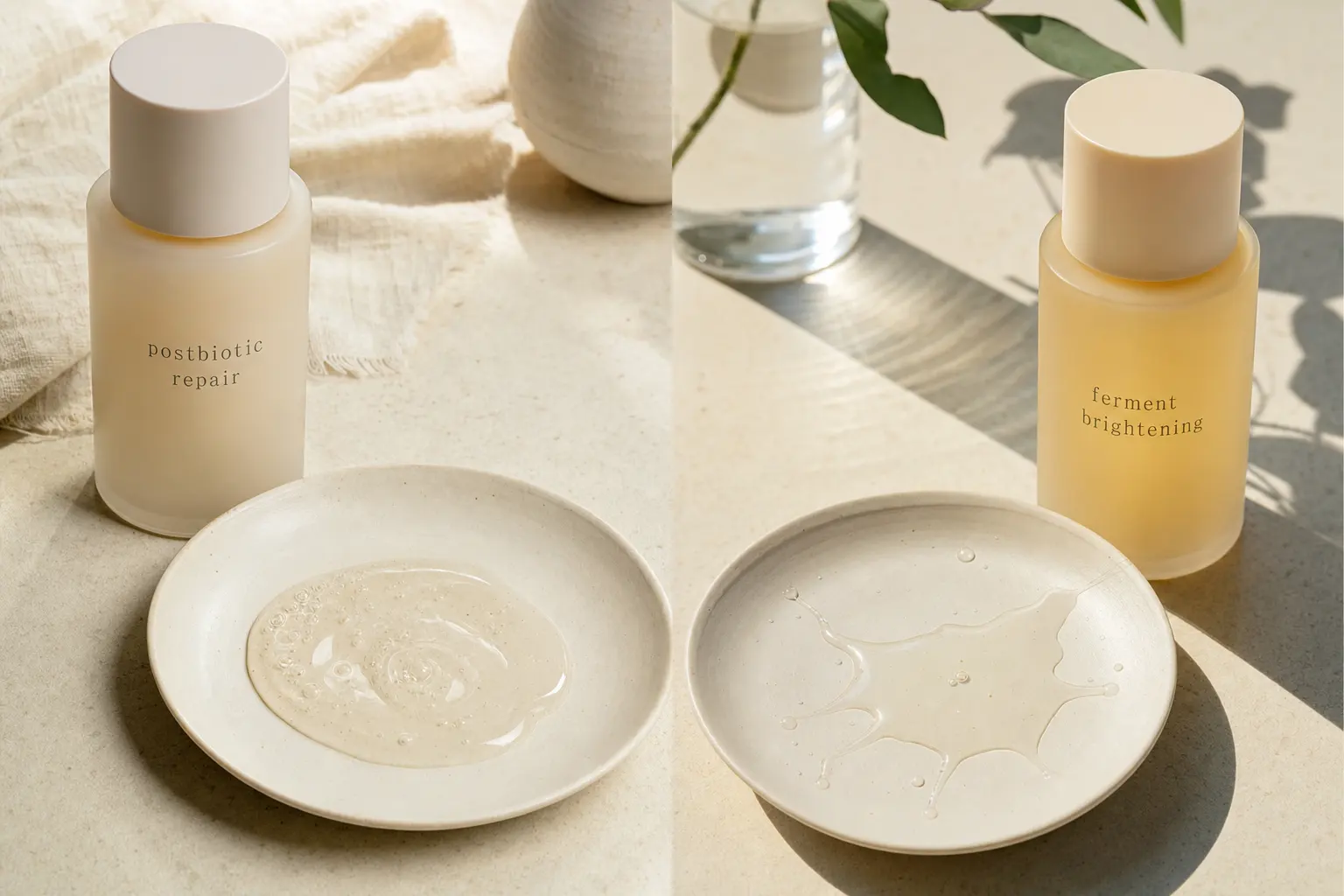
1) The fermented brightening essence — purpose: steady tone improvement with glow. Look for galactomyces or bifida high on the INCI and niacinamide in the 2–5% range. Texture: watery, absorbs in under 20 seconds. Use: AM+PM; pat 3–4 drops on damp skin. This type supports antioxidant activity and gradual radiance.
2) The humectant-first dewy essence — purpose: immediate dew plus moisture layering. Key ingredients: multi-MW hyaluronic acids and medium-to-high percent humectant base, often fragrance-free. Texture: very lightweight watery gel. Use: AM for makeup prep and PM when skin needs plumping.
3) The barrier repair postbiotic essence — purpose: reduce redness, support barrier genes, long-term resilience. Look for bifida ferment lysate or proprietary postbiotic blends paired with ceramides and minimal fragrance. Texture: slightly viscous but still lighter than a cream. Use: nightly for sensitive or winter-weary skin; can double as a 5–10 minute leave-on essence mask on dry days.
Shopping tip: if you’re building a routine from scratch, buy the repair postbiotic essence first. It stabilizes the barrier so brightening actives will be better tolerated and more effective.
For a broader selection, browse the full Skin Care category and filter by texture and active ingredients.
A 30-day plan to build visible glow: exact steps and measurements
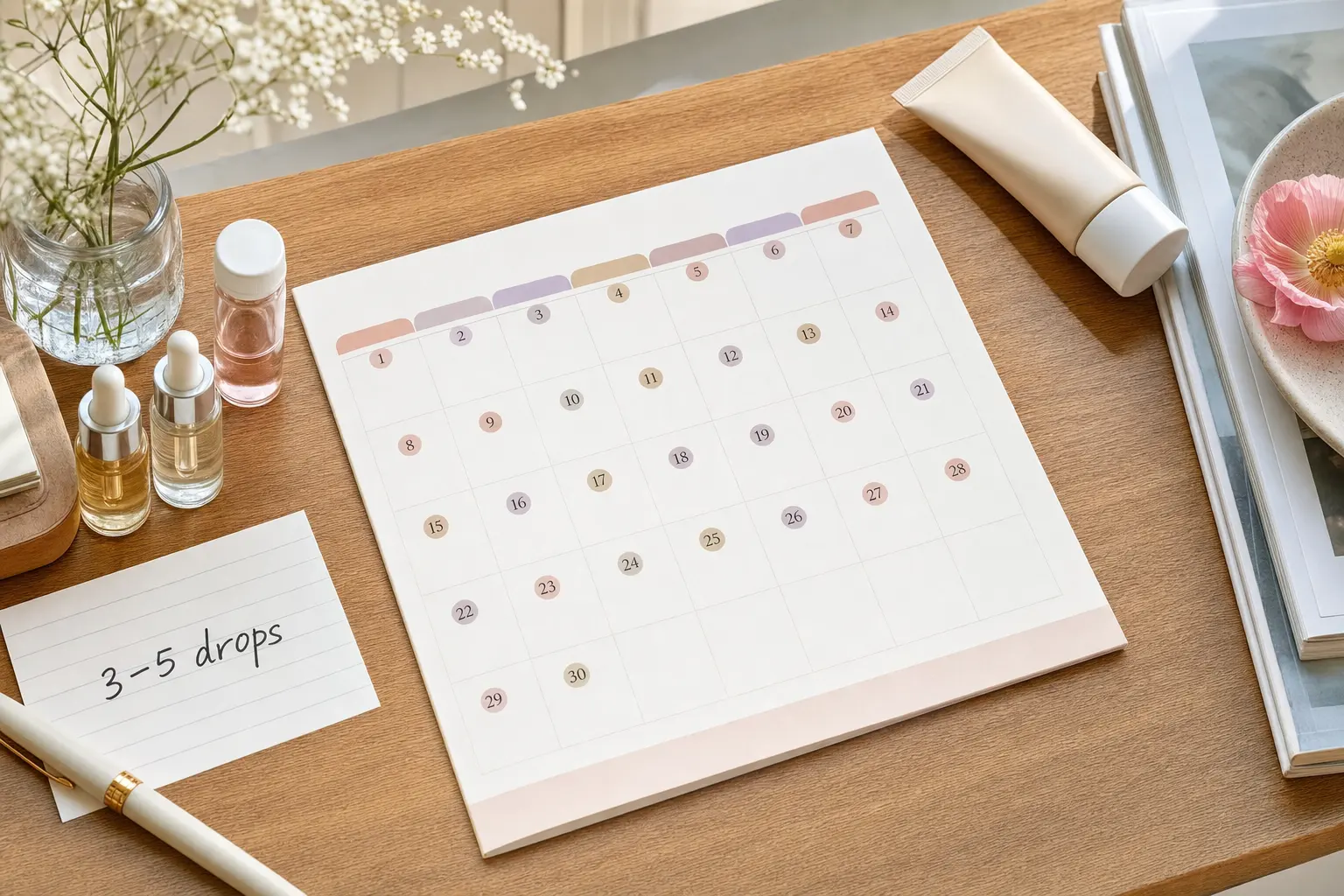
This 30-day plan blends immediate optics with ingredient-driven improvement. It assumes you have a basic cleanser and moisturizer; add an SPF every morning. Follow these steps precisely to track real change without guessing.
Week 1 — foundation and hydration
- AM: Cleanse gently, tone to slightly dampen skin, apply 3 drops of a watery humectant essence, pat, follow with a light hydrating serum and your daytime moisturizer + SPF.
- PM: Double cleanse if wearing makeup; tone, apply 4 drops of the humectant essence, then a lightweight moisturizer. Skip active serums this week if your skin is sensitive—establish hydration first.
Week 2 — introduce brightening (if your skin tolerated Week 1)
- AM: Same as Week 1, but if your essence contains niacinamide continue it AM+PM. Add SPF without fail.
- PM: Apply the fermented brightening essence (3–4 drops) after toner. If you experience redness, pause and return to the humectant essence for recovery.
Week 3 — stabilize and repair
- AM: Humectant or brightening essence depending on tolerance; sunscreen.
- PM: Swap to the postbiotic + ceramide essence every other night for barrier reinforcement. On alternate nights use the brightening essence.
Week 4 — evaluate and refine
- Check progress: take front-on photos in natural light. Look for reduced blotchiness and smoother texture rather than expecting a major fade in dark spots yet.
- If you’ve seen irritation, keep to the repair essence for another 2 weeks and avoid layering acids. If you tolerate both, continue AM brightening + PM repair for maintenance.
Notes: measured doses (3–5 drops) are essential. If using additional active serums (vitamin C, retinoids), alternate them with actives in your essences and always pair brightening actives with daily SPF.
Frequently Asked Questions
What is the difference between toner, essence, and serum?
Toner primarily balances pH and adds a first layer of hydration; it can be watery or a thicker pad. An essence is a lightweight conditioning step that boosts hydration and preps skin for actives. Serums are concentrated treatments targeting specific concerns (pigment, lines, acne) and usually have thicker textures and higher active concentrations. Apply toner, then essence, then serums.
Does an essence make skin glow immediately or only with long-term use?
Both. Humectants in essences provide immediate surface plumpness and a dewy look within minutes. Ingredient-driven brightening—niacinamide, ferments, postbiotics—takes consistent use over 4–12 weeks to change pigment and texture. Treat the essence as an instant cosmetic plus a long-term treatment.
Which ingredients in an essence actually brighten skin?
Niacinamide has the strongest clinical support for reducing pigment transfer and evening tone. Fermented or postbiotic extracts (galactomyces, bifida) support barrier and antioxidant activity, which indirectly improves radiance. Antioxidants and gentle exfoliants can help too, but niacinamide and stable fermented extracts are the core brighteners in modern essences.
How and when should you apply an essence—palms or cotton, AM or PM?
Use your palms and pat the product into slightly damp skin to maximize absorption. Apply after cleansing and toner, before serums and moisturizers. Most essences are safe both AM and PM; if the formula contains potent actives introduce it slowly and consider nightly application first.
Are fermented/postbiotic essences safe for sensitive or acne-prone skin?
Postbiotics and stabilized fermented extracts are generally safe and can reduce inflammation, but formulas vary. Choose fragrance-free, ceramide-containing formulas for sensitive skin and patch-test for 72 hours. For acne-prone skin, prefer watery ferments and niacinamide rather than heavy, occlusive textures.