If you’re curious how K-beauty turned haircare into a ritual, a modern korean hair care routine starts with the scalp. This guide walks you through scalp-first philosophy, daily steps, weekly treatments, and ingredient know-how so you can adapt Korean techniques to your hair type.
Think of your scalp as skin: cleansing, balancing, targeted treatments, and gentle hydration. Read on for a step-by-step routine, troubleshooting tips, and season-by-season adjustments that reflect 2025–2026 trends toward skinified, longevity-focused haircare.
Why a Scalp-First Approach Defines the Korean Hair Care Routine
The biggest shift in Korean hair trends over the last few years is the move to a scalp-first approach. Instead of treating hair issues as surface problems, Korean haircare increasingly treats the scalp like the foundation of healthy hair: clean, balanced, and supported with targeted actives. Industry reporting shows scalp-focused products—scalp serums, pre-shampoo oils and tonics—are now a major driver of new formats and launches [1].
Treating the scalp first does three practical things: it removes follicle-clogging sebum and buildup, creates a healthier base for stronger hair growth, and helps reduce irritation that can accelerate breakage. Products developed under this mindset often borrow ingredients and technologies from skin care—a trend called “skinification” or hairceuticals. Expect ingredients like niacinamide, peptides, hyaluronic acid, ceramides and PDRN to appear in scalp-targeted formulas [1].
How this changes your routine: instead of starting with a cosmetic shampoo for shine, you start with a clarifying or low-pH cleanser that respects the scalp barrier, then layer treatments that address sebum control, hydration, and micro-exfoliation where needed. This approach is also supported by market momentum—Korean scalp and haircare exports hit record levels in 2025, reflecting international interest in these products and methods [3].
Quick science-light takeaways
- Scalp balance matters for hair tensile strength and reduced breakage.
- Skin-inspired actives are now common in haircare formulations.
- Formats include serums, tonics, pre-shampoo oils and low-pH shampoos for scalp health.
Practically, a scalp-first routine prevents common mistakes like masking buildup with heavy conditioners or overusing styling products without any scalp maintenance. In later sections you’ll get a step-by-step routine and ingredient guide to make the scalp-first shift simple and effective.
Daily Step-by-Step Korean Hair Care Routine (Morning & Evening)
Building a practical daily korean hair care routine means splitting actions into core steps you can repeat without hassle. Think: cleanse, treat, hydrate, and protect. Below is a flexible routine you can adapt for mornings and evenings depending on styling and scalp needs.
Morning (or styling day)
- Light rinse or scalp mist (optional): If you slept oily or sweated, a gentle water rinse or a leave-on scalp mist refreshes without a full wash.
- Pre-styling leave-in: Apply a lightweight leave-in essence or thermal protectant to damp hair, concentrating on mid-lengths and ends.
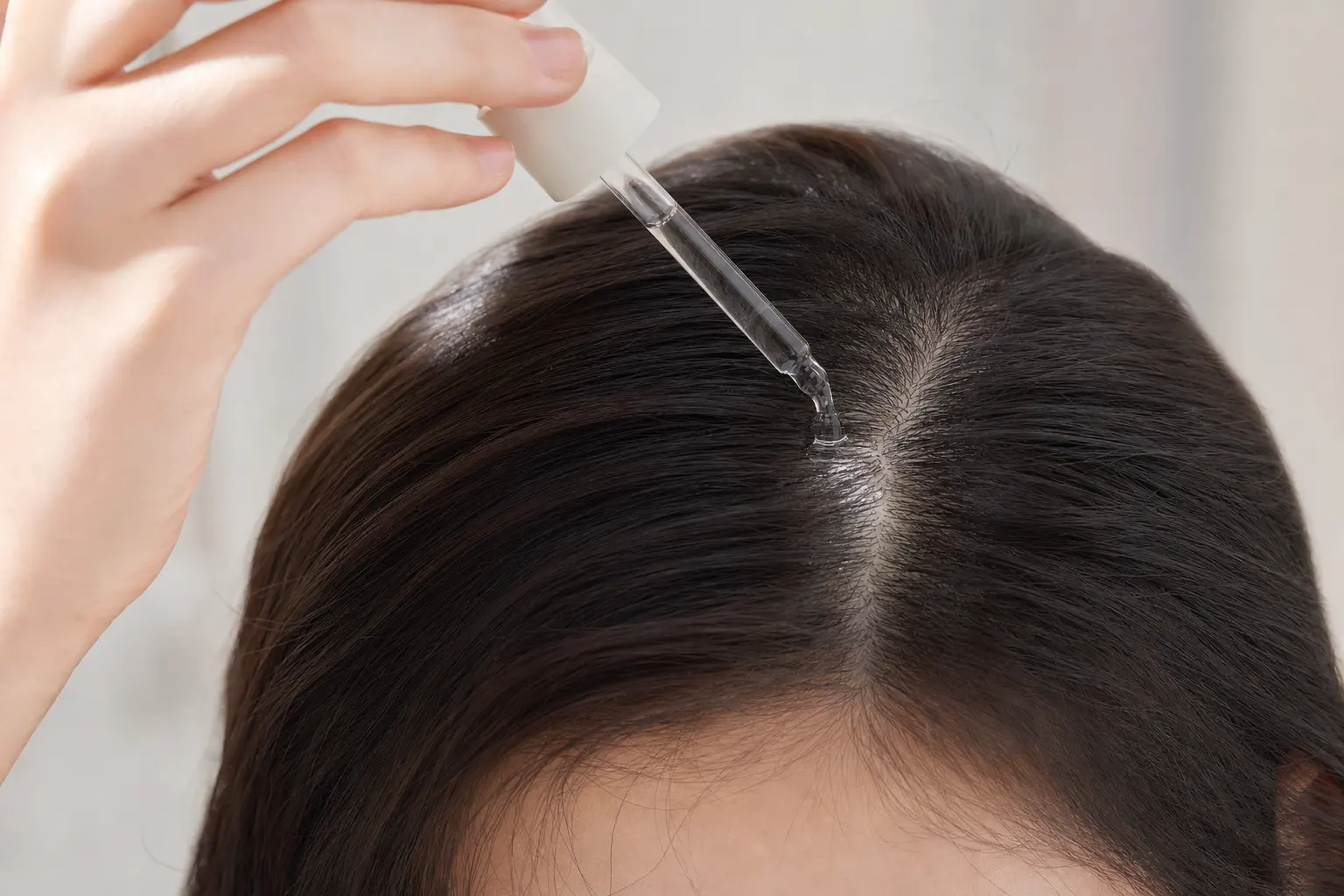
- Scalp serum (leave-in): For daily scalp maintenance, apply a small amount of a lightweight scalp tonic to the central scalp where oil or dryness shows; massage gently to boost circulation.
- Style with heat protection and low-heat settings whenever possible.
Evening (wash day or heavier treatment)
- Pre-shampoo if needed: Use an oil or scalp pre-cleanse on heavy product days or when sebum feels excess; leave on 10–20 minutes.
- Double cleanse shampoo: Start with a low-pH or clarifying shampoo focused on the scalp; follow with a gentle hydrating shampoo if your lengths need extra care.
- Conditioner / rinse-out mask: Apply conditioner from mid-length to ends; avoid heavy conditioners at the roots unless your scalp is dry.
- Leave-in or overnight treatment: If hair is stressed or porous, use a lightweight leave-in essence. For scalp concerns, finish with a topical scalp serum.
Pro tips: when choosing a daily shampoo, aim for formulations that manage sebum without stripping—this preserves scalp barrier lipids. On higher-activity days (gym, long commutes), a midday dry-shampoo alternative or light rinse is a scalp-friendly fix.
The featured scalp-focused shampoo is an example of a product built for this approach: it targets oily or sensitive scalps with sebum control and clinically-endorsed actives, pairing well with the step-by-step routine above. Use scalp serums and tonics after towel-drying to maximize absorption and avoid dilution.
Weekly Rituals: Scalp Scrubs, Masks and Pre-Shampoo Oils
Once you have core daily steps, add weekly rituals to prevent buildup, deeply hydrate, and address targeted concerns. Korean routines emphasize scheduled treatments—scalp focus once or twice a week, plus a hydrating mask for lengths. These rituals help reset the scalp barrier and replenish hair without daily heavy layers.
Scalp scrub or exfoliation: Use a chemical exfoliant (salicylic acid-based) or a gentle physical scalp scrub 1–2 times a week if you have oily buildup, dandruff-prone scalp, or frequent product use. Salicylic acid helps dissolve sebum and flakes; combine with a low-pH rinse to restore balance. Avoid over-exfoliating—limit to twice weekly and stop if irritation occurs.
Pre-shampoo oil treatments: On dryer scalps or when your hair needs deep nourishment, apply a plant-based oil (camellia, or nutrient-rich oils favored in Korean care) as a pre-shampoo treatment. Leave on 10–30 minutes, then follow with your scalp-focused shampoo. This technique protects color and reduces protein loss during washing.
Hydrating masks and deep conditioning
Use a rinse-out mask or deep conditioner on lengths once a week or every other week, depending on damage level. Korean masking often uses hyaluronic acid blends, fermented extracts for permeability, and ceramides for cuticle repair. Apply masks from mid-shaft to ends, detangle gently with a wide-tooth comb, and rinse with cool water to seal cuticles.
Balancing frequency: oily, congested scalps benefit from weekly exfoliation and lighter masks; dry or chemically processed hair benefits from more pre-shampoo oil and less frequent harsh clarifying. Track how your hair responds over four weeks and then lock in a cadence that keeps oil in check without overdrying the strand or scalp barrier.
Key Ingredients in a Korean Hair Care Routine (What to Seek and When)
Understanding ingredients makes it easier to shop and build a routine that actually works. Korean haircare borrows heavily from skincare, so many actives are familiar. Here are the high-impact categories and practical notes on how and when to use them.
Core actives to look for
- Niacinamide: Balances sebum, supports barrier function and may reduce scalp inflammation when formulated for the scalp.
- Peptides: Promote scalp resilience and are commonly used in hair-strengthening serums and treatments.
- Hyaluronic acid: Lightweight hydration for scalp and lengths that helps improve moisture retention without greasiness.
- Salicylic acid: A BHA that exfoliates scalp buildup, best for oily or flaky scalps.
- Ceramides: Repair hair cuticle and scalp barrier, useful in conditioners and masks.
- PDRN and fermented extracts: Often used for scalp regeneration and improving skin-like resilience; these are part of the hairceutical trend.
Oils and botanicals: Camellia oil and other lightweight oils are traditional in Korean haircare for nourishment and shine. Newer interest in batana and other nutrient-rich oils reflects consumer demand for nourishing options [2].
Ingredients to be cautious with
- Harsh sulfates: Strong surfactants can strip natural oils and damage color-treated hair; low-pH or mild sulfates are preferable for frequent washers.
- High denatured alcohols: These can dry strands and irritate sensitive scalps when used at high concentrations.
- Overly heavy silicones or occlusives at the root: Can cause buildup on the scalp; reserve heavy serums for lengths.
How to mix actives: Use exfoliating acids and retinoid-like scalp actives at different times than strong peptide serums if irritation occurs. For most people, niacinamide and hyaluronic acid combine well. Always patch-test new scalp actives and introduce one new product at a time over two-week intervals to monitor response.
Customize Your Routine by Scalp Type: Oily, Dry, Sensitive, Thinning
One of the strengths of Korean beauty is personalization. A korean hair care routine becomes truly effective when you tailor frequency and product textures to your scalp type. Below are practical plans for four common scalp profiles—with product focus areas and weekly cadence suggestions.
Oily or combination scalp
Goals: control sebum, prevent follicle congestion, avoid heavy occlusives at roots. Use a low-pH or sebum-regulating shampoo 2–3 times weekly if possible; scalp exfoliation with salicylic acid once a week helps. Lightweight scalp serums with niacinamide or balancing peptides are ideal. Avoid heavy oils at the roots—apply nourishing oils pre-shampoo only to lengths.
Dry or flaky scalp
Goals: restore moisture, strengthen barrier, soothe irritation. Use hydrating shampoos with hyaluronic acid or ceramides and limit clarifying washes. Incorporate pre-shampoo oils 1–2 times weekly and a leave-on scalp serum with hydrating actives. Avoid frequent hot water washing which strips lipids.
Sensitive or reactive scalp
Goals: reduce inflammation, simplify routine, patch-test. Stick to fragrance-free gentle cleansers, omit physical scrubs until tolerance is confirmed, and introduce peptides or low-dose niacinamide for barrier support. If irritation flares, reduce active frequency to once every 7–10 days.
Thinning or density concerns
Goals: reduce breakage, support follicle health, stimulate circulation. Use scalp serums containing peptides or actives aimed at improving tensile strength; include a clarifying step to remove buildup that can suffocate follicles. Gentle scalp massage during serum application increases blood flow and absorption—aim 2–3 minutes per session.
General tips across types: always apply heavy conditioners and masks to mid-lengths and ends, rinse thoroughly to avoid residue, and test new actives one at a time. Tracking changes across 6–8 weeks gives a clearer picture of what’s working for your scalp type.
Styling, Heat Protection and Color Care in a Korean Hair Care Routine
Korean styling trends blend refined, glossy finishes with hair health. The best routines protect hair from thermal and chemical damage while keeping styling lightweight and long-lasting. The key is to pair protective products with smarter styling habits.
Thermal protection and styling order
Always apply a thermal protectant to damp hair before any heat tool. Use lower temperature settings and let hair air-dry partly before using a straightener or curler. When using multiple tools, layer protection: a heat-protect leave-in plus a light styling oil for ends helps reduce cumulative heat damage.
Color-treated and chemically processed hair
Color and chemical services change porosity and make hair more vulnerable. Choose sulfate-free, low-pH shampoos and conditioning treatments rich in ceramides and protein-building peptides. Avoid daily clarifying shampoos; instead use them strategically when product buildup occurs.
Double-conditioning and leave-in essences
Double-conditioning is a popular Korean technique: a lightweight conditioner immediately after shampoo to detangle, then a richer mask or rinse-out conditioner on the lengths. Finish with a leave-in essence to seal moisture and enhance shine. These essences are usually lightweight, absorb quickly, and can contain hyaluronic acid or botanical extracts.
Styling textures: choose water-based gels or creams when humidity is high, and lighter serums or hair essences for dry climates. If you rely on styling products daily, schedule a clarifying and scalp detox every 7–10 days to avoid buildup that reduces style longevity and can irritate the scalp.
Common Mistakes and Troubleshooting a Korean Hair Care Routine
Even the best routines can go wrong if the fundamentals are ignored. Here are the common mistakes people make when adopting Korean haircare habits, and how to fix them quickly without tossing your whole routine.
Mistake: Over-cleansing or over-exfoliating
Fix: If your scalp feels tight, itchy, or hair becomes frizzy after switching to a scalp-first routine, reduce clarifying steps and increase hydrating treatments. Swap daily clarifying shampoos for a gentler low-pH formula and limit exfoliation to once per week. Reintroduce hydrating serums or ceramide-rich products to repair the barrier.
Mistake: Applying heavy products at the root
Fix: Move heavy creams and oils to mid-lengths and ends. Use lightweight formulations at the scalp with actives like niacinamide or peptides. If buildup appears, follow with a single clarifying cleanse and a weekly scalp scrub to reset.
Mistake: Layering too many active treatments at once
Fix: Introduce one new active at a time and monitor for two weeks. If irritation occurs, pause exfoliants and simplify to a soothing serum and a hydrating mask. When combining actives, prefer complementary pairings like hyaluronic acid plus niacinamide rather than mixing multiple exfoliants.
Mistake: Ignoring seasonal shifts
Fix: Adjust frequency of washing and masking with weather—humid summers may need more clarifying and lighter leave-ins; cold, dry winters benefit from richer oils and weekly masks. Traveling across climates? Pack a travel-size scalp serum and a versatile leave-in to bridge transitions.
Troubleshooting approach: test methodically—change one variable at a time (product, frequency, or technique) and give it 4–8 weeks to show results. For persistent scalp issues like severe dermatitis or consistent inflammation, seek a dermatologist recommendation rather than self-treating indefinitely.
Shopping, Travel and Seasonal Tips to Keep Your Korean Hair Care Routine Working
Korean haircare’s global expansion means more product choices, but smart shopping and seasonal planning keep your routine consistent and effective. Whether you travel often or adapt your routine to humid summers and dry winters, a few practical rules will make your rituals portable and predictable.
Shopping smart
Start with a core set: a scalp-focused cleanser, a hydrating conditioner or mask, a leave-in essence, and a scalp serum. When adding specialty items, read ingredient lists: prefer clarifying acids only when you need them, and choose lightweight serums with peptides or niacinamide for daily use. The market shows increasing availability of scalp-targeted formats—tonics, serums, and pre-shampoo oils—so prioritize formats that suit your routine rather than chasing every new launch [1][3].
Travel and packable routines
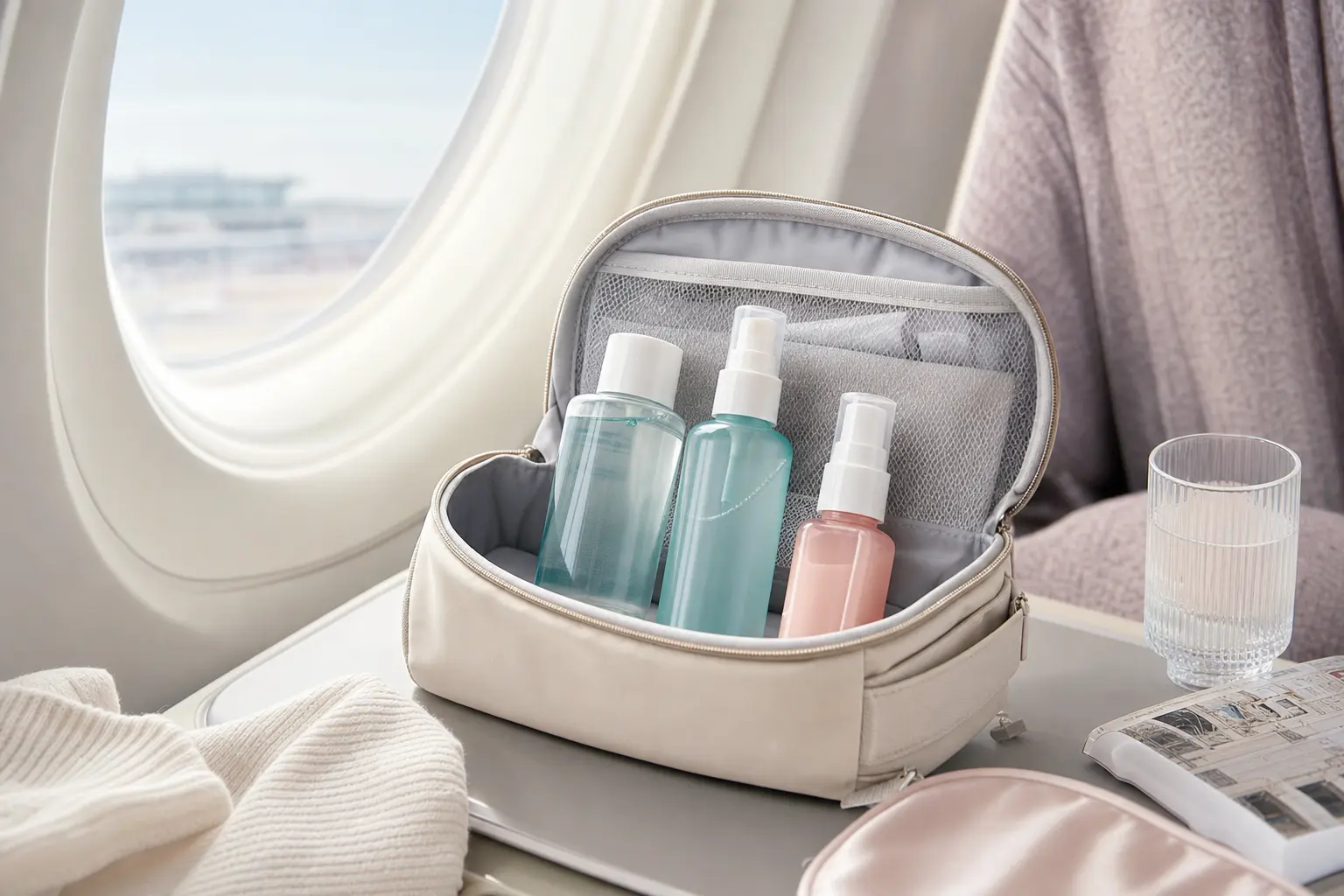
For travel, bring a small clarifying shampoo and a leave-in essence; pre-shampoo oils can be decanted into travel bottles. Airport climate changes and hard water can affect hair—use a leave-in with humectants to protect against dryness and a lightweight oil for ends to avoid frizz. If local water is very hard, consider a small chelator or a clarifying rinse after several days in a new place.
Seasonal adjustments
In humid months, shift to lighter stylers, more frequent clarifying, and water-based leave-ins. In dry seasons, increase occlusive protection on ends with richer masks and pre-shampoo oils, and reduce exfoliation frequency. Korean brands and product development have shown seasonally targeted launches in recent years to match consumer demand peaks and travel cycles [4].
Final shopping tip: when trying new scalp actives, buy travel-sized or sample sizes where possible so you can test reactions without committing to a full bottle. A disciplined, adaptable approach makes the scalp-first korean hair care routine manageable across climates and lifestyles.
Frequently Asked Questions
What exactly is a scalp-first korean hair care routine and why is it different?
A scalp-first routine prioritizes cleansing and treating the scalp before focusing on hair lengths. It borrows skin-care principles—barrier support, targeted actives, and gentle exfoliation—to address sebum, sensitivity, and follicle health. This differs from traditional routines that only focus on shine or damage to hair shafts, because a healthier scalp supports stronger, longer-lasting hair improvements.
How often should I use scalp treatments and exfoliants?
Frequency depends on scalp type. For oily or congested scalps, a light exfoliation (salicylic acid or a gentle physical scrub) once weekly helps manage buildup. Dry or sensitive scalps should limit exfoliation to once every 10–14 days and focus on hydration with ceramides and hyaluronic acid. Always adjust based on how your scalp responds and avoid overlapping multiple strong actives at once.
Are niacinamide and peptides safe for the scalp, and what do they do?
Niacinamide and peptides are commonly used in scalp products to help regulate sebum, support barrier function, and strengthen hair at the root area. They are generally well tolerated, but introduce them gradually and patch-test first—especially if you have a reactive or sensitive scalp. These ingredients are part of the hairceutical trend that brings skin-care science into hair formulations.
Can I use Korean scalp products on color-treated or chemically processed hair?
Yes—but pick formulations designed for color-treated hair: look for low-pH or sulfate-free cleansers and avoid overly stripping clarifiers. Pre-shampoo oils and conditioning masks help protect and restore damaged cuticles. If in doubt, use clarifying steps sparingly and prioritize hydrating and protein-repairing treatments to maintain color vibrancy and strand integrity.
How soon will I see results after switching to a scalp-first routine?
Initial changes like reduced oiliness or less visible buildup can appear within 1–3 weeks. Meaningful improvements in hair strength, reduced breakage, or changes in density typically take 6–12 weeks, because hair growth and follicle responses are gradual. Track one variable at a time for several weeks to know what’s working for you.
Can I combine scalp serums with topical medications or prescription treatments?
While many over-the-counter scalp serums are compatible with topical prescriptions, you should consult your treating clinician before mixing products. Some actives can interact or increase irritation when combined with medicated treatments. If a clinician approves, introduce one topical product at a time and monitor for sensitivity.