
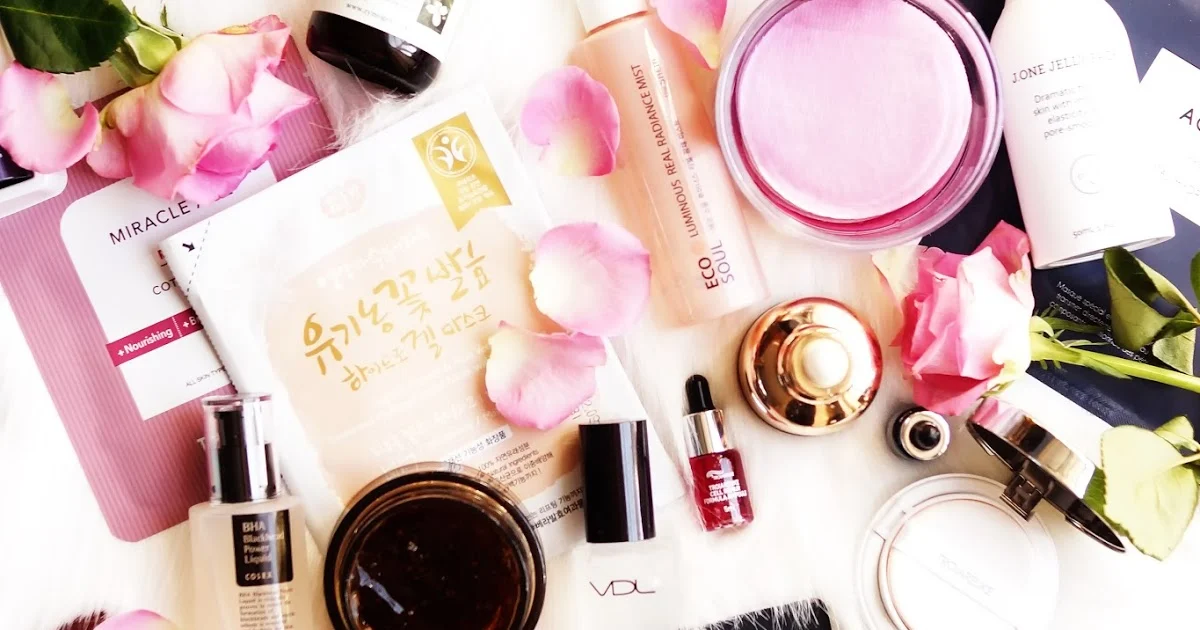
A polished K-pop stage complexion is built for a viewing condition: bright directional lights, distance, movement, high-resolution cameras and planned touch-ups. It should not be treated as a biological skin type or a standard that bare skin must meet. Makeup can redistribute color and reflection while pores, lines and texture remain present.
The former article described idols as having flawless porcelain skin, attributed Korean beauty to a universal ten-step culture and promised that botanicals, ferments and fine particles deeply repair skin. It also prescribed frequent exfoliation and many layers to everyone. This guide focuses on the controllable optics and safety of a stage-inspired look.
Glow is a reflection pattern
Research on facial gloss perception separates surface and subsurface reflection. The contrast and distribution of bright reflections strongly influence whether a face looks matte, glossy or greasy. This explains why the same base can appear luminous beside a window, flat under overhead light and oily under a direct flash.
Makeup does not need to make the entire face reflective. A more controlled result places brightness where facial planes naturally catch light and reduces random shine around the nostrils, center forehead and creases.
| Visual job | Makeup control | Common failure |
|---|---|---|
| Even color | Thin foundation or cushion layers | Mask-like buildup and shade mismatch |
| Reduce distracting shine | Targeted powder or matte setting film | Flat, dry-looking whole face |
| Create dimension | Small highlighter placements | Texture emphasized by broad sparkle |
| Survive movement | Compatible layers and planned touch-ups | Pilling, separation or repeated over-application |
| Photograph consistently | Test under the actual light and camera | Judging only in a bathroom mirror |
Stage makeup and daily makeup solve different problems
Stage distance can tolerate more color contrast, sharper eyes and stronger highlight than an arm’s-length daytime look. Heat and choreography increase sweat and facial movement. Broadcast lighting may wash out subtle color, while phone flash can exaggerate reflective powder and sunscreen cast.
Borrow the design logic rather than copying intensity. For school, work or daylight, reduce coverage, glitter and contour. For photography, test a complete look using the intended camera instead of assuming a mirror result will transfer.
Skin preparation should reduce variables
A long routine is not automatically better under makeup. Cleanse as needed, apply a moisturizer that suits the skin and allow each layer to settle. Excess oil, unabsorbed gel and incompatible silicones or film formers can cause pilling and sliding.
Dry flakes are not an order to exfoliate immediately before every event. Aggressive scrubs or acids can create redness and uneven adherence. If exfoliation is already tolerated, keep it within the established routine rather than adding it for a performance day.
Sunscreen remains a separate dose
A cushion with SPF can contribute protection, but foundation is usually applied for appearance rather than at a tested sunscreen dose. AAD recommends broad-spectrum, water-resistant SPF 30 or higher, enough product, application before outdoor exposure and reapplication every two hours or after swimming or sweating.
Let sunscreen set before base makeup. Do not reduce the initial sunscreen amount to avoid pilling; change the product pairing or application timing. For long outdoor filming, plan shade, hats and a practical reapplication method.
Correct color before adding coverage
Small amounts of peach, green or other corrector can reduce the contrast of discoloration before foundation. This may require less total base than trying to erase every variation with a thick layer. Correction is optical: it does not treat redness, pigmentation or under-eye anatomy.
Keep color corrector away from inflamed or broken skin and use only products intended for that facial area. U.S. color additives have specific approved uses; permission in one cosmetic area does not automatically extend to the eye area.
Shade match includes undertone and lighting
Match base makeup along the jaw in the light where the look will be seen. A shade that matches the center face can be too light for the neck. Undertone labels are starting points, not universal standards, and oxidation or dry-down may alter appearance.
“Brightening” should not mean making every face paler. A deliberate stage highlight can be lighter on selected planes while the foundation still respects the person’s skin depth and undertone.
Cushion application: press, map, then refine
Pick up a small amount, distribute it on the inner lid or palette, and press from the center of the face outward. Begin where coverage is most needed and leave the perimeter thinner. Fold the puff for the nose and under-eye boundary instead of repeatedly stamping a full face.
Allow a first layer to set before spot-building. Heavy cushion buildup at smile lines, nostrils and eyelids becomes more obvious with movement. A clean small brush or concealer can add precision without thickening every area.
Keep dimension after evening the base
Foundation reduces both unwanted discoloration and natural variation. Restore dimension with restrained blush, contour or bronzer appropriate to the look. Contour suggests shadow; highlighter suggests reflected light. Neither changes bone structure.
Blend edges under more than one light source. A stage-style cheek or nose shape that reads at a distance may look striped in daylight, so choose the finish for the actual audience.
Selective highlighter creates the “stage glow”
Use a balm or powder on high points that remain relatively smooth: upper cheekbone, selected brow or inner-eye area if the product is approved for it, and a restrained lip highlight. Broad placement across textured cheeks can amplify bumps because specular reflections increase contrast.
Test the product with foundation underneath. A sticky balm can lift a set base when rubbed; tap it on with a fingertip or small sponge. Fine pearl, visible glitter and wet-look balm produce different images at close range.
The boundary between glossy and greasy
Studies of facial gloss indicate that reflection amount, size and evenness affect classification. Uniform shine over broad central areas can read as oil, while discrete highlights aligned with facial planes read as intentional gloss. The boundary changes with illumination.
Blot first, then add product. Powdering directly over wet sweat creates paste and texture. Use a tissue or blotting sheet with a press-and-lift motion, then restore only the coverage or highlight that was lost.
Eye makeup needs its own safety rules
FDA advises clean hands and tools, no sharing, no makeup during movement, and stopping immediately if irritation occurs. Do not use a lip product near the eyes merely because its shade is attractive; color additives and contamination risks differ by intended area.
Glitter should be labeled for eye-area use. Avoid applying inside the eye or over an active infection. Discard eye cosmetics used during infection and replace mascara on an appropriate short schedule rather than reviving a dried tube with water or saliva.
Define the eyes for distance, not stereotypes
K-pop styling includes many eye shapes and concepts. There is no single “Korean” liner. Map the look to the person’s lid space, crease, lash direction and camera angle. A short lifted tail, tightline, shadow contour or bright lower accent each changes perceived shape differently.
Check both eyes open and relaxed. An exact mirror image is often less natural than balancing the visible result, because faces and eyelids are normally asymmetric.
Lips: separate color, shine and wear
A gradient lip concentrates color inward; a defined lip controls the boundary; gloss adds surface reflection. These are independent choices. Stain longevity can vary with balm, food, friction and pigment, so test the full combination.
Do not use a “plumping” sting as proof of healthy volume. Stop products that cause significant burning, swelling or blistering, and do not share direct-contact applicators.
Sweat control starts before setting spray
Use fewer emollient layers in high-sweat zones, keep hair products off the forehead and carry a clean blotting option. Sweat resistance is a finished-product claim; it cannot be inferred from a long-wear number or a viral clip.
For sensitive or acne-prone skin, rehearse the routine before the event. Heat, occlusion, friction and repeated touch-ups can cause problems even when each product is tolerated alone.
Setting spray changes finish, not physics
A setting mist can lay down film formers or powders that improve cohesion and alter shine. Spray from the labeled distance with eyes and mouth closed, allow it to dry, and avoid inhaling concentrated mist. More spray can create spots or tightness rather than longer wear.
A matte setting product is useful selectively when the goal is contrast: controlled center-face shine makes cheek highlight look brighter. Dewy setting products can merge powders but may be too reflective under direct light.
Build a touch-up kit by failure mode
- Oil or sweat: blotting sheet or tissue.
- Missing coverage: tiny concealer and clean small applicator.
- Creasing: clean fingertip or cotton swab before adding product.
- Faded lip: the exact lip product and a mirror.
- Dry patch: minimal compatible emollient, not another full layer.
- Hygiene: clean hands, single-use swabs and a separate waste pouch.
A full compact repeatedly pressed onto sweaty skin accumulates moisture and residue. Rotate or clean reusable puffs according to manufacturer guidance and let them dry completely.
Camera tests reveal more than a mirror
Take unfiltered photos and short video under front light, side light and direct flash. Turn the head, smile and speak. Check foundation shade at the jaw, flashback, highlight hotspots, eye symmetry and creasing in motion.
Do not compare this test to retouched promotional imagery. Exposure, white balance, lens, compression, filters and post-production can all change texture and color. The target is a stable look in your conditions, not identical pixels to an idol image.
Removal is part of the performance routine
Remove eye and long-wear products gently before sleep. A cleansing balm can dissolve oil-soluble makeup, but massage should remain light. Emulsify with water and rinse, then use a second gentle cleanser only if residue, product directions or skin needs justify it.
AAD advises acne-prone users to remove makeup before bed and avoid scrubbing. Persistent rubbing can worsen irritation and does not cleanse “deeper.” Follow with a simple moisturizer rather than trying to compensate with multiple new actives.
Acne-prone skin can still wear makeup
AAD recommends looking for oil-free, non-comedogenic or “won’t clog pores” labeling, applying gently, cleaning brushes weekly and not sharing makeup. These labels reduce risk for many users but do not guarantee that every individual will tolerate a formula.
If uniform small bumps develop over days or months, consider makeup, hair products, applicators and removal habits as variables. Stop the suspected product rather than covering the new bumps with more of it.
Four current tools by role
These are format examples, not claims that a performer uses them. Choose shade and finish from the live listing, and confirm eye-area permissions and ingredient lists on the exact package.
A compact stage-inspired sequence
- Use a settled moisturizer and correctly dosed sunscreen.
- Correct only high-contrast areas.
- Press a thin cushion layer and spot-build.
- Add dimension, then selective highlighter.
- Set high-movement or high-shine zones.
- Test in the actual light, camera and movement.
- Carry a failure-specific touch-up kit.
- Remove gently and clean reusable tools.
The practical verdict
A convincing K-pop-inspired glow is a collaboration between makeup, light, movement and image capture. It does not require porcelain skin, a ten-step routine or an idol’s rumored product list. The most reliable technique is deliberate contrast: even color, retained dimension, localized reflection and controlled central shine.
Keep the look adjustable. Thin layers, clean tools and planned touch-ups outperform a heavy “flawless” mask when the face moves. Protect the skin, remove the makeup and let real texture remain part of the image.
Sources
- Human skin gloss perception based on texture statistics
- Surface reflection and matte, glossy and greasy perception
- American Academy of Dermatology: acne and makeup
- American Academy of Dermatology: sunscreen application
- FDA: Eye cosmetic safety
- FDA: Color additive safety
- FDA: Cosmetic shelf life and expiration
Frequently Asked Questions
Is K-pop “glass skin” a real skin type?
No. Stage glow is an appearance shaped by base makeup, selective reflection, lighting, camera settings and post-production. Normal pores and texture remain present.
How do I keep glow from looking greasy?
Keep reflection localized to selected high points, blot sweat or oil before adding powder, and control shine on the center forehead, nose and crease-prone areas.
Can cushion foundation replace sunscreen?
Do not rely on makeup alone for the initial sunscreen dose. Apply sufficient broad-spectrum, water-resistant SPF 30 or higher first and plan reapplication for outdoor exposure.
How should acne-prone skin approach stage makeup?
Choose oil-free or non-comedogenic options, apply gently, clean brushes weekly, avoid sharing, remove makeup before sleep and stop products associated with new uniform bumps.
What is the safest way to remove long-wear makeup?
Dissolve it with a compatible remover or balm, emulsify and rinse without scrubbing, then use a gentle second cleanser only when needed. Stop if irritation persists.