
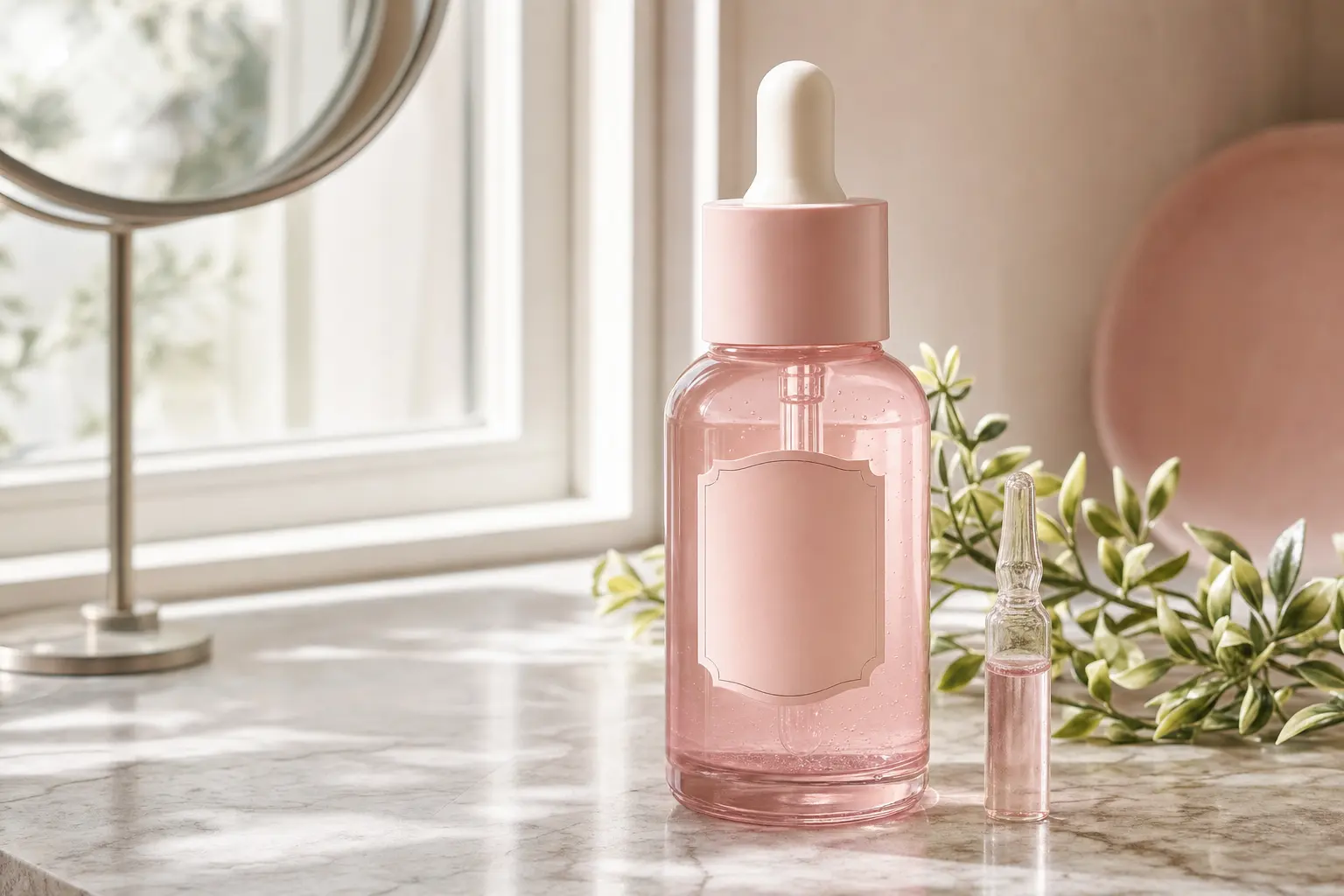
PDRN salmon DNA serum what to look for is the question on many K‑beauty fans’ minds in 2026. If you’ve seen pink‑glow serums trending and want the facts behind the buzz—this article is your trusted guide.
We’ll explain where PDRN comes from, the science that may support it, realistic expectations for topical use versus clinic injectables, and a step‑by‑step checklist to choose a serum that fits your routine and skin concerns.
PDRN salmon DNA serum what to look for: origins, definition and clinical history
PDRN stands for polydeoxyribonucleotide — a purified mix of short DNA fragments historically extracted from salmon and trout tissues. In clinical practice PDRN (sometimes called polynucleotide or PN in literature) has a medical history as an injectable regenerative therapy and skin‑booster used by dermatologists and plastic surgeons for wound repair and skin rejuvenation [1]. Over the last few years that clinical ingredient has been adapted into topical K‑beauty serums and masks aimed at supporting visible skin recovery and glow in everyday routines [3].
Where PDRN comes from
Commercial PDRN materials are typically derived from cold‑water fish sources and go through processes to isolate DNA fragments and remove proteins and contaminants. Published summaries report high‑purity preparations — many manufacturers document purities above 95% and a fragment molecular‑weight distribution often cited in reviews (roughly the equivalent of 50–1,500 kilodaltons in fragment size) [2]. That purification is important because the active preparations used in clinical and cosmetic settings are the DNA fragments themselves, not whole tissue.
In clinical literature PDRN showed promising effects for tissue repair, anti‑inflammatory signaling, and angiogenesis when administered as injectables or professional skin boosters. Because the injectable products have a distinct regulatory and clinical pathway, the evidence for topical serums remains smaller but growing; reviewers through 2024–2026 describe encouraging early results alongside calls for larger randomized trials for topical formats [5].
When you’re shopping for a consumer serum, understanding this background helps you separate marketing from realistic expectations: PDRN is an ingredient with clinical roots, but topical performance depends on formulation, concentration, and stability rather than just the name on the label.
How PDRN works on skin: the science behind the ingredient
PDRN’s proposed biology is multi‑layered and helps explain why clinicians found it useful when injected. Key mechanisms discussed in recent reviews include activation of the adenosine A2A receptor pathway, supplying nucleotide building blocks through the cellular salvage pathway, and supporting fibroblast proliferation and extracellular matrix signaling [1][3]. These actions are associated with wound repair, reduced inflammation, and connective tissue remodeling in preclinical and small clinical studies.
Three commonly cited mechanisms
- Adenosine A2A activation: PDRN fragments may increase adenosine signaling, which is linked to anti‑inflammatory and pro‑angiogenic effects in tissue—factors helpful for healing [1].
- Nucleotide salvage: Cells can reuse the nucleotides from degraded DNA fragments, which supports DNA repair and cellular metabolism in stressed or damaged skin cells.
- Fibroblast support: Laboratory studies note improved fibroblast activity and extracellular matrix markers that can contribute to skin thickness and resilience.
It’s important to separate mechanistic plausibility from proven outcomes. Most high‑quality evidence for PDRN comes from clinical use as injectables; topical serums are newer and have fewer large controlled trials. Narrative reviews from 2024–2026 describe positive signals in wound healing and anti‑aging endpoints, but also emphasize the need for more rigorous topical studies before claiming parity with injectables [5].
Practical takeaway: the modes of action explain why practitioners used PDRN in clinics, and they give scientific reasons to try topical versions. But how well a serum delivers those benefits depends on formulation design, concentration, and stability—factors we’ll unpack in the buying sections below.
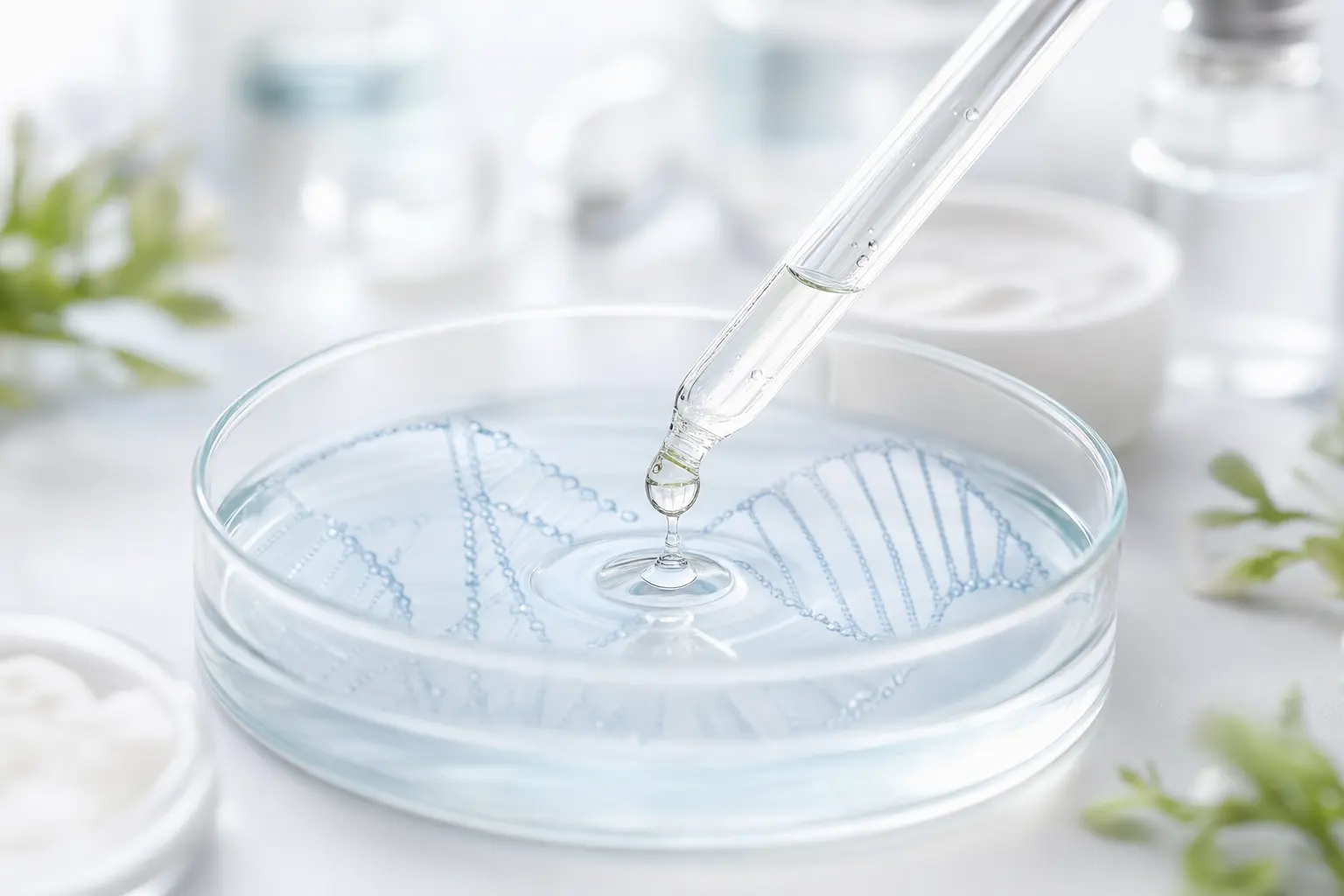
What to look for in a PDRN salmon DNA serum: purity, concentration and formulation details
When the trending label reads PDRN, not all bottles are equal. This section gives a checklist of specific label cues and formulation features that matter when choosing a PDRN salmon DNA serum. Think of it like quality control: source + purity + carrier technology + co‑ingredients + packaging equals real potential, not just hype.
Top product checkpoints
- Concentration claim: Credible OTC serums usually declare PDRN percent by weight—commonly 0.5–2% in many Korean serums. Some “complex” formulations advertise higher ranges (up to ~5%) but read the fine print—this may be a combined complex percentage rather than pure PDRN percentage [4].
- Purity and processing notes: Look for wording that the ingredient is purified PDRN or polydeoxyribonucleotide (>95% purity in clinical-grade descriptions). Manufacturers who describe purification methods, molecular‑weight range or quality standards are more trustworthy [2].
- Source disclosure: Labels may say salmon or trout derived. If you have fish sensitivities, source matters—see safety section. Some brands market plant‑derived nucleotide analogues, but these are different molecules and should not be conflated with fish‑derived PDRN.
- Complementary co‑ingredients: PDRN is commonly paired with hyaluronic acid for hydration, peptides for support, niacinamide for tone, and calming botanicals. These co‑ingredients can improve immediate feel and visible glow; choose combos that suit your skin type.
- Preservatives and stabilizers: DNA fragments can be sensitive; a serum with appropriate preservatives, pH indications, and stability claims is preferable. If the product is anhydrous or in a sealed ampoule, that can also help stability.
- Packaging: Airless pumps, single‑dose ampoules, or opaque bottles reduce light and oxygen exposure. These packaging choices help preserve bioactive ingredients.
Red flags to watch for: vague percentages (“high percent complex” without breakdown), no source or purity details, and overstated clinical claims that imply injection‑level results from a single topical product. Good brands will be transparent about concentration, co‑formulation strategy, and safety considerations.
Finally, compare ingredient lists: if PDRN is listed far down the list behind water and multiple heavy actives, it may be present at a low and likely ineffective level. Prioritize clear composition and realistic marketing when selecting a serum.
Topical PDRN vs injectables: efficacy, expectations and evidence
One of the biggest consumer questions is: does topical PDRN work as well as injectables? Short answer: they’re related but not interchangeable. Injectables are delivered directly into the dermis or subdermal tissue and have a stronger evidence base for certain clinical endpoints. Topical serums operate through the skin surface and rely on the formulation to deliver bioavailable fragments where they can be active [5].
How results and evidence differ
- Clinical strength: Injectable PDRN products used in clinics benefited from controlled dosing and direct tissue placement, and multiple clinical reports support their wound‑healing and regenerative uses [3].
- Topical potential: Topical PDRN serums are promising—early studies and anecdotal trials suggest benefits for skin texture, recovery, and hydration—but large randomized topical trials remain limited compared to injectables [5].
- Expectation management: With a topical serum expect gradual improvements in skin feel, moisture, and visible repair over weeks to months rather than immediate clinic‑level structural changes. Think of serums as supportive daily maintenance with cumulative benefits.
Practical differences also include safety and cost. Topical products are non‑invasive, easier to use at home, and typically more affordable than clinic procedures. However, because the route of delivery is the skin surface, manufacturers must optimize molecular size, vehicle, and penetration enhancers to maximize activity.
When evaluating claims, look for clinical or consumer trial data specific to the topical product rather than assuming injectable studies transfer directly. Reviews through 2024–2026 highlight promising signals for topical formats but call for standardized trials across brands to compare outcomes rigorously [5].
For many K‑beauty fans, the sensible strategy is to try a well‑formulated topical PDRN serum as part of a consistent routine, monitor results over 8–12 weeks, and reserve clinic‑level procedures for targeted professional interventions when deeper structural changes are desired.

How to use and layer a PDRN salmon DNA serum: routine, timing and safe combinations
Adding a PDRN serum to your routine can be straightforward, but placement and combinations matter. Because PDRN products often focus on repair and resilience, they generally perform best when used consistently, after cleansing and before heavier moisturizers or oils. Below you’ll find a practical routine plus layering rules for pairing with active ingredients.
Daily routine and timing
- AM and PM use: Most PDRN serums are gentle enough for both morning and evening. Use after toner/essence and before thicker serums or creams. Sunscreen should always follow in the morning.
- Patch test first: Even though severe reactions are uncommon, patch test for 24–48 hours, especially if you have fish allergy or very reactive skin.
- Frequency: Start with once daily for the first week to check tolerance, then move to twice daily if well tolerated.
Layering with actives
PDRN is often marketed as a soothing, reparative ingredient so it can work well alongside many actives, but follow these practical pairings:
- With vitamin C: Use vitamin C in the morning and allow it to absorb (1–2 minutes) before applying PDRN serum, or keep vitamin C in AM and PDRN in PM if you prefer simplifying steps.
- With retinol/retinoids: PDRN can be a calming partner to retinoids—apply retinol first at night, wait 10–20 minutes, then apply PDRN serum to help soothe and support recovery. If irritation occurs, buffer retinoid strength or alternate nights.
- With acids (AHA/BHA): You can use acids and PDRN in the same routine, but avoid putting strong exfoliating peels directly beneath a reparative serum on the same night if your skin is sensitive. Instead use PDRN the following night for recovery.
- With hydrating actives: Hyaluronic acid layers beautifully beneath or above PDRN, adding plumping and immediate hydration.
Practical tips: avoid mixing PDRN with unlisted harsh preservatives or incompatible solvents. Keep routines simple when introducing a new active—add PDRN alone first for a few weeks, then introduce other actives one at a time to gauge effects. Track progress with photos and texture notes at 4‑week intervals; topical improvements tend to accumulate over 8–12 weeks.
Common myths, safety notes and allergy considerations for PDRN
PDRN carries some unique safety and myth questions because of its origin from fish DNA fragments. This section clarifies common confusions—especially about allergies, vegan claims, and concentration marketing—so you can make informed choices without falling for misleading labels.
Allergy and safety basics
Clinical summaries note rare but real allergic reactions to PDRN, and injectables are contraindicated for known fish allergies in many clinical settings [3]. For topical serums, severe reactions are uncommon in published reports, but if you have a documented fish allergy, consult a clinician and perform a careful patch test before regular use. Manufacturers sometimes include explicit allergy warnings on labels; prioritize products that do.
Myths and marketing clarifications
- “Vegan PDRN”: Genuine PDRN used in the clinical lineage is fish‑derived. Some brands market “plant‑derived nucleotide analogues” or similar sounding compounds—these are not the same molecularly and should not be conflated with salmon‑derived PDRN. If you require vegan or plant‑based products, look for explicit vegan labeling and ingredient transparency.
- “High percent” claims: A claim like “5% PDRN complex” can mean the product contains 5% of a multi‑ingredient complex that includes PDRN rather than 5% pure PDRN. Read the INCI or ingredient breakdown carefully—the position of PDRN in the list gives a rough idea of concentration.
- Stability concerns: DNA fragments can be sensitive to extreme heat, light and oxygen. Opt for airless pumps, ampoules, or opaque packaging and store products away from direct sunlight to preserve activity.
Other practical safety steps include avoiding concurrent use with untested professional treatments unless cleared by a clinician, and discontinuing use if you experience persistent irritation, swelling or other unexpected reactions. Because research on topical serums is still maturing, prioritize brands that share formulation details, stability claims, and any product‑specific clinical testing.
Shopping checklist, travel and storage tips plus product spotlight
Use this practical buying checklist before you add a PDRN salmon DNA serum to your cart. If you shop across borders from Seoul to international addresses, a few extra steps help protect your order, handle customs, and preserve product integrity in transit.
Shopping checklist
- Confirm PDRN wording and percentage: Look for clear percent claims (e.g. 0.5–2% PDRN) and whether the number refers to pure PDRN or a complex. Prefer brands that list PDRN near the top of the ingredient list for meaningful concentration.
- Check purity/processing notes: Any mention of high‑purity or purified polydeoxyribonucleotide is a positive signal; technical details like molecular‑weight range increase transparency.
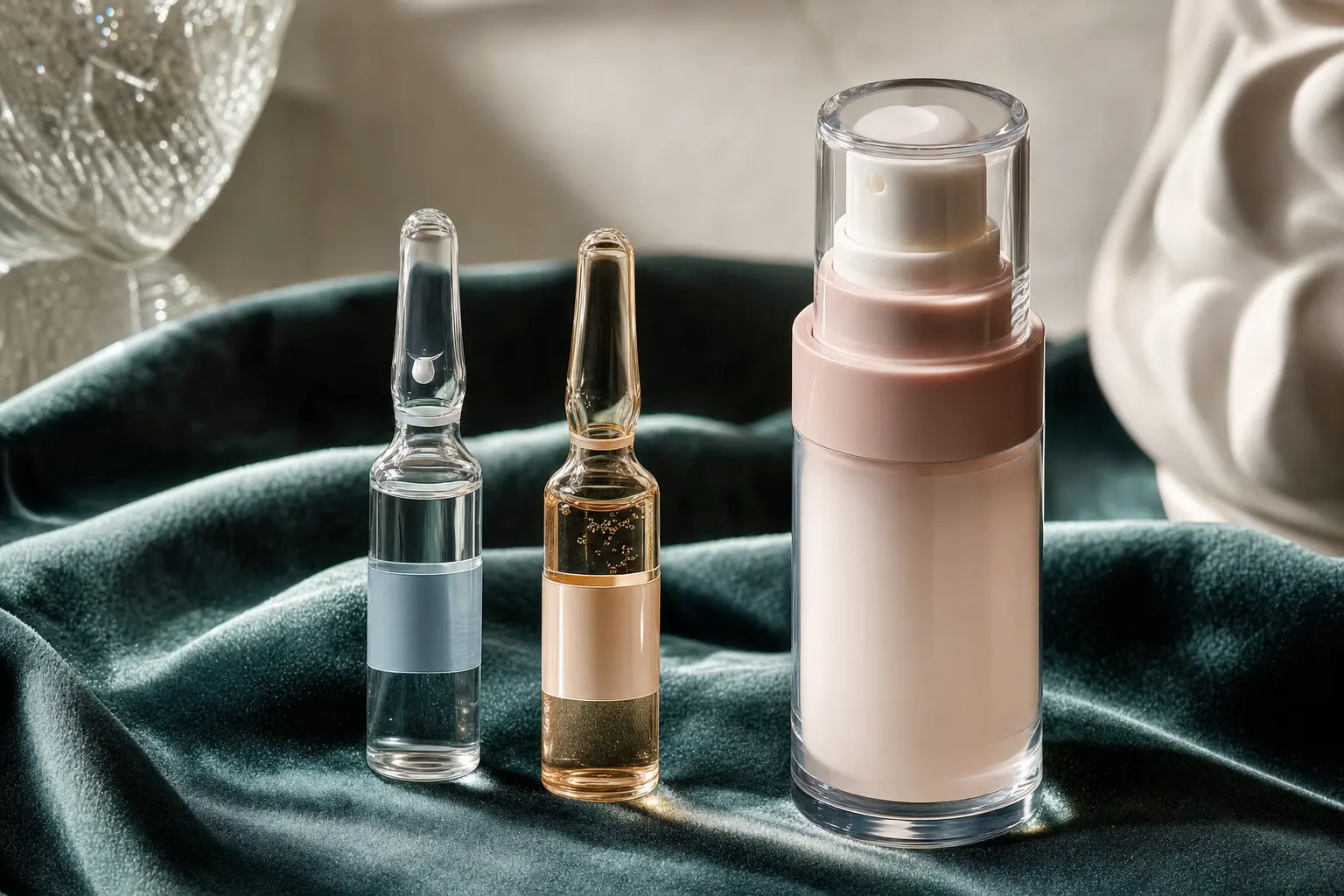
- Inspect packaging: Choose airless pumps, sealed ampoules or opaque bottles. Single‑dose ampoules are excellent for travel and reducing oxidation risk.
- Look for stability / storage guidance: Brands that state storage temperatures, shelf life after opening, or preservative systems demonstrate better quality control.
- Watch allergy warnings: If you have fish sensitivity, prioritize explicit allergy information and perform a patch test.
Travel and customs tips
When ordering internationally, choose shipping options that offer tracking and temperature protection if available. Check your country’s import rules for cosmetic ingredients—some regulatory bodies request ingredient declarations. As a seller based in Seoul, we handle customs documentation and reliable shipping; make sure the product arrives in intact, sealed packaging and store it in a cool, dark place on arrival.
Storage and in‑use tips
- Store in a cool, dry place away from sunlight; refrigerate only if the label recommends it.
- Use within the manufacturer’s recommended timeframe after opening (many serums note 6–12 months).
- If a product changes color, smell or texture unexpectedly, stop use and contact customer support for a replacement.
Product spotlight
Below are a couple of K‑beauty PDRN serum options featured for shoppers who want to compare formulation approaches. These product cards show concentration details, co‑ingredients and packaging style for quick comparison.
Use the checklist above to compare these products: check the listed PDRN percentage, co‑ingredients like hyaluronic acid or peptides, and whether packaging is airless or single‑use. That will help you pick the best match for your skin type and lifestyle.
Frequently Asked Questions
Does topical PDRN work as well as injectable PDRN?
Topical PDRN shows promise and may help skin texture, hydration and recovery, but injectables have a stronger clinical evidence base for deeper tissue changes because they deliver the material directly into the dermis. Expect topical serums to support gradual, cumulative improvements over weeks to months rather than immediate structural changes seen with clinic procedures.
I have a fish allergy—can I use PDRN products?
If you have a known fish allergy, approach PDRN products with caution. Clinical guidance often advises against injectable use in fish‑allergic patients; for topical serums, patch testing and consulting a healthcare provider are recommended. Look for explicit allergy warnings on the product and stop use if you experience any signs of an allergic reaction.
What concentration of PDRN should I look for in a serum?
Common OTC serum concentrations range from about 0.5% to 2% PDRN. Some products market higher percentage "complexes," but that can mean the figure refers to a combined complex rather than pure PDRN. Prioritize transparency: a clearly stated pure PDRN percentage and a position high in the INCI list suggest meaningful concentration.
Is "plant" or "vegan PDRN" the same as salmon‑derived PDRN?
No—genuine PDRN in the clinical lineage is fish‑derived. Some brands promote plant‑derived nucleotide analogues or similar sounding ingredients, but these are different molecules. If vegan status matters to you, choose products explicitly labeled vegan and read the ingredient list carefully.
How long until I see results from a PDRN serum?
Topical results are gradual. Many users report improved hydration and skin feel within 2–4 weeks, with more noticeable textural improvements or reduced redness over 8–12 weeks of consistent use. Individual response varies with formulation quality, concentration and overall routine.