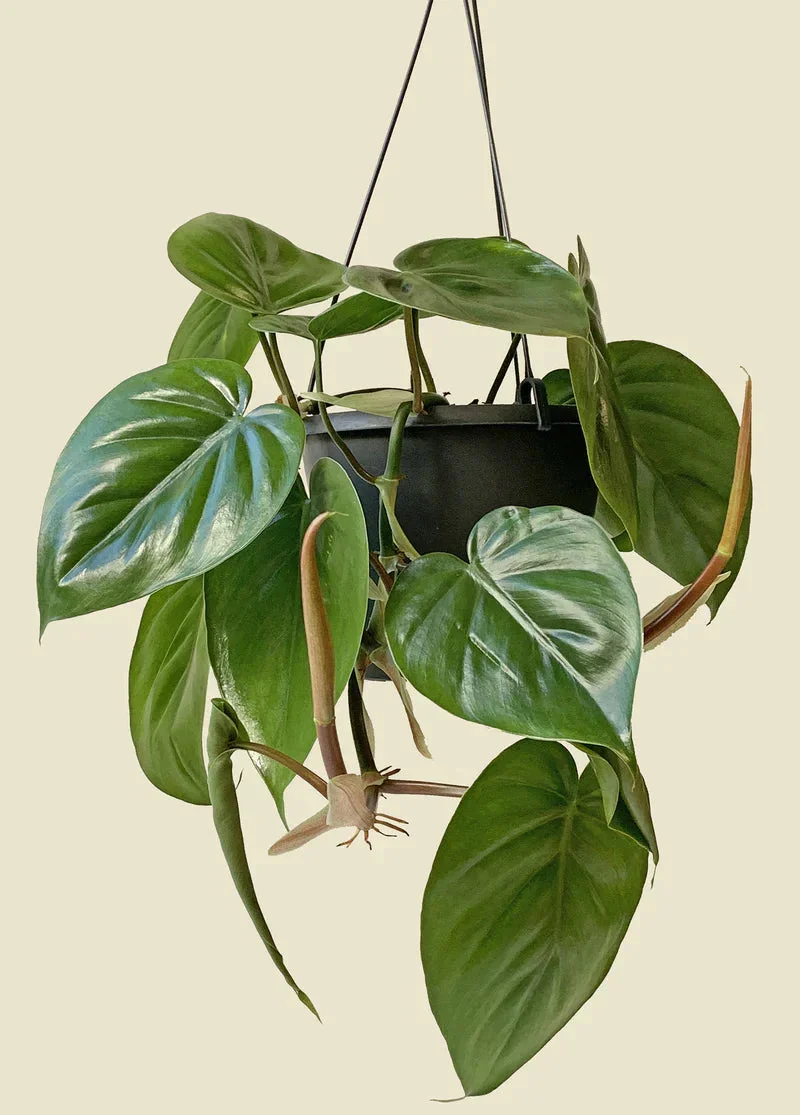
Heartleaf is a recognizable K-beauty category, but it is not one standardized active. A watery toner may use Houttuynia cordata extract in a glycol carrier; another product may use leaf water, fermented filtrate or essential oil. The label name determines which evidence is relevant.
The former article promised sebum regulation, acne relief, UV and pollution defense, wound and scar healing, cell regeneration, hydration, anti-aging and automatic synergy with cica, green tea, aloe, hyaluronic acid and niacinamide. Those outcomes were not tied to exact materials, doses or finished products.
A material map for heartleaf
| Label material | Likely chemical emphasis | Key unknown |
|---|---|---|
| Houttuynia cordata extract | Solvent-dependent broad extract | Plant part, solvent and marker level |
| Leaf / whole-plant extract | More specific source tissue | Dry extract and standardization |
| Heartleaf water | Water-based distillate or extract solution | Definition and non-water residue |
| Quercitrin/hyperoside-rich fraction | Selected flavonoids | Match to retail formula |
| Houttuynia essential oil | Volatile compounds | Loading, oxidation and irritation |
Botanical identity before benefits
The plant is commonly identified as Houttuynia cordata Thunb. A robust specification includes authenticated species, plant part, origin, harvest, processing and contaminant controls. “Heart-shaped leaves” is a visual description, not quality control.
Common names can vary by language and market. The Latin binomial and INCI provide a stronger starting point.
Leaf and whole-plant materials can differ
Leaves, aerial parts and whole plants may contain different ratios of flavonoids and volatile compounds. Soil, climate and harvest stage also change composition. Evidence for one collection cannot automatically rank another.
Ask whether a product uses leaf extract, whole-plant extract, water or powder instead of treating all as “heartleaf percentage.”
Extraction solvent changes the evidence
Water, ethanol, ethyl acetate and other fractions select different molecules. A UVB keratinocyte study used an ethyl-acetate fraction enriched in quercitrin and hyperoside. A retail toner based on water extract may not reproduce that composition.
Solvent removal, dry residue, carrier and marker assay should be known before transferring results.
A useful supplier specification should name the Latin species, plant part, extraction solvent, input-to-extract ratio, dry residue, quercitrin or other selected markers, assay method and batch range. It should also cover residual solvents, pesticides, heavy metals, microbial limits and storage stability. The finished-product file then needs the percentage of that supplied extract and evidence that its markers remain stable through manufacture and shelf life. Without both levels, a branded heartleaf complex cannot be translated into an active flavonoid dose.
Quercitrin and hyperoside are markers, not the whole plant
Quercitrin and hyperoside are flavonoid glycosides reported in selected Houttuynia extracts. Rutin and chlorogenic acid may also appear. The ratio depends on extraction and raw material.
Finding one marker does not prove every claimed pathway, and absence from a front label does not mean the extract contains none.
Essential oil is a separate material
A 2025 in vitro study of Houttuynia essential oil reported n-decanoic acid, beta-myrcene and 2-undecanone among major volatile compounds. That profile is unlike a flavonoid-rich water or ethyl-acetate extract.
Essential oils also raise oxidation, sensitization and loading questions. Do not substitute evidence between oil and nonvolatile extract.
Read ppm with a denominator
Ten thousand ppm equals 1% of the named input relative to the formula, but only if that is the denominator. An 80% heartleaf extract solution can be mostly water or glycol and contain far less dry botanical matter.
Ask for input definition, dry residue and marker compound percentage. Larger front-label numbers do not guarantee larger active exposure.
Ingredient-list position does not reveal efficacy
A high list position may indicate a large amount of dilute extract solution. Below-threshold ingredients can appear in flexible order. Vehicle water and carrier solvents complicate comparison.
Use declared percentage and supplier specification rather than “first ingredient” as the clinical dose.
Most mechanism evidence is preclinical
A broad review reports anti-inflammatory and antioxidant activity for Houttuynia extracts and constituents across in vitro and in vivo models. It also calls for future clinical work. Cells and animals establish hypotheses, not guaranteed cosmetic outcomes.
Pathway names such as MAPK, Akt, NF-kB or cytokines should always be paired with model, concentration and exposure.
The UVB keratinocyte study
A study found an ethyl-acetate fraction, quercitrin and hyperoside reduced UVB-associated cell damage and inflammatory markers in HaCaT keratinocytes. The cells were directly exposed under laboratory conditions.
This is not an SPF test, human photoprotection trial or permission to replace sunscreen. A cosmetic cannot claim UV protection without the appropriate finished-product testing and regulation.
Fibroblast photoaging data
A hyperoside-enriched fraction affected ROS, cytokines, collagen and MMP-1 in UVB-exposed human fibroblasts. This supports a research direction, not proof that a heartleaf toner prevents wrinkles.
Skin delivery, stability, dose and a controlled human endpoint are missing from that transfer.
Antioxidant assays are not pollution shields
Chemical radical assays and oxidative-stress cell models can rank samples. They do not show that a face product neutralizes urban pollution or prevents aging under normal use.
Finished-product stability and human exposure matter. Sunscreen and physical cleansing remain separate functions.
Antimicrobial findings do not treat acne automatically
Essential-oil studies may inhibit Cutibacterium acnes or other organisms in vitro. Test concentrations, culture conditions and skin exposure differ from a preserved cosmetic. Acne is not simply excess bacteria.
An antimicrobial ingredient is not an OTC acne medicine or proof that a toner preserves itself adequately.
The four-herb acne trial
An eight-week randomized controlled trial in 60 people evaluated a blend of mangosteen, Lithospermum officinale, Tribulus terrestris and Houttuynia cordata against vehicle. Lesion and inflammatory-marker results favored the blend.
Because four extracts were combined, the trial cannot identify Houttuynia’s independent effect or validate a different commercial heartleaf formula.
Herbal acne evidence remains heterogeneous
A systematic review of externally applied herbal medicines found potential benefits but rated conclusions weak because of evidence quality and non-standardized interventions. Its pooled sebum result was not significant.
That directly contradicts a universal claim that heartleaf balances oil production. Exact trials are needed.
“Soothing” requires a challenge model
Soothing can mean lower sting, erythema, temperature or recovery time after a controlled irritant. A cool watery texture may feel pleasant without changing inflammation.
Ask for comparator, participant criteria, challenge, instrument, time and effect size for the finished product.
Wound-healing assays are often cell migration
A scratch assay measures cells moving across a laboratory gap; it is not a cut closing on a person. Essential-oil research that increases fibroblast migration remains preclinical.
Do not apply ordinary cosmetics to cuts, burns or infected lesions based on “healing” marketing.
Scar and mark claims need distinction
A post-acne dark mark, red mark, textural scar and active lesion are different endpoints. Reduced inflammation might lower future marking indirectly, but it does not erase established scars.
Trials should use colorimetry, standardized imaging or scar scales over adequate time.
Hydration usually comes from co-ingredients
Glycerin, glycols, betaine, hyaluronic acid, panthenol, emollients and occlusives commonly explain most immediate hydration. A Houttuynia extract can be present in a drying toner or a rich cream.
Evaluate the complete vehicle and several-hour comfort rather than attributing every moisture result to heartleaf.
Co-ingredients do not guarantee synergy
Centella, green tea, aloe, niacinamide and hyaluronic acid each bring different evidence and formulation roles. Combining them may be sensible, neutral or irritating. Synergy requires a design that compares the combination against each component.
A longer ingredient list is not automatically a more effective calming formula.
CIR safety is not efficacy certification
The Cosmetic Ingredient Review evaluates Houttuynia-derived cosmetic ingredients for safety under use conditions. A safety assessment does not prove acne, healing, oil-control or anti-aging claims.
Match the exact assessed INCI to the label and note concentration and product category.
Botanical allergy and irritation remain possible
Even when a botanical has a favorable safety profile, extraction residues, fragrance, preservatives and co-ingredients can trigger reactions. Essential-oil and aromatic formulas deserve additional caution for fragrance-sensitive users.
Stop for progressive redness, itch, swelling or blistering and seek evaluation when persistent.
A conservative introduction
- Record the exact product and full INCI.
- Identify the Houttuynia material and declared percentage.
- Test a small area repeatedly before full-face use.
- Keep other new products out of the trial.
- Track one endpoint such as sting, redness or oil.
- Use moisturizer and sunscreen based on routine needs.
A product-comparison checklist
- Species and plant part.
- Extract, water, powder, ferment or essential oil.
- Solvent, dry residue and marker compounds.
- Percentage denominator.
- Fragrance and other active ingredients.
- Finished-product tolerability and efficacy test.
- Package, climate fit and price per use.
No product cards are shown
This article does not rank EK heartleaf products because exact extract specifications and finished-product evidence were not validated SKU by SKU. A card would imply that review had occurred.
Current product guides should independently verify formula, stock, images and claims.
The practical verdict
Houttuynia cordata contains interesting flavonoids and volatile compounds, but “heartleaf” hides large material differences. The strongest current evidence supports research potential and one combined-herb acne formula, not universal healing or oil control.
Read exact INCI, ppm definition, extraction and vehicle; separate cells from people; and judge the complete product. Natural origin does not replace dose, clinical design or safety testing.
Sources
- Review of Houttuynia inflammation and oxidative-stress research
- Houttuynia fraction in UVB-exposed keratinocytes
- Hyperoside-rich fraction in UVB-exposed fibroblasts
- Four-herb randomized acne trial
- Systematic review of externally applied herbal acne treatments
- In vitro Houttuynia essential-oil formulation study
- Cosmetic Ingredient Review: Houttuynia-derived ingredients
- FDA: Cosmetic claim boundaries
- FDA: Finished cosmetic product testing
Frequently Asked Questions
Is heartleaf one standardized cosmetic ingredient?
No. Products may use leaf or whole-plant extract, water, powder, ferment, flavonoid-rich fraction or essential oil, each with different chemistry.
Does a high heartleaf percentage guarantee more quercitrin?
No. The percentage may refer to a dilute extract solution. Dry residue, extraction solvent and marker assay are needed to compare quercitrin or hyperoside exposure.
Does heartleaf clinically treat acne?
One controlled trial used Houttuynia in a four-herb blend, so its independent effect cannot be isolated. Evidence for herbal acne treatments remains heterogeneous.
Can heartleaf replace sunscreen because of UV cell studies?
No. Keratinocyte and fibroblast studies are not human SPF or UVA protection tests. Use a properly tested sunscreen.
Does heartleaf regulate sebum?
A systematic review of external herbal acne treatments found no significant pooled sebum change. Exact finished-product evidence is needed for an oil-control claim.