
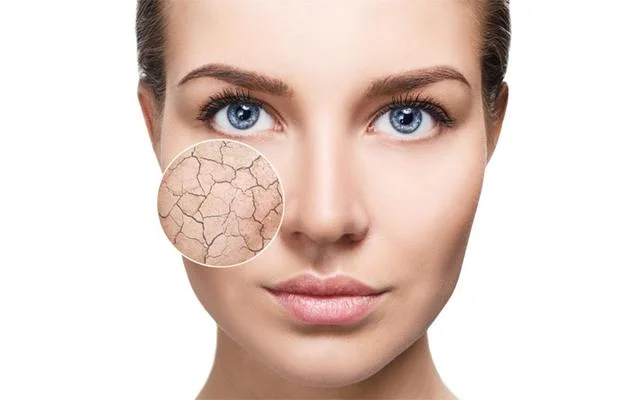
The first correction is identity: belif Problem Solution Cleansing Foam is a 100mL rinse-off cleanser. The former post had a cleanser title but described an unnamed pump moisturizer, including deep hydration, protective film and all-day oil balance. None of that was a coherent review of this product.
A cleanser has a narrower job. It should remove the day’s appropriate mix of sweat, sebum, particles and product while leaving the skin comfortable enough for the next step. More foam, a squeaky finish and strong cooling are not measures of better cleansing.
Current product identity
The current Empress Korea catalog and multiple current Korean-product listings identify the product as belif Problem Solution Cleansing Foam, 100mL. Updated listings may add “Vegan” to the name. Because packaging and regional formulas can change, use the ingredient list and directions printed on the exact tube rather than relying on an older description.
The related Problem Solution toner, moisturizer and spot gel are separate products. Their pump counts, leave-on benefits and active claims do not belong in a cleanser article.
| Question | Useful sign | Warning sign |
|---|---|---|
| Does it cleanse enough? | Sunscreen/residue removed as planned | Repeated washing or hard scrubbing needed |
| Is it too stripping? | Skin feels neutral or comfortable | Tightness, roughness or stinging after drying |
| Does it suit acne care? | Does not disrupt the treatment routine | More irritation, picking or compensatory oiliness |
| Are botanicals tolerated? | No progressive redness or itch | Burning, swelling, rash or eye irritation |
| Is the routine necessary? | One planned cleanse does the job | Automatic double cleansing without residue to remove |
What surfactants do
Surfactants have water-loving and oil-loving regions that help suspend oily material so it can rinse away. They are essential to cleansing, but they can also interact with skin proteins and lipids. A review of cleanser science notes that surfactant type and finished formulation influence hydration and damage potential.
This means “foam” is a texture and use experience, not a complete mildness rating. Synthetic detergent systems can be formulated gently or aggressively. The final blend, concentration, pH, contact time and rinse matter more than one ingredient singled out online.
Reading the current ingredient list
A current retailer ingredient list begins with glycerin, water and a blend that includes sodium cocoyl isethionate, sodium methyl cocoyl taurate, cocamidopropyl hydroxysultaine and coco-glucoside. It also lists panthenol, salicylic acid, kaolin, 4-terpineol, totarol, tea-tree extract and multiple botanical extracts.
The same list includes aromatic plant oils and fragrance allergens such as limonene, citronellol, geraniol and linalool. Ingredient lists can change, so this is a map for package verification, not a permanent formula guarantee.
Glycerin and panthenol cannot turn cleansing into moisturizing
Humectants and conditioning ingredients can improve the feel of a cleanser and reduce some harshness. Most of the formula is still rinsed away after short contact. A comfortable post-wash result is credible; “deep hydration” or a persistent barrier film requires finished-product evidence and is more typical of a leave-on product.
Dry skin should not assume a cleanser is suitable because glycerin appears near the top. The complete surfactant system and actual after-feel decide.
Salicylic acid: ingredient versus acne drug
Salicylic acid can act as a beta hydroxy acid and is also an active ingredient in regulated OTC acne medicines at specified concentrations and labeling. FDA explains that intended claims can make a product a cosmetic, a drug or both. Ingredient presence alone does not tell you the concentration or legal acne-treatment status.
A rinse-off cleanser also has limited contact time. It may support surface cleansing or scale management, but do not assume it delivers the same exposure as a leave-on salicylic-acid treatment. Check for a Drug Facts panel when evaluating a U.S. OTC acne-drug claim.
Tea tree, 4-terpineol and totarol need formula evidence
Tea-tree-related materials are often marketed for blemish-prone skin, and 4-terpineol is a characteristic component. The amount, extraction, stability, vehicle and rinse time are not revealed by the name alone. A botanical mechanism or laboratory result cannot establish that the finished cleanser prevents future breakouts.
Plant-derived does not mean non-irritating. Essential oils and aromatic components can be poorly tolerated by reactive skin. Stop interpreting burning or strong cooling as proof of detoxification.
Willow-bark language is not a concentration label
Retail descriptions sometimes call white willow bark a natural exfoliant. Willow extracts vary and cannot be converted into a salicylic-acid percentage from the plant name. The package’s INCI list and any regulated active-ingredient panel are the relevant records.
If a person already uses a retinoid, benzoyl peroxide, exfoliating acid or prescription acne treatment, adding more “clarifying” products can increase irritation without improving the treatment plan.
Foam volume does not measure cleansing power
Lather helps distribute product and gives sensory feedback, but abundant bubbles do not prove that more sunscreen, microbes or pore material are removed. Use the smallest amount that spreads easily over the intended area.
Long massage times and repeated passes extend surfactant contact. A short gentle cleanse can be more effective as a routine because the person will use it consistently without compensating for dryness.
Dry skin: fit is possible but not promised
The original title promised to say goodbye to dry skin, yet public Korean-review aggregation for the older product identity includes tightness and lack of moisture among recurring negative themes. Reviews are subjective and not a controlled trial, but they are a reason to avoid universal dry-skin claims.
People with dry, eczema-prone, rosacea-prone or treatment-sensitized skin may prefer a low-foaming cream or emulsion cleanser. If testing this foam, use lukewarm water, short contact and once-daily or as-needed frequency rather than automatically cleansing morning and night.
Acne-prone skin: cleanliness is not treatment
AAD recommends gentle, non-abrasive cleansing up to twice daily and after sweating. Scrubbing, frequent washing and harsh astringents can irritate acne-prone skin. Acne is not caused simply by being dirty.
This cleanser may fit an acne routine if it removes residue comfortably and does not interfere with treatment. It cannot diagnose comedonal, inflammatory, hormonal or fungal conditions, and it should not replace a proven medicine solely because the line is named “Problem Solution.”
Sensitive and rosacea-prone skin
Reviews of cleanser care for rosacea emphasize acidic-to-neutral pH, non-stripping surfactants and formulas without relevant irritants or allergens. Individual triggers differ. A fragranced or essential-oil-containing cleanser may be acceptable to one person and unsuitable to another.
Do not use on acutely inflamed, cracked or weeping skin without clinician guidance. Persistent facial burning, flushing, eye symptoms or rash deserves evaluation rather than a stronger cleansing routine.
A practical use method
- Wet face and hands with lukewarm water.
- Dispense a small amount and lather between palms.
- Spread gently with fingertips; avoid washcloths and powered brushes.
- Keep the foam out of the eyes and do not chase a squeaky feel.
- Rinse completely and pat with a clean soft towel.
- Apply a compatible moisturizer while skin is still comfortable.
AAD’s face-washing guidance similarly favors fingertips, lukewarm water, gentle cleanser and limited frequency. Technique is part of formula tolerance.
Single cleansing versus double cleansing
Double cleansing is a method, not a requirement. A separate oil or balm first step can help dissolve tenacious makeup or water-resistant sunscreen, followed by a short water-based cleanse. If the first product rinses cleanly and the skin has little residue, a second cleanser may be unnecessary.
Test removal rather than assuming. White towel transfer is not a perfect method because rubbing creates its own irritation. Look at visible residue, product directions and how the skin behaves over repeated use.
Morning cleansing can be lighter
A person with dry skin may need only water or a small amount of gentle cleanser in the morning, depending on overnight products and clinician advice. Oily skin may prefer a full cleanse. Neither routine is morally cleaner or universally correct.
Adjust frequency when climate, medication or barrier state changes. A cleanser that fits a humid summer can feel excessive during winter or while starting a retinoid.
Moisturizer follows; it is not hidden inside the foam
Use a separate leave-on moisturizer chosen for skin type and treatment plan. This corrects the former article’s mix-up: toner, essence and two or three pumps of moisturizer were instructions for another product category, not required steps for the cleansing foam.
Oily and acne-prone skin can still need moisturizer, especially during benzoyl peroxide, retinoid or salicylic-acid treatment. Choose non-comedogenic labeling where relevant and avoid adding multiple fragranced layers when troubleshooting irritation.
A two-week tolerance check
Keep other routine steps stable and record cleansing frequency, water temperature, makeup or sunscreen load, immediate tightness, 30-minute comfort, next-morning flaking and new irritation. A short structured log is more useful than deciding from the first foam sensation.
Stop earlier for significant burning, swelling, hives, eye irritation or worsening dermatitis. Patch testing a rinse-off product can reveal some reactions but cannot reproduce full-face cumulative use.
When the cleanser is not enough
See a dermatologist for painful nodules, scarring acne, persistent inflammatory lesions, infection, widespread rash or acne that does not improve with an appropriate treatment plan. More cleansing does not correct hormonal drivers or established scarring.
Dryness with cracks, severe itch or recurrent facial inflammation may need diagnosis. Replacing lost water and lipids with a moisturizer is different from removing surface material with a cleanser.
Current Empress Korea listing
The current card below is the exact 100mL belif Problem Solution Cleansing Foam, not the toner, moisturizer or spot gel. Verify the current tube’s full ingredient list, vegan certification language, directions and period-after-opening information before purchase.
Who is most likely to prefer it
This format is most plausible for someone who enjoys a lather, wants a targeted second cleanse for oily or blemish-prone skin and tolerates aromatic botanical components. It is less obvious for someone seeking a fragrance-free, non-foaming dry-skin cleanser or whose acne treatment already causes peeling.
The deciding evidence is not the word “Problem,” a botanical story or foam density. It is adequate residue removal with no progressive tightness, irritation or disruption of the treatment routine.
The practical verdict
belif Problem Solution Cleansing Foam is a real current cleanser whose old blog post was replaced by moisturizer copy. Its surfactant blend, humectants, salicylic acid and botanical components explain formulation roles, but do not establish acne cure, barrier reconstruction or deep hydration.
Use a small amount, lukewarm water and fingertips. Judge cumulative comfort, not squeak or cooling. Dry-feeling or treatment-sensitized skin should test conservatively and switch formats if tightness persists.
Sources
- Official regional distributor: belif Problem Solution Cleansing Foam
- Hwahae: product identity, ingredients and Korean opinion themes
- Surfactants and skin cleansing review
- Mild cleansers and moisturizers for rosacea review
- American Academy of Dermatology: acne skin-care tips
- American Academy of Dermatology: face washing
- FDA: Cosmetic, drug or soap classification
- FDA: Beta hydroxy acids
Frequently Asked Questions
Is belif Problem Solution Cleansing Foam a moisturizer?
No. It is a 100mL rinse-off foam cleanser. The former article mistakenly described a leave-on pump moisturizer and its application steps.
Is this cleanser guaranteed to help dry skin?
No. Humectants may improve feel, but surfactants and aromatic components can still feel drying or irritating. Judge immediate and cumulative tightness and switch formats if discomfort persists.
Does salicylic acid make it an acne medicine?
Not automatically. Concentration, intended claim, labeling and a Drug Facts panel matter. A rinse-off ingredient listing does not prove drug status or the exposure of a leave-on acne treatment.
How often should I wash with it?
AAD generally advises gentle cleansing up to twice daily and after sweating, but dry or treatment-sensitized skin may need less. Adjust to residue load, clinician advice and tolerance.
Do I need to double cleanse before using it?
Only when a first step is useful for tenacious makeup or sunscreen and the second step remains comfortable. Double cleansing is not mandatory when one appropriate cleanse removes the residue.