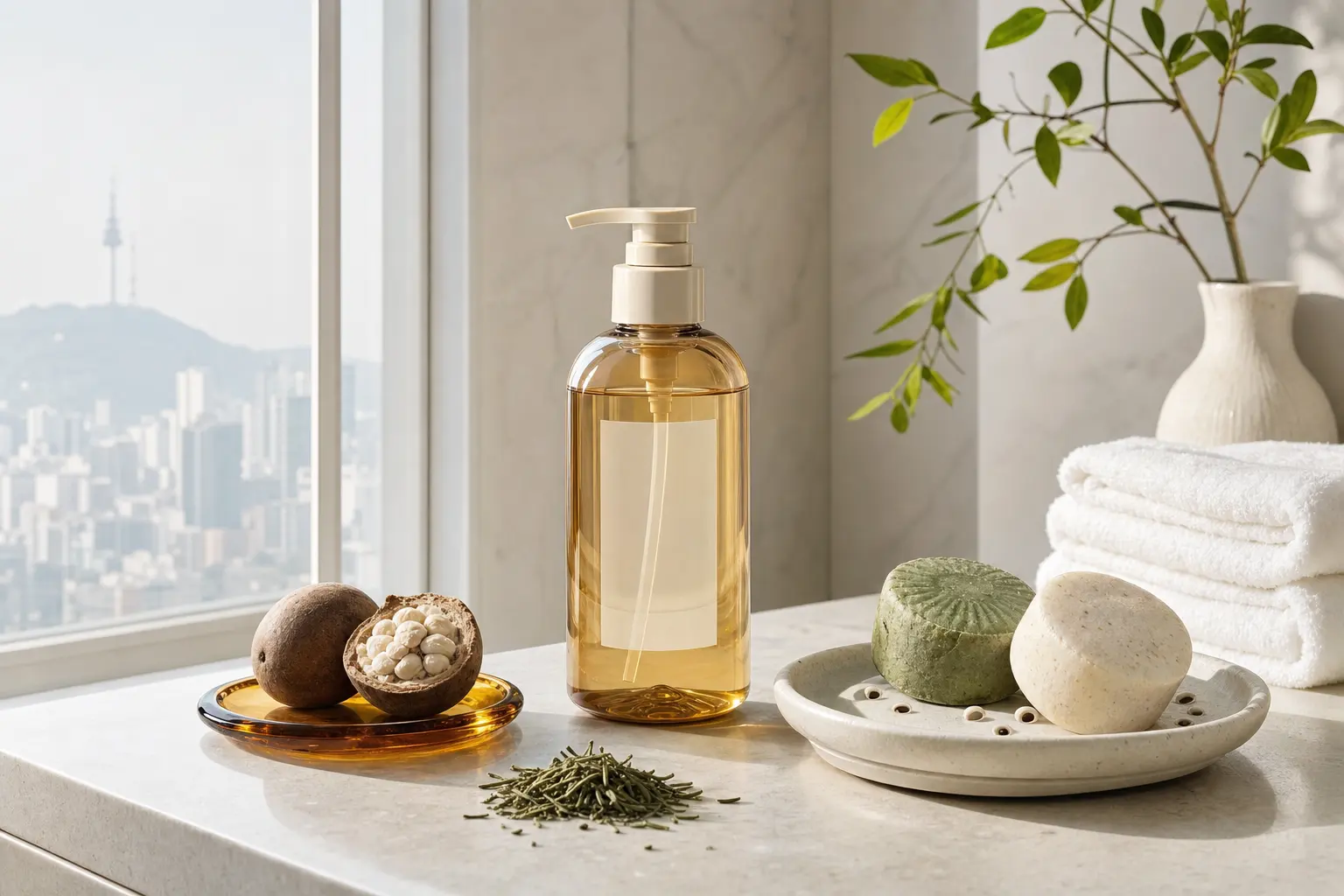
This Korean perfume shampoo guide starts with the decision that saves the most disappointment: fragrance is a feature, not a diagnosis. A beautifully scented cleanser can make wash day more enjoyable, but it does not automatically mean better oil control, repair or scalp comfort.
Korean hair care is increasingly treating the scalp as part of the skin-care routine, while fragrance-led formulas and solid bars give shoppers more sensory and lower-waste choices [6]. The smart approach is simple: identify what your roots and lengths need, check the product’s documented claims, then choose the scent and format that fit your habits.
What Korean perfume shampoo actually means
“Perfume shampoo” generally describes a rinse-off shampoo positioned around fragrance as well as cleansing. It is not a separate regulatory product class. In practice, Korean examples often combine a recognizable scent story with ingredients aimed at conditioning, softness, oil control or scalp care, so the label can sound more luxurious than an ordinary cleanser while still performing the basic job of washing hair.
That distinction matters because scent is easiest to notice, while cleansing and hair feel require a more careful match. A formula may contain fragrance, botanical extracts or essential-oil components for sensory positioning, but those details do not prove that it will control sebum, repair damage or relieve a scalp concern. Claims about hydration, repair or hair-loss relief should be connected to documented ingredients and, where relevant, functional-cosmetic status.
Read the product in three layers
- Wash function: Look for the product’s stated cleansing purpose and the way your roots behave between washes.
- Hair-length support: Collagen, proteins, panthenol, oils or conditioning ingredients may support a formula’s care positioning, but shampoo is rinsed away.
- Fragrance profile: Choose the scent family you genuinely want around your face and clothes, rather than assuming the most expensive-sounding description is best.
For context, one representative honey-and-macadamia shampoo lists surfactants including sodium cocoyl alaninate, lauryl glucoside and sodium cocoyl isethionate alongside honey extract, macadamia extract, glycerin, betaine and panthenol [1]. Another damage-care shampoo listing names sodium C14-16 olefin sulfonate, cocamidopropyl betaine, glucosides, hydrolyzed collagen, silk, keratin and plant oils [2]. The lesson is not that one ingredient list wins for everyone. It is that “perfume” sits alongside a cleansing base and supporting ingredients; it does not replace them.
Start with the problem you want the wash to solve. If the answer is oily roots, shop the scalp-care aisle. If the answer is rough, chemically processed lengths, prioritize damage-care positioning. If your main goal is a pleasant scent, be honest about that and avoid paying for a repair promise you do not need.
Match the shampoo to your scalp, not your fantasy scent
Your scalp determines how often a shampoo feels useful. Oily roots usually need a cleanser that fits frequent washing and a formula specifically positioned around sebum control. Dry or easily irritated scalps need a more cautious fragrance decision, because perfume can be enjoyable and still be a poor match for reactive skin. Hair lengths and scalp are related, but they are not the same shopping problem.
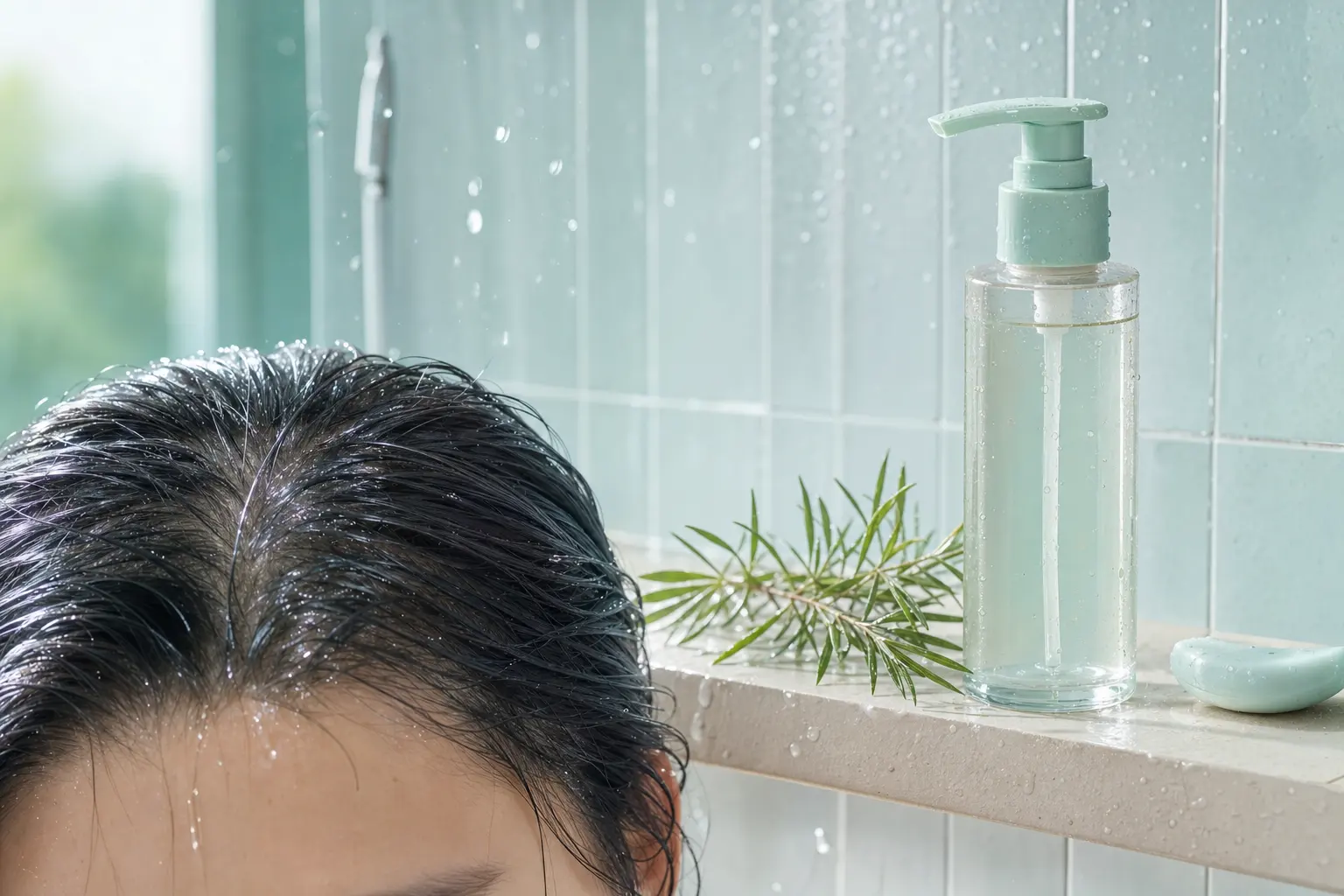
For oil-prone roots, MIGUHARA Daily Scalp Perfume Shampoo is the clearest featured choice. Its catalog positioning centers on keeping oil at bay and maintaining a clean, elastic, fragrantly fresh result, with patented NO SEBUM COMPLEX and purifying tea tree 4-terpineol. That makes it more relevant than a fragrance-only pick when the reason for shopping is greasy roots.
A practical scalp sorting test
- Check the root zone: Decide whether oil, tightness, irritation or ordinary cleansing is your main issue.
- Separate the lengths: If your ends are dry but your roots are oily, do not reject scalp-focused shampoo simply because the lengths need separate conditioning.
- Watch the response: Pay attention to whether the scalp feels comfortable after washing and how quickly oil returns. Follow the product label rather than forcing a generic schedule.
Scalp “skinification” is part of the current Korean hair-care conversation, with premium formulas and wellness cues moving beyond basic cleansing [6]. The useful version of that trend is better diagnosis, not a longer ingredient list. Tea tree-derived ingredients may appeal to shoppers seeking a purifying direction, but fragrance and botanical positioning still deserve caution if your scalp is reactive.
If your concern is genuine hair-loss symptoms rather than oil, do not treat any scented cleanser as interchangeable with a functional product. DONGGUBAT Blooming Perfume Shampoo Bar Calming is cataloged as KFDA-certified for alleviating hair-loss symptoms and is positioned to calm irritated scalps, with a mint lemon scent. That documented positioning makes it a more relevant consideration for that specific concern than a shampoo chosen only because its perfume sounds elegant.
For ordinary oily roots, the decisive choice is MIGUHARA. For a functional hair-loss concern, investigate the relevant claim and label instead of relying on the word “perfume.”
Choose damage care for lengths that feel rough or weakened
Damage care is about the condition of the hair fiber you can see and feel: rough ends, loss of softness, or strands stressed by coloring, heat styling or repeated handling. A shampoo can be part of that routine, but it is still a rinse-off step. Do not read “repair” as a guarantee that one wash will reverse every type of damage.
JULYME Damage Care Perfume Shampoo comes in two featured scent directions, and both are cataloged around collagen-enriched damage care. Sunset Freesia combines freesia and pear at the opening with green-rose, jasmine and amber notes in its scent description. Woody and Musk takes a warmer route with tuberose, neroli, jasmine, coconut, sandalwood and musk. Choose between them by fragrance taste after deciding that damage care is genuinely your priority.
The broader ingredient logic is familiar: protein-related ingredients such as collagen, keratin and silk are used in hair-care formulas aimed at damaged strands, while oils and conditioning agents support a more nourished positioning. A current Korean listing for a representative repair shampoo names hydrolyzed collagen, silk, keratin and several plant oils, as well as fragrance components such as hexyl cinnamal, limonene, citronellol and geraniol [2]. Those named fragrance components are a reminder to read the label if you are sensitive to scent ingredients.
How to make a damage-care pick sensibly
- Choose the scent you can tolerate repeatedly: A floral-amber profile and a woody-musk profile create very different wash-day experiences.
- Keep expectations realistic: A shampoo may support softness and cleansing, but your conditioner or treatment remains important for lengths.
- Protect the scalp from over-treatment: Do not keep changing shampoos simply because ends remain dry; the problem may belong in the next routine step.
Sunset Freesia is the better JULYME direction if you want a bright floral-fruity perfume story with warm amber underneath. Woody and Musk suits a deeper floral, creamy and grounded scent preference. Neither should be chosen as an oily-scalp specialist simply because it smells polished.
Pick this option when damaged or softened-feeling lengths are the central complaint and the Sunset Freesia profile appeals to you. Its 500ml format also makes it a practical full-size wash step rather than a tiny fragrance experiment.
Pick a fragrance profile you will not tire of
The best perfume shampoo scent is the one you still want near your face after the rinse, not necessarily the one with the most dramatic description. Shampoo fragrance can be noticeable during washing and may remain on hair afterward, but the exact longevity varies with the formula, hair porosity, rinse habits and whatever else you apply. No rinse-off product should be bought with a guaranteed all-day scent expectation unless the label explicitly supports it.
Fragrance notes are a useful sorting tool, not a promise of how the product will smell on every person. JULYME Sunset Freesia is described through freesia, pear, green-rose, jasmine and amber. JULYME Woody and Musk moves through tuberose, neroli, jasmine, coconut, sandalwood and musk. These descriptions make the choice clearer: one reads brighter and floral-fruity, while the other is warmer, creamier and more grounded.
Use scent families instead of vague “luxury” language
- Fresh and clean: Look for clean-soap, airy floral, mint or citrus directions when you dislike heavy sweetness.
- Soft and powdery: Baby-powder or musk-style profiles can suit shoppers who want a gentle laundry-adjacent impression.
- Warm and sensual: Amber, vanilla, sandalwood, coconut and musk tend to read richer, so they may feel better in cooler weather or evening routines.
- Green and botanical: Tea tree or herbal notes can make a scalp-focused wash feel more purifying, though scent preference and scalp tolerance remain separate questions.
A representative Korean shampoo range lists 11 scent options, including White Musk, Ylang Ylang, Cherry Blossom, Clean Soap, Amber Vanilla and Baby Powder [1]. That breadth reflects a real shopping habit: people often choose hair fragrance as part of their personal-care identity. It also creates the main trap. Scent names can encourage impulse buying before you have checked whether the cleanser suits your roots.
When possible, start with the smallest commitment available or choose a scent family you already know you enjoy. Do not layer several strong fragranced products on the first try. Wash with the shampoo alone, assess the remaining scent and hair feel, then decide whether a matching conditioner or mist is actually needed.
Liquid shampoo or solid bar: compare the formats
Format changes the routine more than many shoppers expect. A 500ml liquid bottle is familiar, easy to portion and convenient for a household bathroom. A solid bar takes less bottle packaging and asks for different storage habits. Neither format is automatically more effective; your choice should reflect how you wash, travel, store products and manage damaged or sensitive hair.
The featured bars give the category more range than a simple zero-waste talking point. DONGGUBAT Field Blooming Perfume Shampoo Bar Repair is positioned around damaged-hair repair, eight proteins, bean and fermented ingredients, a richly lathering wash and a subtle perfume finish. DONGGUBAT Blooming Perfume Shampoo Bar Calming takes a mint lemon scent and a calming, functional direction. TOUN28 Shampoo Bar S19P Perfume Baobab is described as a solid perfume shampoo bar with baobab oil, biotin, panthenol and centella-related care for dry and damaged hair.
| Routine need | More relevant featured direction | Why it fits |
|---|---|---|
| Oily roots | MIGUHARA Daily Scalp Perfume Shampoo | NO SEBUM COMPLEX and tea tree 4-terpineol are central catalog features. |
| Damaged lengths, liquid format | JULYME Damage Care Perfume Shampoo | Collagen-enriched damage-care positioning with two scent profiles. |
| Damaged hair, solid format | DONGGUBAT Repair Bar | Eight proteins plus bean and fermented ingredients; subtle perfume finish. |
| Dry hair, solid perfume format | TOUN28 S19P | Baobab oil, biotin, panthenol and centella-related catalog positioning. |
| Calming or hair-loss concern | DONGGUBAT Calming Bar | Mint lemon scent and cataloged KFDA functional positioning. |
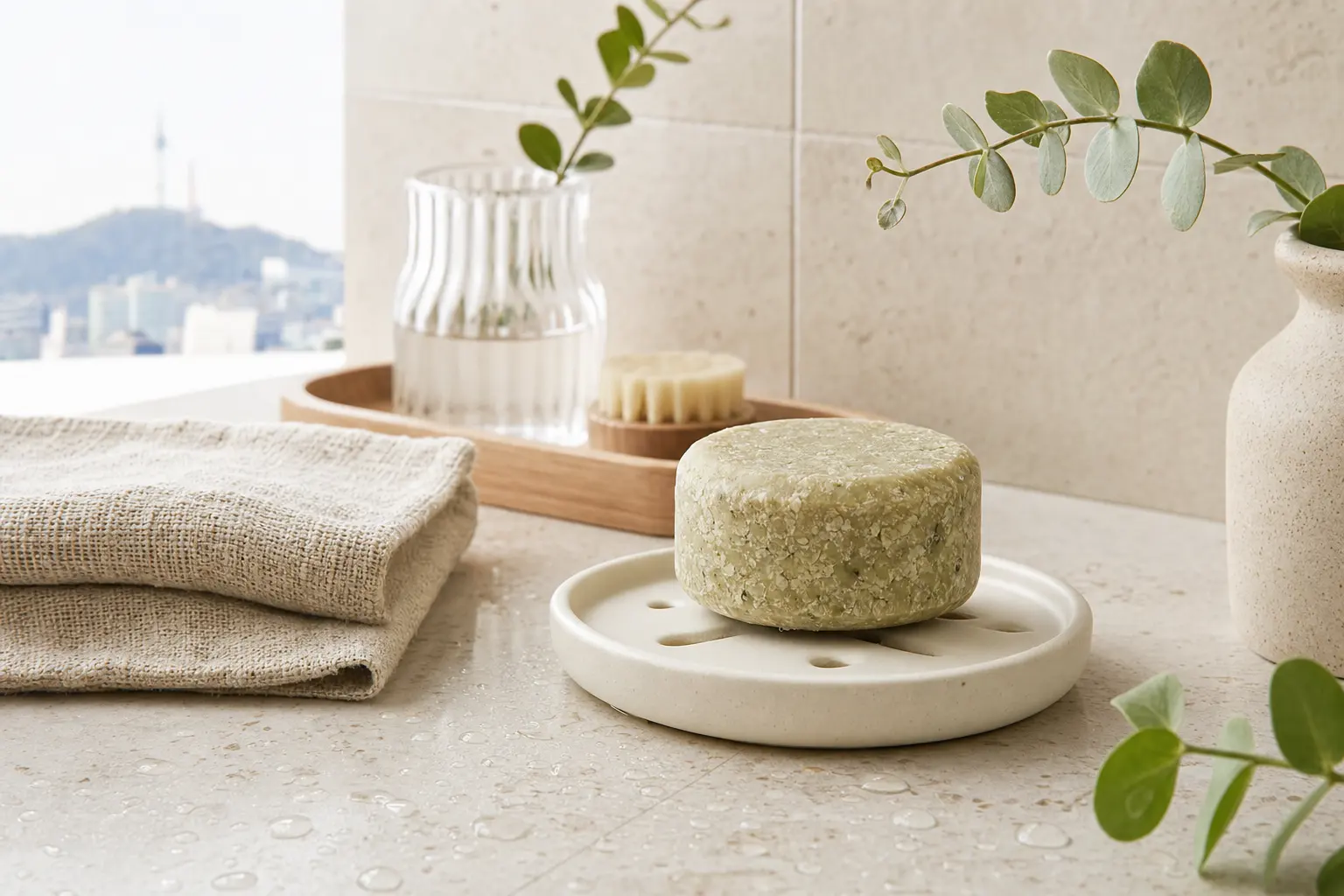
Bars need a dry place between uses so they can remain solid and comfortable to handle. Liquids are simpler if multiple people share one shower or if you prefer measured dispensing. Before buying a bar, check the label for the exact use and storage directions; the catalog tells you the format and positioning, not every handling instruction.
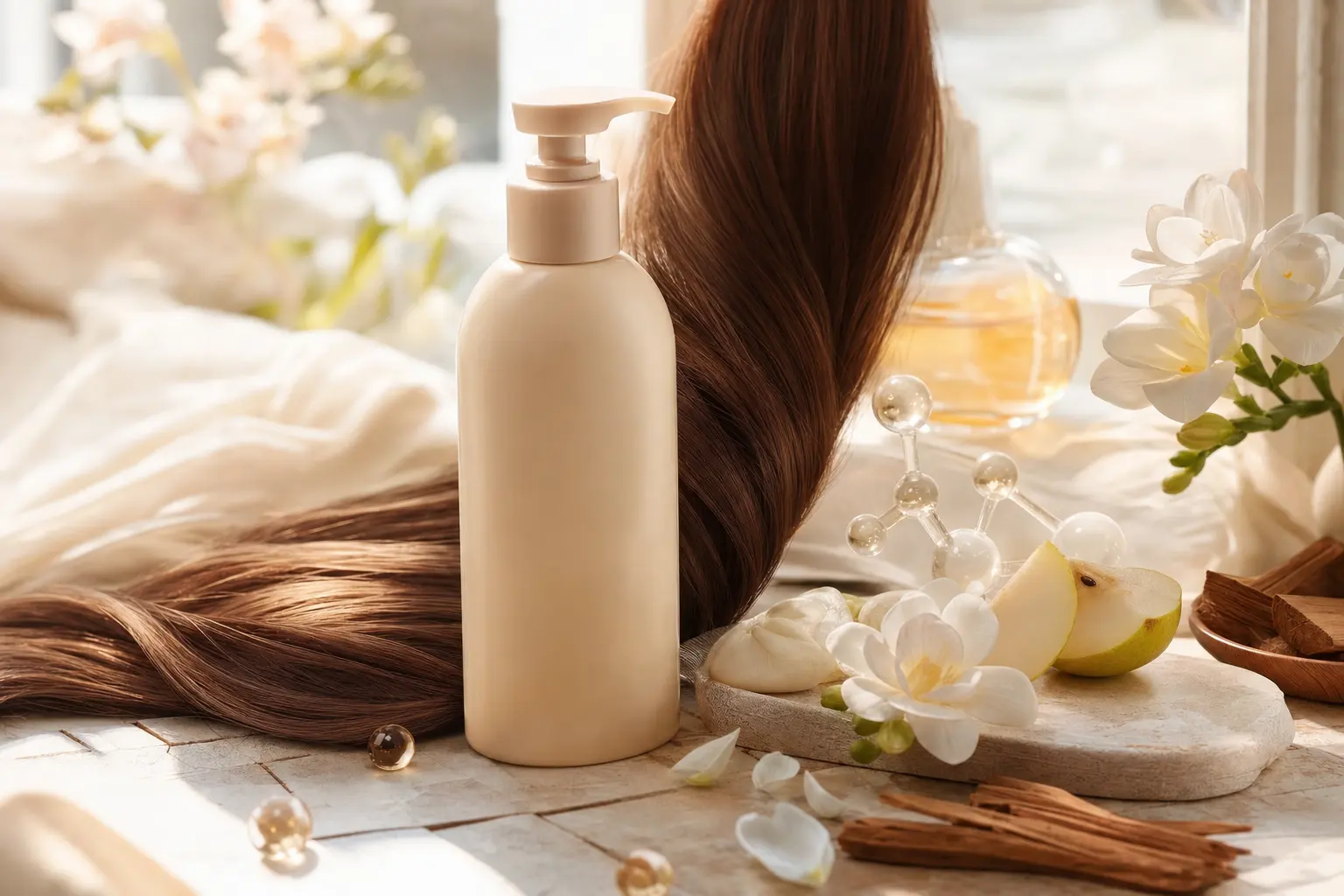
Fragrance allergens, essential oils and sensitive scalps
Fragrance deserves a calm, practical check rather than either panic or blind enthusiasm. Fragrance ingredients are among the cosmetic allergens recognized by the FDA, and dermatology guidance commonly favors fragrance-free products for eczema-prone or irritated skin [5]. That does not mean every fragranced shampoo will cause a reaction. It means a sensitive scalp should not be the place to ignore the ingredient list.
In Korea, specified fragrance-allergen components must be listed by their ingredient names rather than being hidden only under a general fragrance term. The relevant cosmetics safety notice was amended in 2024, while the broader MFDS cosmetics safety standard became effective in its amended form on March 18, 2026 [3]. Labels can change by market, so check the package you receive, especially if you are comparing a Korean label with an international listing.
What to scan before purchase
- Fragrance declaration: Look for “fragrance” or “parfum” and any separately named fragrance components.
- Essential oils and botanicals: Tea tree, mint, citrus and floral extracts may support a sensory or purifying concept, but “natural” does not mean irritation-proof.
- Surfactants: The cleansing base matters to how a shampoo fits your routine. Do not reject or select a product from one buzzword alone.
- Silicones and sulfates: If these are decisive for you, verify the complete current label. The featured catalog facts do not establish an across-the-board silicone-free or sulfate-free claim for every product.
MIGUHARA’s tea tree 4-terpineol positioning may appeal to shoppers seeking an oil-control and purifying direction, but it is still a fragranced scalp product, not a guaranteed sensitive-scalp solution. DONGGUBAT Calming has a soothing and functional catalog position, yet its mint lemon scent also means fragrance remains part of the decision.
Patch testing is not a substitute for medical advice, and a persistent irritated scalp deserves professional attention. If you already know that fragrance triggers discomfort, the sensible move is to prioritize a fragrance-free cleanser rather than trying to make a perfume shampoo fit. If you are simply cautious, buy according to the full label and stop use if discomfort appears.
How to use perfume shampoo without wasting the scent
Technique affects both cleansing and fragrance. Follow the product label first, but a useful general approach is to concentrate the wash where oil and buildup collect: the scalp and roots. Let the lather pass through the lengths rather than aggressively scrubbing the ends, especially when your hair is already dry or damaged.
- Wet thoroughly: Water helps distribute the cleanser and prevents you from using more than necessary.
- Work the scalp: Use your fingertips, not your nails, and focus on the areas that become oily or carry styling residue.
- Rinse carefully: Residue can make roots feel heavy and can blur your judgment about whether the shampoo suits you.
- Condition the lengths as needed: Keep the richer care step away from the scalp if your roots become oily quickly, unless the product directions say otherwise.
- Assess the result after drying: Record both scalp comfort and hair feel. A pleasant wet-stage scent is not enough if the roots feel coated or the ends remain rough.
Do not use a stronger amount to make the fragrance last longer. Shampoo fragrance is designed for a rinse-off routine, and adding extra cleanser usually changes the wash rather than creating a reliable perfume effect. A second cleanse may be relevant when the label supports it or when buildup demands it, but it should not become an automatic fragrance-layering trick.
If you use a bar, create lather according to the label and store the bar so it can dry between washes. TOUN28 S19P is especially relevant for shoppers who want a solid format with a sweet floral perfume direction, while DONGGUBAT Repair offers a subtle perfume finish with an eight-protein repair-care position. Bars can be convenient for reducing bottle use, but their success depends on storage and a format you actually enjoy handling.
For more everyday routine planning, pair this hair decision with a sensible [Korean body-care routine](https://empresskorea.com/korean-body-care-routine-scrub-treat-spf/) rather than treating fragrance as the whole wellness ritual. Clean hair, comfortable skin and restrained layering usually feel more polished than several competing scents.
Should you layer shampoo with conditioner or hair mist?
Layering is optional, not a requirement. A shampoo’s scent may be enough for someone who wants a light trace after washing, while another person may prefer a matching conditioner or hair mist for a more noticeable finish. Because shampoo is rinsed away, the lasting effect will vary; the product catalog may describe a long-lasting or lingering fragrance, but your hair porosity, rinse and styling routine still influence what remains.
The cleanest way to test layering is to change one product at a time. Use the shampoo alone for several washes, then add the matching next step if available and compare scent, scalp comfort and hair feel. If the result becomes too strong, return to the shampoo alone or use the secondary fragrance only on selected occasions.
Layer according to the problem you are solving
- Need softness: Add a conditioner or treatment aimed at the lengths instead of adding more perfume.
- Need a scent refresh: A hair mist may be more targeted than washing again, but verify its label and keep it away from an irritated scalp.
- Need oil control: Do not use fragrance to disguise greasy roots. Choose the scalp-care shampoo that addresses the reason for washing.
- Need restraint: Pair a warm Woody and Musk shampoo with unscented body products, or keep a sweet floral bar as the only noticeable scent in the routine.
JULYME’s two featured profiles are useful examples of why layering should follow taste. Sunset Freesia already brings freesia, pear, jasmine and amber notes, while Woody and Musk brings tuberose, neroli, jasmine, coconut, sandalwood and musk. Adding another strong floral product could make the overall impression muddy rather than more sophisticated.
Think of hair fragrance as part of your personal-care wardrobe. Fresh or clean profiles can feel easier for daytime, while amber, coconut, sandalwood and musk may suit evenings or cooler seasons. That is a styling preference, not a hair-health claim.
If your wider routine needs ingredient-led decisions, EmpressKorea’s masks and treatments selection is a more useful place to look for targeted care than asking a perfume shampoo to do every job.
The final Korean perfume shampoo buying decision
A good purchase comes down to three questions: what is happening at the scalp, what condition are the lengths in, and which scent will you enjoy without over-layering? Answer them in that order. The common mistake is to start with a dramatic perfume name, then expect it to solve oiliness, damage or hair-loss concerns that were never the product’s documented focus.
Choose MIGUHARA Daily Scalp Perfume Shampoo when oil control and a clean, fragrantly fresh scalp are the priority. Its NO SEBUM COMPLEX and tea tree 4-terpineol are the reasons it earns a scalp-focused position. Choose JULYME Damage Care Perfume Shampoo when damaged or softened-feeling lengths matter more, then select Sunset Freesia or Woody and Musk according to your scent preference.
Choose DONGGUBAT Field Blooming Perfume Shampoo Bar Repair if you want a solid repair-care format with eight proteins and a subtle perfume finish. Choose TOUN28 S19P if dry, tired hair and a sweet floral solid bar are the more relevant combination, with baobab oil, biotin, panthenol and centella-related care in its catalog description. For a calming or functional hair-loss-symptom direction, DONGGUBAT Blooming Perfume Shampoo Bar Calming has the strongest documented fit among the featured options.
What to verify before checkout
- Current scent name and full ingredient list.
- Whether the product is liquid or solid and how that fits your bathroom.
- Any fragrance-allergen, essential-oil or surfactant concerns relevant to you.
- Whether a functional claim is documented or whether the product is simply a cosmetic cleanser.
- Shipping, customs and label information for your destination.
For oily scalps, start with scalp care. For damaged lengths, start with damage care. For scent-first shopping, keep the claim modest and select the fragrance you can live with repeatedly.
That is the useful Korean hair-care lesson here: sensory pleasure belongs in the routine, but it should not replace clear product matching. If you are still building a broader K-beauty shelf, browse the cosmetics collection after this decision rather than buying a second shampoo on impulse.
Frequently Asked Questions
How long does Korean perfume shampoo scent last after rinsing?
There is no universal duration for a rinse-off fragrance. It can vary with the formula, hair condition, rinsing, drying and other scented products in your routine. Treat “long-lasting” or “lingering” as the product's positioning, not a guaranteed number of hours.
Is perfume shampoo suitable for oily hair?
Yes, but choose a scalp-focused formula rather than selecting only by scent. MIGUHARA Daily Scalp Perfume Shampoo is the featured option positioned around keeping oil at bay, with NO SEBUM COMPLEX and tea tree 4-terpineol. Damage-care or fragrance-first shampoo may not address oily roots as directly.
Can sensitive scalps use fragranced shampoo?
Some people can, but fragrance is a known cosmetic allergen category and irritated or eczema-prone scalps often call for extra caution [5]. Check the complete current label for fragrance, named allergens, essential oils and botanicals. Stop using a product if discomfort develops and seek professional advice for persistent symptoms.
Does perfume shampoo mean stronger fragrance or better cleansing?
It means the shampoo is positioned around fragrance as well as cleansing; it does not guarantee stronger cleansing. Compare the surfactant base, documented scalp or damage-care purpose and your own routine needs. The fragrance story should be the final filter, not the first proof of performance.
Are Korean perfume shampoos functional hair-loss products?
Not automatically. Functional status depends on the product's documented claim and applicable labeling, not the word “perfume.” Among the featured products, DONGGUBAT Blooming Perfume Shampoo Bar Calming is cataloged as KFDA-certified for alleviating hair-loss symptoms, while other selections are positioned around cleansing, scent, oil control or damage care.
Should shampoo scent be layered with conditioner or hair mist?
Only if you want a stronger scent and your scalp tolerates the routine. Test the shampoo alone first, then add one fragranced product so you can judge the result without creating competing notes. If softness is the goal, use a suitable conditioning step rather than adding fragrance alone.