
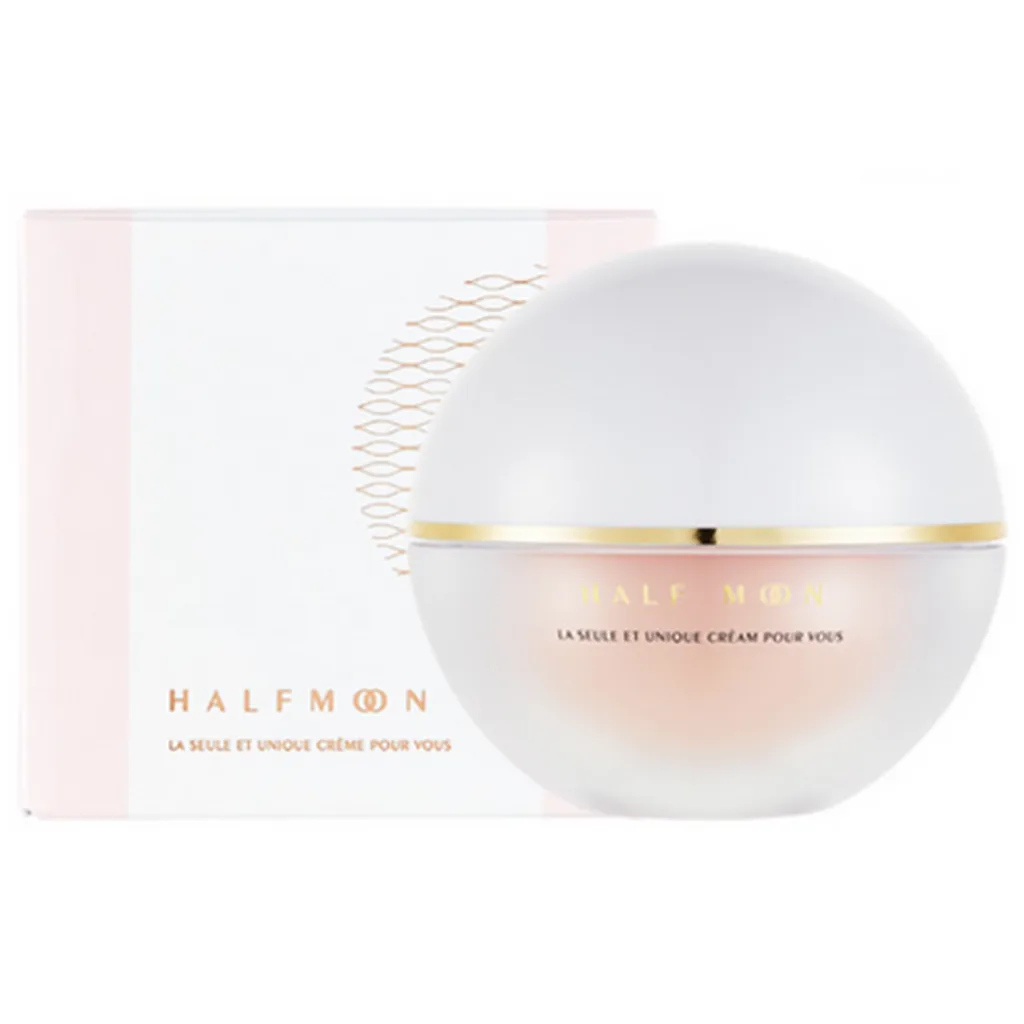
Forehead lines are stubborn for a simple reason: you make them every time you raise your eyebrows. A cream sold specifically for the forehead promises to meet that problem head-on, and the VEDAITE Half Moon Peptide Forehead Cream is one of the few products built entirely around that single zone. The question most people searching for it actually have is whether a dedicated forehead cream does anything a good all-over cream does not.
The short answer: it is a rich peptide moisturizer with adenosine, niacinamide, hyaluronic acid and ceramides, packaged and directed for the forehead. Those ingredients can make lines look softer by hydrating and smoothing the surface, and adenosine and niacinamide have modest published support. It will not stop the muscle movement that etches the lines, and it cannot do what an in-office treatment does. Buy it for targeted daily care and a comfortable texture, not as a substitute for sunscreen or a dermatologist.
What VEDAITE Half Moon Peptide Forehead Cream Is
On paper, the VEDAITE Half Moon Peptide Forehead Cream is a 50ml cream made in Korea and positioned as a forehead specialty peptide cream. Our listing names four target concerns: forehead wrinkles, a sunken forehead, expression lines and volume loss. The scent is described as a pleasant herbal fragrance.
The product does not claim to be a drug, and it should not be read as one. It is a leave-on cosmetic with a texture described as rich yet absorbing, designed to be massaged into one area of the face instead of spread across all of it.
The ingredient line-up, as listed
- BL-FILL UP Complex: the brand’s proprietary filling technology, described as plumping sunken areas of the forehead.
- Multi-Peptide Complex: a blend of peptides positioned for collagen support and expression lines. The listing does not name the individual peptides or their concentrations.
- Adenosine: a widely used anti-wrinkle ingredient in Korean skin care.
- Niacinamide: vitamin B3, included for tone and radiance.
- Hyaluronic acid: listed as multi-molecular weight, for hydration and a plumper surface.
- Ceramide complex: barrier lipids for moisture retention.
- Botanical extracts: the source of the herbal scent.
Two gaps are worth naming before you buy. The composition of BL-FILL UP is not disclosed, and neither is the peptide list. That means the most distinctive parts of the formula cannot be checked against published research. The ingredients that can be checked are adenosine, niacinamide, hyaluronic acid and ceramides, and that is where the realistic expectations come from.
Why Forehead Lines Behave Differently
Most of the face wrinkles slowly from sun exposure and time. The forehead has an extra driver: movement. Every time you raise your brows to read, react or concentrate, the skin above them folds into horizontal pleats. Early on, those lines appear only while you move. Over years they can stay visible at rest.
That distinction matters for any cream. A topical product works on the skin itself: water content, surface smoothness and, at best, the support structures underneath. It does nothing to the muscle that does the folding. In-office botulinum toxin treatment works the other way round, temporarily relaxing the targeted muscles so that fine lines and wrinkles diminish, with an effect that lasts about three to four months and sometimes longer [2].
The sunken forehead question
The listing also targets a sunken or hollow-looking forehead. That look usually comes from changes in deeper tissue and bone with age, which no cream can rebuild. What a rich, hydrating cream can do is make the surface look fuller and smoother while it is on the skin. Treat volume claims as a description of how the skin looks and feels after application, not of tissue being replaced.
None of this makes a forehead cream pointless. Fine, shallow lines and dehydration lines respond well to good moisturizing, and moisturizing traps water in the skin, which can soften the look of some fine lines [1]. It simply sets the ceiling.
What the Evidence Says About Peptides
Peptides are short chains of amino acids, and in skin care they fall into four functional groups: signal, carrier, neurotransmitter-inhibitory and enzyme-inhibitory peptides [3]. Signal peptides are meant to stimulate fibroblasts to produce more collagen, elastin and related proteins [3]. Neurotransmitter-inhibitory peptides, sometimes called botox-like peptides, aim to dampen the signal that makes a muscle contract [3].
The best-documented example
Palmitoyl pentapeptide-4 is one of the best-known signal peptides. In a 12-week clinical study with 93 female participants aged 35 to 55, it reduced wrinkles significantly compared with placebo, both on instrument measurement and expert visual grading [3]. Acetyl hexapeptide-3, the best-known botox-like peptide, reduced the severity of moderate to severe wrinkles around the eyes after four weeks of application in one study [3].
The delivery problem
The catch is getting peptides where they need to go. Peptides with relatively high molecular weight and water-loving properties face significant challenges in penetrating the stratum corneum, the outermost layer of skin [3]. The parent sequence of palmitoyl pentapeptide-4 cannot easily penetrate on its own, which is why manufacturers attach a fatty-acid chain to it [3]. Formulators also use penetration enhancers, chemical modifications and advanced delivery systems to work around the barrier [3].
So the honest reading is this. Peptides have a sensible mechanism and some controlled data for specific named molecules. Because the VEDAITE listing does not name which peptides are in its complex or at what level, you cannot map those study results onto this jar. Expect peptide benefits to be gradual and modest at best, and do not expect a topical peptide to replicate an injection. If you want to compare peptide formats more broadly, our guide to choosing a Korean peptide serum walks through the main types.
Adenosine and Niacinamide: The Better-Studied Actives
If the peptide complex is the headline, adenosine and niacinamide are the quieter ingredients with clearer published data.
Adenosine
In a blind, randomized, placebo-controlled study, 126 women aged 45 to 65 applied adenosine-containing products twice daily for two months [4]. Both the adenosine cream and an adenosine film significantly improved skin smoothness around the eyes, with changes measurable after three weeks and confirmed at two months [4]. In the 84 participants who also had frown lines between the brows, the adenosine cream significantly improved those lines too [4].
Note what that study did and did not test. It looked at crow’s feet and frown lines, not horizontal forehead lines, and it was run by a cosmetics company using surface-measurement instruments [4]. It supports adenosine as a reasonable anti-wrinkle ingredient. It does not prove a particular forehead result.
Niacinamide
In a double-blind, split-face study, 50 women with signs of facial photoaging applied 5% niacinamide to one side of the face and a vehicle control to the other twice daily for 12 weeks [5]. The niacinamide side showed reductions in fine lines and wrinkles, hyperpigmented spots, red blotchiness and sallowness, and improved elasticity [5]. The VEDAITE listing does not state its niacinamide concentration, so treat this as evidence for the ingredient, not for the dose in this cream.
Hyaluronic acid and ceramides
These two are support players. Hyaluronic acid holds water in the surface layers, and ceramides help the barrier keep it there. Together they explain most of the immediate softer-looking effect you notice after applying a rich cream. For more on how hyaluronic acid works, see our Korean hyaluronic acid serum guide.
How to Use the Forehead Cream for the Best Chance of Results
The brand’s directions are simple, and following them consistently matters more than any technique.
- Finish your usual routine first. Cleanse, then apply toner and serum.
- Take an appropriate amount on your fingertips. The listing does not specify a dose; a small amount spread thinly is enough to cover the forehead.
- Apply to the forehead only, focusing on lined or sunken areas.
- Massage upward, from the eyebrows toward the hairline.
- Pat until absorbed.
- Use morning and evening. The brand also suggests a thicker layer at night as a forehead sleeping mask.
Practical adjustments
- Morning: let the cream absorb, then apply sunscreen over it. A cream under SPF is not a reason to skip SPF.
- Oily forehead: the listing itself advises a thin layer and full absorption. Use the richer night-mask step only if your skin tolerates it without congestion.
- Near the hairline and brows: keep it clear of the eyes. A forehead cream is not formulated as an eye cream.
- Patch test first: the formula is fragranced. Try a small amount on one area for a few days before using it twice daily.
When to judge it
The brand recommends four weeks or more of consistent use. Dermatologists put it more conservatively: most products take at least six weeks to work, and sometimes it can take three months [1]. Take a photo in the same light before you start and again at eight to twelve weeks. Day-to-day mirror checks are unreliable because hydration alone changes how lines look within hours.
Who It Suits, and Who Should Skip It
A good fit if
- Your forehead lines are fine to moderate and you want a dedicated step for that area.
- Your forehead skin runs normal to dry and enjoys a rich texture. The listing names normal to dry skin as the best match for the formula.
- You like a scented, ritual-style product and will use it twice a day for months.
- You already wear daily sunscreen and want to add targeted care on top.
Think twice if
- You react to fragrance. The herbal scent comes from botanical extracts. Fragrance-sensitive skin is better served by an unscented barrier cream.
- Your forehead is very oily or acne-prone. A rich cream across the T-zone can feel heavy. A lighter gel-cream may be easier to live with.
- Your lines are deep and visible at rest. A cream can soften the surface, but deep static lines are a conversation for a board-certified dermatologist.
- You are on a tight budget. This is a premium single-zone product. An all-over peptide cream applied generously to the forehead delivers many of the same ingredient families for the whole face.
- You want to know exactly what you are paying for. The BL-FILL UP and peptide compositions are not disclosed in the listing.
If you have an active skin condition on the forehead, such as dermatitis or a persistent rash, get it diagnosed before adding new actives. A cosmetic cream is not a treatment.
VEDAITE vs Other Forehead and Peptide Options
The forehead cream is not the only way to target that zone. Here is how it compares with other formats we carry, using only what each listing documents.
| Product | Format and size | Key documented ingredients | Weigh this first | Best fit |
|---|---|---|---|---|
| VEDAITE Half Moon Peptide Forehead Cream | Rich cream, 50ml | Multi-peptide complex, BL-FILL UP, adenosine, niacinamide, hyaluronic acid, ceramides | Fragranced; peptide list not disclosed; premium price for one zone | Dry to normal foreheads wanting a dedicated daily step |
| MARSHIQUE Wrinkle Repair Forehead Line Patch | Adhesive patch, 15 patches | Six types of peptides, five types of hyaluronic acid, adenosine, collagen | Worn for 4 to 8 hours or overnight; a weekly-style treat, not a daily cream | Overnight targeted hydration on set lines |
| mixsoon Melting Collagen Neck and Forehead Film | Dissolving film, 5 sheets | Collagen, hyaluronic acid, glutathione | Small pack; surface hydration rather than a long-term routine | Occasional boost before an event |
| SIGNIQ Peptide Bounce Up Cream | Jelly-syrup cream, 50ml | Oligopeptide-1, -2, -3 and hexapeptide-11 | Whole-face product; brand data on immediate firmness, not long-term wrinkles | Budget-conscious all-over peptide routine |
| LABSENN Peptide Repair Barrier Cream | Velvety cream, 100ml | Curcumin marine peptide, ceramide NP, panthenol | Positioned for dryness and barrier, not wrinkles | Dry, sensitive skin that reacts to fragranced creams |
The patch and the film share one advantage: an occlusive layer that holds hydration against the lines for hours, which is why they can make the surface look smoother the next morning. The daily cream is the steadier long-term option. Many people combine them, using the cream every day and a patch occasionally.
If you would rather spend on a whole-face formula and simply be generous on the forehead, a named-peptide cream such as SIGNIQ Peptide Bounce Up lists the exact peptides it contains, which the VEDAITE cream does not. Browse our full Korean moisturizer collection for more peptide and barrier creams.
Sunscreen Does More for Forehead Lines Than Any Cream
The forehead faces the sky. It catches more direct sun than almost any other part of the face, and sun damage is a major contributor to how lines deepen over time. This is the least glamorous advice in the article and the most important.
A randomized trial of 903 adults under 55 compared daily broad-spectrum sunscreen use with discretionary use over four and a half years [6]. The daily sunscreen group showed no detectable increase in skin aging, and aging from baseline was 24% less than in the discretionary group [6]. No topical anti-wrinkle cream has evidence of that scale or duration.
The American Academy of Dermatology recommends a sunscreen that offers broad-spectrum protection with an SPF of at least 30, applied to all skin not covered by clothing [1]. In practice, that means the forehead every morning, including the strip along the hairline that people miss. Reapply when you are outdoors for long periods, and add a wide-brimmed hat when you can.
A mineral formula like the I’m from Rice Sunscreen suits sensitive skin, and its own directions single out the forehead for reapplication. For more options by skin type, see how to pick a Korean sunscreen you will use daily or browse the sunscreen collection.
Realistic Expectations and When to See a Dermatologist
Here is what a realistic result looks like with a cream like this, used twice daily alongside sunscreen:
- Within minutes to days: a softer, more hydrated surface. Fine dehydration lines look shallower because the skin holds more water.
- Over six to twelve weeks: possibly smoother texture and slightly softer-looking fine lines, in line with what small studies of adenosine and niacinamide have measured [4] [5].
- Not to expect: lines disappearing, a frozen forehead, or a hollow forehead refilled. Those are not cosmetic-cream outcomes.
The brand says users report improvement within 10 days. That is a brand statement, not an independent trial, and early changes at that stage are most likely hydration.
When a cream is not the answer
If your lines are deep and visible at rest and they bother you, a board-certified dermatologist can explain in-office options. Botulinum toxin should be injected by a dermatologist, and the AAD warns against having it done at non-medical spas, parties, salons or homes [2]. Fillers are a separate option for volume, also best discussed with a dermatologist. If you follow a sensible routine for a few months and still do not see the change you wanted, the AAD suggests seeing a board-certified dermatologist [1].
A good forehead cream sits comfortably alongside those choices. It keeps the skin hydrated and comfortable, and it can maintain the surface between appointments. It just should not be sold to you as a replacement for them.
Frequently Asked Questions
Does VEDAITE Half Moon Peptide Forehead Cream really reduce forehead wrinkles?
It can make fine forehead lines look softer, mainly through hydration and ingredients like adenosine and niacinamide, which have small controlled studies behind them. It does not stop the muscle movement that creates the lines, so deep lines visible at rest will improve less. Judge it after six weeks to three months of consistent use.
Can I use a regular face cream on my forehead instead?
Yes. The forehead is part of the face, and a good peptide or barrier cream applied generously there contains many of the same ingredient families. The forehead cream's advantages are a texture and directions built for that zone and a formula that combines peptides, adenosine and niacinamide in one step.
Is the forehead cream suitable for sensitive skin?
Use caution. The listing describes a pleasant herbal fragrance from botanical extracts, so fragrance-sensitive skin may react. Patch test on a small area for a few days first, or choose an unscented barrier cream instead.
Can a peptide cream work like Botox?
No. Botulinum toxin is injected by a dermatologist and temporarily relaxes the targeted muscles, with effects lasting about three to four months. Some topical peptides are designed to interfere with the signal for muscle contraction, but they must first get through the skin barrier, and their measured effects are modest.
Can I use it under makeup and sunscreen?
Yes. Apply a thin layer, let it absorb fully, then apply sunscreen and makeup. On an oily forehead, keep the morning layer thin and save the thicker sleeping-mask application for night.