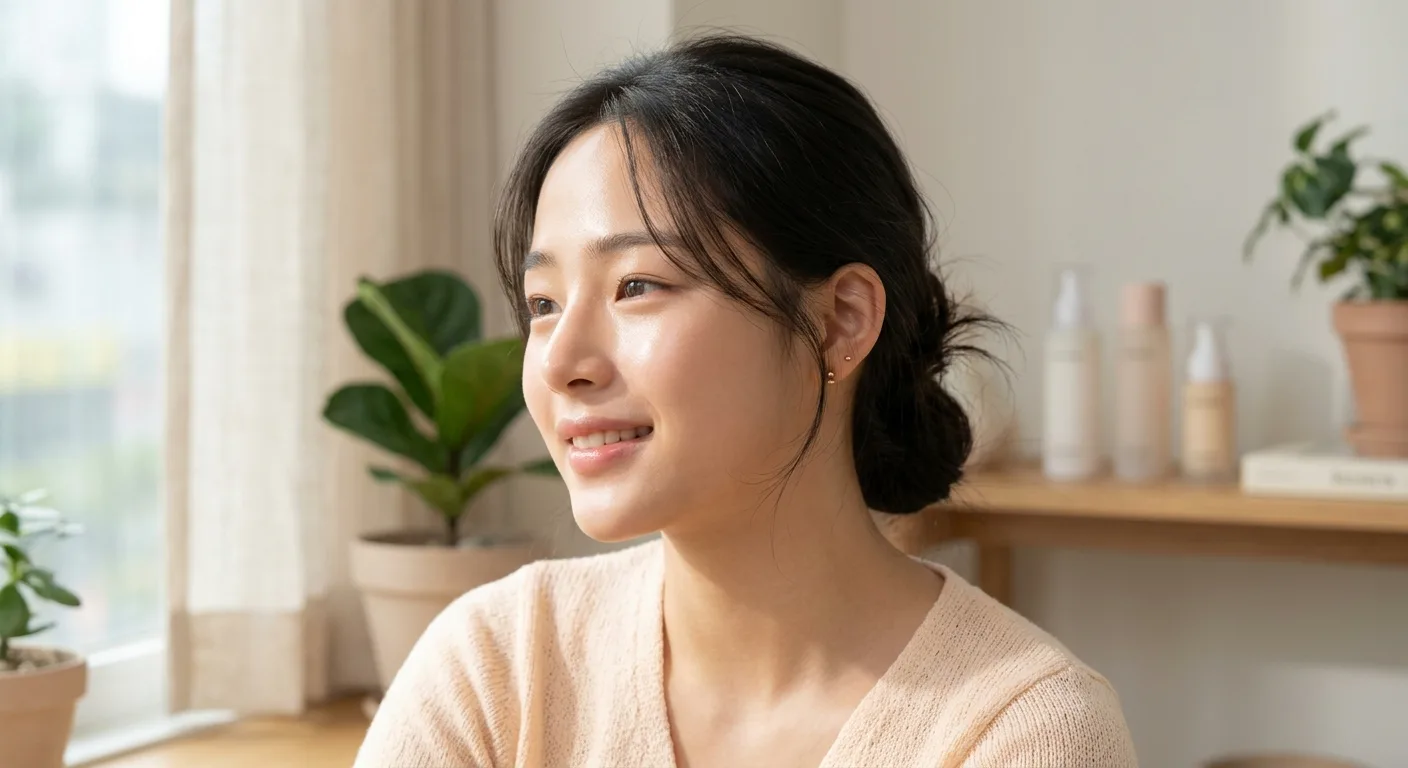
The glass skin korean routine has undergone a fascinating evolution as we move into 2026. What once started as a quest for a high-shine, almost laminated look has matured into what experts call “Bloom Skin” or “Glass Skin 2.0.” This modern approach prioritizes the intrinsic health of the skin barrier over surface-level gloss, focusing on a soft, lit-from-within luminosity that suggests vitality and resilience.
As global interest in K-beauty continues to soar, the focus has shifted from the exhaustive 10-step regimens of the past toward “strategic skincare.” By utilizing high-performance ingredients like PDRN and next-gen hydrators, you can achieve that coveted translucent finish with fewer, more effective steps. This guide will walk you through the contemporary science and traditional wisdom behind achieving a flawless Korean glow today.
Understanding Glass Skin 2.0 and the Skinimalism Shift
In early 2026, the K-beauty landscape has moved away from the “wet look” that defined the early 2020s. The current standard is all about barrier resilience. A landmark 2025 study revealed that skin barrier health can improve by up to 42% when consumers reduce redundant product layering [2]. This has led to the rise of “skinimalism,” where the goal is to use 3 to 5 high-performance products rather than a dozen mediocre ones. This approach prevents over-processing the skin, which can lead to sensitivity and dullness—the very opposite of glass skin.
The “Bloom Skin” trend emphasizes a fresh, peach-like finish. It’s less about looking like a mirror and more about looking like you’ve just stepped out of a high-end Seoul facial clinic. This transition is supported by the integration of clinical-grade ingredients into daily home care. Consumers are now looking for “skinvestments”—products that offer long-term biological benefits rather than just temporary cosmetic effects. This means looking for ingredients that support cellular turnover and collagen synthesis naturally.
Key Differences in the 2026 Routine
- Texture Focus: Instead of heavy oils, we use fermented essences and “milky” toners that sink deep into the dermis.
- Barrier First: Ingredients like Ectoin and Ceramides are no longer optional; they are the foundation of the routine.
- Clinical Integration: Home routines are now designed to complement professional treatments like PDRN injections or microneedling.
By focusing on these core principles, the modern glass skin korean routine becomes more sustainable and effective for all skin types, including those with sensitive or oily complexions who previously struggled with the heavy layering of the past.
The Foundation: Deep Cleansing and Texture Refinement
You cannot build a glass-like finish on a rough or congested base. The first step of any successful glass skin korean routine is a thorough but gentle double cleanse. This starts with an oil-based cleanser to dissolve sebum, sunscreen, and pollutants, followed by a water-based cleanser to remove any remaining residue. In 2026, we see a move toward “treatment cleansers” that contain soothing agents like Panthenol to ensure the skin barrier isn’t stripped during the process.
Exfoliation has also evolved. While physical scrubs are mostly a thing of the past in Korea, the use of PHAs (Polyhydroxy Acids) and fermented enzymes has become the gold standard. These ingredients provide a “micro-resurfacing” effect that smooths the skin’s surface without causing the micro-tears associated with harsh granules. One of the viral alternatives in 2026 for texture refinement is bean-based essences, which offer natural exfoliating properties while simultaneously hydrating the skin.
How to Refine Texture Daily
For those looking to achieve a smooth canvas, the Mixsoon Bean Essence has emerged as a top alternative for 2026. It uses fermented soybean extract to gently slough away dead skin cells while providing deep nourishment. Unlike traditional chemical exfoliants that you wash off, these fermented essences are often massaged into the skin until they “pill” slightly, lifting away debris, and then the remaining product is patted in for hydration. This dual-action approach is a hallmark of the modern Korean philosophy: never strip, always supplement.
Hydration Layering: The Secret to the Translucent Glow
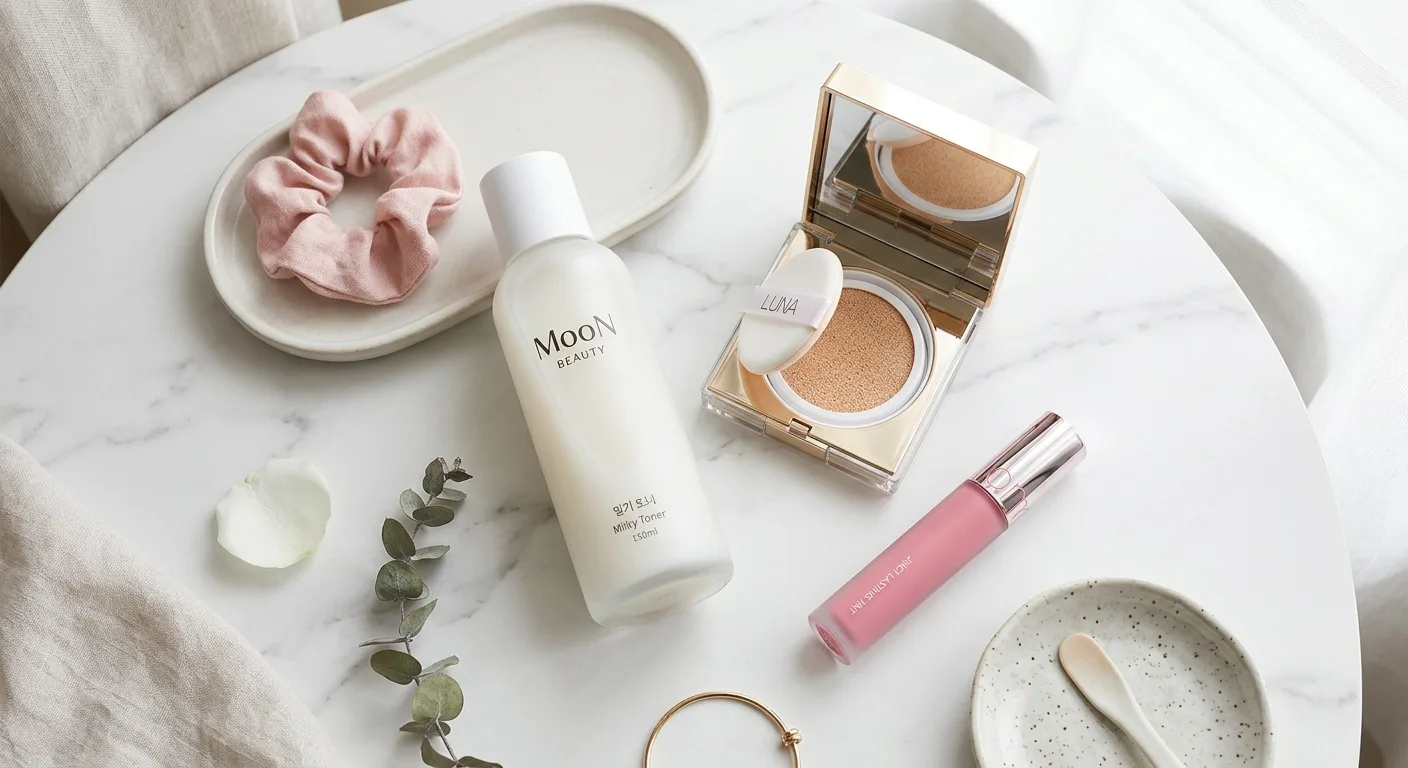
Hydration is the core of the glass skin look. However, the 2026 method favors “multi-weight” hydration. This involves using products that contain different sizes of Hyaluronic Acid molecules to penetrate various layers of the skin. A single heavy cream won’t give you glass skin; you need the “watery” layers that build a reservoir of moisture from the bottom up. Fermented milky toners are the superstars here, providing both moisture and skin-brightening nutrients in one step.
Classic staples like the I’m From Rice Toner or the Laneige Cream Skin Cerapeptide remain popular because they bridge the gap between a toner and a moisturizer. They provide that immediate “plump” effect that is essential for light reflectivity. When the skin is fully hydrated, the cells swell slightly, minimizing the appearance of pores and fine lines, which creates that smooth, glass-like surface. This is often referred to as the “internal glow” because it doesn’t rely on topical oils to shine.
The Role of Snail Mucin and Bio-Actives
Snail mucin, specifically the COSRX Advanced Snail 96 Mucin, continues to be a global favorite for its ability to repair the skin and provide a unique, tacky base that locks in previous layers. In 2026, many users are pairing this with the new “viral” ingredient: PDRN (Salmon DNA). PDRN is known for deep cellular repair and elasticity, making it the perfect partner for snail mucin in a glass skin korean routine. Together, they create a resilient, bouncy texture that reflects light perfectly.
The Perfect Base: High-Coverage Glass Foundations
While skincare is the priority, achieving an immediate glass skin effect often requires a little help from modern K-beauty makeup. The goal of 2026 makeup is to look like skin, but better. This is achieved through “low thickness” formulas that offer high coverage without the cakey appearance of traditional foundations. Cushion foundations have evolved to become skincare-makeup hybrids, often containing 60-70% hydrating essences and high SPF protection.
For those seeking the ultimate radiant finish, the UNLEASHIA Don’t Touch Glass Pink Cushion is a standout choice. It is specifically formulated to provide a “Glass Glow” finish that mimics the look of a professional facial. Its lightweight formula allows the skin to breathe while offering SPF50+ protection, which is non-negotiable in any Korean beauty regimen. The key to applying these products is a light patting motion, starting from the center of the face where coverage is usually needed most and blending outward to ensure a seamless, translucent look.
When choosing a shade, K-beauty trends in 2026 favor tones that enhance the natural undertone rather than masking it. Whether you are using a neutral shade like 21N Hyaline or a deeper tone like 25N Molten, the goal is to maintain that “translucent” quality that allows the skin’s natural health to show through. This foundation doesn’t just sit on top; it integrates with your skincare to provide an 8-hour glow that resists oxidation and dullness throughout the day.
Finishing Touches: Glass Lips and Cultural Accents
A glass skin korean routine isn’t complete without the lips. The trend for 2026 is “Tattoo Glass”—lips that look drenched in shine but possess the longevity of a stain. This mirrors the face’s glow, creating a cohesive, high-vibrancy look. Products like the QUA-T The Glass Tattoo Tint provide this dual benefit, offering a reflective finish that doesn’t disappear after a single cup of coffee. The 16 available shades, ranging from soft peaches to cool mauves, allow for a customizable “Bloom” look that fits any aesthetic.
For a more natural, everyday approach, tinted lip balms have become the go-to. The TOCOBO Glass Tinted Lip Balm is a perfect example of the 2026 “wellness-first” trend. It provides the deep hydration of a treatment with a buildable, sheer tint that enhances the lips’ natural color. This “your lips but better” philosophy is central to the modern Korean aesthetic, where the goal is to appear effortlessly healthy and hydrated at all times.
Beyond the face, Korean lifestyle trends often emphasize the “experience” of beauty and wellness. This extends to the home environment, where items like traditional glassware can elevate the daily ritual of hydration. Whether you’re drinking water, tea, or the occasional chilled soju, using beautifully crafted items like the Shin Yun-bok Discoloration Soju Glass adds a touch of cultural mindfulness to your routine. These glasses, which change color based on temperature, represent the same fusion of tradition and technology that drives K-beauty innovation.
Environmental Protection and Sunscreen Hybrids
Sun protection is the single most important step for maintaining glass skin. UV damage causes collagen breakdown, enlarged pores, and hyperpigmentation—all of which destroy the smooth, reflective surface required for the look. In 2026, the trend has shifted toward “serum sunscreens.” These are incredibly lightweight, SPF 50+ formulas that feel like a hydrating serum and leave no white cast, making them perfect for all skin tones.
Ingredients like Centella Asiatica and Hyaluronic Acid are frequently infused into these sunscreens to provide calming benefits throughout the day. The Skin1004 Madagascar Centella Hyalu-Cica is a prime example of this hybrid technology. By using a sunscreen that doubles as a primer, you reduce the number of layers on your skin, adhering to the skinimalism philosophy while ensuring maximum protection. This prevents the “heavy” feeling that often leads people to skip sunscreen, which is a fatal mistake for any glass skin aspirant.
Internal Support for External Glow
The 2026 glass skin korean routine also acknowledges that skin health starts from within. The popularity of oral collagen peptides (specifically 2.5g to 10g daily) has surged as a foundational step. Hydration isn’t just about what you put on your face; it’s about your body’s ability to retain moisture. By supporting the skin’s structural integrity with internal supplements, the topical products you apply can work more effectively to create that smooth, luminous surface.
Common Mistakes and How to Fix Your Routine
One of the most frequent errors in pursuing glass skin is over-exfoliation. In an attempt to get smooth skin quickly, many people use harsh acids too often, which damages the moisture barrier and leads to “reactive oiliness” or redness. If your skin feels tight or looks shiny in a plastic-like way rather than a healthy glow, you likely need to scale back and focus on barrier repair ingredients like Ceramides and Panthenol. Remember, the 2026 goal is “Bloom Skin,” which looks soft and resilient, not tight and fragile.
Another mistake is ignoring the impact of climate. In humid regions, a full glass skin routine can sometimes feel too greasy. In these cases, the Korean trend pivots to “Cloud Skin”—a blurred, velvety matte finish that still maintains a hint of radiance in the right places. Use a lightweight humectant instead of heavy creams, and focus your glow on the high points of the face (cheekbones and brow bones) rather than the entire T-zone. This adaptability ensures that the glass skin aesthetic remains accessible regardless of your environment.
Consistency Over Intensity
Finally, many expect overnight results. However, the natural cellular turnover cycle takes between 28 and 45 days. To truly see the transformation from a glass skin korean routine, you must be consistent for at least six weeks. This allows the ingredients like PDRN and fermented essences to actually alter the skin’s hydration levels and texture at a biological level. Patience is the ultimate secret ingredient in K-beauty.
Frequently Asked Questions
How long does it take to see results from a glass skin routine?
Typically, it takes between 28 and 45 days to see significant changes in skin texture and luminosity. This timeline aligns with the natural cellular turnover cycle, allowing new, healthier skin cells to reach the surface. Consistency in your daily hydration and protection steps is more important than using high-strength treatments occasionally.
Can I achieve glass skin if I have oily or acne-prone skin?
Yes, glass skin is achievable for oily skin types by using oil-free humectants and gentle exfoliants like PHAs. Instead of heavy oils, focus on layering watery essences and using "cloud skin" techniques that provide radiance without excess grease. Fermented ingredients like bean essence are particularly effective for refining texture in acne-prone skin without clogging pores.
Is the traditional 10-step routine still necessary in 2026?
No, the current trend in Korea has shifted toward "skinimalism," which emphasizes 3 to 5 high-performance steps. This strategic approach prevents skin irritation and barrier damage caused by over-layering. By choosing multi-functional products like serum sunscreens or cream-toner hybrids, you can achieve better results with fewer products.
What is the 'Bloom Skin' trend mentioned in 2026?
Bloom Skin is the evolution of glass skin that prioritizes a soft, natural, and healthy-looking glow over a high-shine, wet finish. It focuses on barrier resilience and a 'fresh peach' appearance, making the skin look vital and lit-from-within. This trend is more wearable for everyday life and suits a wider variety of skin types and climates.
What is PDRN and why is it popular for glass skin?
PDRN, or Polydeoxyribonucleotide, is a bio-active ingredient derived from salmon DNA that is celebrated for its deep cellular repair and skin-regenerative properties. In 2026, it has become a staple in glass skin routines because it improves elasticity and helps the skin maintain a smooth, plump texture. It is often used to achieve long-term 'skinvestment' results that go beyond surface hydration.