
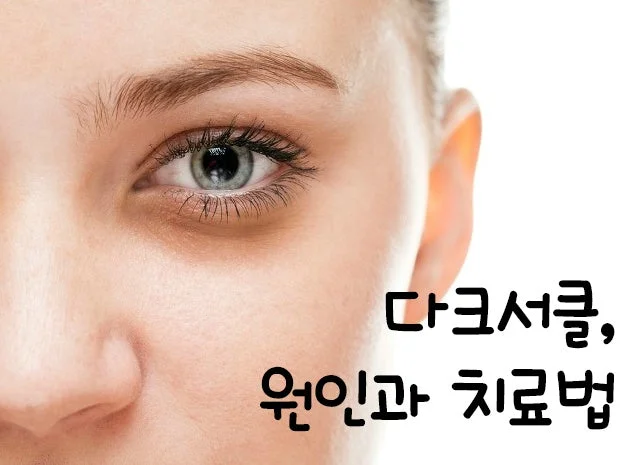
Dark circles are an appearance, not one disease. Brown discoloration may be pigment. Blue or purple tone may reflect vessels through thin skin. Puffiness can cast a shadow. A tear trough can create darkness even when the skin color is unchanged.
The former article used a fabricated skincare-expert voice and advised lemon-mint paste, frozen tea bags and twice-daily eye-area retinol. These practices can irritate skin or injure the eye and have been removed.
Five common mechanisms
| Mechanism | Typical clue | Likely limit of skincare |
|---|---|---|
| Pigment | Brown/gray color remains across lighting | Slow change; irritation can worsen it |
| Visible vessels/thin skin | Blue/purple tone, more visible with fatigue | Topicals cannot thicken anatomy on demand |
| Puffiness/fluid | Worse on waking, shadow below a bag | Temporary self-care only |
| Allergy/dermatitis/rubbing | Itch, redness, nasal symptoms or scaling | Cause must be addressed |
| Tear-trough/anatomical shadow | Changes strongly with overhead light | Cream cannot restore lost volume |
Pigment-related darkness
Genetics, sun exposure, melasma and post-inflammatory hyperpigmentation can darken the eye area. Brown and Black skin may show pigment changes more prominently.
Rubbing from allergy or irritation can create or worsen post-inflammatory pigment. Treat the trigger and stop friction before adding brightening actives.
Sun protection, sunglasses and a hat can reduce additional UV exposure. Pigment treatment close to the eye should be selected with a dermatologist because irritation and ocular exposure matter.
Thin skin and visible vessels
Lower-eyelid skin is thin, and vessels or underlying muscle can contribute blue or purple color. Aging can make skin thinner and change surrounding tissue.
Sleep loss can make existing darkness more noticeable by changing pallor and swelling, but it is not the sole cause of every circle.
Concealer can neutralize visible color. A peach/orange corrector may offset blue tones depending on skin depth, followed by a matching concealer in thin layers.
Puffiness and under-eye bags
Mayo Clinic describes under-eye bags as mild swelling that can reflect weakened supporting tissues, displaced fat and fluid accumulation. Aging, fluid retention, sleep loss, allergies, smoking, genetics and medical conditions can contribute.
Puffiness creates a shadow below the raised area. Treating “dark pigment” will not remove that geometry.
Morning puffiness may improve as fluid redistributes. Persistent or severe swelling needs cause-specific assessment.
Allergic shiners and nasal congestion
Allergic nasal congestion can slow venous drainage around the eyes, producing dark, puffy “allergic shiners.” Itch encourages rubbing and compounds the problem.
Manage allergy with a qualified healthcare plan rather than applying more eye cream. Avoid triggers where possible and keep hands away from the eyes.
New medication, breathing symptoms or severe swelling requires medical guidance.
Eczema and contact dermatitis
Eye creams, makeup, remover, fragrance, nail products, hair dye and metals can cause eyelid contact dermatitis. The reaction may appear on eyelids even when the source touched the hands or hair.
Stop the suspected product and simplify. Do not apply acids, retinoids, essential oils or bleaching agents to an itchy, scaly eyelid.
Recurring dermatitis may need dermatologist patch testing and ophthalmic input.
Tear troughs and structural shadow
A tear trough is a hollow between the lower eyelid and cheek. Genetics and aging can deepen it, causing shadow that changes with light direction.
Moisturizer can improve surface dryness but cannot replace missing volume or move fat pads. Makeup can soften the contrast.
Procedures exist, but the eye area has important vessels and anatomy. An experienced dermatologist, oculoplastic surgeon or appropriately qualified specialist should assess risks and alternatives.
Safe cool-compress use
A cool—not painfully cold—compress can temporarily reduce puffiness and discomfort. Use a clean soft cloth and short contact, and stop if skin becomes numb, painful or unusually pale.
Never place ice, a frozen metal object or a frozen tea bag directly on eyelid skin. Extreme cold can injure skin; tea material can leak or contaminate the eye.
Cool compresses do not remove pigment or correct a tear trough.
Why lemon and mint do not belong near the eyes
Lemon juice is acidic and contains fragrance compounds that can irritate skin and contribute to phototoxic reactions. Mint can sting and trigger dermatitis.
Homemade paste has uncontrolled concentration, pH and contamination. The eyelid and ocular surface are not places for daily kitchen remedies.
If a substance enters the eye, rinse as appropriate and contact poison control or an eye-care professional when symptoms persist or are severe.
Sleep, stress and hydration
Consistent sleep can reduce fatigue-associated pallor and puffiness for some people. Elevating the head slightly may reduce overnight fluid accumulation.
Hydration supports general health, but drinking extra water does not erase inherited pigment or anatomy. Stress reduction may improve sleep and rubbing habits without being a direct pigment treatment.
Fasting is not an established universal cause of dark circles. Restrictive eating, weight change or suspected deficiency should be discussed with a healthcare professional.
Eye-area moisturizer
A bland moisturizer can improve dry surface skin and reduce the appearance of fine dehydration lines. Use a small amount and keep it out of the eye.
An eye-specific product is optional; a tolerated facial moisturizer may be suitable if its label permits. Fragrance-free does not guarantee allergy-free.
Stop after burning, watering, swelling or rash.
Retinoids require caution
The former article advised retinol around the eyes morning and night. Retinoids can irritate, dry and migrate into the eye, and use depends on formulation and directions.
Use only a product intended for the area, begin conservatively and follow label or clinician guidance. Avoid applying on the mobile eyelid or too close to the lash line unless specifically directed.
Pregnancy/nursing and eye-surface conditions require professional advice. Morning use also raises stability and sun-protection considerations for many formulations.
Brightening ingredients and hydroquinone
Vitamin C, niacinamide and other cosmetic ingredients may help the appearance of pigment in some formulas, but eye-area evidence and tolerance differ.
Hydroquinone and chemical peels near the eyes should not be self-prescribed from a blog. Market rules, concentration, diagnosis and ocular safety matter.
Stop any brightening product that creates inflammation, which can worsen pigment.
Makeup correction
Use thin layers to avoid emphasizing texture. Peach, salmon or orange corrector can offset blue/purple tone; yellow or peach may help some brown/gray appearances. Exact color depends on skin depth.
Place concealer only where darkness exists and blend the edge. Heavy pale triangles can turn gray or flatten natural dimension.
Remove makeup gently and keep brushes/sponges clean.
Procedures match causes
Clinicians may consider prescription topicals, peels, lasers, fillers, platelet-rich plasma or blepharoplasty depending on pigment, vessels, laxity, fat or hollowness.
Each has limitations and risks. Fillers can cause swelling, irregularity, color change, vascular occlusion and rare vision-threatening complications. Lasers and peels can cause pigment change.
Seek a qualified professional with eye-area expertise and discuss no-treatment and makeup options.
When to seek care
Dark circles are usually cosmetic, but one-sided change that worsens, unexplained bruising, pain, redness, vision change, headache, rash or persistent/severe swelling needs evaluation.
Mayo Clinic advises care when bags cause vision problems, irritation or headaches or occur with rash. Providers may assess allergy, thyroid disease, infection or other conditions.
After facial trauma, sudden bruising or eye symptoms, seek prompt medical care.
What a clinical assessment may include
A clinician can ask when darkness began, whether it is one-sided, what changes with light or posture, and whether there is itch, nasal congestion, rash, swelling, pain, vision change, medication use, family history or recent weight change.
Examination may separate surface pigment from visible vessels, eyelid bags, tear-trough hollow, dermatitis or bruising. Pulling or lighting the skin in different directions can show whether shadow or color dominates, but self-tests are not a diagnosis.
Blood tests or imaging are not routine for ordinary bilateral cosmetic circles. They may be considered when symptoms or history suggest anemia, thyroid disease, kidney disease, infection, trauma or another condition. Avoid ordering supplements from appearance alone.
Do not self-treat presumed nutrient deficiency
Iron, vitamin B12 and other deficiencies can have systemic symptoms, but dark circles alone do not establish one. Unnecessary iron can cause harm and interact with conditions or medicines.
Discuss fatigue, diet, bleeding, weight change and other symptoms with a healthcare professional. Testing and treatment should match the suspected deficiency.
A balanced diet supports health, while one food or supplement cannot selectively erase tear-trough pigment or shadow.
Eye-area cosmetic hygiene
Wash hands, keep concealer and brushes clean, and do not share eye products. Discard products used during an eye infection and stop anything that causes watering, burning or lid swelling.
Keep powders and creams out of the eye and avoid applying on broken skin. Remove makeup without rubbing; hold an appropriate remover briefly and wipe gently according to directions.
Expired mascara or contaminated tools can create eye problems unrelated to dark circles.
A cause-first checklist
- Color remains constant or changes with lighting?
- Puffiness, itch, nasal congestion or scaling present?
- One eye or both?
- Recent rubbing, product, medication, illness or trauma?
- Surface dryness versus structural hollow?
- Safe self-care tried without irritating remedies?
- Any vision, pain, rash or progression needing care?
The right dark-circle strategy begins by deciding whether the visible problem is color, vessel, fluid, inflammation or shadow. One cream cannot solve all five—and a kitchen acid should never be the shortcut.
Sources
- Cleveland Clinic: Dark Circles Under the Eyes
- Mayo Clinic: Dark Circles—Causes and Referral
- Mayo Clinic: Bags Under Eyes
- Cleveland Clinic: Allergic Shiners
- American Academy of Dermatology: Contact Dermatitis Clues
- FDA: Cosmetics Labeling Claims
Frequently Asked Questions
Does lack of sleep cause all dark circles?
No. Sleep loss may make existing vessels, pallor or puffiness more visible, but genetics, pigment, allergy, dermatitis, aging and tear-trough shadow are separate causes.
Can I use lemon juice or mint under my eyes?
No. They can irritate delicate eyelid skin, and lemon can contribute to phototoxic reactions. Homemade mixtures also have uncontrolled pH and contamination risk.
Is a cold compress safe for dark circles?
A clean cool compress for short contact may temporarily reduce puffiness. Do not apply ice or frozen objects directly, and stop with numbness, pain or color change.
Can retinol remove dark circles?
Not every cause. Retinoids may be considered for specific skin changes but can irritate and migrate into eyes. Use only eye-area-appropriate products under label or clinician guidance.
When are dark circles a reason to see a doctor?
Seek evaluation for one-sided progression, pain, redness, rash, vision change, headache, persistent/severe swelling, unexplained bruising or symptoms after trauma.