
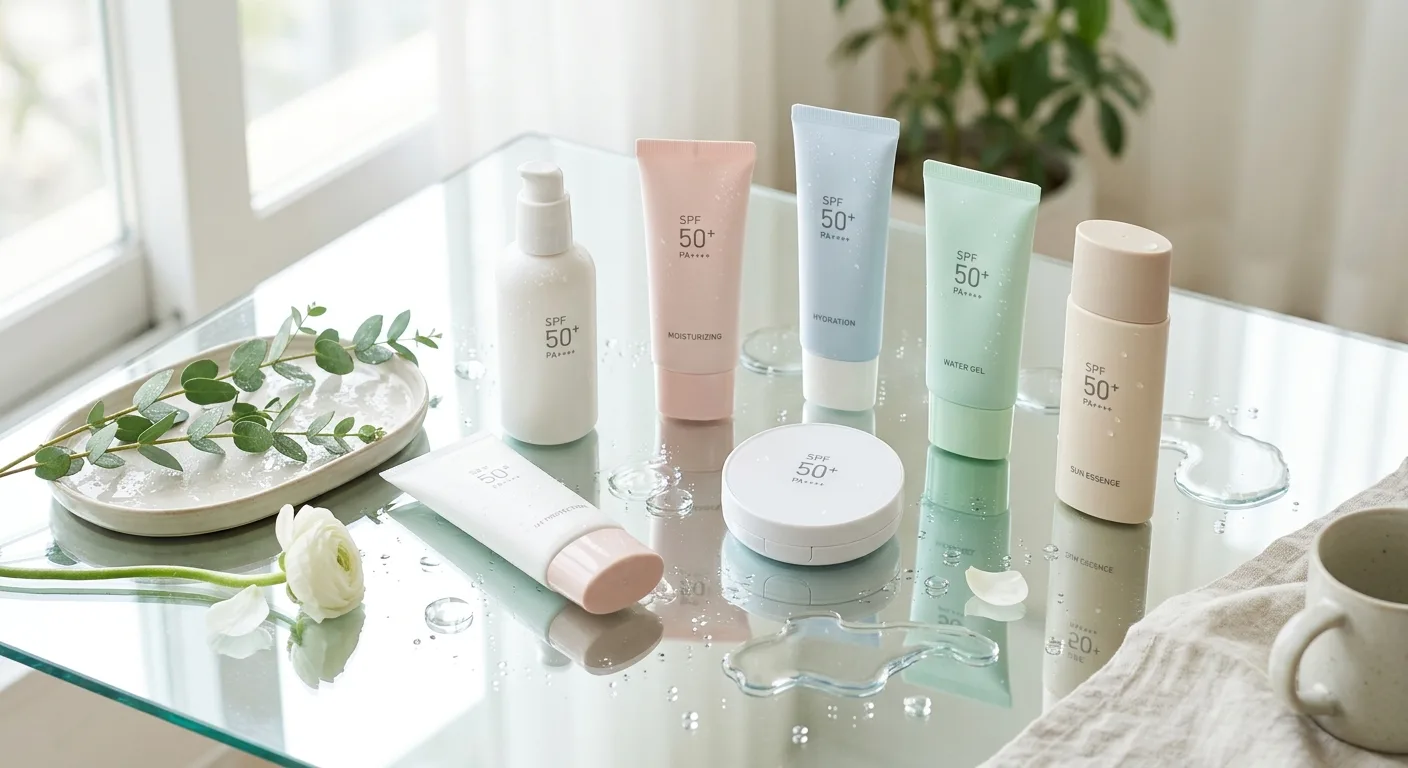
When it comes to the ultimate sunscreen sunscreen skin-care routine, Korean beauty has set a global standard that remains unmatched in 2026. For K-beauty enthusiasts, sun protection is no longer just a beach-day chore; it is the most vital step in a functional skincare regimen, designed to prevent premature aging and maintain skin health with cosmetic elegance.
As of June 2026, the shift toward ‘skincaring’ sunscreens has reached its peak, blending advanced UV filters with regenerative ingredients like PDRN and Cica. In this guide, we will explore the latest innovations from Seoul that make wearing SPF a luxurious experience rather than a greasy necessity.
The Evolution of Sunscreen Sunscreen Skin-Care in 2026
The landscape of sun care has changed dramatically over the last few years. By mid-2026, the South Korean sun care market has grown to an estimated $805 million, driven by the demand for products that act as both a moisturizer and a shield. The global market, particularly in the United States, has embraced Korean SPF technology because it manages to provide high-level protection without the traditional ‘heavy’ feel of western formulas.
One of the primary reasons for this dominance is the early adoption of next-generation filters. While many regions are still catching up with regulatory shifts, Korean manufacturers have perfected the use of Tinosorb S, Tinosorb M, and Uvinul A Plus. These filters allow for a ‘zero cast’ finish on all skin tones and a texture that feels like a light lotion. This cosmetic elegance is the cornerstone of the sunscreen sunscreen skin-care philosophy—if it feels good, you will actually wear it every day.
Why 2026 is the Year of Regenerative SPF
- Biotech Integration: Modern formulas now include exosomes and salmon DNA (PDRN) to repair skin at a cellular level while blocking UV rays.
- Airy Textures: Emulsification techniques have advanced so far that even high-protection creams can feel like water on the skin.
- Standardized High Protection: SPF50+ and PA++++ (UVA-PF 16+) have become the baseline standard for any reputable K-beauty brand.
Choosing a product that fits this modern standard often means looking for formulas that support the skin barrier. For those who need a reliable, high-performance option that provides a boost to overall skin wellness, the right choice can make all the difference in your long-term anti-aging results.
The Rise of 'Skincaring' and Hybrid Formulas
The term ‘skincaring’ refers to the fusion of active skincare ingredients with high-index sun protection. In 2026, consumers no longer want to layer five different products in the morning. Instead, they look for a sunscreen sunscreen skin-care product that hydrates, calms, and protects in one step. This trend has birthed the ‘Sun Serum,’ a category of UV protection that mimics the viscosity of a traditional ampoule or essence.
Hybrid sunscreens, or ‘honhab-jacha,’ are particularly popular this year. These formulas combine the immediate physical reflection of mineral filters (like Zinc Oxide) with the sophisticated absorption of chemical filters. This combination provides the broadest spectrum of protection while minimizing the white cast often associated with pure mineral blocks. For many, this represents the perfect balance of safety and aesthetics.
Benefits of Using Hybrid Sunscreens
- Immediate Protection: Mineral components start working the moment they are applied.
- Smooth Finish: Chemical filters ensure the formula spreads evenly and doesn’t pill under makeup.
- Sensitive Skin Friendly: By using smaller amounts of various filters, these formulas often reduce the risk of irritation compared to high-concentration single-type sunscreens.
If you are looking for a product that captures this hybrid technology while providing a radiant, ‘foundation-free’ look, some formulas even offer a subtle tone-up effect. This is ideal for those who want to look polished without a full face of makeup.
Lightweight Textures for Oily and Acne-Prone Skin
A common complaint in the past was that sunscreen caused breakouts or felt like a mask of oil. However, the sunscreen sunscreen skin-care innovations of 2026 have effectively solved this problem. The introduction of ‘Airy Water’ and ‘Sun Serum’ textures has revolutionized the experience for those with oily or acne-prone skin. These formulations use water-based solvents and light emulsion systems that are non-comedogenic, meaning they won’t clog pores.
These lightweight products often contain sebum-regulating ingredients like niacinamide or heartleaf extract. Niacinamide is especially valued in 2026 for its ability to strengthen the skin barrier and brighten the complexion while the UV filters prevent further darkening of acne scars. When these ingredients are delivered in a water-like texture, the skin absorbs the product quickly, leaving a matte or natural finish that is perfect for humid summer months.
The Two-Finger Rule for Lightweight SPF
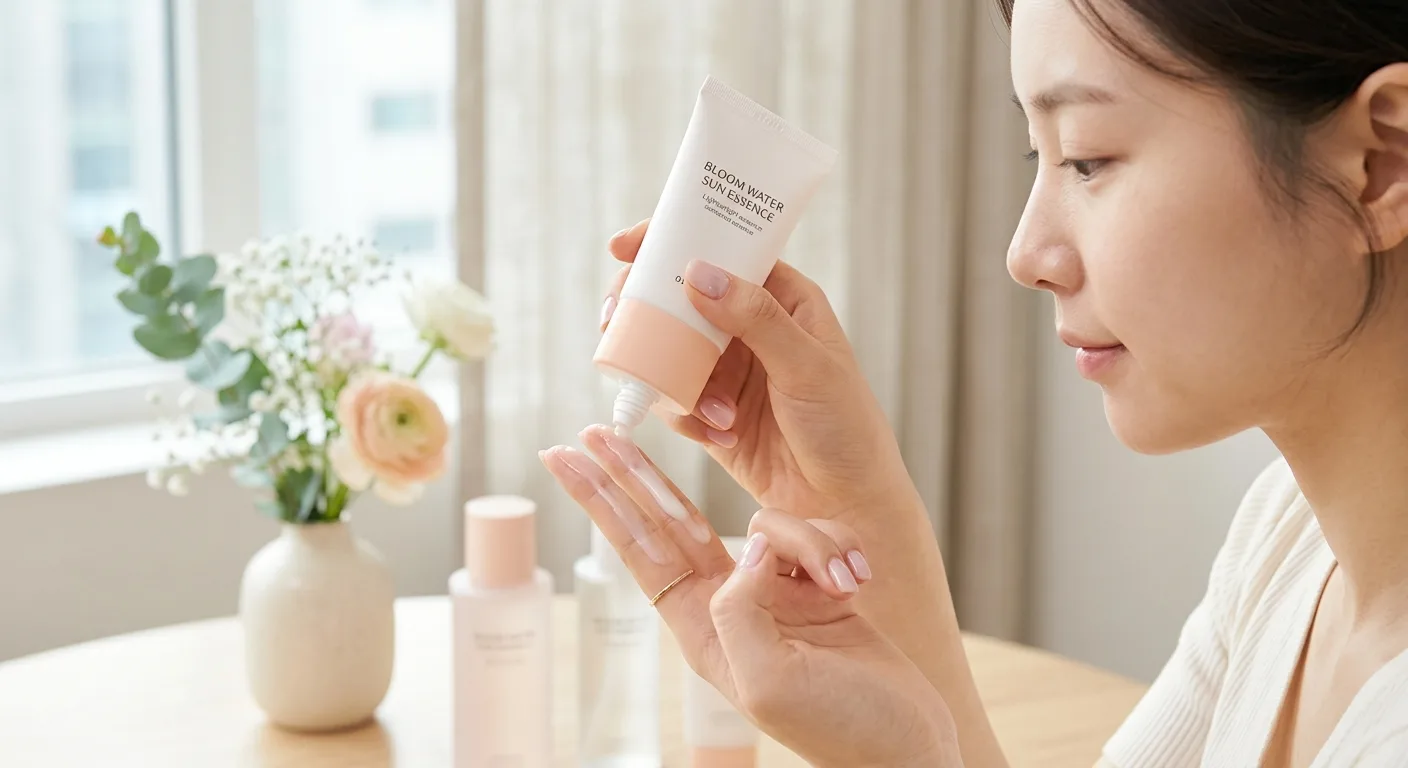
Because these formulas are so thin, many users make the mistake of under-applying. To ensure you are actually getting the SPF 50+ protection promised on the bottle, you should follow the ‘two-finger rule.’ Draw two lines of sunscreen down your index and middle fingers; this is the minimum amount required for the face and neck. With modern lightweight formulas, this amount will still absorb completely without feeling heavy.
Soothing and Calming Sun Protection for Sensitive Skin
For those with reactive or sensitized skin—perhaps from over-exfoliation or professional laser treatments—sunscreen sunscreen skin-care becomes a tool for recovery. In 2026, ‘Laser Soothing’ sunscreens have become a staple in many Korean households. These are formulated to be hypoallergenic and often omit artificial fragrances and essential oils that might trigger redness.
Ingredients like Centella Asiatica (Cica) and Madecassoside are frequently included in these soothing formulas. These botanical extracts are known to calm inflammation and support the skin’s natural healing process. When the skin is protected from the heat and UV radiation of the sun, it can focus its energy on repair. Furthermore, many of these sunscreens are tested for ‘fine dust adsorption prevention,’ which is crucial in urban environments where pollution can exacerbate skin sensitivity.
What to Look for in a Soothing Sunscreen
- Hypoallergenic Labeling: Ensures the product has undergone testing to minimize allergic reactions.
- Fragrance-Free: Reducing potential irritants is key for compromised barriers.
- Water-Resistance: Especially important if your skin is prone to sweating, as it prevents the product from running into the eyes.
A high-quality soothing sunscreen should feel like a ‘safety blanket’ for your face, providing a cooling sensation upon application and keeping the skin hydrated for hours.
The Importance of Everyday Protection: UVA vs. UVB
A critical aspect of the sunscreen sunscreen skin-care mindset is understanding that UV protection is necessary even on cloudy days or when staying indoors. UVB rays are responsible for burning the surface of the skin, but UVA rays—which make up 95% of the UV radiation reaching the Earth—penetrate deeper into the dermis. UVA rays can pass through glass windows and are the primary cause of long-term photoaging, including wrinkles and loss of elasticity.
In the Korean rating system, the ‘PA’ ranking measures UVA protection. By 2026, the PA++++ rating is the gold standard, indicating a UVA Protection Factor (UVA-PF) of 16 or higher. This level of defense is essential for anyone spending time near windows or driving, as UVA exposure is cumulative. Consistent use of a high-PA sunscreen is the most effective way to prevent the breakdown of collagen over time.
The Role of Antioxidants in SPF
Many 2026 formulas also include antioxidants like Vitamin E (Tocopherol) or Green Tea extract. These ingredients work synergistically with UV filters to neutralize free radicals generated by the sun. This ‘double defense’ strategy ensures that even if a small amount of UV radiation bypasses the physical and chemical filters, the skin’s internal defenses are ready to prevent oxidative stress.
Mineral Sunscreens: The Gentle Shield
While chemical filters are praised for their texture, mineral (inorganic) sunscreens remain the top choice for children, pregnant women, and those with extremely sensitive skin. Mineral sunscreens primarily use Zinc Oxide or Titanium Dioxide to reflect UV rays away from the skin like a mirror. In 2026, technology has advanced to ‘non-nano’ mineral particles, which provide excellent protection without being absorbed into the bloodstream or harming coral reefs.
The major challenge with mineral sunscreens has historically been the white cast and a ‘stuffy’ feeling. However, current Korean formulations use specialized dispersion techniques to create ‘Mild’ or ‘Airy’ mineral shields. These products adhere firmly to the skin, making them excellent for outdoor sports or long days in the sun where you need a barrier that won’t budge. They are also naturally more stable than chemical filters, meaning they don’t degrade as quickly when exposed to direct sunlight.
How to Apply Mineral SPF for a Flawless Finish
- Prep with Moisture: Apply a light moisturizer first to prevent the mineral powder from clinging to dry patches.
- Pat, Don’t Rub: Gently pat the sunscreen into the skin to ensure an even, non-streaky layer.
- Give it Time: Allow the mineral shield to ‘set’ for 5-10 minutes before applying any makeup over it.
For those who prioritize a clean, inorganic formula that focuses on gentle, firm adhesion, there are specific ‘mild’ options that provide top-tier protection without the irritation often found in traditional sunblocks.
Frequently Asked Questions
Do I really need to reapply sunscreen every two hours?
Yes, reapplication is crucial because UV filters can degrade under direct sunlight, and the protective film can be disturbed by sweat, oil, or touching your face. In 2026, sun sticks have become the most popular tool for hygienic reapplication over makeup. If you are outdoors or sitting by a window, a fresh layer every two hours ensures the SPF 50+ rating remains effective. For indoor office workers, a mid-day touch-up is usually sufficient.
What is the difference between SPF and PA ratings?
SPF (Sun Protection Factor) primarily measures protection against UVB rays, which cause sunburn and contribute to skin cancer. The PA rating (e.g., PA++++) measures protection against UVA rays, which are responsible for deep-tissue damage and premature skin aging. Korean sunscreens typically emphasize both, with PA++++ being the highest available level of UVA defense. Always look for a product that features both high SPF and high PA ratings for broad-spectrum coverage.
Can I use sunscreen instead of a moisturizer?
With the 2026 'skincaring' trend, many Korean sunscreens are formulated with enough humectants and emollients to replace a daytime moisturizer, especially for oily or combination skin. Ingredients like birch juice, hyaluronic acid, and glycerin provide ample hydration. However, if you have very dry skin, you may still benefit from applying a thin layer of cream or a milky toner before your sunscreen. The key is to ensure the sunscreen is the final step of your skincare routine.
Will Korean sunscreens leave a white cast on darker skin tones?
Most modern Korean chemical sunscreens are formulated to be completely transparent, making them suitable for all skin tones without leaving a ghostly residue. Hybrid and mineral formulas have also improved significantly, using micronized particles to reduce the white cast. If you have a deeper skin tone, look for 'essence' or 'serum' textures, which are specifically designed to vanish into the skin upon application. Always check for 'zero-cast' claims in the product description.
Is reef-friendly sunscreen actually important?
Protecting marine ecosystems has become a major priority in the 2026 beauty industry. Many Korean brands now exclude oxybenzone and octinoxate, chemicals known to contribute to coral bleaching. Choosing a 'reef-friendly' or 'ocean-safe' sunscreen ensures that your beauty routine doesn't have a negative environmental impact when you swim in the ocean or even when the product washes off in the shower. It is a conscious choice that benefits both your skin and the planet.