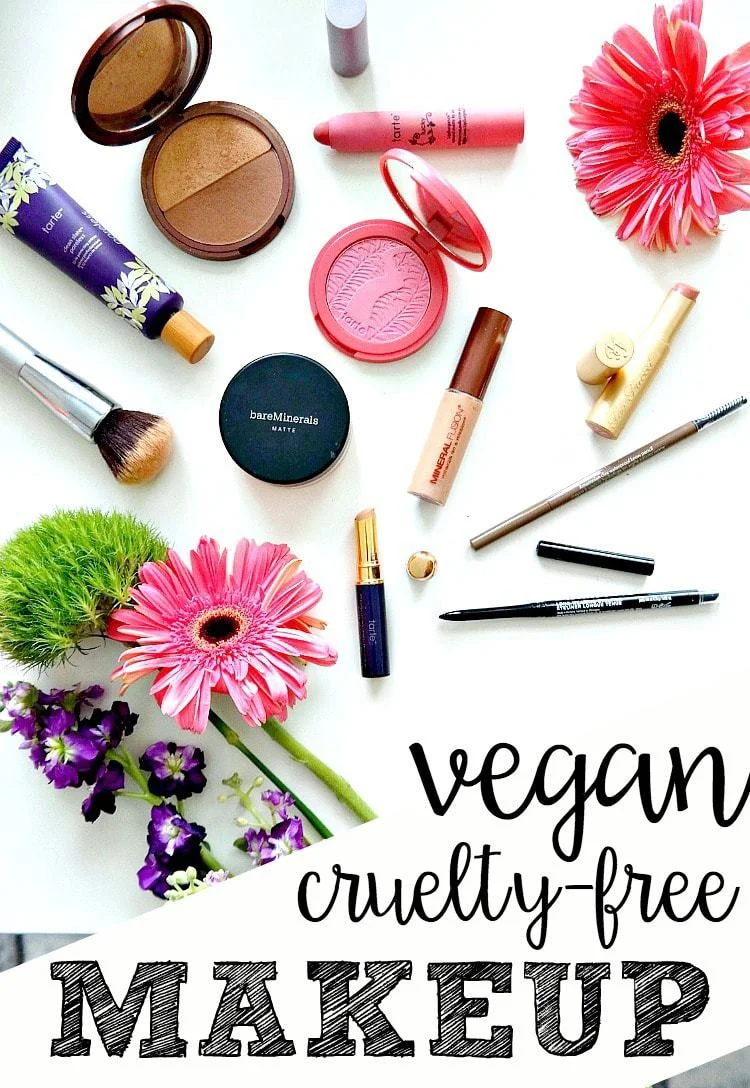
Ethical makeup shopping is not solved by finding a rabbit icon. A product can contain no animal-derived ingredients while lacking a verified no-new-animal-testing supply-chain policy. Another can be certified under a cruelty-free standard while still containing beeswax or carmine. The questions overlap, but they are not synonyms.
The former article offered ten broad tips but treated logos as simple proof, suggested indie brands are inherently more ethical and linked vegan purchasing automatically to recyclable or biodegradable packaging. A reliable method must identify the claim owner, standard, scope, formula and date.
Start with two separate questions
| Question | Evidence to seek | Common gap |
|---|---|---|
| Is the formula vegan? | Exact-SKU certification or supplier-confirmed formula | Brand has only selected vegan products |
| Is the testing policy cruelty-free? | Current certifier listing and supply-chain standard | Claim applies only to finished product |
| Does it apply in my market? | Region, distributor and formula confirmation | Different SKU or regulatory route |
| Does parent ownership matter to me? | Current corporate structure | Confusing personal policy with certification scope |
| Is packaging lower impact? | Material, percentage and local disposal route | Vague “eco” or recyclable claim |
What “vegan” should cover
A formula-level vegan claim generally means no intentionally used animal product, by-product or derivative under the chosen standard. The Vegan Society standard addresses ingredients and development/manufacture, animal testing under company initiative or control, and reasonable steps to minimize cross-contamination.
Other vegan programs may define scope differently. Read the actual standard rather than assuming every “V” logo carries The Vegan Society’s requirements.
What “cruelty-free” should cover
A strong cruelty-free program looks beyond whether the final lipstick was placed on an animal. It asks about ingredients, suppliers, third-party manufacturers, commissioned testing and foreign-market activity after a defined cutoff.
FDA notes that U.S. phrases such as “cruelty-free” and “not tested on animals” have no legal definition. Some companies use them only for the finished product while suppliers or contract laboratories may have other histories.
Leaping Bunny is not a vegan certificate
The Leaping Bunny standard uses a fixed cutoff date, supplier declarations, annual monitoring and possible independent audit to address new animal testing. Its company guide explicitly asks whether products contain animal ingredients for consumer information, but certification does not depend on their absence.
A Leaping Bunny-listed brand can therefore be cruelty-free under that standard while selling formulas that are not vegan. Check both claims when both matter.
The Vegan Trademark has a different scope
The Vegan Society states that product manufacture and development must not involve animal products, by-products or derivatives. It also prohibits animal testing initiated by or conducted on behalf of the company or parties under its effective control and requires reasonable cross-contamination management.
The trademark is renewed yearly. Verify the product in the current registry or through the certifier instead of relying on an old package photo.
Self-created bunny logos are not certification
A rabbit silhouette can be brand artwork. Look for the certifier’s exact name, trademark and directory entry. Similar-looking icons without an issuer, standard or searchable record provide no independent verification.
Check spelling, territory and company name. A distributor may display a claim that belongs to the brand or to only one range.
Brand-level and product-level approval differ
Cruelty-free programs often approve a company or brand range, while vegan certification may attach to individual SKUs. “This brand is vegan” can be false when only a capsule collection is registered.
Match product name, shade, size and formula version. Limited editions and collaborations deserve their own check.
Ingredients with ambiguous sourcing
Beeswax, carmine/cochineal, lanolin, shellac, animal-derived collagen and keratin are recognizable examples. Other materials such as glycerin, stearic acid, squalene or certain color and conditioning materials can have plant, synthetic or animal sources.
An INCI name may not disclose origin. Certification, manufacturer confirmation or supplier documentation is stronger than an ingredient-decoder guess.
Color makeup needs shade-level checking
One shade family may use carmine while another uses mineral or synthetic color additives. A vegan foundation does not prove every red lipstick or blush in the brand is vegan.
Verify the exact shade. Formula-change notices and current package ingredients matter more than an older review.
Historical testing and new testing are different
FDA points out that many cosmetic raw materials were tested on animals historically. Most current cruelty-free standards focus on no new testing after a cutoff rather than claiming that no ingredient was ever tested in the past.
Ask what the policy actually promises. “Never tested” may overstate what can be known across decades of ingredient history.
Market law does not replace voluntary verification
The EU prohibits cosmetic-purpose animal testing of finished products and ingredients and maintains a marketing ban, phased in through 2013. That legal framework is important, but a shopper may still care about company activity outside the EU, supplier monitoring or animal testing performed for other chemical-law purposes.
A product’s EU availability is therefore not identical to a voluntary global certification. Use each as evidence within its own scope.
Country-sale claims need current evidence
Rules, exemptions and distribution models change. Do not maintain a static “sold in country X means tested” blacklist without current official evidence about the exact sales route and formula.
Ask the brand whether it sells through ordinary retail, cross-border ecommerce or another route and whether authorities or third parties can commission testing.
Parent companies are a values decision
A certified subsidiary does not automatically transfer certification to its parent, and a parent’s policy does not automatically invalidate the subsidiary’s verified supply-chain controls. Certification scope and where profit flows are different questions.
Decide your threshold in advance: support any certified brand, only independent certified companies, or only groups whose entire portfolio meets your standard. State it as a personal purchasing policy, not a factual correction to certification.
Indie does not mean ethical by default
Small brands may be transparent and innovative, but size does not prove supplier documentation, testing control or manufacturing oversight. Limited resources can make certification harder without making a self-claim false; it also makes evidence more important.
Request the same details from indie and multinational brands: standard, cutoff date, suppliers, contract manufacturers, regions and formula scope.
Brushes and tools have their own bill of materials
Synthetic bristles avoid animal hair, but a vegan tool assessment may also consider adhesive, handle coatings, leather cases and cleaning products. “Synthetic brush” answers only the filament question.
For cruelty-free status, determine whether the tool brand’s cosmetic or household-cleaner claims fall within the certifier’s product categories.
Vegan does not mean hypoallergenic
Plant oils, fragrances, preservatives and synthetic colorants can cause irritation or allergy. Animal-free formula sourcing does not prove noncomedogenicity, eye safety or performance.
FDA keeps product safety responsibility with the manufacturer. Follow intended-use labeling and test a new formula based on skin history.
Cruelty-free does not mean “chemical-free”
All cosmetics are made of chemicals in the scientific sense. Non-animal safety methods still require toxicology, exposure assessment, literature and scientifically sound testing.
Ethical testing policy should not be marketed as absence of safety evaluation. FDA supports non-animal alternatives while requiring adequate safety substantiation.
Packaging is a third independent claim
A vegan formula can use a hard-to-recycle mixed-material compact. A cruelty-free company can sell a refillable package, or not. Environmental impact requires material, manufacturing, transport, reuse and local end-of-life evidence.
FTC advises qualifying recyclable claims when suitable facilities are not broadly available and specifying recycled-content percentages. A recycling triangle alone does not guarantee local acceptance.
Build an evidence ladder
- Current certifier directory entry for the exact brand or product.
- Published certification standard and scope.
- Current package and official formula statement.
- Written brand answer naming suppliers, cutoff and regions.
- Retailer claim that links to the underlying evidence.
- Independent database with date and methodology.
- Undated social post, logo image or crowd-sourced list.
Lower evidence can generate a question but should not override a current primary record.
A reusable brand questionnaire
- Which exact products or brands are certified, by whom, and until when?
- What is the animal-testing cutoff date?
- Are ingredient suppliers and contract manufacturers monitored?
- Can any third party test for the company or a target market?
- Which SKUs are vegan, and how are ambiguous materials sourced?
- How is cross-contamination managed?
- Does the answer apply to every sales region?
- What current parent company owns the brand?
Record dates because policies change
Save the directory link, product, region and verification date. Mergers, reformulations, supplier changes and certification lapses can make an old answer stale.
Recheck before repurchasing after a long gap instead of assuming a permanent ethical status.
No product cards are shown
This article teaches verification and does not certify any EK makeup SKU. Adding products merely tagged “vegan” would turn an evidence guide into an unverified endorsement.
A future product recommendation should pass the same exact-SKU, certification, region and current-stock checks described here.
The practical verdict
A defensible ethical makeup purchase uses two separate verifications: animal-derived material criteria and animal-testing policy. Certification helps only when its issuer, standard, scope and current listing are real.
Parent-company and packaging choices can be layered onto that evidence without rewriting what a certification proves. Define your policy, document the date and buy the exact product that meets it.
Sources
- FDA: Cruelty-free and not-tested-on-animals claims
- FDA: Cosmetic animal-testing requirements
- FDA: Product testing and safety substantiation
- Leaping Bunny Corporate Standard
- Leaping Bunny company guide and vegan-scope note
- The Vegan Society: Vegan Trademark standards
- European Commission: Cosmetic animal-testing ban
- FTC: Environmental Claims Green Guides
Frequently Asked Questions
Are vegan and cruelty-free the same?
No. Vegan concerns animal-derived ingredients and production criteria; cruelty-free concerns animal-testing policy. A product can meet one claim without meeting the other.
Does Leaping Bunny certification mean a product is vegan?
No. Leaping Bunny addresses animal-testing controls. Its company guide states that approval does not depend on the absence of animal ingredients.
Can I trust any rabbit logo on a package?
No. Verify the exact issuer and current directory entry. A brand-created or similar-looking rabbit symbol may not represent third-party certification.
Does a cruelty-free subsidiary fail because its parent company is not certified?
Not automatically. Certification scope and parent-company purchasing policy are separate. Decide whether parent ownership matters to your values after verifying the subsidiary’s actual status.
Does vegan packaging mean it is sustainable?
No. Formula sourcing and environmental impact are different claims. Check material, recycled percentage, refill system and whether local facilities accept the exact package.