
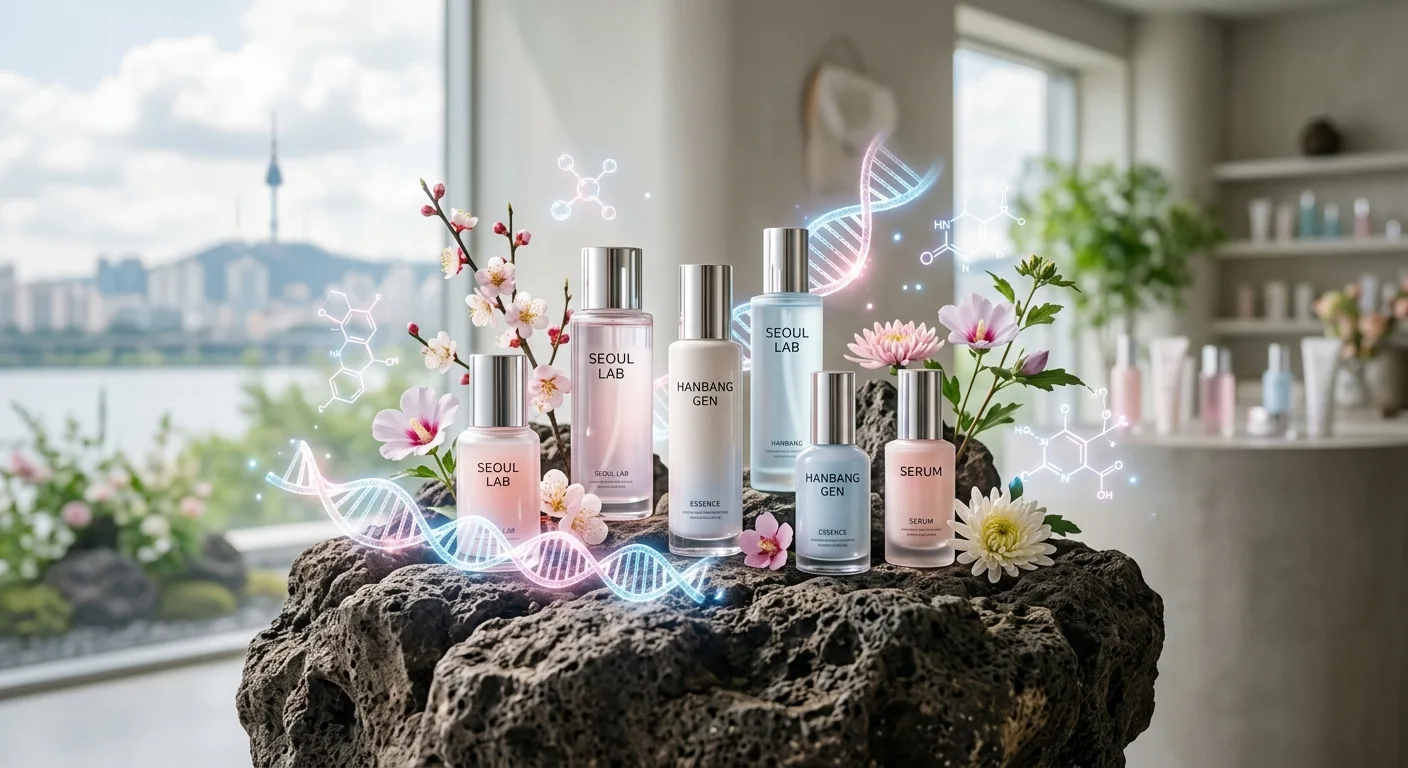
By the time we reach 2027, the global K-beauty market is projected to skyrocket to a staggering $13.9 billion, marking a significant evolution in how we approach skin health and ritualistic self-care. As your Seoul-based insider, I am seeing the transition from ‘fast novelty’—where products went viral for their unusual textures—to what experts call the Second Maturity Phase. This era, spanning from 2025 into 2027, prioritizes long-term product architecture and skin longevity over temporary glass-skin effects.
We are no longer just looking for a quick glow; we are looking for cellular regeneration and environmental resilience. In this guide, we will explore the major shifts in ingredients, the expansion of the male beauty market, and the technological innovations that will define the Korean beauty landscape in 2027.
The Rise of Regenerative Biotech and Clinic-Core in 2027
One of the most profound shifts leading into 2027 is the democratization of clinical-grade ingredients. In the past, high-performance actives like PDRN (Salmon DNA) and Exosomes were reserved for expensive professional treatments in Seoul’s elite dermatology clinics. However, the market is now seeing these regenerative molecules move into everyday topical serums and ampoules. PDRN, specifically, is gaining traction for its ability to mimic the skin’s natural repair processes, making it a cornerstone for those seeking to reverse environmental damage and age-related thinning.
Why Regenerative Biotech Matters
Unlike traditional moisturizers that simply sit on the surface, the biotech innovations of 2027 focus on intercellular communication. Exosomes act as ‘messengers,’ delivering proteins and lipids directly to the cells that need them most. This targeted approach reduces the need for high-concentration acids that can sometimes irritate the skin barrier, moving instead toward a ‘bio-mimetic’ philosophy where the skincare speaks the same language as your body.
- PDRN (Polydeoxyribonucleotide): Known for tissue repair and anti-inflammatory properties.
- Exosomes: Nanoparticles that transport growth factors to improve skin elasticity.
- PLLA (Poly-L-Lactic Acid): Often called a ‘liquid filler,’ this helps stimulate natural collagen production over time.
As we navigate these high-tech waters, the demand for deep hydration remains the foundation. Without a hydrated base, these advanced actives cannot penetrate effectively. For those looking to bridge the gap between basic hydration and clinic-style results, a high-quality moisture cream is essential.
The Male Beauty Revolution: A 2027 Growth Driver
While K-beauty has always been inclusive, the year 2027 marks a historic peak for the male segment, which is growing at a faster rate than the female market at a CAGR of 9.9%. Men’s grooming in Korea is moving far beyond simple ‘all-in-one’ lotions. We are seeing a sophisticated interest in specialized treatments, such as beard-area soothing gels, pore-refining serums, and even subtle nail care. The modern man in 2027 views skincare as a component of overall wellness and professional presentation.
Sophisticated Grooming Rituals
For many men, the entry point into a multi-step routine often begins with high-performance nail and hand care. It is no longer just about aesthetics; it is about maintaining a polished, healthy appearance that reflects a disciplined lifestyle. Minimalist, sophisticated colors are becoming the standard for professional men who want to strengthen their nails while maintaining a natural look.
The emphasis is also shifting toward barrier-first anti-aging. Men are frequently exposed to harsh environmental factors, from shaving irritation to outdoor pollutants. By 2027, the ‘Modernized Hanbang’ approach—using fermented traditional ingredients—will be a staple in male grooming because of its naturally soothing and non-greasy properties.
Modernized Hanbang: Ancient Wisdom Meets 2027 Technology
The Korean government’s goal to double SME cosmetics exports to $10 billion by 2027 is heavily supported by the ‘Modernized Hanbang’ movement. Hanbang refers to traditional Korean herbal medicine, but the 2027 version is a far cry from the heavy, medicinal-smelling jars of the past. Today, ingredients like Ginseng, Mugwort, and Rice Ferment are being processed using micronization and encapsulation, allowing these potent herbs to penetrate deeper into the skin without feeling heavy or sticky.
The Evolution of Herbal Ingredients
By 2027, the focus has shifted to the ethical and sustainable sourcing of these herbs. Lab-grown antioxidants derived from microalgae and ‘synthetic’ versions of traditional ingredients (like ethical snail mucin alternatives) are becoming standard. This ensures that the high demand for K-beauty doesn’t deplete natural resources or involve animal exploitation. These lab-grown versions are often more concentrated and stable than their traditionally harvested counterparts.
- Encapsulated Ginseng: Delivers anti-aging saponins slowly throughout the day.
- Micronized Mugwort: Provides instant redness relief for sensitive skin types.
- Rice Ferment Filatrate: Brightens the complexion using stabilized Vitamin B and minerals.
Wellness in 2027 isn’t just about what you put on your face; it’s about what you put in your body. The synergy between internal health and external glow has led to a boom in ‘Inner Beauty’ products, such as premium herbal tea sets that utilize the same Hanbang principles found in skincare.

The Transition to Second Maturity: Routine Integration
Between 2025 and 2027, the industry has entered a ‘Second Maturity Phase.’ This means consumers are no longer interested in the ’10-step routine’ just for the sake of having ten steps. Instead, the 2027 consumer is a minimalist who demands maximalist results. This has led to the rise of ‘Sensorial Minimalism’—products that provide a high-end experience through texture and scent while performing multiple functions, such as a serum that also acts as a primer and a barrier protector.
Why Routine Integration Wins
The 2027 trend is all about ‘Skincaring Makeup’ and targeted treatments. Rather than applying a full sheet mask every night, many are turning to targeted patches that treat specific concerns while they go about their morning routine. This efficiency is a core part of the maturity phase: we understand our skin better, so we treat it with more precision.
This phase also emphasizes the ‘Barrier-First’ approach. Instead of using aggressive peels, the focus is on Panthenol, Ceramides, and Hyaluronic Acid to build a skin ‘shield.’ This shield protects against the increasing global temperatures and urban pollution that define the late 2020s. Targeted hydration, such as cheek packs, allows for this precision without overwhelming the rest of the face.
Sustainability and Ethics: Lab-Grown Innovation
Environmental consciousness is no longer an optional ‘add-on’ for K-beauty brands in 2027; it is a prerequisite for market entry. As global heat rises, cooling care has become a functional necessity. Brands are responding with innovative packaging that reduces plastic waste and formulas that are biodegradable. The development of ‘Synthetic Snail Mucin’ and lab-grown antioxidants allows brands to provide the benefits consumers love while meeting the strict ethical standards of 2027.
Eco-Friendly Ingredients and Packaging
We are seeing a move toward ‘waterless’ beauty and solid concentrate bars to reduce the carbon footprint of shipping. Furthermore, the use of organic, certified ingredients has expanded from niche brands to mainstream giants. This shift is particularly visible in the lifestyle and beverage sectors associated with K-beauty, where organic certifications and eco-friendly filters are becoming the norm.
- Biodegradable Sheet Masks: Moving away from microplastics to seaweed-based fibers.
- Refillable Components: High-end glass jars with replaceable inner pods.
- Climate-Adaptive Formulas: AI-driven skincare that adjusts its hydration level based on local humidity.
This holistic approach to sustainability extends to the gift-giving culture in Korea, where organic and ethically sourced lifestyle products are the most coveted items for 2027.
The Future of Sensory Wellness: Lifestyle and Ritual
In 2027, K-beauty is as much about mental wellness as it is about physical appearance. The concept of ‘Home-Spa’ has evolved into a daily ritual that includes aromatherapy, tea ceremonies, and meditative skincare application. The global consumer is looking for a piece of the serene Korean lifestyle to counteract the fast-paced digital world. This has caused a surge in the popularity of regional specialty products, such as those featuring Jeju Island’s unique citrus fruits.
Jeju Island: The Wellness Hub
Jeju Island remains at the heart of the 2027 wellness trend. Known for its volcanic soil and pristine ecosystem, ingredients from this region—like Hallabong and Cheonggul—are prized for their high Vitamin C content and refreshing sensory profiles. Incorporating these into daily life, whether through topical application or as a refreshing beverage, is a hallmark of the 2027 ‘Glass Skin from Within’ philosophy.
The 2027 market values authenticity. Consumers want to know the story behind their products, the specific farm where the fruit was grown, and the traditional methods used to extract the nutrients. This ‘Farm-to-Face’ transparency is what builds trust in an era of AI-generated content and synthetic alternatives.
Frequently Asked Questions
How do I use PDRN or Exosome serums in my 2027 daily routine?
PDRN and Exosome serums are best applied after cleansing and toning when the skin is most receptive to repair signals. In a 2027 routine, these act as your primary treatment step before a moisturizer. Because they are regenerative, using them consistently in the evening can help maximize the skin's natural circadian rhythm for repair.
Are lab-grown 'synthetic' ingredients as effective as natural ones?
Yes, and in many cases, they are more effective because lab environments allow for higher purity and stability of the active molecules. By 2027, biotech-derived ingredients like synthetic snail mucin provide the same glycoproteins without the variability of natural harvesting. This ensures every bottle provides the same high-level results while remaining ethical.
Can at-home lifting serums replace clinical treatments in 2027?
While topical serums featuring PLLA or Copper Peptides cannot replicate the structural changes of a surgical facelift, by 2027, they have become powerful 'maintenance' tools. They are designed to extend the life of clinical fillers or provide a visible 'lifting' effect through intense surface firming and collagen support. They are ideal for those following the 'slow-aging' philosophy.
How can I simplify my 10-step routine without losing results?
The key for 2027 is 'Hybridization'—choosing products that combine steps. For example, use a hydrating toner that contains fermented actives, or a moisturizer that includes your sun protection and serum-level antioxidants. By focusing on 'System Beauty' rather than individual steps, you can achieve the same results with just 3 or 4 high-performance products.
What is the biggest change in K-beauty packaging by 2027?
Sustainability is the driving force behind packaging in 2027. You will see a significant increase in refillable 'pod' systems, glass-only containers, and the elimination of secondary outer boxes. Many brands are also using QR codes for ingredient transparency instead of printing large amounts of text on the packaging itself.