
Struggling with acne can feel like a never-ending battle, but the Korean approach to skincare has shifted the landscape entirely in 2026. Gone are the days of stripping the skin with harsh alcohols and aggressive drying agents. Instead, Seoul’s leading dermatologists and beauty innovators are championing ‘barrier-friendly’ healing, focusing on calming inflammation and strengthening the skin’s natural defenses to prevent breakouts before they even start.
In this comprehensive guide, we will explore how the latest advancements in K-beauty—from regenerative PDRN to microbiome-supporting ferments—can transform your complexion. Whether you are dealing with hormonal flares, oily congestion, or post-breakout sensitivity, the goal is clear, resilient skin that glows from within. Let’s dive into the curated steps and high-performance ingredients that define the modern Korean anti-blemish routine.
The Evolution of Acne Care: From Harsh to Healing
The South Korean skincare market, projected to reach over $11 billion by 2026, has undergone a fundamental shift in how it addresses blemish-prone skin. Historically, global treatments often relied on high percentages of benzoyl peroxide or drying alcohols to ‘kill’ bacteria. However, K-beauty philosophy recognizes that these methods often damage the skin barrier, leading to compensatory oil production and more frequent breakouts. Today, the trend is ‘Derm-Luxury’—a fusion of clinical-grade science with premium, soothing aesthetics.
The current focus is on maintaining a healthy acid mantle. When the skin barrier is compromised, it becomes a breeding ground for bacteria and environmental irritants. By using ingredients that mimic the skin’s natural lipids, such as ceramides and fatty acids, even those with active breakouts can heal faster. This regenerative approach ensures that while we address the congestion, we aren’t leaving the skin vulnerable to future damage or premature aging.
Key Shifts in 2026 Korean Care
- Skin Streaming: Moving away from the 10-step routine toward a minimalist, high-impact selection of multi-functional products.
- Microbiome Balance: Using fermented extracts to encourage ‘good’ bacteria that naturally keep acne-causing strains in check.
- Regenerative Actives: Shifting from simple exfoliation to using PDRN (Salmon DNA) and plant-based exosomes to repair the skin at a cellular level.
By prioritizing calm over combat, the modern routine reduces the ‘purging’ phase often associated with new products. It’s about creating an environment where the skin can heal itself. This philosophy is especially beneficial for those with sensitive skin who previously found typical acne medications too irritating to use consistently.
Step 1: Gentle Cleansing Without the Strip
The foundation of any routine for acne is the double cleanse, but in 2026, the emphasis is on ‘frictionless’ cleansing. Oily skin types often fear oils, yet a high-quality cleansing oil is the most effective way to dissolve sebum and sunscreen. Following this with a low-pH water-based cleanser ensures that the skin is perfectly clean without the tight, ‘squeaky’ feeling that indicates a stripped barrier.
Using a foaming cleanser that provides a cushion between your hands and your face is a popular technique in Seoul. This prevents physical irritation of inflamed blemishes. Many modern cleansers now incorporate soothing botanicals like tea tree or centella to begin the calming process from the very first step of the routine.
When selecting your second cleanser, look for ‘non-comedogenic’ labels and a pH level between 5.0 and 6.0. This range matches the skin’s natural acidity, which is crucial for keeping the microbiome balanced. If you find your skin feels dry immediately after washing, it’s a sign your cleanser is too alkaline. Switching to a gentler, pre-foamed formula can often reduce redness and sensitivity within just a few days of use.
The Power of Targeted Exfoliation: Succinic and Azelaic Acids
Exfoliation is necessary to keep pores clear, but the 2026 trend has moved toward ‘intelligent’ acids. While Salicylic Acid (BHA) remains a staple for deep pore penetration, newer players like Succinic Acid and Azelaic Acid are taking center stage for their multi-tasking abilities. Succinic Acid, in particular, is celebrated for being gentler than traditional AHAs, making it ideal for those with reactive skin.
Succinic acid doesn’t just exfoliate; it has significant anti-inflammatory and antimicrobial properties. This makes it a ‘glow hybrid’ that clears congestion while simultaneously reducing the angry redness of active pimples. Azelaic acid is another rising star, frequently recommended for its ability to fade post-inflammatory hyperpigmentation (PIH) while treating the source of the breakout.
How to Layer Acids Safely
- Start Slow: Use active treatments only 2-3 times a week at night to gauge your skin’s tolerance.
- Hydration First: Apply a hydrating toner before your acid serum to ensure the skin isn’t dehydrated, which can lead to irritation.
- Sun Protection: Chemical exfoliants increase sun sensitivity. Never skip a high-SPF sunscreen the following morning.
For those who prefer a more convenient method, toner pads pre-soaked with mild exfoliants offer a controlled dose of active ingredients. This prevents the common mistake of ‘over-pouring’ liquid exfoliants and causing chemical burns or excessive dryness. The mechanical action of the pad also provides a very light physical exfoliation that can help smooth skin texture over time.
Toning and Prep: Balancing Sebum and Hydration
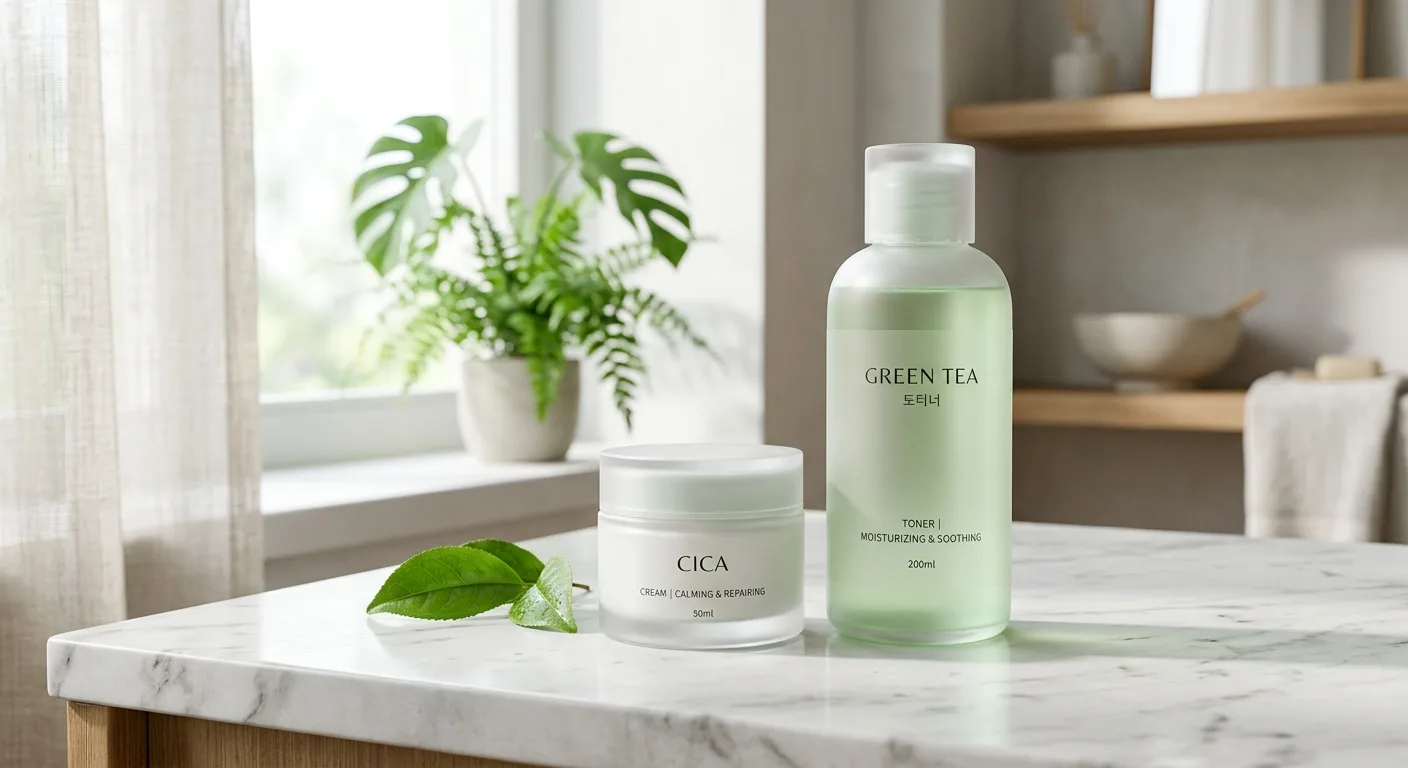
In the K-beauty world, toners are not astringents meant to ‘dry out’ the skin; they are ‘skin starters’ meant to balance and hydrate. For those with acne, a toner should focus on two things: regulating sebum and providing deep moisture. Dehydrated skin often over-produces oil to compensate for the lack of water, a cycle that leads to more frequent breakouts.
Ingredients like Green Tea and Heartleaf (Houttuynia Cordata) have surged in popularity through 2025 and 2026. Heartleaf is particularly prized for its ability to significantly reduce inflammation and soothe skin that has been irritated by environmental factors or mask-wearing. These watery layers prep the skin to better absorb subsequent treatments.
Many people with oily skin make the mistake of skipping hydration, thinking it will make them greasier. In reality, a well-formulated hydrating toner can actually mattify the skin by balancing the oil-to-water ratio. Look for ‘milky’ toners in the winter to protect against dryness-induced breakouts, and switch to light, refreshing green-tea-based waters during humid summer months to keep the pores clear and cool.
Innovative Solutions: Toner Pads and Spot Care
Modern life in Seoul is fast-paced, leading to the rise of multi-functional ‘pad’ technology. Toner pads have evolved from simple delivery systems into targeted treatment masks. For acne-prone skin, these pads can be swiped across the face for general maintenance or left on the cheeks and forehead for 3-5 minutes as a localized soothing mask.
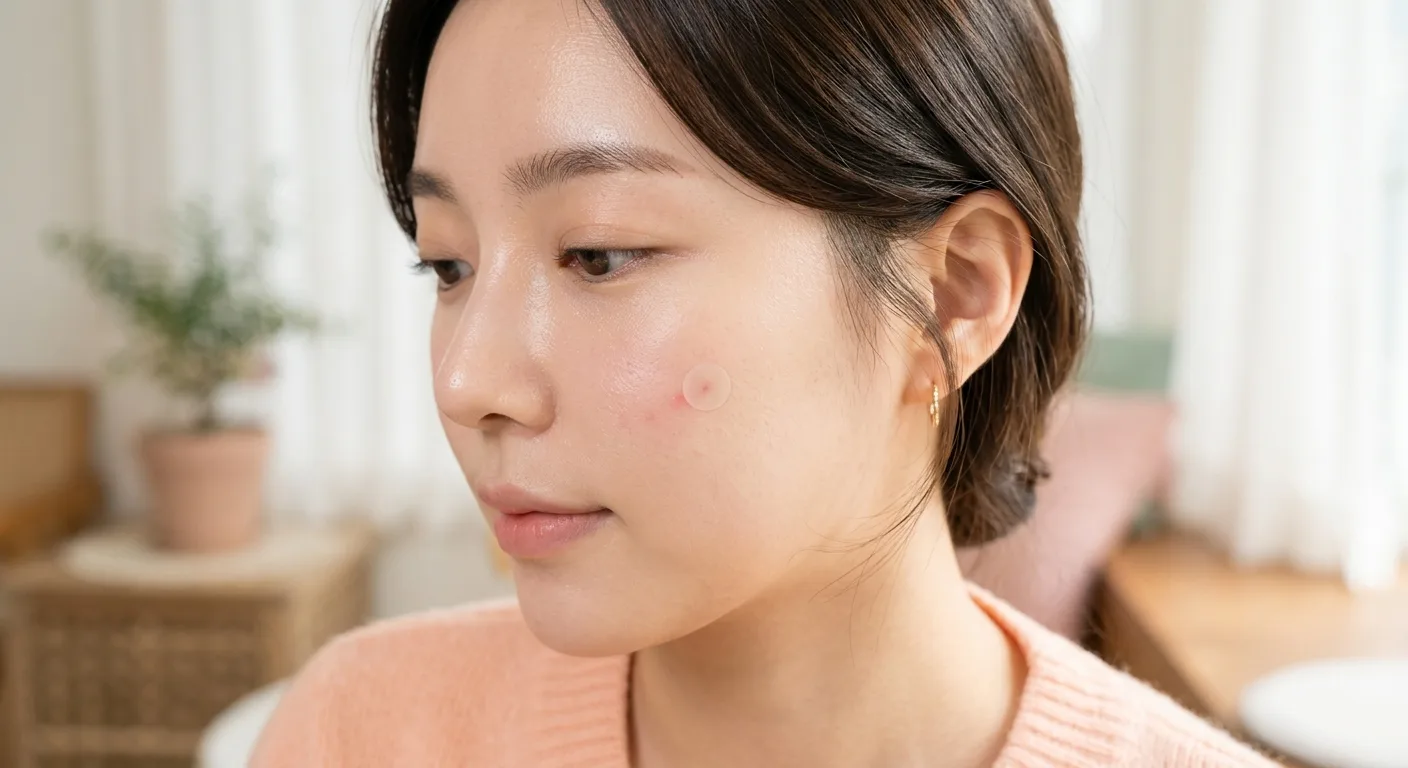
Beyond the toning step, spot care has moved away from ‘drying lotions’ that leave a white residue. The current gold standard is the hydrocolloid patch. These patches work by creating an occlusive, moist environment that draws out impurities (the ‘white’ gunk) without breaking the skin. They also serve a psychological purpose: preventing the wearer from picking or touching the blemish, which is the leading cause of scarring and secondary infection.
Best Practices for Spot Patches
- Apply to Clean Skin: Ensure the area is dry and free of oils or moisturizers so the patch adheres perfectly.
- Timing: Wear the patch for at least 6-12 hours. Replace it once the center has turned opaque white.
- Daytime Wear: Use ultra-thin, beveled-edge patches that can be easily hidden under a light layer of concealer or cushion foundation.
Barrier Repair: Protecting the Skin's Future
The final and perhaps most crucial step in a Korean acne routine is barrier repair. Even if you have active breakouts, your skin needs a moisturizer to seal in hydration and provide a protective layer against the world. 2026 formulations focus on ‘Cica’ (Centella Asiatica) and its derivatives like Madecassoside to heal the ‘wounds’ caused by blemishes.
Barrier creams in the modern era are designed to be lightweight and non-greasy. They use biomimetic ingredients that the skin recognizes, allowing for quick absorption without clogging pores. This is essential for preventing ‘maskne’—acne caused by the friction and humidity of wearing face masks—and for soothing the skin after using more potent actives like succinic acid or retinoids.
For those looking for the ‘next level’ of healing, 2026 has seen the rise of topical exosomes and PDRN. These ingredients, once reserved for luxury clinics, are now available in daily creams. They work by signaling the skin’s cells to regenerate more efficiently, which is particularly effective for reducing the depth of atrophic scars and the redness of fresh acne marks. By supporting the skin’s natural repair cycle, you ensure that today’s breakout doesn’t become tomorrow’s permanent scar.
Frequently Asked Questions
How do I treat hormonal acne without damaging my skin barrier?
Hormonal acne often requires a two-pronged approach: internal balance and external calming. Focus on anti-inflammatory ingredients like Heartleaf and Centella Asiatica to reduce redness, and use gentle chemical exfoliants like BHA or Succinic Acid to keep pores clear. Avoid over-cleansing, which can strip the barrier and worsen hormonal sensitivity.
Can I use PDRN or Exosomes for active acne or just for scarring?
In 2026, PDRN and Exosomes are recognized for their versatility in both active inflammation and post-acne repair. While they are famous for fading scars, their regenerative properties also help soothe active, 'angry' pimples and speed up the overall healing process. They are generally safe to use throughout all stages of a breakout.
Is double cleansing necessary if I have oily, acne-prone skin?
Yes, double cleansing is highly recommended for oily skin to ensure that oil-based impurities like sebum, sunscreen, and makeup are fully dissolved. Using a lightweight cleansing oil followed by a gentle foaming wash prevents the pore-clogging residue that often leads to blackheads and whiteheads. It is a foundational step for maintaining a clear complexion.
How do I layer BHA with fermented ingredients?
The best practice is to apply your BHA (like Salicylic Acid) first on clean, dry skin to allow it to penetrate the pores effectively. Wait a few minutes for it to absorb, then follow with your fermented essences or toners. Fermented ingredients help restore the skin's microbiome and hydration levels after exfoliation.
What is the best way to prevent acne scarring in K-beauty?
The most effective way to prevent scarring is to never pick at blemishes and to use hydrocolloid patches to protect the area. Additionally, incorporating barrier-repairing ingredients like Ceramides, Snail Mucin, and Centella helps the skin heal correctly. Consistent use of high-SPF sunscreen is also vital to prevent post-inflammatory hyperpigmentation from turning into permanent dark spots.