
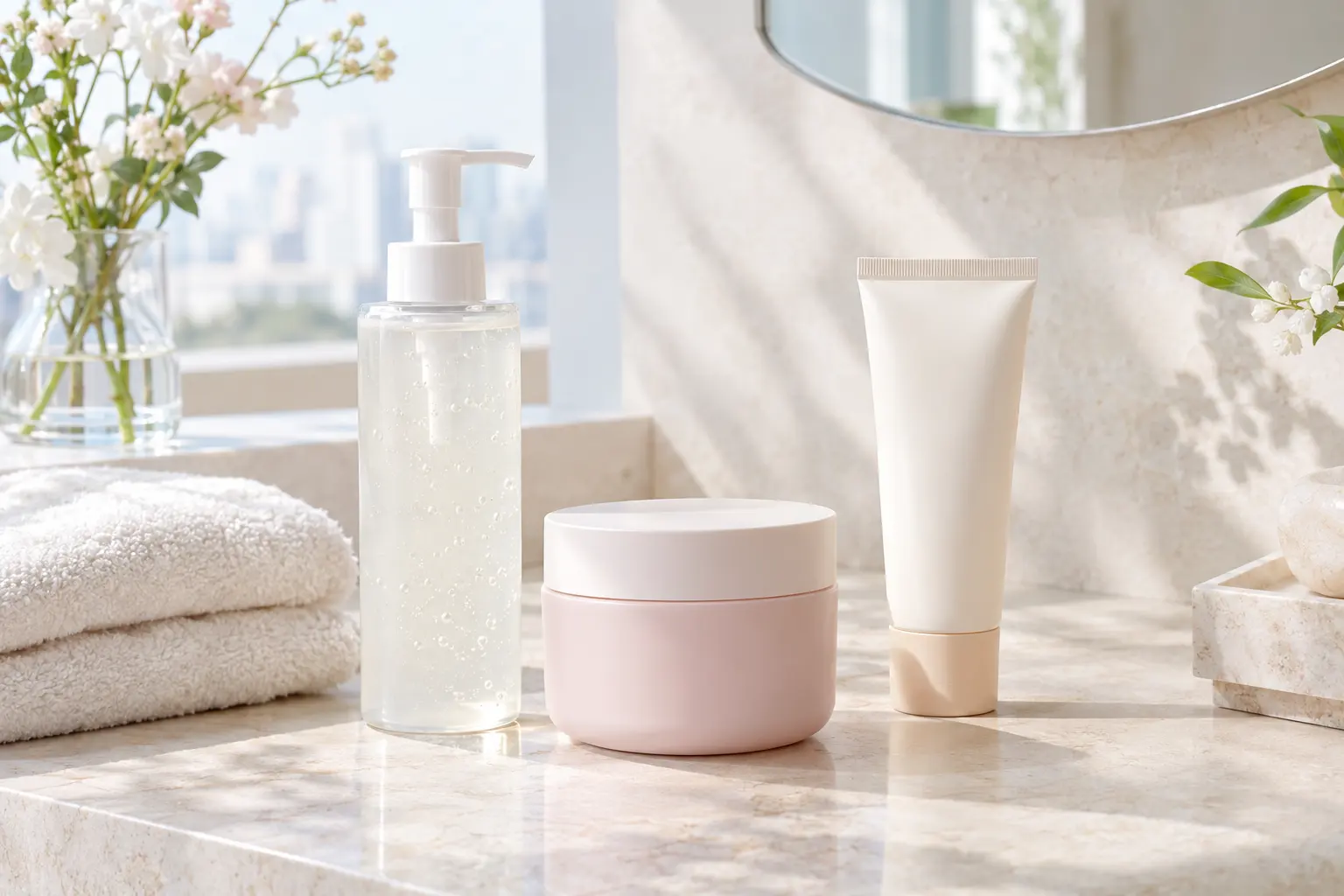
Choosing from the Korean La Theorie range starts with a practical question: do you need a new cleanser, a more comfortable moisturizer, or sunscreen you can use consistently? The answer matters more than collecting every product in a range designed around troubled skin.
Choose one product for the job your routine is missing. Then assess its exact formula and, for sunscreen, its package rating. A microbiome-focused description can help you understand a brand’s approach, but it cannot tell you what is causing your bumps or guarantee that a particular formula will suit you.
Korean La Theorie guide: what the brand's approach means
La Theorie frames its skincare around the skin microbiome and troubled skin, with product descriptions that emphasize a fatty-acid-free approach[1]. That gives the range a recognizable focus, but it is still brand positioning: it does not establish that a cleanser, essence or sunscreen can diagnose or treat a skin condition.
The company says its products were distributed through dermatology clinics and aesthetic salons before expanding into a Korean beauty retailer[2]. That is useful background about where the brand says it has sold products; it is not an independent comparison of how well those products perform. Think of the clinic association as context, not a substitute for reading the formula and considering your own skin.
Start with the job, not the promise
A cleanser is a rinse-off product intended to remove oil and debris. An essence or cream is a leave-on option for adding moisture or improving comfort. Sunscreen has a separate job: reducing ultraviolet exposure when applied and reapplied correctly. Those roles are not interchangeable, even when all three products use similar language about sensitive or troubled skin.
If your current cleanser leaves your skin comfortable, replacing it simply because the label mentions the microbiome may add little. If your existing sunscreen is hard to wear consistently, the sunscreen decision may be more urgent. If dryness is your main frustration, an essence may be the more useful comparison.
The American Academy of Dermatology recommends a simple approach built around cleansing, moisturizing and sun protection, and notes that using many products can itself contribute to irritation[3]. That makes a one-step purchase a sensible way to begin: you have fewer simultaneous changes to interpret and less risk of buying overlapping products you do not need.
What this guide can establish
The available ingredient reference identifies dated formulas for several products, including Clearing Gel, Dual Effect Essence and a 50 ml sunscreen; it says the lists show ingredient presence rather than evaluating safety or effectiveness[8]. That is a valuable distinction. An ingredient list can tell you that glycerin or petrolatum is present, but not how a complete formula will feel on your face or whether it will prevent a breakout.
Use the comparisons below to narrow the choice, not to create a diagnosis. If your question is whether a particular bump is acne or folliculitis, the more useful next step may be an assessment rather than a new cosmetic.
Compare La Theorie products by the gap in your routine
These five listings cover three routine functions, with two different moisturizer formats and two sunscreen purchasing options. The useful question is not which has the longest list of claims; it is which one addresses a need you can name.
| Product | Routine role | Reason to consider it | Trade-off |
|---|---|---|---|
| Cleanser Clearing Gel 210ml | Rinse-off cleanser | You need a gel cleanser for daily cleansing. | Its formula does not prove complete makeup removal or breakout prevention. |
| Enhancer Dual Effect Essence 40ml | Leave-on cream-essence | You want one moisturizing step with a documented formula containing glycerin, squalane and petrolatum. | Ingredient presence cannot predict its feel or your tolerance. |
| Enhancer Moisturizing Oil Essence | Leave-on oil essence | You prefer the manufacturer’s lightweight oil-essence format. | Do not assume it has the same ingredients or effects as Dual Effect. |
| Sunscreen Protection Factor 50ml | Sun protection | You want to consider the single tube, listed as SPF50+ PA++++. | Confirm the rating and formula on the actual package. |
| 0% Fatty Acid Sunscreen 50ml+50ml | Sun protection | You are considering two tubes, listed as SPF50+ PA+++. | The listed PA grade differs from the single tube’s; do not assume the formulas are identical. |
The cleanser and Dual Effect formula details in this comparison refer to dated manufacturer-supplied ingredient lists, not necessarily every production batch[8]. The two sunscreen grades are the respective listing claims. They should remain separate until the package and applicable regulatory record confirm what you are buying.
Three useful starting situations
- Your skin feels uncomfortable after washing: consider whether the cleanser step needs changing before adding several leave-on products. Clearing Gel is a candidate, not a guaranteed solution.
- Your face feels dry but looks shiny: consider a moisturizing step rather than treating visible oil as proof that moisture is unnecessary. Pick one essence format to evaluate first.
- You already like your cleanser and moisturizer: compare the sunscreen listings if protection is the missing piece. A second cleanser or extra essence is not automatically useful.
The oil essence and Dual Effect are alternatives to consider, not a required pair. Equally, a two-pack makes sense only after you know the exact sunscreen version and are comfortable committing to two tubes. A single tube is easier to evaluate before making that commitment, but its listing does not establish how the two versions compare in actual wear.
For a wider view of the available routine categories, browse Korean skincare by function rather than adding products solely because they share a concern on the label.
Is Clearing Gel the right La Theorie cleanser?
La Theorie Cleanser Clearing Gel 210ml is the most straightforward first consideration if you need to replace a cleanser, rather than a moisturizer or sunscreen. It is a gel in a 210 ml format, and the catalog positions it for skin prone to breakouts. Its strongest case is its clear routine role, not a claim that it will correct the microbiome.
The manufacturer’s September 2023 formula list includes glycerin, sodium lauryl sulfoacetate, xylitol and butylene glycol, and lists neither added fragrance nor ethanol[8]. Sodium lauryl sulfoacetate is a cleansing surfactant: surfactants help water lift and rinse away oil and debris. Glycerin, xylitol and butylene glycol are ingredients used to support hydration, although their presence in a rinse-off product does not reveal how moisturizing the finished cleanser will feel.
That ingredient distinction matters. A cleanser can contain water-attracting ingredients and still feel unsuitable to an individual; the full formula, washing technique and the rest of the routine all affect the experience. Likewise, the absence of listed fragrance and ethanol in that documented version is useful information for someone avoiding those ingredients, but it is not a promise of no irritation.
How to make the cleansing decision
Use the catalog directions as a starting point: wet the face with lukewarm water, massage the gel gently and rinse thoroughly. The American Academy of Dermatology advises limiting face washing to twice daily and after sweating to help prevent irritation[3]. More washing is not a reliable way to make a breakout-prone routine more effective.
Consider these situations before changing products:
- If your current cleanser consistently feels uncomfortable, a different gel formula may be worth assessing on its own.
- If you mainly need to remove substantial makeup, do not assume this product’s catalog claim establishes complete removal under every circumstance.
- If you already have a cleanser that leaves your skin comfortable, keep it and direct your budget toward a missing moisturizing or sun-protection step.
There is also a limit to what a label can show. The official ingredient list supports the composition of the stated 2023 version; it does not measure how well the gel removes a particular sunscreen, prove that it preserves every microorganism on the skin, or show that it prevents future blemishes. Those would require product-specific evidence, not a reading of the ingredient names.
Finally, consider the rest of the routine when judging comfort. Changing a cleanser while also introducing multiple leave-on products makes it harder to identify which change matters. A clear baseline is more informative than a shelf full of simultaneous replacements.
Dual Effect or Moisturizing Oil Essence: which format fits?
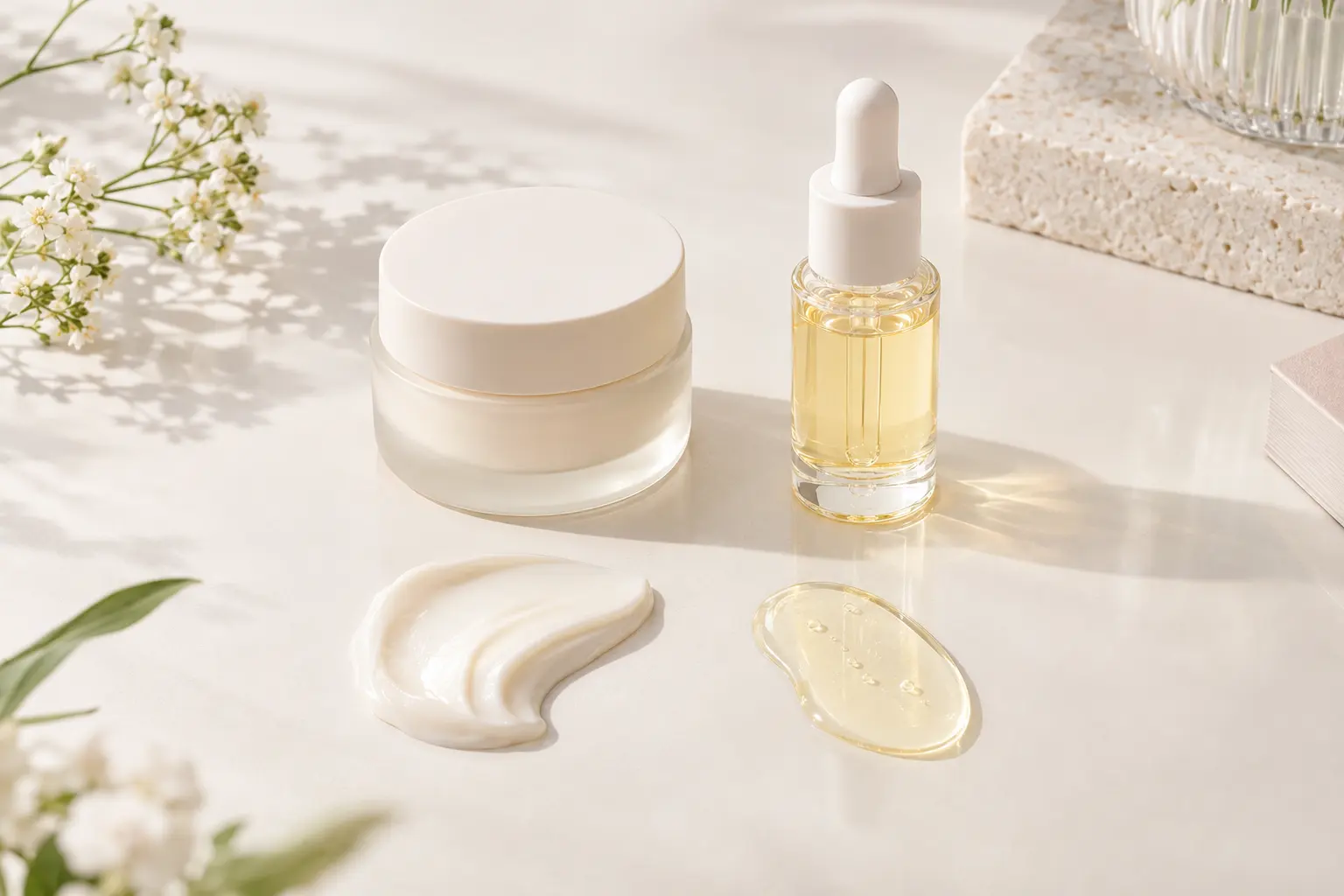
Both essences are presented as options for troubled skin, but the manufacturer describes Moisturizing Essence as a lightweight oil essence and Dual Effect Essence as an intensive cream[2]. That difference in format is the useful starting point. It does not establish that one is universally better for oily skin or that the other will clog pores.
Choose Dual Effect for a documented cream-essence formula
The June 2026 Dual Effect Essence 40ml ingredient list includes glycerin, squalane, petrolatum, Centella asiatica extract, asiatic acid, asiaticoside and madecassoside; it lists no added fragrance or ethanol[8]. Glycerin is a humectant, while squalane is an emollient and petrolatum is an occlusive ingredient. In plain terms, these names point to different moisturizing roles: attracting water, contributing to a smoother skin feel, and helping reduce water loss.
The centella-related ingredients are relevant if you prefer a formula that includes them, but a list of names does not disclose their concentrations or prove a particular calming result. Nor does petrolatum’s presence tell you exactly how heavy or light this complete formula will feel. If you want a single leave-on option and value a published formula you can review, Dual Effect is the more transparent starting comparison here.
Choose the oil essence for its stated format
La Theorie Enhancer Moisturizing Oil Essence is the alternative if you specifically prefer a lightweight oil-essence format. The catalog describes it as oil-based and suggests applying two to three drops after toner. That is a different purchase rationale from selecting Dual Effect for its documented combination of humectant, emollient and occlusive ingredients.
Do not transfer Dual Effect’s ingredient list to the oil essence. The available source does not establish that the two share petrolatum, centella constituents or any particular ingredient concentration. The catalog’s non-comedogenic and no-breakout language should not be treated as a guarantee for your skin, either.
What if your skin is oily and dehydrated?
Oiliness and a need for moisture can coexist. The American Academy of Dermatology recommends moisturizing even oily skin and explains that moisturizer traps water in the skin[3]. You do not need both essences to follow that advice: start with one product whose format and ingredient information match your priorities.
For example, if you want a cream-essence and find the listed petrolatum acceptable, consider Dual Effect. If you prefer an oil-based step, consider the oil essence instead, while accepting that the supplied details do not support a direct ingredient-by-ingredient comparison. If neither seems necessary because your current moisturizer is comfortable, keep the routine simple.
Explore other serums and essences by purpose, but resist the assumption that an essence must always be layered under a separate cream. Whether an additional moisturizer is useful depends on your comfort and the products you already use.
La Theorie sunscreen: understand the SPF and PA discrepancy
The single La Theorie Sunscreen Protection Factor 50ml listing states SPF50+ PA++++. The La Theorie 0% Fatty Acid Sunscreen 50ml+50ml listing states SPF50+ PA+++. Those are different listed UVA grades, and the shared brand name is not enough to determine whether the discrepancy reflects a different formula, package, market or listing error.
Korean government guidance identifies SPF as a measure of UVB protection and PA as a UVA protection grade, with more plus signs indicating a higher UVA grade[4]. That makes the difference worth resolving, rather than treating the strings of plus signs as decorative. It does not, however, allow you to decide which physical tube has which grade without checking its label.
What the ingredient reference actually covers
A June 2026 reference for Protection Factor 50ml lists homosalate, octocrylene, ethylhexyl salicylate and avobenzone, along with alcohol, niacinamide and adenosine[8]. The UV filters are the ingredients relevant to protection; niacinamide and adenosine are additional cosmetic ingredients, not substitutes for using enough sunscreen.
Importantly, the reference does not establish that the two-pack is the same version. It also means that sensitive-skin positioning should not be translated into an alcohol-free claim for the documented 50 ml formula. If avoiding ethanol is a personal priority, the exact package ingredient list matters more than a generalized product description.
A sensible purchase and application check
- Confirm the SPF and PA printed on the package you are considering, as well as the ingredient list if specific ingredients affect your choice.
- For a Korean functional cosmetic, check the applicable reviewed or reported product record when you need to resolve the rating; government guidance points buyers to the official database[4].
- Choose the single tube if you want to evaluate a version before committing to a two-pack. Choose the two-pack only if its own confirmed rating and formula meet your needs.
- Apply before sun exposure and plan for reapplication rather than relying on a one-time morning application.
The FDA advises applying sunscreen 15 minutes before exposure and reapplying at least every two hours, more often when swimming or sweating[5]. SPF is not a simple multiplier of the time you can safely spend outside[5]. Treat catalog wording about all-day or eight-hour protection accordingly: it is not a reason to skip reapplication.
For swimming, SPF alone does not establish water resistance. FDA guidance says water-resistant sunscreens require specific testing and labeling, including a 40- or 80-minute indication under its labeling system[5]. Water resistance for these exact listings is not established here, so do not assume either is suitable for swimming; use shade and protective clothing alongside sunscreen.
If you are also weighing a portable reapplication format, the distinction between a sun cushion and sunscreen can help you think through coverage and practical use. The first purchase still needs to be a product whose protection details you can verify and whose directions you can follow.
What does 0% fatty acid mean for breakout-prone skin?
The phrase sounds absolute, but its useful meaning is narrower than many shoppers expect. The manufacturer’s ingredient reference describes 0% fatty acid as a company claim and says the six listed formulas contain no free fatty acids, while distinguishing those from other ingredients[8]. It also states that its tables do not assess efficacy or safety[8].
A free fatty acid is a particular type of ingredient, not a synonym for every oil, lipid-like material or ingredient with a long chemical name. That is why a formula can be described by the company as free of fatty acids while a documented ingredient list still contains squalane or petrolatum. The claim should be read according to the company’s stated scope, not expanded into a promise that the formula contains no moisturizing lipids or no ingredients that could disagree with anyone.
Presence, absence and performance are different questions
An ingredient list can help you screen for a substance you already know you want to avoid. It is much less capable of predicting a whole formula’s behavior on your skin. The ingredient’s role, the rest of the formula, how the product is used and individual response all matter; the list alone does not give you comparative results for the two essences or establish that a sunscreen prevents breakouts.
The same caution applies to the word microbiome. The skin hosts microorganisms, and the brand makes their management central to its positioning[1]. But that positioning is not proof that its cleanser preserves an ideal microbial balance or that its leave-on products suppress a particular organism on your skin.
DermNet describes Malassezia as a lipophilic yeast and lists antifungal treatments for Malassezia folliculitis[6]. It does not follow that removing named free fatty acids from a cosmetic will prevent that condition, or that a cosmetic can replace treatment. A biological rationale is not the same thing as a clinical result for a specific finished product.
Read the claim alongside your actual need
- If you have a known ingredient preference, use the dated formula as a starting point and compare it with the package you receive.
- If your main goal is cleansing, prioritize a cleanser’s suitability for that step rather than expecting its ingredient claim to treat bumps.
- If you need moisture, compare the leave-on formats and your comfort rather than assuming all oils are equivalent.
- If you need sun protection, resolve SPF, PA and reapplication first; a fatty-acid claim cannot replace those details.
This approach leaves room for personal preference without making the label carry more meaning than the evidence supports. You can choose a formula because its stated composition fits your preferences while remaining honest about what you cannot predict in advance.
Build a simple routine and introduce one product at a time
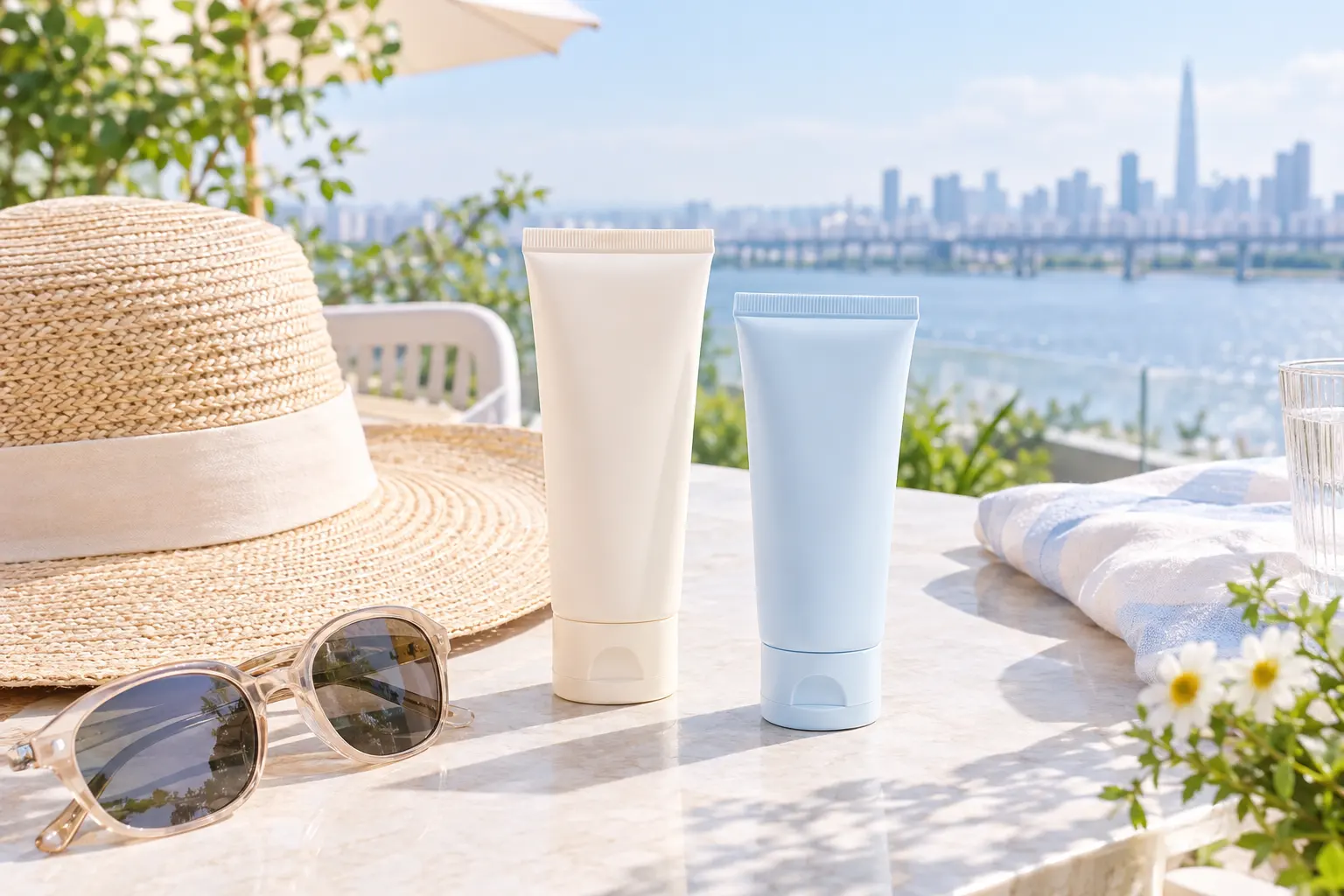
A useful routine does not need every product in a range. The American Academy of Dermatology’s basic framework is cleansing, moisturizing and protecting skin from the sun[3]. Use that framework to identify the missing function first, then choose a product for it.
Morning: keep the steps purposeful
The academy suggests water or a gentle cleanser in the morning before skincare[3]. If you choose to cleanse, use your cleanser according to its directions rather than assuming a longer or more forceful wash is better. Follow with a moisturizer if you need one, then apply sunscreen as directed before exposure.
If Dual Effect is your selected moisturizer, it can serve as the leave-on moisturizing step. If you choose the oil essence instead, use its listed directions and assess whether that format meets your needs. There is no evidence here that layering both essences produces better hydration or fewer breakouts.
Finish with the sunscreen version whose label you have verified. Apply it to exposed skin and make a realistic plan for reapplication during the day. The most persuasive SPF number on a listing cannot compensate for a product you use too sparingly or forget to reapply.
Evening: remove the day’s products without overworking skin
Cleanse before bed, then use the moisturizer you have chosen if your skin needs it. The academy recommends cleansing before bedtime and applying moisturizer to damp skin to get the most from it[3]. Follow the product’s own instructions if they differ in a relevant detail.
Keep an eye on what you are asking the cleanser to remove. The catalog describes Clearing Gel as removing makeup, but the supplied evidence does not demonstrate complete removal of every makeup and sunscreen combination. If residue is a concern, judge your full cleansing approach rather than repeatedly washing simply because you expect more washing to solve the problem.
Introduce change in a way you can interpret
- Keep the products that already work for you in place while assessing a new one.
- Start with one missing or unsatisfactory step, rather than replacing cleanser, moisturizer and sunscreen together.
- Follow the new product’s directions and observe how your skin responds before adding another unfamiliar formula.
- If you notice irritation, stop using the product and seek advice when appropriate.
Introducing one change at a time will not prove what caused every subsequent blemish. It does, however, make your own routine easier to assess than changing several formulas together. Korean government sunscreen guidance advises stopping use and consulting a specialist if allergy or irritation occurs[4].
A restrained routine is especially useful when your concern changes over time. You can decide later whether a different moisturizer format is worth exploring through the broader moisturizer category, rather than treating every layer as mandatory from day one.
When bumps need assessment rather than another cosmetic
A product description can describe a concern, but it cannot identify the cause of your particular bumps. DermNet notes that Malassezia folliculitis can appear as small, relatively uniform, itchy papules and pustules, often on the upper back and chest, and that comedones are absent[6]. Ordinary acne and other follicular conditions can look similar enough that an examination and sometimes laboratory investigation are needed[6].
Those details are useful for knowing when to ask a question, not for assigning yourself a diagnosis. Itch alone does not prove a yeast-related condition, and a cosmetic labeled for troubled skin does not establish that you have one. If a persistent or concerning eruption is driving your purchase, an assessment can be more useful than buying several products based on a label.
Two decisions that should stay separate
First, decide whether you need medical advice about the bumps. DermNet discusses antifungal treatment for diagnosed Malassezia folliculitis, which is distinct from the ordinary cosmetic jobs of cleansing, moisturizing and sun protection[6]. A skincare purchase should not displace care recommended by a qualified clinician.
Second, decide what makes your existing routine easier to use. You may still need a cleanser that feels comfortable, a moisturizer you tolerate and adequate sun protection. That decision can be made without claiming that any of those products is treating the underlying cause of a rash.
Use these questions before buying
- Am I trying to solve dryness? Compare the two essence formats and the ingredients available for the documented Dual Effect version.
- Am I trying to remove daily oil and debris? Consider the gel cleanser as a rinse-off step, not as a medical treatment.
- Am I trying to improve sun protection? Check the exact single-tube or two-pack rating and plan to reapply.
- Am I trying to identify recurring, itchy or otherwise concerning bumps? Seek an appropriate assessment rather than treating the product name as a diagnosis.
Suppose your moisturizer and cleanser already work well, but you need a sunscreen for ordinary daily exposure. The next decision is the exact sunscreen package and its verified protection details, not a complete brand switch. Conversely, if your concern is an ongoing eruption, put the purchase on hold long enough to decide whether you need professional advice.
That is the practical value of a selective approach: you can appreciate a formulation concept without relying on it to answer questions it was never designed to answer. Buy the step you need, preserve what already works, and leave room to change course if your skin tells you the product is not a good fit.
Frequently Asked Questions
Is La Theorie suitable for acne-prone skin?
The featured products are marketed for troubled or acne-prone skin, but that positioning does not guarantee that every formula will suit every person. Choose according to the routine step you need and the ingredients you prefer. A persistent breakout or rash may need assessment rather than another cosmetic.
Does La Theorie treat fungal acne?
The featured products are cosmetics, and the available evidence does not establish that they treat Malassezia folliculitis. DermNet describes antifungal treatments for the diagnosed condition[6]. Similar-looking bumps can have different causes, so a product description cannot substitute for an examination.
Should I buy both La Theorie essences?
Not necessarily. Dual Effect is positioned as an intensive cream, while Moisturizing Essence is described as a lightweight oil essence[2]. Start with the format that suits your preference and existing routine; the available evidence does not show that layering both produces a better result.
Why do the La Theorie sunscreen listings show different PA ratings?
The single 50 ml listing states PA++++, while the two-pack listing states PA+++. The available information does not establish why they differ or whether the products are identical. Check the exact package and applicable functional-cosmetic record before deciding which protection grade you are purchasing.
Does SPF50+ La Theorie sunscreen need reapplication?
Yes. FDA guidance recommends reapplying sunscreen at least every two hours and more often when swimming or sweating[5]. SPF is not a direct measure of how many hours you can remain outdoors, and water resistance has not been verified for these exact listings.