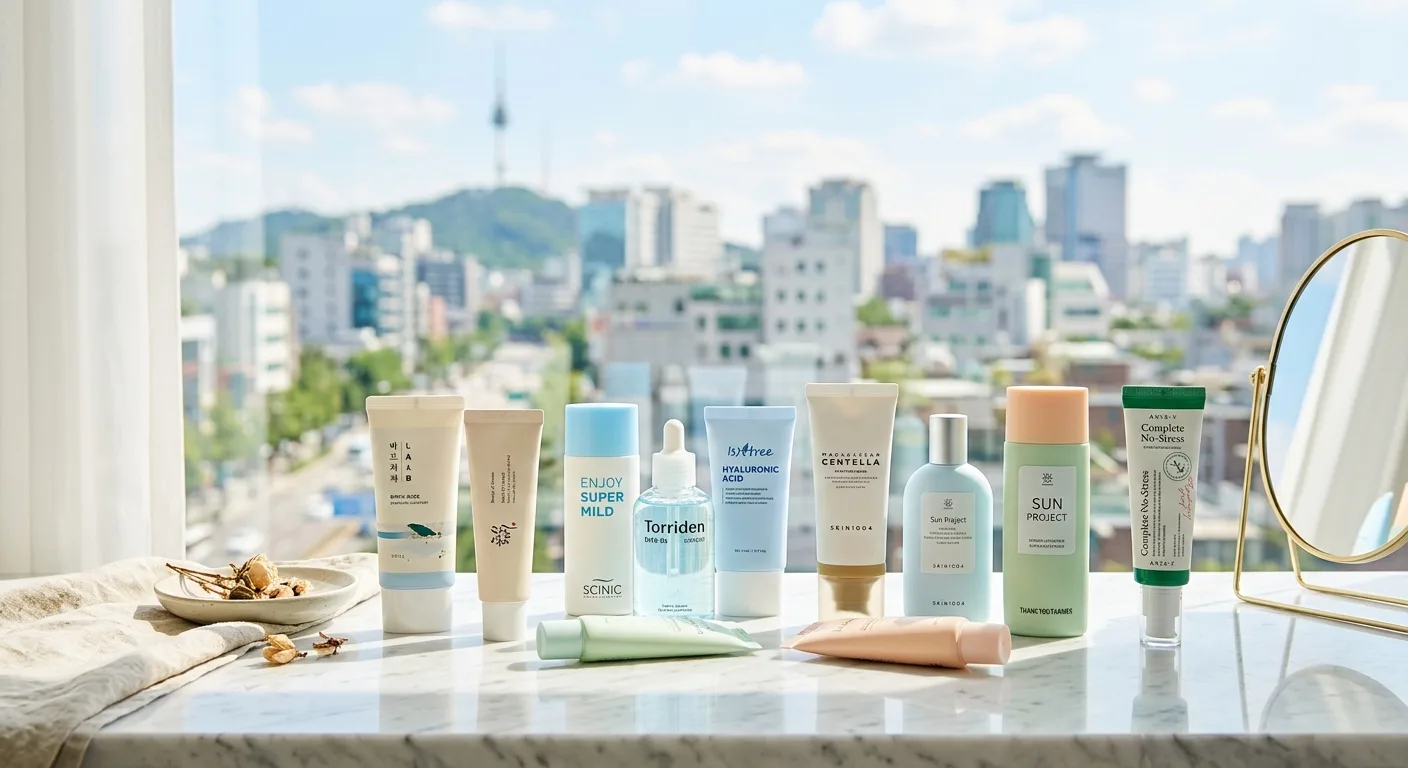
Choosing the right sunscreen is the single most important step in any skincare routine, and in 2026, Korean innovation has made this easier than ever. While traditional sun protection often felt thick, greasy, or left a chalky white cast, modern K-beauty formulas have transformed the category into a luxurious skincare experience that users actually look forward to every morning.
As of May 2026, the South Korean cosmetics industry has reached new heights, with exports exceeding $10 billion annually. This growth is fueled by a “skin-first” philosophy where sun protection isn’t just a barrier; it’s a hydrating, soothing, and anti-aging treatment. In this guide, we will dive deep into the science of next-generation filters, the rise of the “slow aging” movement, and how to find the perfect formula for your specific skin concerns.
The Science of Modern Korean Sunscreen Filters
One of the primary reasons Korean sunscreens have gained a cult following globally is the regulatory environment in South Korea. Unlike some other regions where sunscreens are treated as over-the-counter drugs with limited approved filters, the Korean Ministry of Food and Drug Safety (MFDS) regulates them as “functional cosmetics.” This allows for the use of approximately 30 different UV filters, including advanced next-gen options like Tinosorb S, Tinosorb M, Uvinul A Plus, and Uvinul T 150. These filters are highly photostable, meaning they don’t break down as quickly under sunlight, and they offer superior protection against both UVA and UVB rays.
Why Advanced Filters Matter
The use of these modern filters allows chemists to create formulas that are incredibly light. Because these filters are more efficient at lower concentrations, there is less need for the heavy, oily carriers often found in older sunscreen generations. This results in the “water-fit” or “essence” textures that K-beauty is famous for. Furthermore, these next-gen filters are generally less irritating to the eyes and skin, solving one of the most common complaints among daily sunscreen users. In 2026, we are seeing these filters combined with biotech actives to provide a comprehensive shield against environmental stressors.
- Tinosorb S/M: Provides broad-spectrum coverage and stabilizes other filters.
- Uvinul A Plus: Offers excellent UVA protection, crucial for preventing long-term skin aging.
- Uvinul T 150: A highly effective UVB filter with high absorption rates.
For those who have recently undergone professional skin treatments, the need for high-stability protection is even more critical. Post-procedure skin is often compromised and highly sensitive to UV damage.
Understanding the SPF and PA Rating System
When shopping for a Korean sunscreen, you will almost always see two ratings: SPF and PA. While most global consumers are familiar with SPF (Sun Protection Factor), which primarily measures protection against UVB rays (the ones that cause burning), the PA system is equally vital. The PA rating, based on the Persistent Pigment Darkening (PPD) method, measures protection against UVA rays. UVA rays penetrate deeper into the dermis and are the primary culprits behind premature aging, wrinkles, and hyperpigmentation.
Decoding the Plus Signs
In the Korean market, the highest standard is currently SPF 50+ and PA++++. The four plus signs indicate a PPD factor of 16 or higher, offering the maximum measurable protection against UVA damage. This is a significant advantage for those following a “slow aging” or “well-aging” philosophy, as it ensures the skin’s collagen and elastin fibers are shielded from the silent damage caused by daily sun exposure, even on cloudy days. Korean manufacturers must undergo rigorous clinical validation to prove these claims before they can be marketed to the public.
For those who prefer a weightless, water-like finish that doesn’t compromise on these high standards, the latest “Airy Water” technologies are a game changer. These formulas use advanced emulsification to ensure the UV filters are dispersed evenly across the skin without any stickiness.
The Rise of Tone-Up Sunscreens and Foundation-Free Trends
A major trend dominating the 2025-2026 K-beauty landscape is the “foundation-free” movement. Consumers are increasingly moving away from heavy makeup bases in favor of sunscreens that offer subtle color correction and a natural glow. This has led to the evolution of the “Tone-Up” sunscreen. Unlike traditional tinted moisturizers, tone-up formulas use specific pigments—often soft pink, peach, or purple—to neutralize dullness and brighten the complexion instantly without the cakey texture of foundation.
Benefits of Hybrid Formulations
Many of these tone-up products are “hybrid” sunscreens, meaning they combine physical filters (like Titanium Dioxide) with chemical filters. This combination allows the product to sit smoothly on the skin while providing the instant brightening effect of mineral powders. The goal is a “lit-from-within” look that feels like a second skin. These products are particularly popular among busy professionals who want to combine their sun protection and base makeup into a single, efficient step.
- Pink Tones: Best for brightening sallow or tired-looking skin.
- Green Tones: Ideal for neutralizing redness or acne scars.
- Peach Tones: Great for evening out dark spots and hyperpigmentation.
If you are looking for that vibrant, healthy glow while maintaining maximum UV defense, a hybrid formula is often the best choice for daily wear.
Sunscreen for Sensitive and Post-Treatment Skin
Sensitive skin requires a delicate balance of high protection and soothing ingredients. In the Korean market, sunscreens are often formulated with “Cica” (Centella Asiatica), Heartleaf, and Mugwort to calm the skin during sun exposure. This is especially important for individuals who use active ingredients like Retinol or Vitamin C, or those who have recently had laser treatments. These treatments can make the skin more photosensitive, meaning it reacts more intensely to UV rays, leading to potential redness or irritation.
The Role of Soothing Actives
Modern soothing sunscreens do more than just block the sun; they act as a recovery cream. Ingredients like Panthenol and Ceramides help to strengthen the skin barrier, preventing moisture loss that often occurs when the skin is heated by the sun. By maintaining a healthy barrier, the skin is better equipped to defend itself against environmental pollutants and irritants. Korean dermatological brands often focus on “hypoallergenic” testing to ensure that even the most reactive skin types can find a daily SPF that doesn’t cause breakouts or stinging.
When the skin is particularly dry or irritated, a formula that prioritizes intensive hydration alongside its protective barrier is essential. Look for products that mention “laser soothing” or “barrier repair” on the label.
The Evolution of Sun Serums and Essence Textures
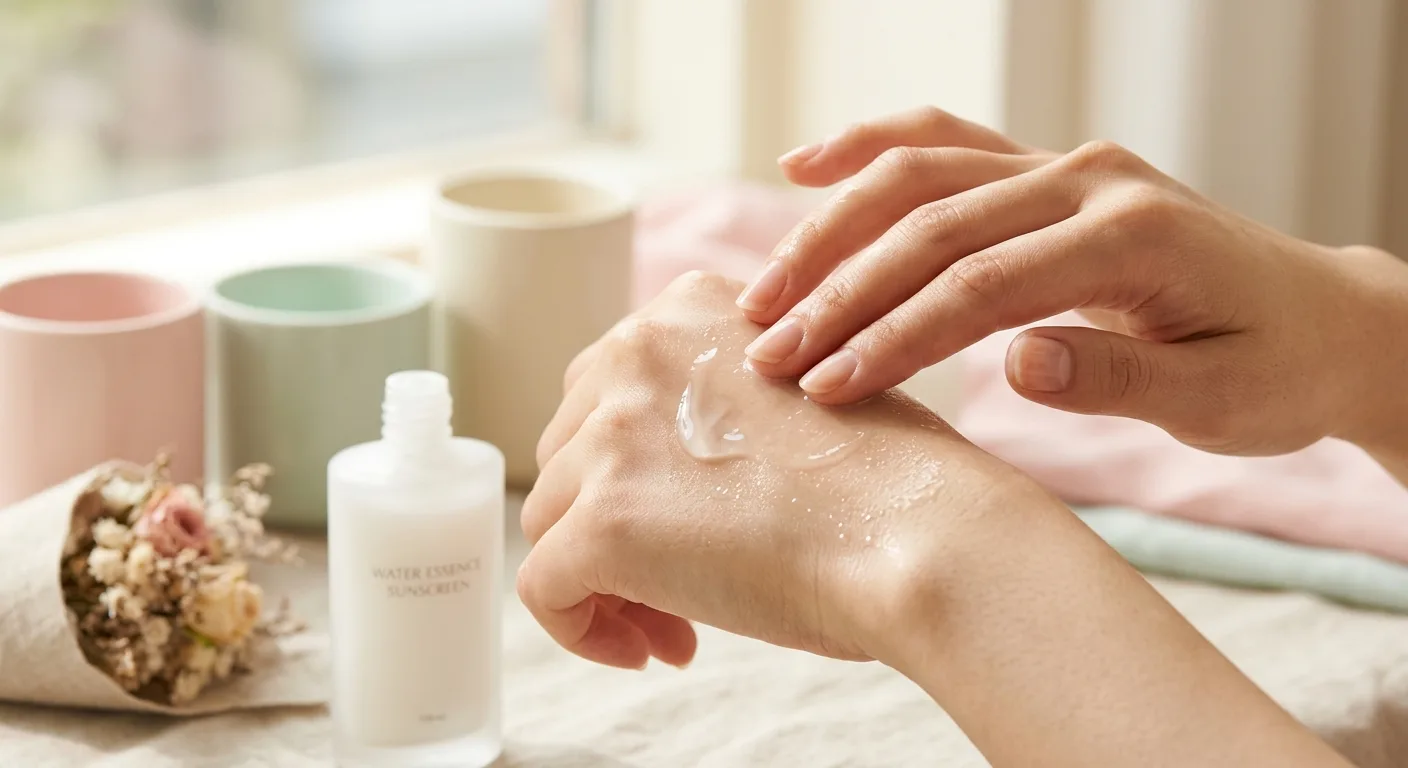
The most significant textural innovation in 2026 is the transition from creams to ultra-light “sun serums.” These products are designed to feel identical to a hydrating skincare serum, disappearing into the skin within seconds. This addresses the number one reason people skip sunscreen: the unpleasant, heavy texture. These essence-type sunscreens are formulated with high concentrations of humectants like Hyaluronic Acid and Birch Juice, which draw moisture into the skin while the UV filters create an invisible shield.
Zero White Cast and Makeup Compatibility
For those with deeper skin tones or those who wear makeup daily, the “zero white cast” and “zero pilling” features of sun serums are revolutionary. Because they use sophisticated chemical filters that are transparent, they leave no ghostly residue. Furthermore, their fast-absorbing nature makes them an excellent primer for makeup, creating a smooth, hydrated canvas that helps foundation adhere better without sliding off during the day. This category of sun care has effectively bridged the gap between clinical protection and cosmetic elegance.
- Niacinamide: Often included to brighten skin and regulate oil production.
- Squalane: Provides lightweight nourishment without clogging pores.
- Adenosine: Supports skin elasticity and smooths fine lines.
If you have previously avoided sun protection because of a greasy finish, an essence-style formula will likely change your perspective on daily SPF application.
Inorganic vs. Organic: Choosing the Right Shield
In the world of Korean sunscreen, you will often hear the terms “inorganic” (physical) and “organic” (chemical). Inorganic sunscreens use mineral filters like Zinc Oxide and Titanium Dioxide to reflect UV rays away from the skin. These are traditionally recommended for children and those with extremely sensitive skin because the minerals are not absorbed into the skin. However, older mineral formulas were notorious for being thick and white. Modern K-beauty has solved this by micronizing the minerals and suspending them in moisturizing bases.
The Benefits of Mild Mineral Protection
Organic (chemical) sunscreens, on the other hand, absorb UV rays and convert them into heat. While they offer the most transparent finish, some people with very reactive skin prefer the “mild” nature of inorganic filters. In 2026, “Mild Sunscreens” have become a staple for families and those who want a breathable, non-stuffy feel. These products often feature “firm adhesion” technology, ensuring the mineral shield stays in place even if you sweat or move around, providing reliable protection for both the face and body.
Choosing between the two often comes down to personal preference and skin activity. If you are prone to heat-related redness (rosacea), an inorganic filter may help keep the skin cooler. If you prioritize a completely invisible finish for the office, an organic serum is likely your best bet.
Reapplication Strategies and the Sun Stick Trend
Even the best sunscreen loses its effectiveness after a few hours of exposure. The general rule is to reapply every two hours, especially if you are outdoors. However, reapplying a cream over a full face of makeup or while on the go can be a challenge. This is where the Korean “Sun Stick” innovation has taken the world by storm. These solid, balm-like sticks allow for a swipe-and-go application that doesn’t disturb makeup and keeps your hands clean.
How to Reapply Effectively
When using a sun stick, it is important to pass the stick over each area of the skin 3 to 4 times to ensure you are getting the labeled SPF protection. For those who prefer liquids, “Sun Cushions” are another popular K-beauty choice, using a sponge applicator to pat the product onto the skin, much like a foundation cushion. These methods make reapplication a seamless part of the day rather than a chore. In 2026, many of these portable formats also include cooling ingredients to lower the skin’s temperature on hot summer days.
Remember that sun protection is not just for the face. The neck, ears, and the backs of the hands are often the first places to show signs of aging because they are frequently forgotten. Using a portable sun stick makes it easy to touch up these vulnerable areas throughout the day.
Common Reapplication Mistakes
- Applying too little: Always use the “two-finger rule” for liquid sunscreens.
- Forgetting the hairline: UV rays can cause damage right up to the scalp.
- Waiting too long: Apply 15-20 minutes before heading outside to let the film set.
By integrating these easy reapplication tools into your lifestyle, you can ensure your skin remains protected from sunrise to sunset, regardless of your schedule.
Frequently Asked Questions
Do Korean sunscreens really offer better protection than Western ones?
Korean sunscreens often utilize next-generation UV filters like Tinosorb S and Uvinul A Plus that are not yet available in all markets, such as the United States. These filters provide excellent photostability and broad-spectrum protection with a much lighter feel. Additionally, the strict regulation by the Korean MFDS ensures that SPF and PA claims are clinically verified, providing a high level of consumer trust in their efficacy.
Can I skip moisturizer if my sunscreen is hydrating?
Yes, many modern K-beauty sunscreens are designed as 2-in-1 hybrids that contain humectants and emollients like Hyaluronic Acid and Ceramides. If you have oily or combination skin, a hydrating sunscreen essence or serum may provide enough moisture for your morning routine. However, those with very dry skin may still benefit from a lightweight lotion underneath their SPF to lock in extra hydration.
Is a 'Tone-Up' sunscreen the same as a foundation?
No, a tone-up sunscreen is primarily a sun protection product with added color-correcting pigments to brighten the complexion. It offers much sheerer coverage than a foundation or BB cream and is intended to give a natural, 'foundation-free' look. It is perfect for evening out skin tone and adding a healthy glow without the heaviness or potential clogging of traditional makeup bases.
How do I avoid eye stinging when applying sunscreen?
Eye stinging is often caused by older chemical filters like Avobenzone or Oxybenzone. Korean sunscreens frequently use newer filters that are less likely to migrate into the eyes or cause irritation. To further minimize risk, look for 'hypoallergenic' formulas or those specifically tested for sensitive skin, and try to avoid applying product directly onto the eyelid or very close to the lash line.
Are Korean sunscreens safe for coral reefs?
Many K-beauty brands are moving toward 'reef-friendly' formulations by excluding ingredients like Oxybenzone and Octinoxate, which have been linked to coral bleaching. When shopping, look for products that explicitly state they are reef-safe or ocean-friendly. Mineral-based (inorganic) sunscreens using non-nano Zinc Oxide are also generally considered a safer choice for marine ecosystems.