
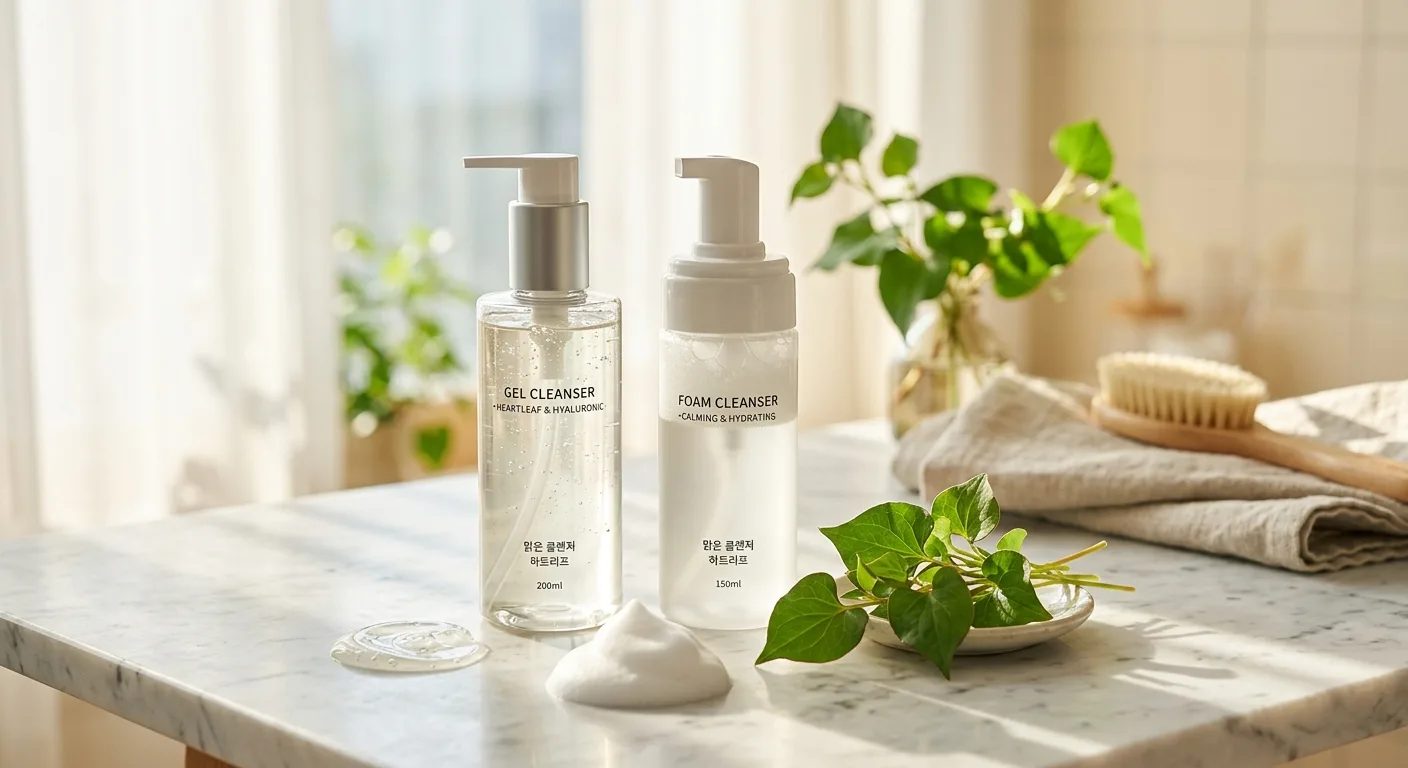
Finding the right acne skin-abnormalities cleansers is often the most critical step in a Korean skincare journey. For years, the global approach to breakouts was to “strip and sterilize,” but 2026 K-beauty trends have shifted toward a regenerative, barrier-first philosophy. Instead of harsh chemicals that leave the skin tight and raw, modern Seoul-inspired formulations focus on maintaining the skin’s delicate microbiome while gently lifting away impurities that cause abnormalities.
In this comprehensive guide, we will explore how to identify your specific skin concerns—from bacterial acne to barrier-induced redness—and match them with the most advanced cleansing technologies available today. Whether you are dealing with hormonal breakouts or sensitivity from over-exfoliation, understanding the synergy between biotech ingredients and traditional herbal wisdom will transform your daily routine into a healing ritual.
Understanding Acne Skin-Abnormalities and Your Barrier
In the landscape of 2026 skincare, the term “acne” is no longer treated as a singular condition. Experts now categorize various issues under the umbrella of skin abnormalities, which include inflammatory lesions, fungal triggers, and the increasingly common “barrier-crack acne.” A 2025 clinical study revealed that using gentle, non-stripping cleansers can reduce inflammatory acne lesions by nearly 30% over 12 weeks simply by preserving the skin’s natural integrity [1]. This highlights a major shift: your cleanser should not be a weapon, but a peace treaty for your face.
When the skin barrier is compromised, it develops microscopic cracks. These abnormalities allow moisture to escape and bacteria to enter, leading to a cycle of chronic inflammation. This is why many people find that their acne worsens even when using high-strength traditional treatments. By switching to a cleanser that prioritizes barrier-first efficacy, you allow the skin to heal itself from the inside out. Look for ingredients like Panthenol (Pro-Vitamin B5), which acts as a humectant to retain moisture while providing anti-inflammatory benefits.
Signs of a Disturbed Skin Microbiome
- Persistent redness that doesn’t fade with typical acne creams.
- A stinging sensation when applying even basic moisturizers.
- Skin that feels oily on the surface but tight and dry underneath.
- Breakouts that appear in clusters rather than isolated spots.
For those currently experiencing active inflammation and looking for a way to reset their routine, starting with a gel-based formula is often the safest path. Gel cleansers are lightweight and designed to rinse clean without leaving the heavy residues that can sometimes plague cream-based formulas in oily environments.
The Evolution of Ingredients: From BHA to Succinic Acid
The evolution of acne skin-abnormalities cleansers has seen a move away from aggressive Salicylic Acid (BHA) concentrations toward more sophisticated, multi-functional acids. While BHA remains a staple for oil control, 2026 formulations frequently incorporate LHA (Lipo-Hydroxy Acid) and Succinic Acid. Succinic acid, in particular, has gained massive popularity in Seoul because it offers a gentler exfoliation path while simultaneously providing antimicrobial benefits. This makes it ideal for those who find traditional acids too irritating for daily use.
Succinic acid works by loosening the “glue” between dead skin cells, allowing them to shed naturally without the chemical burn sensation associated with older generations of peels. This ingredient also helps regulate sebum production, which is the root cause of many skin abnormalities. When used in a serum or a targeted treatment, it can significantly refine skin texture and reduce the appearance of blackheads and whiteheads without the downtime of a professional chemical treatment.
Why Succinic Acid is the 2026 Favorite
Unlike Glycolic acid, which has a small molecular size that can penetrate too deeply and cause irritation, Succinic acid acts more superficially and thoughtfully. It is often paired with soothing agents like Centella Asiatica to ensure that as the skin is being “polished,” it is also being calmed. This dual-action approach is the hallmark of modern K-beauty: never take away from the skin without giving something back in return.
Double Cleansing: The Gold Standard for Abnormalities
No discussion of acne skin-abnormalities cleansers is complete without addressing the double cleansing method. In 2026, this technique has been refined to be more inclusive of sensitive skin types. The first step involves an oil-based cleanser to dissolve sebum, sunscreen, and pollutants. Many people with acne fear oil, but the principle of “like dissolves like” is scientifically sound. A non-comedogenic cleansing oil can remove hardened sebum plugs from pores more effectively than a water-based soap ever could.
The second step is where the treatment happens. After the surface debris is gone, a water-based foam or milk cleanser can actually reach the skin’s surface to deliver active ingredients. For those with active, painful breakouts, a foaming wash that creates a thick “cushion” of bubbles is preferred. This cushion reduces the physical friction between your hands and your face, preventing the accidental popping of blemishes and the subsequent spread of bacteria.
How to Double Cleanse for Acne-Prone Skin
- Apply a cleansing oil or balm to dry skin with clean hands. Massage for 60 seconds, focusing on areas with congestion.
- Emulsify the oil with a small amount of lukewarm water until it turns milky, then rinse thoroughly.
- Follow up with a gentle foaming wash. Look for formulas that maintain a mildly alkaline or neutral pH to balance the skin’s natural acidity without stripping it.
- Pat dry with a clean, single-use paper towel or a freshly laundered bamboo towel to avoid cross-contamination.
Managing Post-Acne Abnormalities and Scarring
Once the active breakouts are under control, the focus shifts to treating the lingering abnormalities: redness (erythema) and dark spots (hyperpigmentation). 2026 K-beauty has integrated “Regenerative Biotech” into this phase, utilizing lab-grown ingredients like PDRN and Exosomes. These ingredients act as cellular messengers, telling the skin to speed up its repair process. However, even without high-tech biotech, the use of Centella Asiatica (Cica) remains the most reliable way to handle post-acne sensitivity.
Centella Asiatica contains active compounds like Madecassoside and Asiatic Acid, which are clinically proven to aid in wound healing. When used in a barrier repair cream, these ingredients create a protective seal that prevents moisture loss—essential for skin that has been compromised by acne. A well-formulated repair cream should feel lightweight but provide significant hydration, creating a “makeup-ready” canvas that doesn’t look greasy by midday.
Key Benefits of Barrier Repair Creams
A high-quality barrier cream does more than just moisturize; it mimics the skin’s natural lipid structure. This is particularly important for those using topical prescriptions like tretinoin or benzoyl peroxide, which can cause significant peeling. By reinforcing the barrier, you ensure that your acne skin-abnormalities cleansers don’t lead to secondary issues like dermatitis or extreme dehydration.
Targeted Treatments: Toner Pads and Spot Care
In the fast-paced lifestyle of 2026, convenience is king. This has led to the rise of “functional toners” in the form of pre-soaked pads. For those dealing with acne-related abnormalities, toner pads offer a controlled way to apply exfoliants and soothing agents. They are particularly effective for “maskne” or localized breakouts caused by friction and heat. These pads often feature a dual-textured side: one embossed for physical exfoliation and one smooth for a calming essence mask.
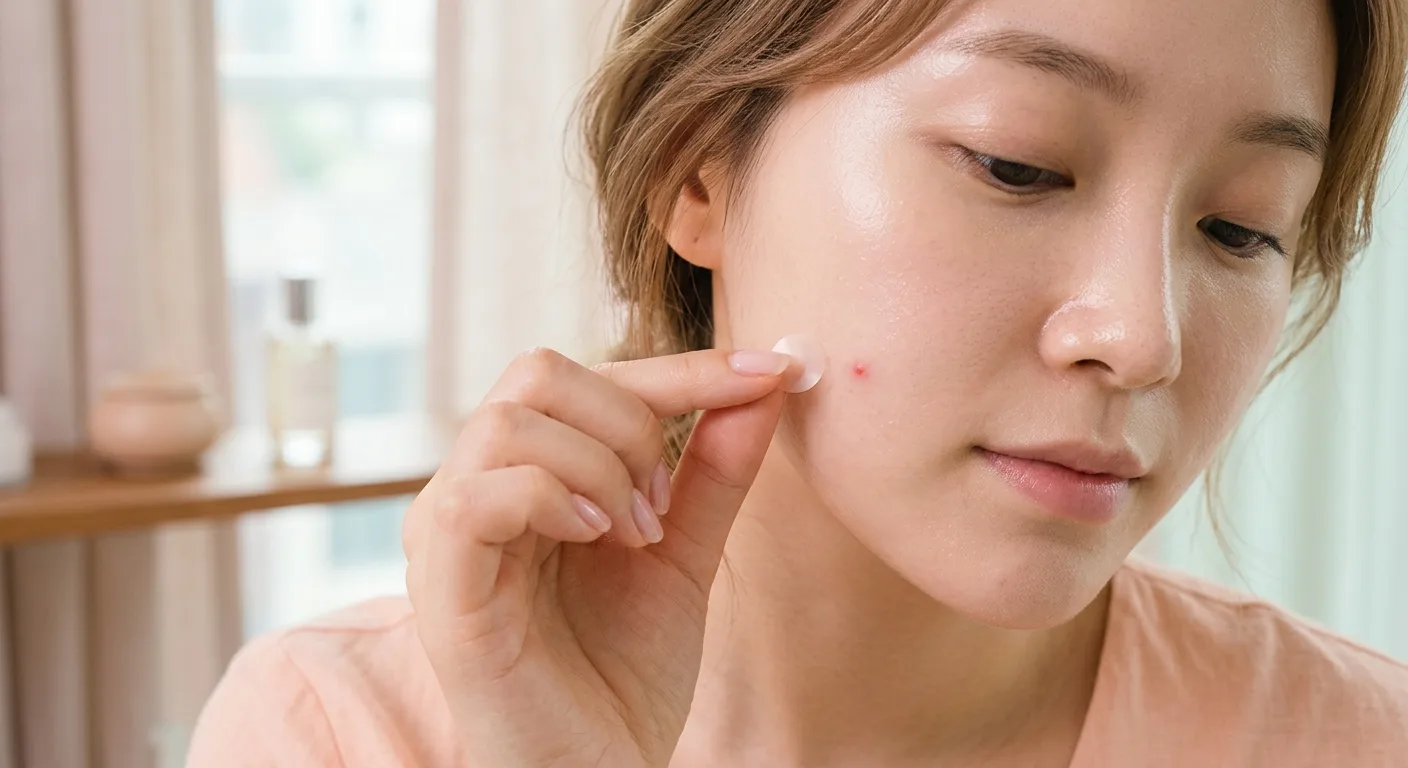
When a blemish does appear, the modern approach is to protect rather than pick. Hydrocolloid patches have become a global phenomenon for a reason—they work. These medical-grade dressings create a moist environment that sucks out impurities while preventing the wearer from touching the area. This significantly reduces the risk of scarring and permanent skin abnormalities. The best patches are ultra-thin, making them virtually invisible under makeup for daytime wear.
Pro-Tips for Using Acne Patches
- Always apply the patch to completely dry, clean skin before any other products.
- Wait until the patch turns white (opaque) before removing it; this indicates it has absorbed the exudate from the blemish.
- Use different sizes based on the blemish; a patch that is too small won’t create a proper seal, while one that is too large may irritate the healthy skin around the spot.
The Importance of pH Balance in Cleansing
One of the most overlooked aspects of choosing acne skin-abnormalities cleansers is the pH level. Human skin naturally sits at a slightly acidic pH of around 5.5. Many traditional soaps are highly alkaline, which can destroy the “acid mantle”—the thin film on the skin’s surface that acts as a barrier to bacteria. When this mantle is disrupted, acne-causing bacteria like *C. acnes* can flourish more easily.
However, 2026 research has also highlighted the benefit of “mildly alkaline” cleansers for specific oily skin types. These formulations are designed to effectively strip away excess oxidized sebum and acidic waste without the harshness of old-school bar soaps. The key is balance. After using a cleanser, your skin should feel soft and supple, never “squeaky clean,” which is actually a sign that your protective lipids have been washed away.
The Role of Toners in pH Restoration
If you prefer a slightly stronger cleanser, follow it up immediately with a balancing toner. Toner pads are excellent for this because they physically swipe away any remaining mineral residue from tap water while instantly resetting the skin’s pH to its optimal level. This preparation ensures that any subsequent serums—like those containing Niacinamide or Vitamin C—can penetrate deeper and work more effectively.
Frequently Asked Questions
Is my acne bacterial, fungal, or a damaged barrier?
It can be difficult to tell, but bacterial acne usually presents as painful, red cysts or whiteheads. Fungal acne often looks like small, uniform, itchy bumps that don't respond to typical acne creams. A damaged barrier usually involves widespread redness, stinging, and breakouts that occur even on normally clear areas of the skin. If your skin feels tight and sensitive, prioritize a barrier-first cleanser before using active treatments.
Can I use the same acne skin-abnormalities cleansers morning and night?
While you can use the same cleanser, many K-beauty experts recommend a 'seasonal switching' or 'diurnal switching' approach. In the morning, a very gentle milk or water-based gel is usually sufficient to remove overnight oils. In the evening, the double cleansing method is preferred to ensure that sunscreen, makeup, and daily pollutants are fully removed, preventing them from clogging pores overnight.
How long does it take to see results from a new cleanser?
Because the skin's natural turnover cycle takes about 28 to 30 days, you should give a new cleanser at least a month of consistent use. However, if you are treating inflammatory abnormalities, you may see a reduction in redness within the first week. If a product causes immediate stinging, increased breakouts (purging is rare with simple cleansers), or extreme dryness, discontinue use immediately as it may be too harsh for your barrier.
Why is succinic acid better than salicylic acid for some people?
Succinic acid is often favored in 2026 formulations because it provides antimicrobial and anti-inflammatory benefits with a much lower risk of irritation compared to salicylic acid. It is particularly effective for those with sensitive skin who still need to manage sebum and blackheads. While salicylic acid is great for deep pore penetration in very oily skin, succinic acid offers a more balanced, 'regenerative' approach to exfoliation.