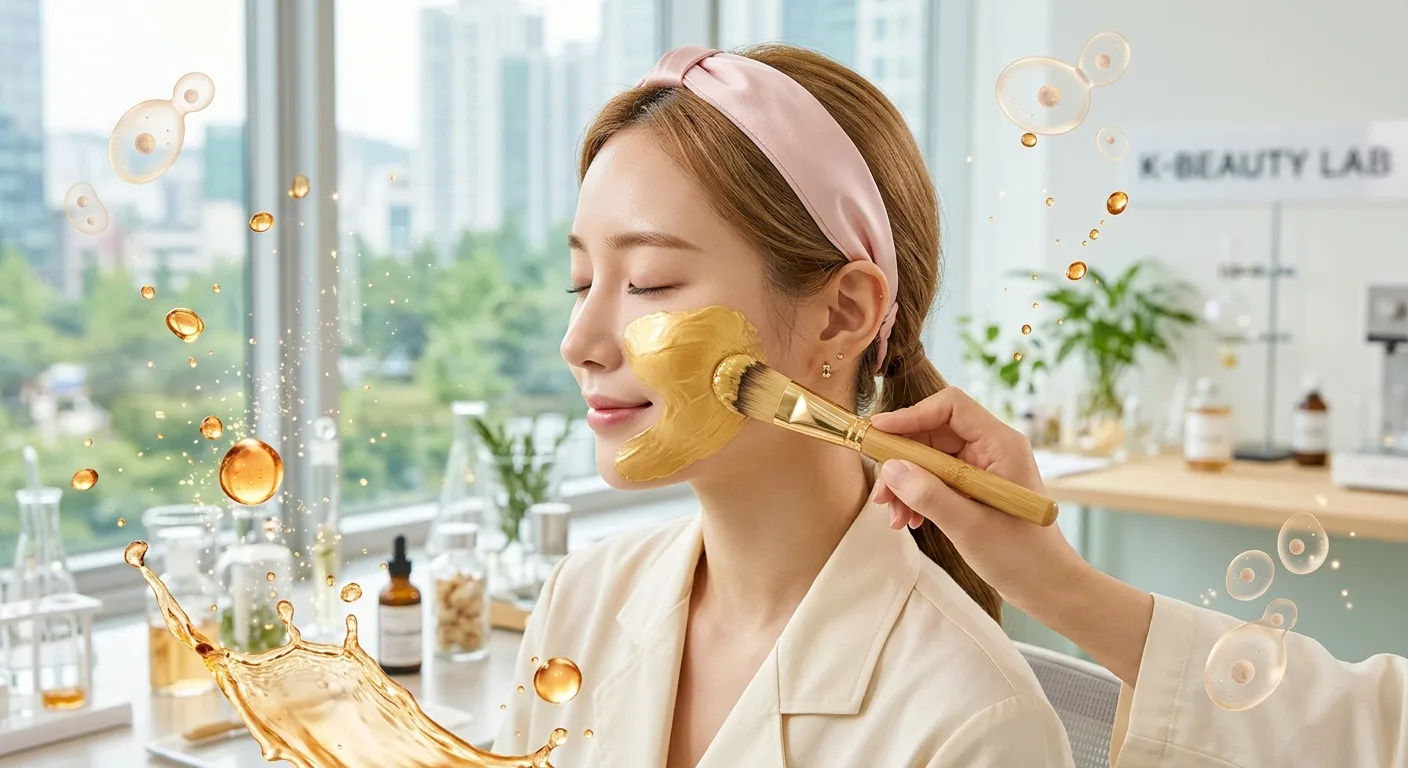
A beer yeast skincare mask is the latest breakthrough in the Korean beauty world, taking the concept of “Glass Skin 2.0” to new heights. While fermented ingredients have long been a staple of K-beauty, the specific use of Saccharomyces cerevisiae—commonly known as brewer’s yeast—is gaining massive popularity in 2026 for its unique ability to support the skin’s microbiome and repair the moisture barrier.
In this comprehensive guide, we will explore why this humble brewing byproduct has become a gold mine for cosmetic chemists. From its rich profile of B-complex vitamins to its natural enzymatic exfoliation properties, you will discover how to incorporate yeast-based treatments into your daily regimen for a healthier, more resilient complexion that glows from within.
The Science Behind the Beer Yeast Skincare Mask
At the heart of every beer yeast skincare mask lies a complex biological powerhouse. Beer yeast, or Saccharomyces cerevisiae, is a single-celled fungus that has been used for centuries in baking and brewing. However, its application in modern dermatology focuses on its dense nutrient profile. Yeast cells are packed with B-complex vitamins, including B1 (thiamine), B2 (riboflavin), B3 (niacin), and B6 (pyridoxine). These vitamins are essential for cellular energy production and the synthesis of lipids that keep the skin barrier intact.
Beyond vitamins, yeast is a significant source of beta-glucans. These long-chain polysaccharides are renowned in the scientific community for their soothing and hydrating properties. In fact, 2025 research suggests that yeast-derived beta-glucans may be up to 20% more hydrating than hyaluronic acid at equivalent concentrations. They work by forming a thin, breathable film on the skin’s surface, preventing transepidermal water loss (TEWL) while simultaneously signaling the immune system to calm inflammation and accelerate wound healing.
Key Nutrients Found in Brewer’s Yeast:
- Amino Acids: The building blocks of proteins like collagen and elastin, helping to maintain skin firmness.
- Minerals: Zinc and selenium, which provide antioxidant protection and regulate oil production.
- Proteolytic Enzymes: Natural catalysts that gently dissolve the bonds between dead skin cells, offering a non-acidic way to brighten the complexion.
The fermentation process itself is what makes these nutrients so effective. During fermentation, the large molecules in the yeast are broken down into smaller, bioavailable fragments. This “ultra-low-molecular” weight allows the active ingredients to penetrate deeper into the epidermis than traditional, unfermented extracts. This is why many K-beauty enthusiasts are swapping their harsh physical scrubs for the gentle, deep-reaching benefits of a yeast-based treatment.
Microbiome Health and the 2026 Upcycled Beauty Trend
As we move through 2026, the global beauty industry has shifted its focus toward sustainability and “Upcycled Beauty.” This movement involves taking byproducts from other industries—such as the spent yeast and hops from the brewing process—and repurposing them into high-value skincare actives. This circular economy approach not only reduces waste but also provides a sustainable source of bioactive compounds that are perfectly suited for human skin.
One of the primary benefits of using a beer yeast skincare mask is its role in supporting the skin microbiome. Your skin is home to trillions of microorganisms that form a protective shield against environmental stressors. When this microbiome is imbalanced, it can lead to sensitivity, redness, and breakouts. Yeast ferments act as postbiotics, providing a food source for beneficial bacteria while inhibiting the growth of harmful pathogens. This balance is crucial for achieving that coveted “glass skin” look, which relies on a calm, even-toned surface.
While many people focus on applying yeast to their face, the same microbiome-balancing principles apply to the scalp. The scalp is essentially an extension of our facial skin, and it often suffers from the same issues of inflammation and barrier disruption. Using yeast-infused products on the scalp can help create a healthy environment for hair growth by nourishing the follicles and reducing the micro-inflammation that leads to thinning.
The VIBAS Biome Beer Yeast Scalp Tonic is an excellent example of how these biotech pillars are applied in practice. By combining 20,000ppm of beer yeast extract with Bifida and Lactobacillus fermentation lysates, it targets the scalp’s natural flora. This helps to reduce dandruff and irritation, proving that the benefits of yeast fermentation extend far beyond just facial masks. When the scalp is healthy, the hair follows suit, becoming stronger and more resilient against breakage.
How to Use Yeast-Based Products for Maximum Efficacy
To get the most out of your beer yeast skincare mask or fermented treatment, timing and technique are everything. Because yeast ferments are highly active, they should be applied to clean, slightly damp skin. This moisture helps the low-molecular-weight ingredients travel deeper into the pores. If you are using a wash-off mask, it is generally recommended to leave it on for 15 to 20 minutes. This allows the enzymes enough time to perform gentle exfoliation without causing the skin to feel tight or dry.
For those with sensitive skin, it is important to distinguish between active and inactive yeast. You should never apply active dry baking yeast directly to your face, as it can continue to ferment on the skin, leading to puffiness, redness, or even allergic reactions. Instead, look for products that utilize “Saccharomyces Ferment Filtrate” or “Brewer’s Spent Yeast.” These have been stabilized and purified for cosmetic use, ensuring you get the nutrients without the risks associated with live cultures.
A Step-by-Step Fermented Routine:
- Double Cleanse: Remove oil-based impurities and makeup first, followed by a water-based cleanser.
- Toner/Essence: Apply a fermented essence to prep the skin and enhance absorption.
- Yeast Mask: Apply your beer yeast mask evenly, focusing on areas with texture or dullness.
- Moisturize: Seal in the nutrients with a barrier-repair cream containing ceramides.
In the realm of hair care, the application process is similar. A high-quality yeast shampoo should be massaged into the scalp for at least three minutes. This mechanical action, combined with the warmth of the shower, helps the B vitamins and amino acids reach the hair follicles. For those dealing with thinning hair, consistency is key—fermented treatments often show their best results after 4 to 8 weeks of regular use.
The Dr.Banggiwon Beer Yeast Shampoo utilizes a high concentration of 30,000ppm German brewer’s yeast. This product highlights the importance of sourcing; German yeast is often cited for its purity and high vitamin content. By using micellar technology, it cleanses the scalp without stripping it, allowing the yeast nutrients to work effectively on a clean surface. This is a prime example of how professional formulations outperform DIY kitchen experiments.
Addressing Acne and Inflammation with Yeast Ferments
One of the most surprising benefits of a beer yeast skincare mask is its ability to combat acne. While people with fungal acne (Malassezia folliculitis) should avoid yeast products, those dealing with traditional bacterial acne (P. acnes) may find great relief. Recent 2026 clinical trials have demonstrated that certain hop extracts and yeast ferments possess natural antimicrobial properties. These components work together to reduce the population of acne-causing bacteria on the skin’s surface while simultaneously lowering the skin’s inflammatory response.
Furthermore, the zinc found in brewer’s yeast is a well-known sebum regulator. By helping to balance the amount of oil the skin produces, yeast masks can prevent the clogged pores that lead to blackheads and whiteheads. Unlike harsh benzoyl peroxide or salicylic acid treatments, which can leave the skin peeling and raw, yeast provides a “soft touch” approach to acne management. It heals the skin while it treats the breakout, making it ideal for those with adult acne or sensitive, blemish-prone skin.
In addition to oil control, the niacin (Vitamin B3) in yeast helps to fade post-inflammatory hyperpigmentation (PIH). These are the stubborn dark spots left behind after a pimple has healed. By accelerating cellular turnover through enzymatic action, the yeast mask helps these spots fade faster, leading to a more even skin tone. This multi-tasking ability—treating active breakouts while healing old scars—is why fermented skincare remains a cornerstone of the K-beauty philosophy.
For those who experience “scalp acne” or folliculitis, the BY_OUR Beer Yeast 81% Cool Shampoo offers a specialized solution. With an incredibly high concentration of 81% yeast ferment extract, it provides a potent dose of antimicrobial and anti-inflammatory benefits. The addition of cooling agents like menthol helps to immediately soothe the heat associated with inflamed breakouts, providing both long-term healing and instant comfort.
The Role of Yeast in Anti-Aging and Skin Longevity
In 2026, the K-beauty trend has shifted from “anti-aging” to “skin longevity.” This means focusing on the health of the skin cells today to ensure they function better in the future. A beer yeast skincare mask fits perfectly into this paradigm because of its high concentration of antioxidants. Antioxidants are the skin’s primary defense against oxidative stress caused by UV rays, pollution, and blue light. By neutralizing free radicals, yeast ferments help prevent the breakdown of collagen and the formation of fine lines.
The biotin (Vitamin B7) found in beer yeast is another critical component for longevity. While often discussed in the context of hair and nails, biotin is essential for the health of skin cells as well. It aids in the production of fatty acids that nourish the skin and maintain a smooth, supple texture. When applied topically through a mask or serum, these nutrients support the skin’s natural repair cycles, which typically happen overnight. This is why many users report waking up with a “plumped” and refreshed look after using a yeast treatment the evening before.
Moreover, the amino acid profile of brewer’s yeast closely mimics the Natural Moisturizing Factors (NMF) already present in human skin. This bio-mimicry allows the skin to recognize and utilize the ingredients more efficiently than synthetic alternatives. As we age, our natural NMF levels decline, leading to dryness and a loss of elasticity. Supplementing the skin with yeast-derived amino acids helps to fill these gaps, maintaining the skin’s structural integrity over time.
The BY_OUR Black Beer 81% Shampoo takes this longevity approach to hair care. By focusing on the root and the scalp environment, it ensures that the hair growing out is as healthy and strong as possible. The use of black-tinted botanical extracts alongside the yeast ferment suggests a focus on maintaining the vibrancy and density of the hair, which are key concerns in the longevity-focused beauty market of today.
Comparing Professional Yeast Masks vs. DIY Alternatives
It is common to see tutorials for DIY beer yeast skincare mask recipes using nutritional yeast or even actual beer. While the enthusiasm for natural beauty is wonderful, there are significant differences between a kitchen concoction and a professionally formulated K-beauty product. Professional products undergo rigorous purification processes to remove impurities and potential allergens that are naturally present in raw yeast. They also use specific extraction methods to isolate the most beneficial compounds, such as the ferment filtrate, while discarding the heavy cellular walls that can be difficult for the skin to absorb.
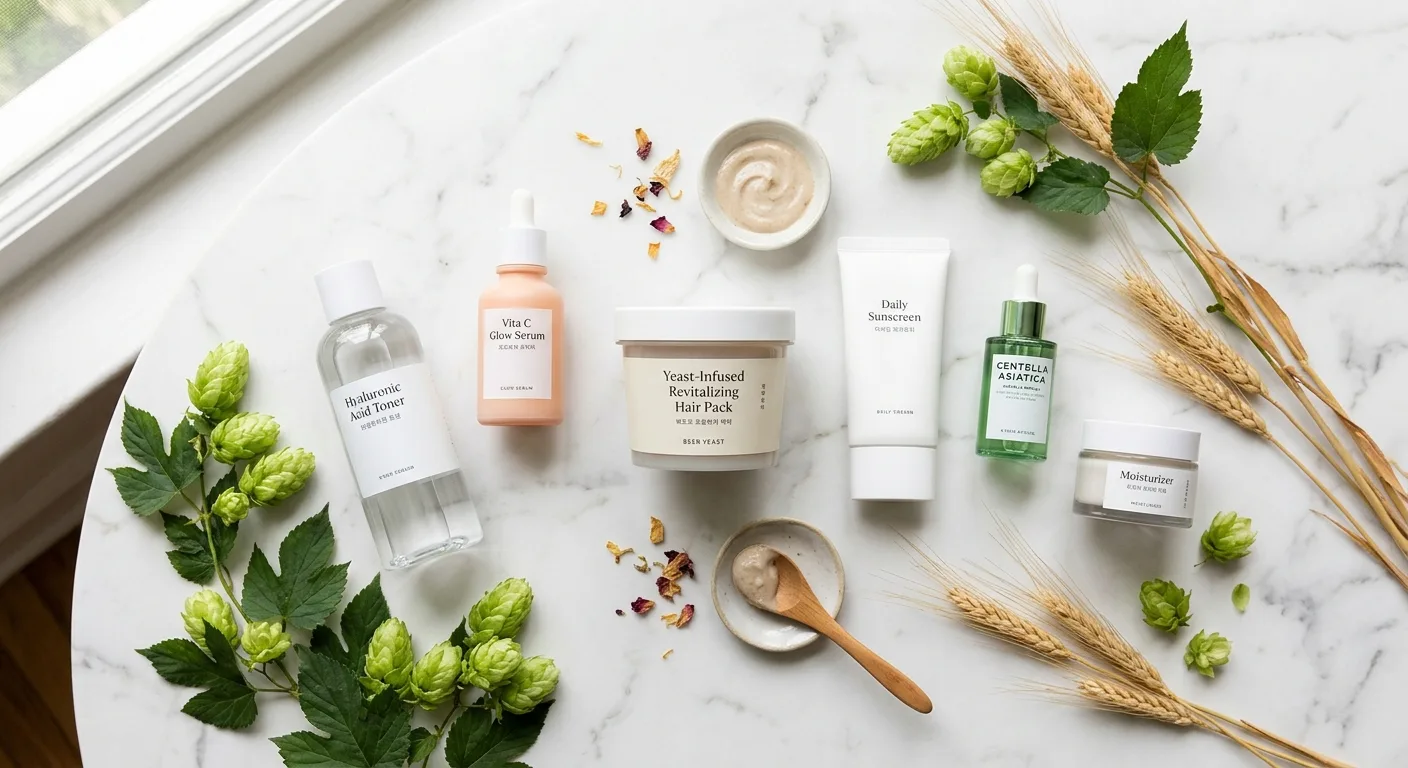
Another factor is pH balance. Raw yeast can be quite alkaline, which can disrupt the skin’s natural acid mantle (which typically sits around pH 5.5). K-beauty formulations are carefully pH-balanced to ensure they support the skin barrier rather than weakening it. Additionally, professional masks often include “helper” ingredients like hyaluronic acid, centella asiatica, or ceramides that work synergistically with the yeast to provide a well-rounded treatment. A DIY mask lacks these sophisticated delivery systems and stabilized actives.
However, the cultural connection to beer in Korea isn’t just about skincare; it’s a lifestyle. The appreciation for the fermentation process extends from the vanity to the social table. This holistic view of fermentation—both inside and out—is a hallmark of Korean wellness. Whether you are applying a high-tech yeast serum or enjoying a social gathering, the focus is always on balance and quality.
While not a skincare product, the Terra Soju Beer Tower Mini represents the fun, social side of Korean beer culture. Just as K-beauty emphasizes the “golden ratio” of ingredients for the skin, this dispenser helps users achieve the perfect “Somaek” (soju and beer) mix. It serves as a reminder that the ingredients we value in our beauty routines—like the yeast in beer—are deeply woven into the fabric of daily life and celebration in Seoul.
Choosing the Right Yeast Product for Your Skin Type
Not all yeast products are created equal, and choosing the right beer yeast skincare mask depends heavily on your specific skin concerns. If your primary goal is hydration and brightening, look for products that list “Galactomyces Ferment Filtrate” or “Saccharomyces Ferment Filtrate” as the first or second ingredient. These are lightweight, watery extracts that are perfect for layering and provide that signature Korean glow without any heaviness.
For those with dry or mature skin, a cream-based mask containing yeast extract and oils ( like argan or jojoba) will be more beneficial. These provide the necessary lipids to seal in the ferment’s nutrients. If you have oily or acne-prone skin, a clay mask infused with brewer’s yeast is an excellent choice. The clay draws out excess sebum while the yeast provides the antimicrobial and soothing benefits needed to prevent future breakouts.
Finally, don’t forget the importance of the scalp and hair. If you are experiencing thinning or a lack of volume, a comprehensive set that includes both a targeted shampoo and a deep-conditioning hair pack can provide the most dramatic results. This ensures that the yeast nutrients are present at every stage of your cleansing routine, from the initial wash to the final treatment.
The CRAZYSKIN Beer Yeast Hair Loss Relief Set is a perfect example of a targeted, multi-step approach. By using both a shampoo and a hair pack, you ensure that the scalp is first cleansed of debris and then deeply nourished with B vitamins and biotin. This dual-action method is much more effective than using a single product, as it allows the active beer yeast ingredients to remain in contact with the scalp for a longer period during the hair pack phase.
Frequently Asked Questions
Can I use a beer yeast skincare mask if I have fungal acne?
No, it is generally advised to avoid yeast-based skincare if you suffer from fungal acne (Malassezia folliculitis). Yeast and other fermented ingredients can provide a food source for the Malassezia fungus, potentially worsening the condition. It is best to stick to fungal-acne-safe products until the breakout is completely cleared.
How often should I use a yeast-based face mask?
For most skin types, using a yeast mask 1 to 2 times per week is ideal. This frequency allows you to reap the benefits of enzymatic exfoliation and nutrient delivery without over-stimulating the skin. If you have very resilient skin, you may increase usage, but always monitor for signs of sensitivity or redness.
Is there a difference between brewer's yeast and baker's yeast for skin?
Yes, brewer's yeast (Saccharomyces cerevisiae) is typically richer in minerals like chromium and selenium compared to baker's yeast. In skincare, brewer's yeast is preferred for its superior nutrient profile and its historical efficacy in treating skin and hair concerns. Most K-beauty products specifically utilize brewer's yeast for these reasons.
Does a beer yeast mask smell like beer?
Professional K-beauty formulations are processed to minimize the strong, yeasty scent associated with brewing. While some products may have a very faint, earthy, or nutty aroma, they are usually quite pleasant and often include natural botanical scents to enhance the user experience. They do not smell like a stale brewery.
Will a beer yeast mask make my skin more sensitive to the sun?
Unlike AHAs or BHAs, yeast ferments do not typically increase photosensitivity. In fact, the antioxidants and beta-glucans in yeast can help the skin better defend itself against UV-induced damage. However, you should always wear a broad-spectrum sunscreen daily to protect your skin and maintain the results of your skincare routine.