When you hear National Geographic, you likely think of yellow-bordered magazines and breathtaking nature documentaries. However, in South Korea, this iconic name has undergone a radical transformation into one of the most coveted outdoor lifestyle brands in the world.
As of July 2026, the brand has evolved from a media outlet into a cornerstone of Seoul’s high-end streetwear scene. By blending the spirit of exploration with cutting-edge Korean design, it has captured the hearts of Gen Z and Millennials who demand both style and substance in their daily wardrobe.
The Rise of National Geographic as a Korean Fashion Powerhouse
The story of National Geographic in the Korean market is a masterclass in brand licensing and cultural adaptation. Through a strategic partnership with The Nature Holdings, the brand transitioned from a scientific entity into a lifestyle icon [1]. This wasn’t just a matter of slapping a logo on a t-shirt; it was about creating a new category of ‘Urban Tech’ that resonates with the fast-paced, aesthetic-driven lifestyle of modern Seoul.
Why the Yellow Border Won Over Korea
Korean consumers have a unique affinity for ‘lifestyle branding’ where non-fashion logos—such as Kodak, Discovery, and National Geographic—are reimagined as premium apparel [3]. This trend works because it taps into a desire for authenticity and intellectual curiosity. Wearing the yellow border signifies that the wearer values global exploration, sustainability, and high-quality craftsmanship. It serves as a visual shorthand for a ‘well-traveled’ persona, even if the wearer is just commuting to an office in Gangnam.
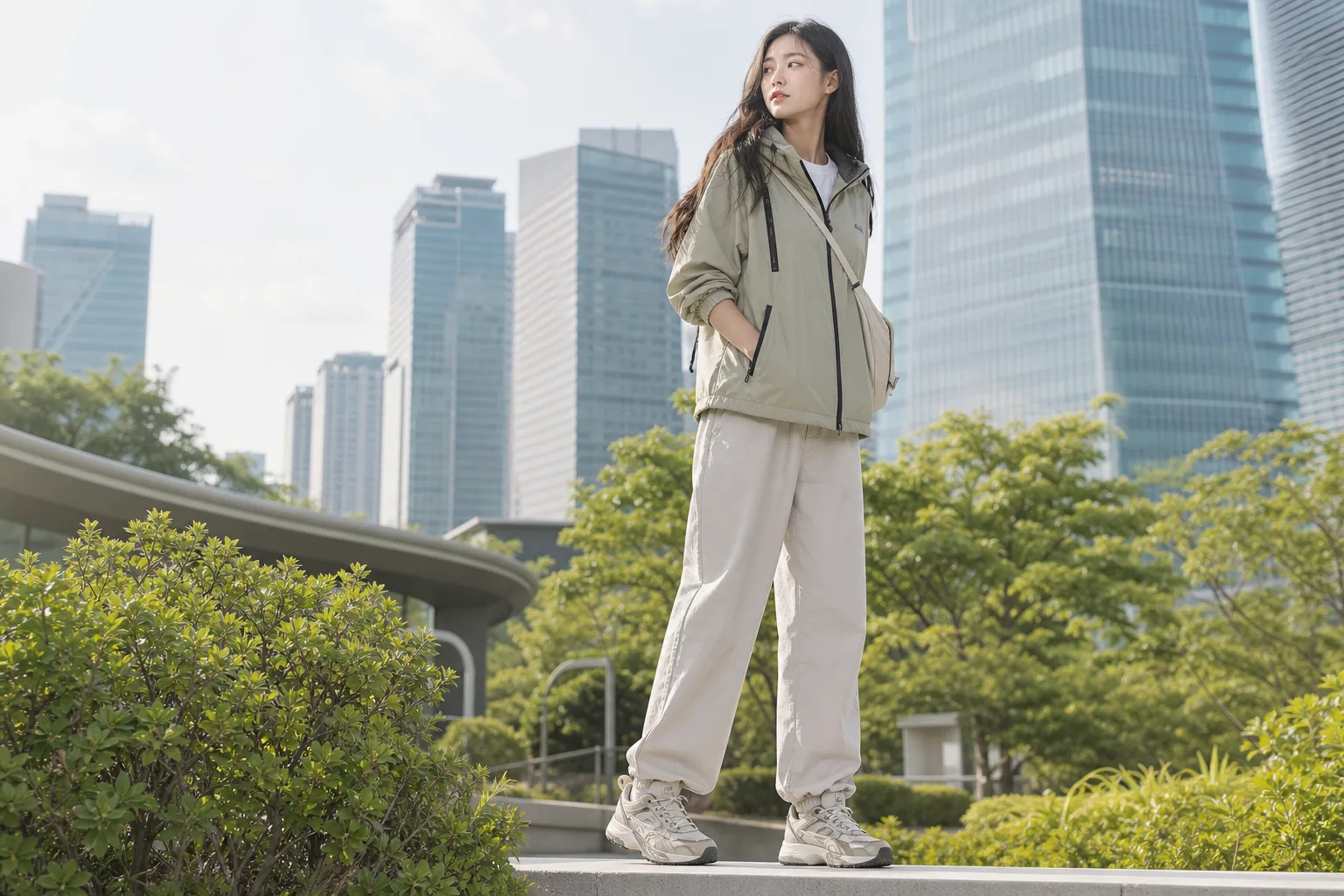
By 2026, this ‘premium outdoor’ strategy has expanded significantly. The brand’s success in Korea and Taiwan has paved the way for a massive expansion into the Chinese market, proving that the Korean interpretation of the brand has global appeal [2]. The shift focuses on the ‘Glocal’ (Global + Local) approach, where the global heritage of the brand is filtered through the lens of Korean fashion sensibilities—think oversized silhouettes, muted earthy tones, and high-performance fabrics that look at home in both a forest and a subway station.
Sustainable Innovation and the 2026 Urban Tech Trend
Sustainability is no longer an option in the Korean market; it is a requirement. National Geographic has led this charge by integrating eco-friendly materials into their core collections. In 2026, the brand’s ‘Urban Tech’ line features jackets and bags utilizing linings recycled from plastic PET bottles [1]. This commitment to the environment aligns perfectly with the brand’s original mission of conservation, making it a guilt-free choice for conscious consumers.
The Science of Modern Gear
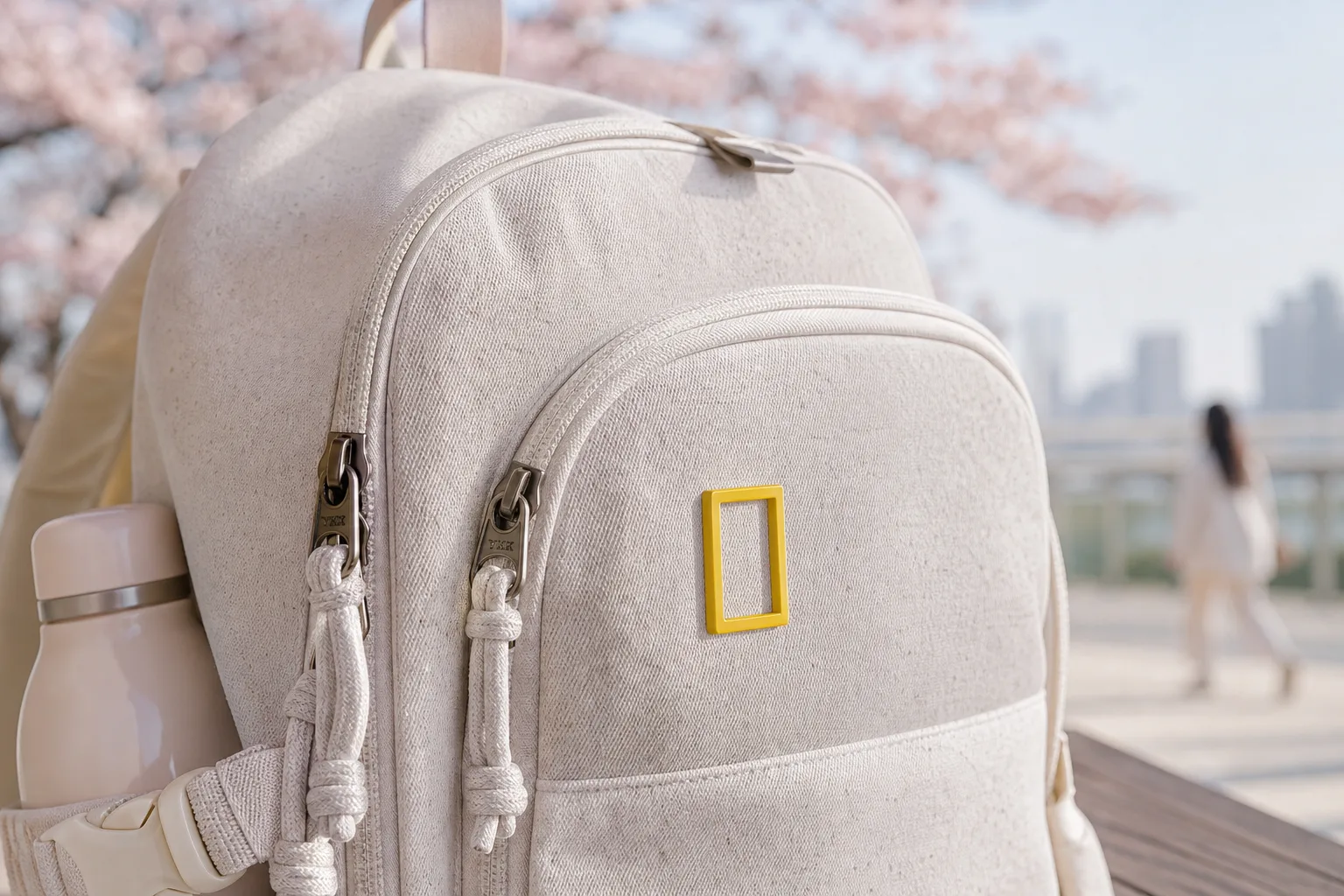
The technical aspects of the gear are what differentiate it from fast fashion. We see the use of CORDURA re/cor fabrics, which provide extreme durability while being made from recycled materials. These fabrics are resistant to tears, scuffs, and abrasions, ensuring that a single backpack or jacket can last for years of daily use. Additionally, the integration of YKK zippers and REBOYARN linings shows a meticulous attention to detail that justifies the premium price point.
For the urban explorer who needs to balance tech protection with mobility, a high-capacity backpack is essential. A 28L design with a dedicated laptop compartment ensures that professional tools stay safe while the air mesh back panel provides the breathability needed for long commutes in Seoul’s humid summers.
Common mistakes when choosing outdoor-inspired gear include prioritizing style over functionality. A good ‘Urban Tech’ piece should provide water resistance and proper weight distribution. If a bag lacks padded shoulder straps or reinforced stitching at stress points, it won’t survive the rigors of an active lifestyle, regardless of how good the logo looks.
K-Pop Influence: The Leeseo and IVE Effect
In Korea, trends are often ignited by the power of K-pop. On March 31, 2026, National Geographic Apparel launched its ‘Spring at the Tip of Your Toes’ (ROVER ZEN) campaign featuring Leeseo from IVE [1]. This collaboration targeted Gen Z consumers specifically, showcasing how technical sneakers and light outing gear can be styled for a youthful, energetic look. The ‘Rover Zen’ sneakers became an overnight sensation, often selling out within hours of a restock.
Styling Like an Idol
To achieve the ‘K-idol outdoor’ look, the key is balance. You don’t want to look like you’re about to summit Mount Everest if you’re just going to a cafe in Hongdae. Follow these styling steps:
- Contrast Silhouettes: Pair an oversized technical hoodie with slim-fit joggers or a tennis skirt, as seen in the Leeseo campaign.
- Accessorize with Purpose: Use functional accessories like messenger bags or tech-ready phone cases to add layers to your outfit.
- Monochromatic Palettes: Stick to ‘nature-inspired’ tones like sand, olive, charcoal, and off-white to maintain a premium feel.
The tech-savvy nature of Gen Z also means their accessories must be as ‘smart’ as their outfits. For those using foldable smartphones, a case that combines durability with a secure grip is a must-have for capturing those aesthetic travel shots on the go.
This intersection of pop culture and functional design is why the brand remains at the top of the charts. It isn’t just about the clothes; it’s about the lifestyle that K-pop idols represent—one of constant movement, creativity, and exploration.
The Intersection of Lifestyle and K-Beauty Innovation
National Geographic’s influence in Korea extends beyond fashion and into the realm of wellness and skincare. In June 2026, the media outlet highlighted South Korea’s global leadership in sunscreen technology [1]. This is particularly relevant for the outdoor lifestyle, where skin protection is paramount. The report noted the rise of ‘smart sunscreens’ that adjust their viscosity based on UV intensity and humidity levels—a feat of engineering that mirrors the technical evolution of the brand’s apparel.
Ingredients for the Active Explorer
When you are spending time outdoors, your skin requires more than just basic hydration. Korean skincare specifically formulated for ‘outdoor enthusiasts’ often includes three key ingredients noted in recent reports: PDRN (salmon DNA) for tissue repair, Cica (Centella asiatica) for soothing windburn, and Niacinamide for brightening skin that has been exposed to the sun [1]. These ingredients help the skin recover from the oxidative stress of environmental exposure.
The ‘Glow-cation’ Trend
A new trend identified in early 2026 is the ‘Glow-cation’—a wellness-focused vacation where travelers visit Seoul for clinical-grade skincare treatments combined with light hiking and outdoor exploration [1]. This holistic approach to beauty and lifestyle is why you will often see National Geographic backpacks carried by people heading to skincare clinics in Sinsa-dong. It represents a lifestyle where one cares for their gear, their environment, and their skin with equal precision.
For those who want to keep their aesthetic consistent even down to their mobile devices, choosing accessories with ‘wappen’ (patch) style prints can mirror the look of the classic outdoor parkas that made the brand famous in the first place.
A common mistake is neglecting skin recovery after a day of ‘exploring.’ Just as you would clean and store your technical jacket, you must use a soothing cica-based mask or a PDRN serum to repair the skin barrier. The ‘Urban Tech’ lifestyle is about being prepared for everything, including the long-term health of your skin.
Practical Guide to Choosing National Geographic Gear
Selecting the right gear requires an understanding of ‘Liters’ and ‘Technical Specs.’ For daily commuting and light travel, a messenger bag is often superior to a backpack because it allows for quick access to essentials while on the move. When evaluating a messenger bag, look for a capacity between 9L and 12L. A 9L bag is ideal for a 13-inch laptop and daily essentials like a power bank and notebook.
Step-by-Step Selection Process
- Identify Your Tech: Measure your laptop or tablet. Ensure the bag has a dedicated padded compartment. A 12L bag typically fits up to a 15-inch laptop comfortably.
- Check the Lining: Opt for recycled linings like REBOYARN. Not only is it better for the planet, but these materials are often treated for water resistance.
- Safety Features: If you commute by bike or walk at night, look for 3M reflective logos. These are a signature of the 2026 collections.
- Ergonomics: Ensure the shoulder strap is wide and padded. A thin strap will dig into your shoulder if the bag is loaded with electronics.
Many people make the mistake of buying ‘professional’ hiking gear for city life. While a 50L trekking pack is great for the mountains, it is cumbersome on a bus. The National Geographic ‘Brave’ or ‘Daze’ series is specifically designed for the ‘Urban Explorer’—someone who needs the durability of mountain gear but the sleek profile of city fashion. These bags use YKK zippers, which are the gold standard for durability; if a zipper feels ‘sticky’ or plastic-y, it’s likely not a genuine high-performance piece.
The Future of the Brand: 2026 and Beyond
The trajectory of National Geographic in Korea suggests a move toward even more ‘connected’ lifestyle products. We are seeing a shift where the brand is not just a clothing company but a complete ecosystem for the modern explorer. This includes collaborations with tech giants for specialized device protection and a deeper dive into ‘athleisure’ that can transition from a morning yoga session to an afternoon board meeting.
Expanding the Horizon
With the brand’s expansion into China and continued dominance in the Korean domestic market, we can expect to see more localized designs that cater to specific climate needs [2]. For example, ultra-lightweight windbreakers for the ‘Yellow Dust’ season in spring and heavily insulated, tech-heavy parkas for the brutal ‘Siberian’ winters in Seoul. The focus will remain on high-performance materials that don’t sacrifice the ‘cool factor’ that K-pop idols like Leeseo have brought to the brand.
Ultimately, the success of the brand lies in its ability to tell a story. Every time you wear a piece with that yellow border, you are participating in a narrative of curiosity and respect for the natural world. Whether you are navigating the concrete jungle of Seoul or the actual jungles of the world, the gear is designed to be a reliable companion. For the tech-conscious user, even the smallest accessory, like a Z Flip case with a secure ring strap, reflects this ethos of being ‘adventure-ready’ at a moment’s notice.
As we look toward the end of 2026, the ‘National Geographic’ name in Korea has become synonymous with a specific type of ‘quiet luxury’ outdoor wear—one that is rugged enough for the wild but refined enough for the most stylish streets of Seoul.
Frequently Asked Questions
Is National Geographic apparel in Korea different from the magazine?
Yes, while the brand shares the name and mission of the National Geographic Society, the apparel line in South Korea is a licensed lifestyle brand managed by The Nature Holdings. It focuses on premium 'Urban Tech' fashion that blends technical outdoor functionality with modern streetwear aesthetics. This unique Korean interpretation has become a massive trend across Asia.
Why is this brand so popular among K-pop idols?
The brand's popularity stems from its ability to combine 'adventure' heritage with trendy silhouettes like oversized fits and earthy tones. High-profile collaborations with idols like Leeseo from IVE have solidified its status as a 'must-have' for Gen Z. It offers a way to look stylish while appearing conscious of environmental and global issues.
Are the clothes suitable for actual hiking and exploration?
Absolutely. While highly fashionable, the gear uses professional-grade materials like CORDURA, Gore-Tex, and YKK zippers. The 'Urban Tech' lines are designed for daily city use, but their premium collections are engineered to withstand rain, wind, and rough terrain, making them versatile for both commuting and weekend adventures.
How does the brand incorporate sustainability into its products?
National Geographic Korea emphasizes 'eco-friendly exploration.' By 2026, many of their bags and jackets use linings made from recycled PET bottles and eco-conscious fabrics like CORDURA re/cor. This commitment allows consumers to enjoy high-performance gear while supporting the brand's global mission of conservation.
What are 'Glow-cations' mentioned in recent National Geographic reports?
'Glow-cations' are a 2026 travel trend where visitors come to Korea specifically for a mix of high-tech skincare treatments and outdoor wellness activities. This trend highlights the intersection of Korea's world-leading beauty industry and the rising popularity of the outdoor lifestyle. It emphasizes a holistic approach to health and appearance.