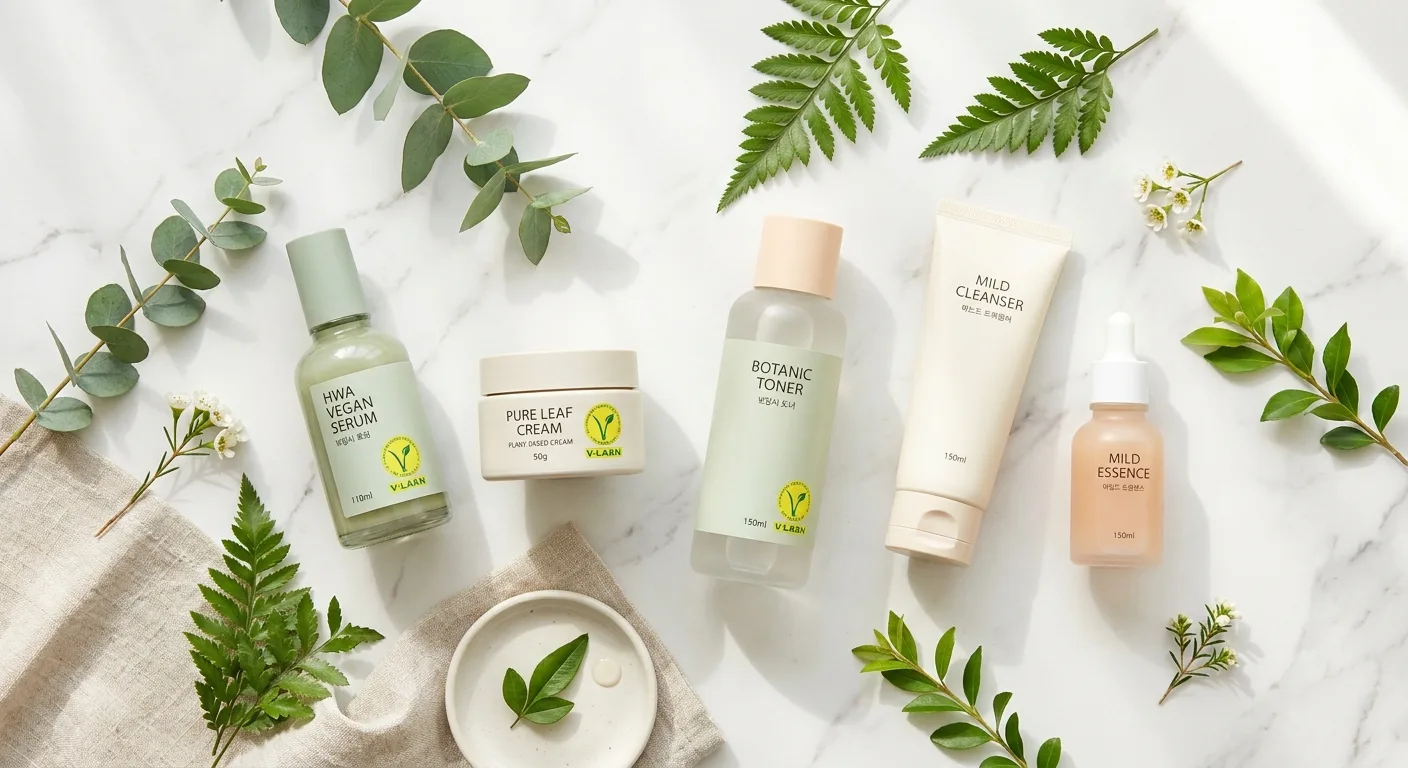
Embracing a Vegan lifestyle no longer means compromising on the high-performance results for which Korean beauty is world-renowned. As of May 12, 2026, the K-beauty landscape has undergone a monumental shift toward ethical, plant-based formulations, with the United States recently surpassing China as the leading destination for Korean cosmetic exports—a change driven largely by a 42% consumer preference for vegan labels [2].
Today’s global beauty fans are looking for more than just a quick fix; they want transparency, sustainability, and kindness in every drop. In this comprehensive guide, we will explore the latest innovations like Vegan PDRN and Cloudglow skin, helping you curate a routine that aligns with your values without losing that signature Seoul-inspired radiance.
Understanding the 2026 Vegan Beauty Landscape
The evolution of Korean cosmetics has reached a tipping point where the distinction between “standard” and “vegan” is blurring. Major Korean beauty conglomerates have transitioned their legacy lines to meet strict international standards, ensuring that plant-based options are now the gold standard rather than a niche alternative. According to data from the Korea Agency of Vegan Certification and Services, over 13,000 products are now officially certified, providing consumers with more choices than ever before [1].
What Makes a Product Truly Vegan?
While many people use the terms interchangeably, there is a distinct difference between “vegan” and “cruelty-free.” A product is considered vegan when it contains zero animal-derived ingredients. Cruelty-free simply means the product was not tested on animals. In the Korean market, savvy shoppers look for certifications from bodies like the Korea Vegan Certification Institute (KVCI), The Vegan Society (V-Label), or EVE Vegan from Europe to ensure the highest integrity of their purchases [3].
- Animal-Derived Red Flags: To maintain a strictly vegan routine, you must avoid ingredients like snail mucin, beeswax, lanolin (wool grease), carmine (crushed beetles used for pigment), and honey or propolis.
- Sustainability Factors: The 2026 trend focuses heavily on the environmental impact of the packaging, pushing for plastic-free alternatives and biodegradable components that complement the vegan formula.
- Efficacy: Modern bio-engineering allows brands to create lab-grown plant actives that often outperform their animal-derived counterparts in stability and purity.
By choosing certified products, you are supporting a movement that prioritizes both planetary health and skin health. This shift is supported by the Ministry of Food and Drug Safety (MFDS) regulations, which have become increasingly stringent to protect the integrity of organic and plant-based claims [5].
Revolutionary Ingredients: Vegan PDRN and Beyond
The star of 2026 is undoubtedly Vegan PDRN. Traditionally, PDRN (Polydeoxyribonucleotide) was sourced from salmon DNA and used for its incredible skin-regenerating and wound-healing properties. However, breakthrough precision fermentation and botanical extraction have allowed Korean scientists to create plant-derived DNA from seaweed and soy. These vegan alternatives offer the same cellular repair benefits without the ethical concerns of animal harvesting.
Phyto-Collagen and Snow Mushroom
Another major leap forward is the rise of phyto-collagen. Since traditional collagen is bovine or marine-sourced, it is strictly non-vegan. The current market now utilizes yeast-derived or soy-based collagen that mimics the human skin’s structure to improve elasticity. Additionally, Snow Mushroom (Tremella) has been crowned the “vegan hyaluronic acid.” Its unique molecular structure allows it to hold up to 500 times its weight in water, providing deep hydration that penetrates further than many synthetic alternatives.
When searching for high-potency treatments that utilize these calming, plant-based technologies, look for products that prioritize skin barrier health. For those struggling with redness or blemish-prone skin, heartleaf and fermented vinegar are powerful botanical allies that provide clarity without the harshness of traditional acids.
These calming pads exemplify the modern approach: using potent plant extracts like Houttuynia Cordata to achieve medical-grade results. The fermentation process used in these products enhances the bioavailability of the active compounds, ensuring your skin absorbs every bit of the plant’s natural goodness.
Achieving Cloudglow Skin with Minimalist Routines
The era of the 10-step routine has evolved into what we call “Intentional Maximalism.” Instead of layering ten different items, the focus has shifted to 4-5 high-potency, multi-functional products. This aligns perfectly with the 2026 aesthetic known as “Cloudglow Skin.” Unlike the “Glass Skin” trend which focused on a high-shine, almost wet look, Cloudglow is about soft-focus radiance and a healthy, dimensional glow that looks luminous from within.
Step-by-Step Vegan Glow Routine
- Double Cleanse: Start with a plant-based oil cleanser followed by a pH-balanced foam or bar.
- Treatment Essence: Apply an essence rich in fermented plant extracts to prep the skin.
- Targeted Ampoule: Use a serum featuring plant-derived PDRN or phyto-collagen.
- Barrier Protection: Seal everything in with a vegan ceramide cream or an overnight mask for deep recovery.
Overnight care is particularly vital for the Cloudglow look. While you sleep, your skin enters a repair phase, making it the perfect time to apply dense, nutrient-rich formulas that don’t need to sit well under makeup.
Using an overnight mask containing kombucha and bakuchiol (a plant-based retinol alternative) helps to refine texture and boost radiance without the irritation sometimes associated with synthetic vitamin A. This reflects the trend of using fermented tea extracts to balance the skin’s microbiome, which is essential for that soft-focus cloud-like finish.

The Rise of Solid Beauty: Zero-Waste Hair Care
Sustainable living and vegan beauty are two sides of the same coin. In 2026, the biggest movement in K-beauty is the transition to solid beauty bars. This shift addresses the massive plastic waste generated by the cosmetic industry. By removing water from the formula, brands can create concentrated bars that last longer and require zero plastic packaging. One of the most cherished ingredients in this category is Dongbaek oil, also known as Camellia oil.
Why Dongbaek (Camellia) Oil?
Sourced from the pristine islands of Korea, Dongbaek oil is incredibly rich in oleic acid and antioxidants. It has been used for centuries by Korean women to maintain thick, lustrous hair. In a solid shampoo format, this oil helps to cleanse the scalp while depositing essential fatty acids that strengthen the hair shaft and prevent breakage.
Transitioning to a shampoo bar can be a game-changer for those with sensitive scalps. Traditional liquid shampoos often contain harsh surfactants like SLS to create foam, but high-quality vegan bars utilize coconut-derived cleansers that are much gentler. This preserves the natural oils of your hair, leading to less frizz and more natural shine over time.
For a complete routine, following up with a solid treatment bar ensures your ends remain hydrated and protected. These bars function like a concentrated deep-conditioner, melting into the hair when exposed to warm water and friction.
Using a treatment bar specifically infused with Camellia oil provides a protective barrier against environmental heat and pollution. It is an excellent example of how traditional Korean ingredients are being repackaged into ethical, modern formats that suit a zero-waste lifestyle.
Vegan Makeup: Pure Pigments and Plant Butters
Vegan makeup once had a reputation for being less pigmented or having a shorter wear time, but 2026 technology has completely debunked these myths. By using mineral pigments and plant-derived waxes, Korean makeup brands are creating textures that are more breathable and skin-friendly than synthetic alternatives. Lip care, in particular, has seen a massive upgrade with the inclusion of exotic plant butters.
Natural Lip Care and Pigmentation
Lips are highly absorbent, making the “vegan and clean” label even more critical for lip products. Instead of using lanolin or petroleum-based jellies, modern Korean lip treatments use Sal butter or Shea butter. These ingredients provide a high melting point, meaning the product stays solid in the tube but melts instantly onto the lips for a luxurious feel.
This type of melting lip treatment provides an advanced protective barrier that locks in moisture for hours. Because it is free from animal-derived carmine, the tints are often derived from roots and fruits, providing a subtle, natural flush that complements the “Cloudglow” aesthetic perfectly. When selecting vegan makeup, always check that the brand avoids synthetic fragrances and parabens, which can irritate the delicate lip area.
Plant-Based Lifestyle: Eating Your Way to Better Skin
In the Korean wellness philosophy, true beauty is a reflection of internal health. A vegan lifestyle in Korea extends beyond the vanity and into the kitchen. Many traditional Korean dishes are naturally plant-based, relying on fermentation and vegetables. However, classic comfort foods like Jjajangmyeon (black bean noodles) traditionally contain pork. The 2026 food scene has seen a surge in high-quality vegan recreations of these staples.
The Power of Fermented Black Beans
Traditional black bean paste, or Chunjang, is inherently vegan, but the sauce is usually sautéed with lard. Vegan versions replace this with vegetable oils and umami-rich mushrooms or lentils. These plant-based meals are not only ethical but are often 0% cholesterol, making them a heart-healthy choice that won’t lead to the skin inflammation sometimes caused by high-fat meat consumption.
Incorporating plant-based meals into your weekly routine can have a visible impact on your skin’s clarity. Foods rich in fiber and antioxidants help to regulate digestion and reduce oxidative stress. By choosing convenient vegan versions of your favorite Korean dishes, you can enjoy the rich, savory flavors of Seoul while staying committed to your vegan principles. This holistic approach—treating the body well from the inside out—is the secret to the longevity and health of the Korean complexion.
Frequently Asked Questions
Is snail mucin considered vegan in Korean beauty?
No, snail mucin is not considered vegan because it is an animal-derived secretion. While many brands claim to harvest it ethically without harming the snails, it still falls under the category of animal products. For a vegan alternative, many consumers are turning to wild yam root or snow mushroom, which provide a similar "slippery" texture and deep hydration.
How can I verify if a Korean product is genuinely vegan?
The most reliable way is to look for official certification seals on the packaging, such as the Korea Agency of Vegan Certification and Services (KVCS), The Vegan Society’s V-Label, or EVE Vegan. You should also check the ingredient list for common non-vegan items like beeswax, honey, propolis, lanolin, and carmine (often listed as CI 75470). If a product is not certified, you can contact the manufacturer to ask about their sourcing.
Are vegan K-beauty products as effective as non-vegan ones?
Absolutely, and in some cases, they may even be more effective. Modern Korean beauty technology utilizes "precision fermentation" to create highly pure plant-based actives that are often more stable than animal-derived ingredients. For example, plant-derived PDRN and phyto-collagen are engineered to have specific molecular weights that optimize skin absorption and efficacy without the impurities found in animal sources.
What is the difference between vegan and clean beauty?
"Vegan" specifically means the absence of animal-derived ingredients. "Clean beauty" is a more subjective term that usually refers to products formulated without certain controversial synthetic ingredients like parabens, sulfates, and phthalates. While many vegan products are also "clean," a product can be vegan while still using synthetic chemicals, or it can be "clean" while still containing honey or snail mucin.
Can I use vegan products if I have sensitive skin?
Generally, vegan products are excellent for sensitive skin because they tend to avoid animal-derived proteins and waxes that can sometimes trigger allergies. However, being vegan doesn't automatically mean a product is hypoallergenic. You should still look for soothing botanical ingredients like centella asiatica, heartleaf, or mugwort and perform a patch test if you are prone to reactions from essential oils or plant extracts.