
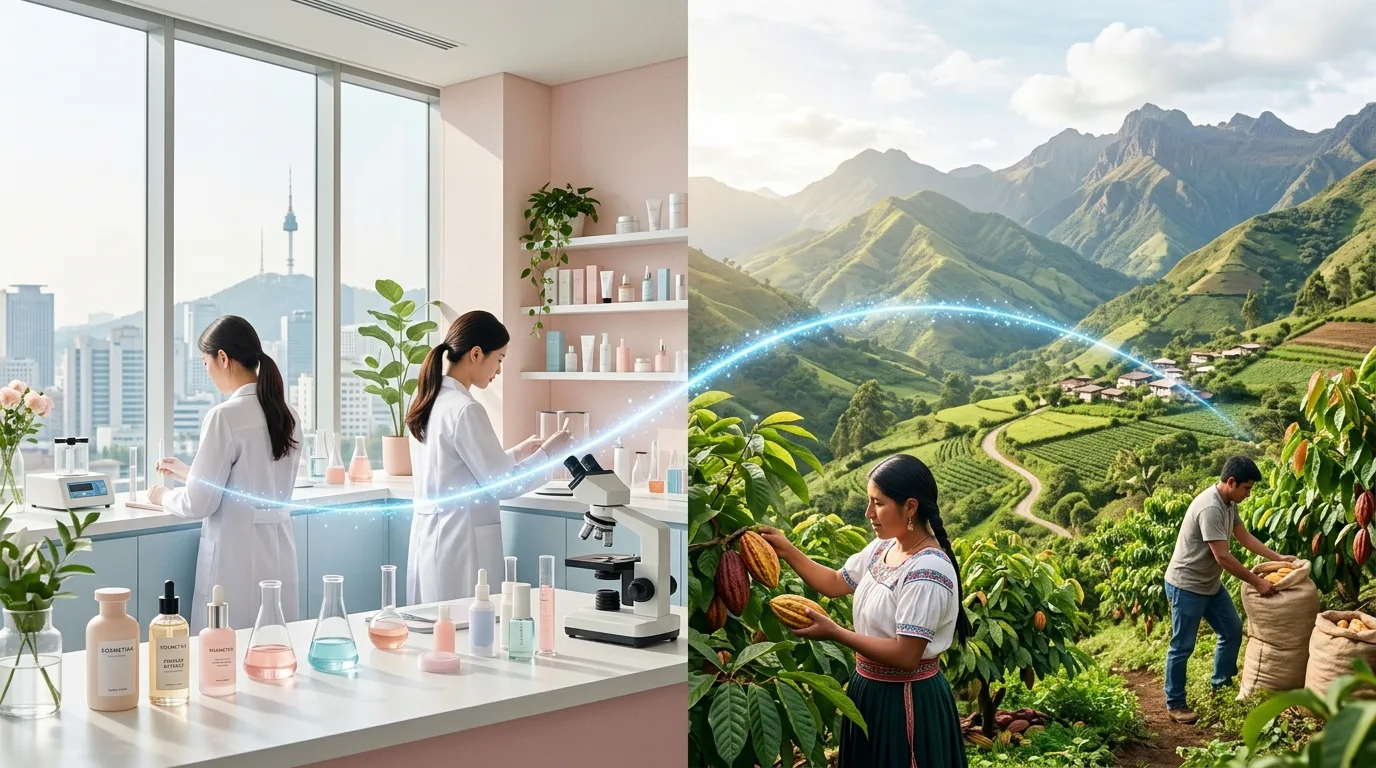
The ecuador vs South Korea trade landscape has undergone a monumental shift as of June 2026. With the recent ratification of the Strategic Economic Cooperation Agreement (SECA), the gateway for premium Korean cosmetics to enter the Ecuadorian market has never been wider. This agreement, which covers nearly 99% of trade items, marks a turning point for beauty enthusiasts in Quito, Guayaquil, and beyond who have long admired the innovation of Seoul.
For global K-beauty fans, this trade evolution represents more than just logistics; it is about the accessibility of high-performance skincare. As South Korea maintains its position as the world’s second-largest cosmetics exporter, reaching over 11 billion dollars in total exports, the Ecuadorian market is becoming a primary focus for diversification in Latin America.
Understanding SECA: The Ecuador vs South Korea Trade Impact
The ratification of the Strategic Economic Cooperation Agreement (SECA) in April 2026 stands as a historic milestone in the trade relationship between these two nations. Under this framework, the comparison of ecuador vs past trade barriers reveals a significant reduction in friction. Previously, Korean cosmetics were subject to duties ranging between 20% and 30%, making high-end Seoul-based brands a luxury that was difficult for many to access. The SECA agreement initiates a 10-year phase-out period for these tariffs, which will gradually lower the retail price of authentic Korean skincare products across the country.
Why This Matters for Consumers
As the tariffs decline, the competitive edge of Korean brands increases compared to local or North American alternatives. The trade balance currently favors South Korea, with cosmetics accounting for over 5 million dollars in annual exports to Ecuador alone as of 2025. This growth is driven by the Ecuadorian consumer’s increasing demand for “Medicosmetic” products—those that combine pharmaceutical-grade efficacy with cosmetic elegance.
- Lower Prices: Phased-out duties mean direct savings for the end-user.
- Authenticity: Official trade routes reduce the risk of counterfeit products entering the market.
- Wider Variety: Niche indie brands can now afford to enter the Ecuadorian market due to lowered overhead costs.
By late 2026, as South Korean parliamentary approval completes the final steps of the agreement, we expect to see an influx of specialized skincare solutions tailored specifically for the diverse climates found within Ecuador, from the humid Amazon basin to the high-altitude intensity of the Andes.
Cleansing Transitions in Tropical Climates
When debating the skincare needs of ecuador vs other regions, climate is the deciding factor. Ecuador’s unique geography requires products that can handle high humidity and varying temperatures without clogging pores. The first step in any effective K-beauty routine is the double cleanse, which is essential for removing the physical sunscreens and impurities accumulated throughout the day in tropical environments.
The Power of the Triple-Transforming Balm
Modern Korean cleansers have evolved beyond simple soaps. The latest trend in 2026 involves “active-melting” textures that transition through three phases: balm, oil, and milk. This process ensures that even the most stubborn waterproof SPF—necessary for the high UV index in South America—is thoroughly dissolved without stripping the skin’s natural moisture barrier. Using a pH-balanced approach is critical here, as the skin’s acidity can be disrupted by harsh environmental factors.
A key ingredient making waves in the 2026 market is the Kakadu plum, which provides a natural source of Vitamin C. This is particularly beneficial for those in Ecuador who face intense sun exposure, as it helps to energize the skin while the cleansing balm removes pollutants. Following up with a secondary water-based cleanser ensures that no residue remains, preparing the skin for the hydration steps that follow.
Maintaining the Moisture Barrier at High Altitudes
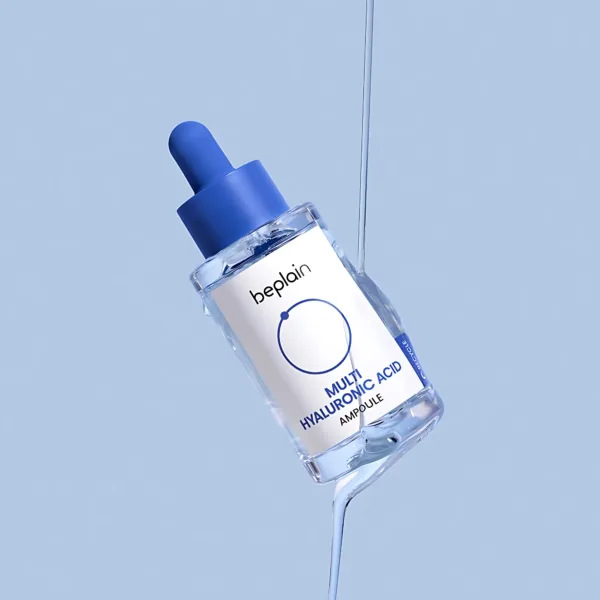
In the high-altitude cities like Quito, the air is thinner and often drier, leading to increased transepidermal water loss. The ecuador vs coastal skincare needs differ significantly here; while the coast needs oil control, the highlands require barrier reinforcement. Korean skincare excels in this area through the use of multi-molecular weight hyaluronic acids and ceramides.
The Role of pH-Balanced Toning
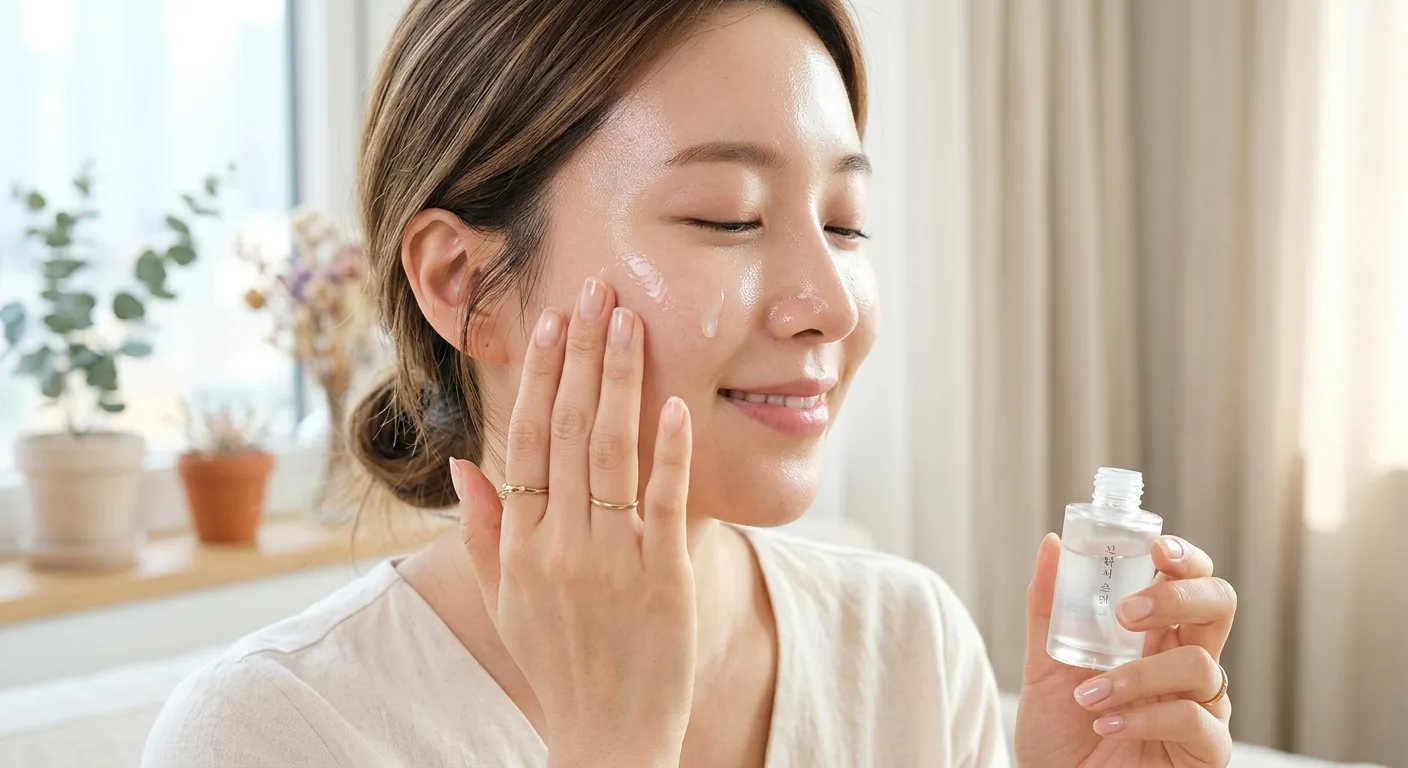
A toner is no longer just a secondary cleanser; in the K-beauty world of 2026, it is the first layer of treatment. A pH-balanced toner helps to recalibrate the skin after washing, ensuring the barrier remains intact. This is vital for preventing the micro-cracks in the skin that lead to sensitivity and redness, common issues for those living in the Andean regions.
Ingredients like niacinamide and glutathione are frequently included in these formulations to address tone care. Niacinamide, in particular, is a powerhouse for the Ecuadorian market because it regulates sebum production in humid areas while simultaneously strengthening the barrier for those in drier altitudes. Using a generous amount of toner—sometimes referred to as the ‘skin pack’ method where cotton pads are soaked and left on the face—can provide an immediate plumping effect that combats the ‘dullness’ often associated with high-altitude fatigue.
Advanced UV Protection for the Equator
The most critical aspect of the ecuador vs global beauty comparison is sun protection. Being located on the equator means the UV index is consistently high year-round. Traditional sunscreens can often feel heavy or leave a white cast, which has historically led to poor compliance. However, Korean “Sun Serums” have revolutionized the 2026 market by offering high SPF 50+ PA++++ protection in textures that feel like lightweight moisturizers.
The Rise of the Sun Serum
Sun serums are the fastest-growing segment in 2026. Unlike thick creams, these formulations utilize advanced UV filters that are encapsulated to provide a transparent, non-sticky finish. For the Ecuadorian consumer, this means protection that doesn’t melt off in the heat or feel suffocating during a trek through the mountains. These serums often incorporate skincare actives, effectively combining two steps of a routine into one.
Incorporating ingredients like Ceramide NP and various types of hyaluronic acid into sun care ensures that the skin is protected from both radiation and dehydration. This “Triple Shield” approach—guarding against UVA, UVB, and environmental stressors—is the gold standard in Seoul’s 2026 cosmetic innovations, providing a solution for the intense exposure found at 0° latitude.
Cica and Soothing Care: Combatting Heat-Induced Redness
The debate of ecuador vs temperate climates highlights the prevalence of heat-induced skin sensitivity. In many parts of Ecuador, high temperatures can lead to vasodilation and persistent redness. The Korean response to this has been the refinement of “Cica” or Centella Asiatica treatments. By 2026, these are no longer just basic creams but sophisticated serums containing specific derivatives like madecassoside and asiaticoside.
The 2026 Medicosmetic Pivot
We are seeing a shift toward products with clinical bio-actives. For those with easily irritated or acne-prone skin in tropical climates, a soothing sun serum that incorporates Cica derivatives provides a dual-action benefit. It protects from the sun while actively calming inflammation caused by heat and pollutants. This is particularly useful for urban dwellers in Guayaquil, where humidity and city smog can exacerbate skin sensitivity.
The texture of these products is specifically designed to be “watery” and fast-absorbing. This prevents the formation of a “mask” on the skin that could trap heat. Instead, the lightweight serum allows the skin to breathe while delivering seven different types of Cica-based ingredients to maintain a healthy, balanced state throughout the day.
Brightening and Tone Lifting Trends in 2026
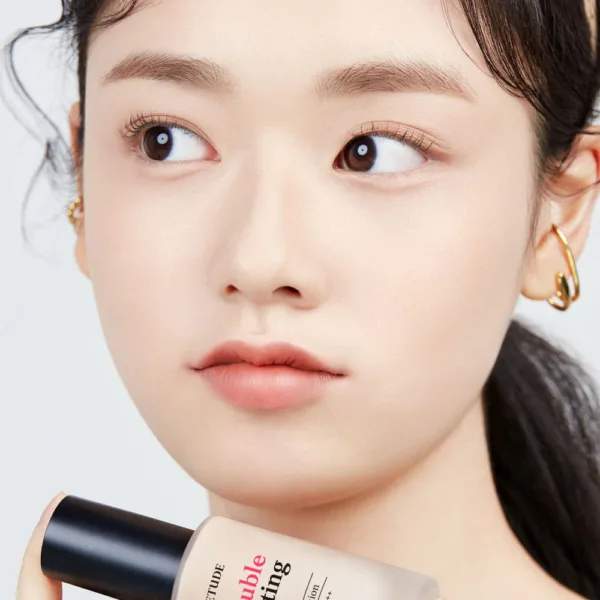
Color cosmetics and tone-correcting products hold a massive 35% share of the Ecuadorian market as of 2025. In the context of ecuador vs Korea, both cultures value a radiant, even complexion. However, the approach in 2026 is moving away from heavy foundations toward “Tone Lift” sun serums that offer a natural brightening effect without the weight of traditional makeup.
The Science of Alpha-Arbutin and Niacinamide
To achieve a brighter complexion, Korean formulators are utilizing Alpha-Arbutin and Niacinamide in synergy. These ingredients target hyperpigmentation and sun spots—a frequent concern for those in high-UV regions. A tone-lifting serum provides an immediate aesthetic improvement by reflecting light, while the active ingredients work over time to even out the skin’s natural pigment.
This category is ideal for the busy professional in Quito who wants a “skip-care” routine. By using a product that combines high-level UV protection, brightening actives, and a subtle tint or lift, users can achieve a polished look in seconds. The inclusion of botanical extracts like Green Tea and Aloe Vera further assists in keeping the skin calm and hydrated, preventing the oxidative stress that leads to premature aging.
The Importance of a Gentle Daily Cleanse
Consistency is the secret to the “Glass Skin” results seen in Korean beauty. When looking at the ecuador vs Korea comparison, the common thread is the need for a reliable daily cleanser that doesn’t damage the acid mantle. Especially for those using the advanced sunscreens mentioned earlier, a foam cleanser that can rinse away impurities while remaining mild is essential for the second step of the double-cleanse method.
Choosing the Right Foam
Many traditional foams have a high pH, which can leave the skin feeling tight and dry. In 2026, the trend has shifted entirely toward slightly acidic (low pH) formulations. These cleansers mimic the skin’s natural state, making them safe for sensitive and acne-prone types. For the Ecuadorian consumer, this means less irritation and fewer breakouts, even when cleansing twice or three times a day due to sweat and humidity.
Modern cleansers often include moisturizing agents like collagen and pentapeptides to ensure the skin feels soft rather than stripped. This is the cornerstone of a healthy routine; if the cleansing step is too harsh, the subsequent serums and moisturizers won’t be as effective because they will be busy trying to repair the damage caused by the wash. Using a formula enriched with Kakadu plum water adds an extra layer of antioxidant protection right at the start of the routine.
Frequently Asked Questions
How will the SECA agreement affect the price of K-beauty in Ecuador?
The SECA agreement will gradually eliminate the 20% to 30% tariffs on South Korean cosmetics over a 10-year period starting in late 2026. This means consumers can expect to see a steady decrease in the retail price of authentic Korean products as importing becomes more cost-effective. Additionally, official distribution will likely increase, reducing the markup often added by third-party resellers.
Are Korean sunscreens effective for the high UV index in the Andes?
Yes, Korean sunscreens are highly effective and are tested under strict clinical standards. Most premium Korean sun serums offer SPF 50+ and PA++++, which provide the highest level of protection against both UVB (burning) and UVA (aging) rays. These formulations are particularly suited for the equator because they are lightweight and can be easily reapplied without feeling greasy.
Where can I find authentic K-beauty products in Quito or Guayaquil?
While some local boutiques carry Korean brands, the most reliable way to ensure authenticity is through established global distributors that ship directly from Seoul. With the SECA agreement facilitating trade, more official Korean brand kiosks are expected to open in major Ecuadorian malls by 2027. Always check for official certifications to avoid counterfeit goods.
Which ingredients should I look for to combat humidity-related acne?
For humid climates like the Ecuadorian coast, look for ingredients such as Niacinamide, which regulates oil production, and Centella Asiatica (Cica), which calms inflammation. Salicylic acid and Heartleaf are also excellent for keeping pores clear without causing irritation. Stick to lightweight textures like serums and gels rather than heavy creams to avoid clogging pores.
Is the double-cleansing method necessary if I don't wear makeup?
Yes, double-cleansing is highly recommended even if you do not wear makeup, especially in Ecuador. The first step (oil-based cleanser) is necessary to effectively break down waterproof sunscreen and pollutants that accumulate on the skin. The second step (water-based foam) then removes the remaining residue and sweat, ensuring a truly clean canvas for your skincare.




 USD ($)
 EUR (€)
 GBP (£)
 JPY (¥)
 CAD (C$)
 AUD (A$)
 CHF (Fr)
 CNY (¥)
 HKD (HK$)
 SGD (S$)
 SEK (kr)
 NOK (kr)
 DKK (kr)
 PLN (zł)
 CZK (Kč)
 THB (฿)
 MYR (RM)
 PHP (₱)
 IDR (Rp)
 INR (₹)
 SAR (SR)
 AED (د.إ)
 TRY (₺)
 BRL (R$)
 MXN ($)
 ZAR (R)
 RUB (₽)
 UAH (₴)
 VND (₫)
 TWD (NT$)
 NZD (NZ$)
 ILS (₪)
 HUF (Ft)
 RON (lei)
 EGP (E£)
 CLP ($)
 COP ($)
 PEN (S/)
 ARS ($)
 BDT (৳)
 PKR (₨)
 NGN (₦)
 KES (KSh)