















































Description
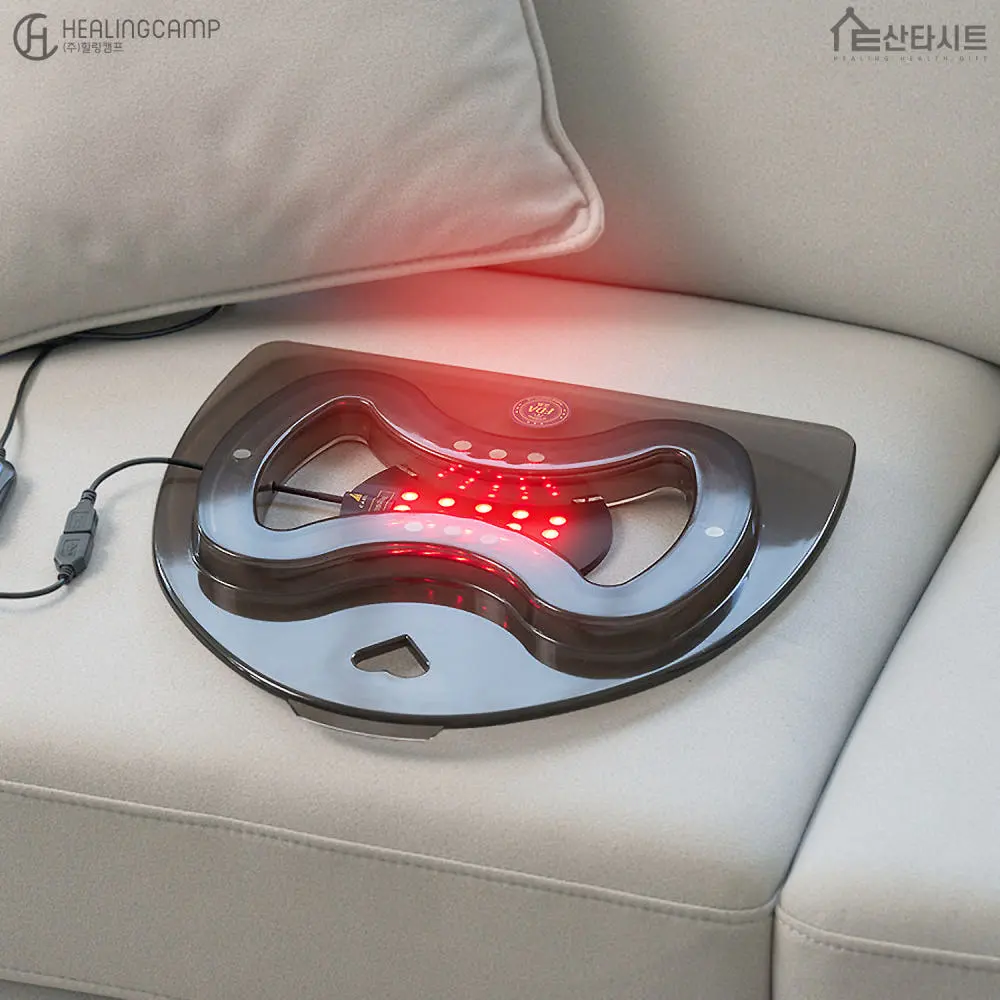
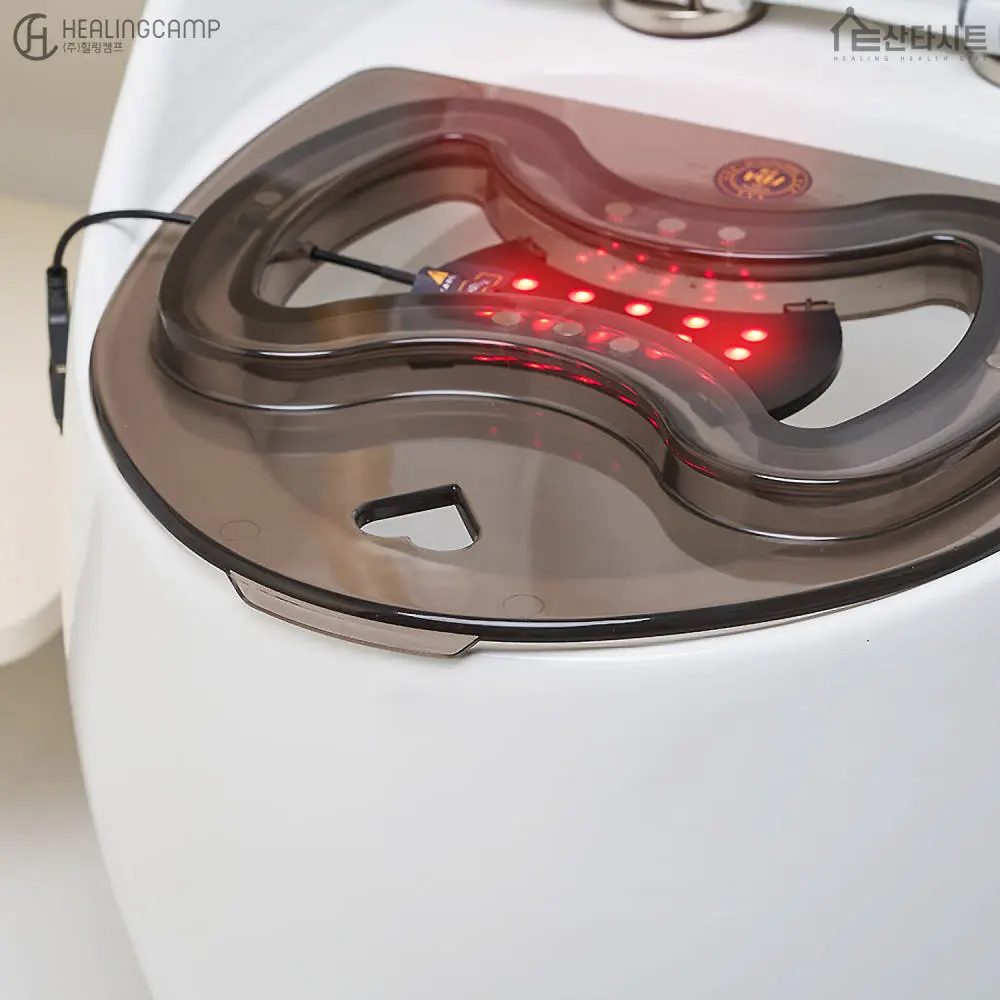
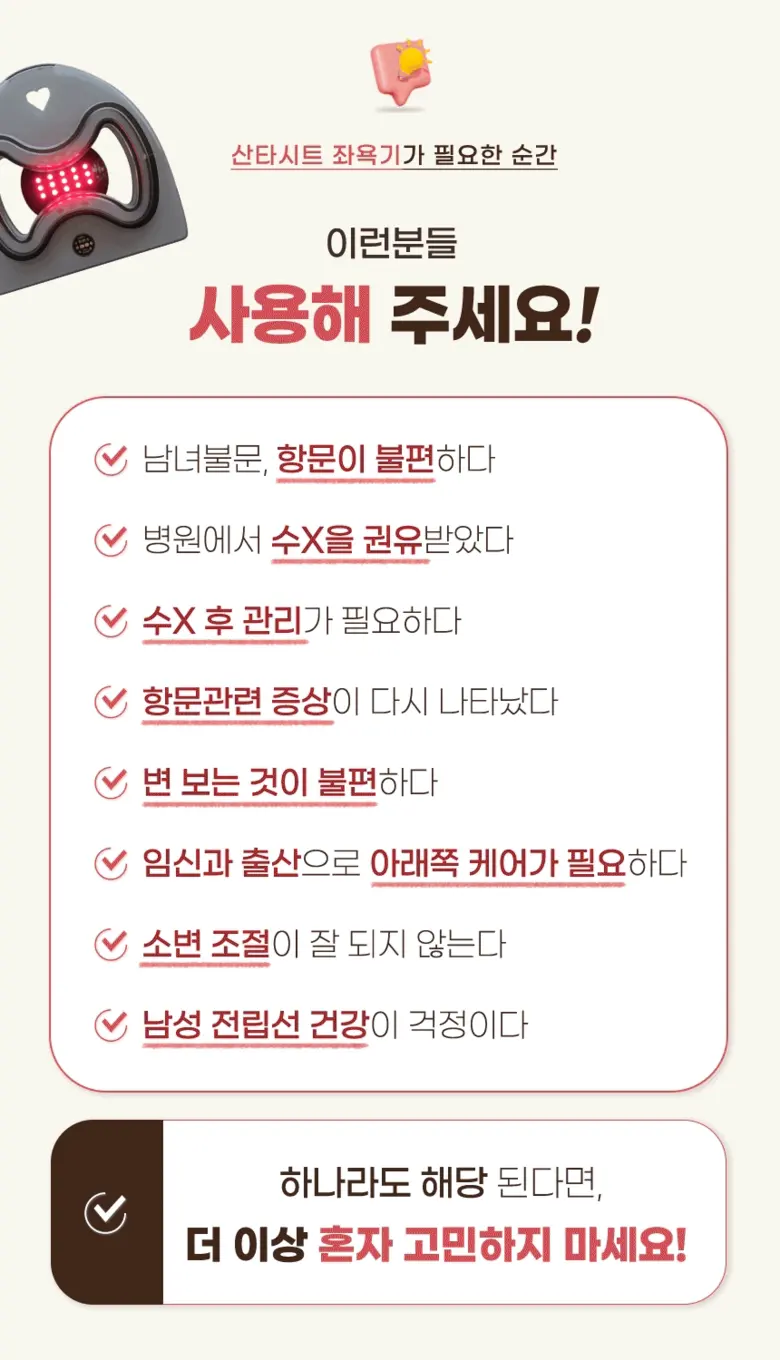
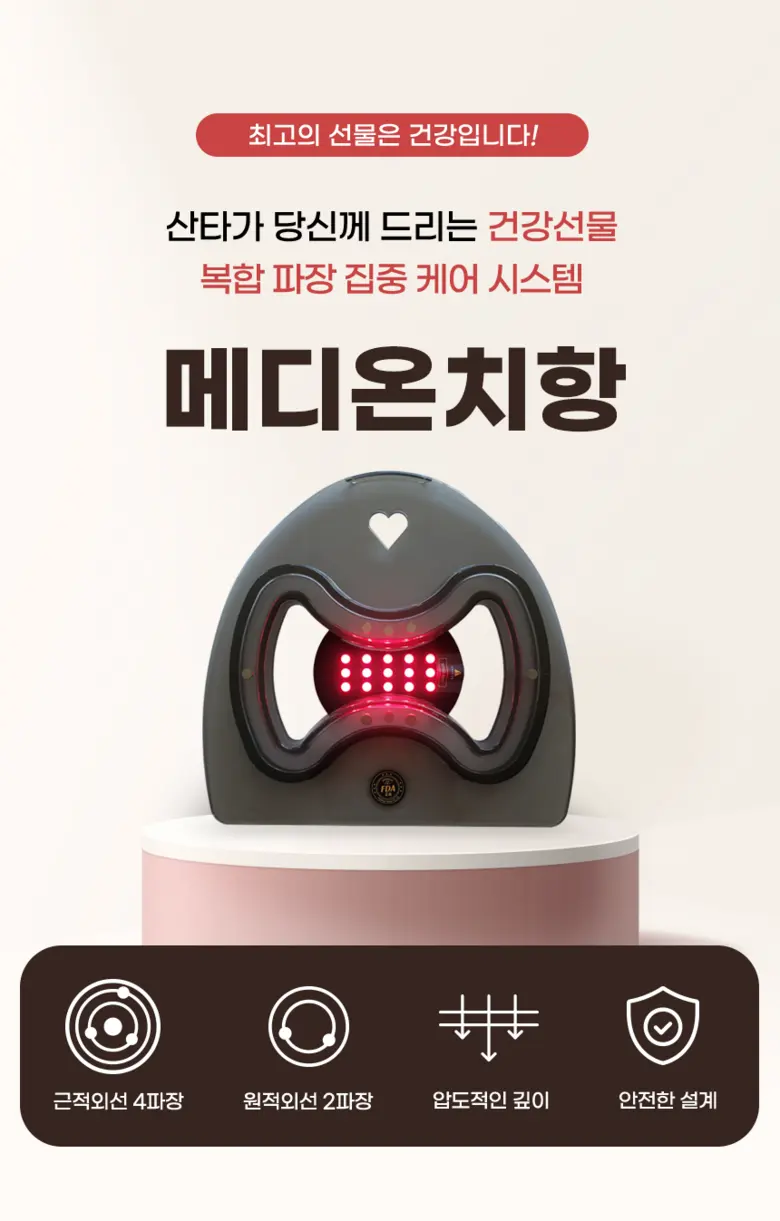
SANTA SHEET Medion Infrared Hemorrhoid Sitz Bath Device is a dry sitz-therapy seat that uses multi-wavelength light (near‑ and far‑infrared plus red light) and anion output to provide localized perineal care at home. The device is FDA-registered, designed as a butterfly-shaped seat with a flat linear structure for even pressure distribution, and is intended for people seeking non-invasive hemorrhoid/perineal management, post‑procedure care, postpartum care, or pelvic/urinary support. A USB-A power supply and 2 m cable enable portable use; a remote control adjusts settings.
Key Features
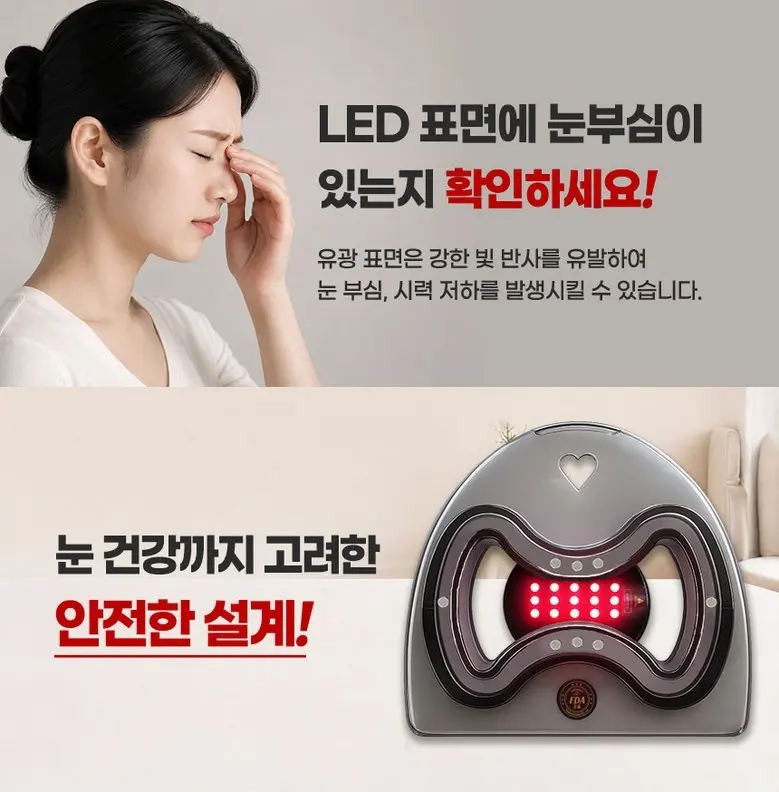
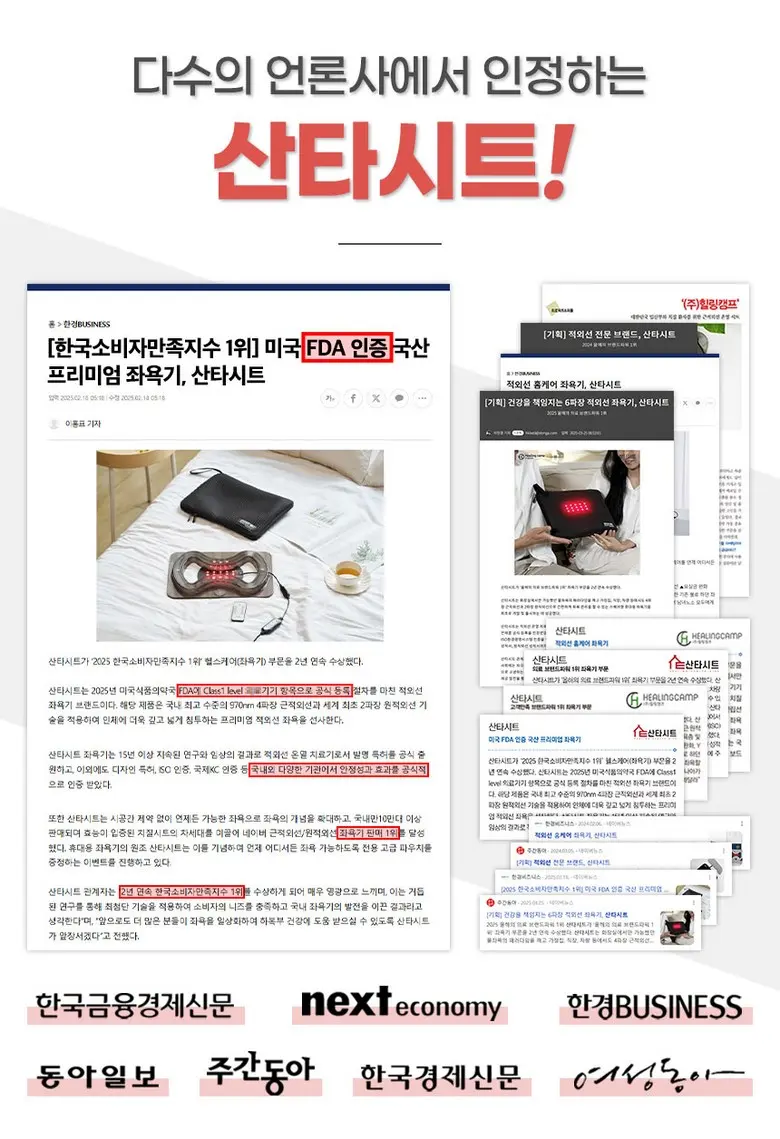
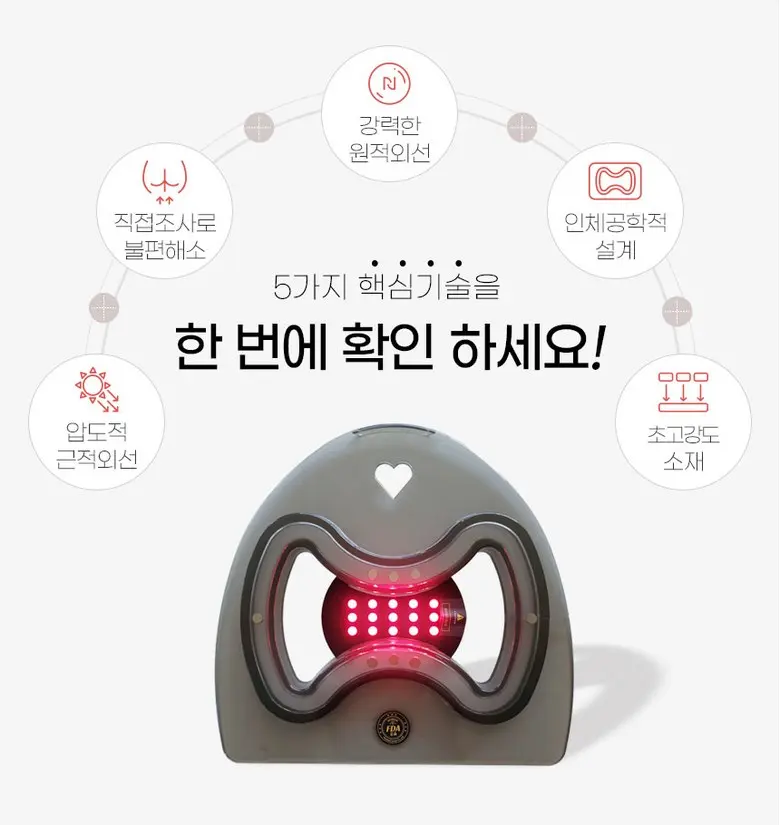
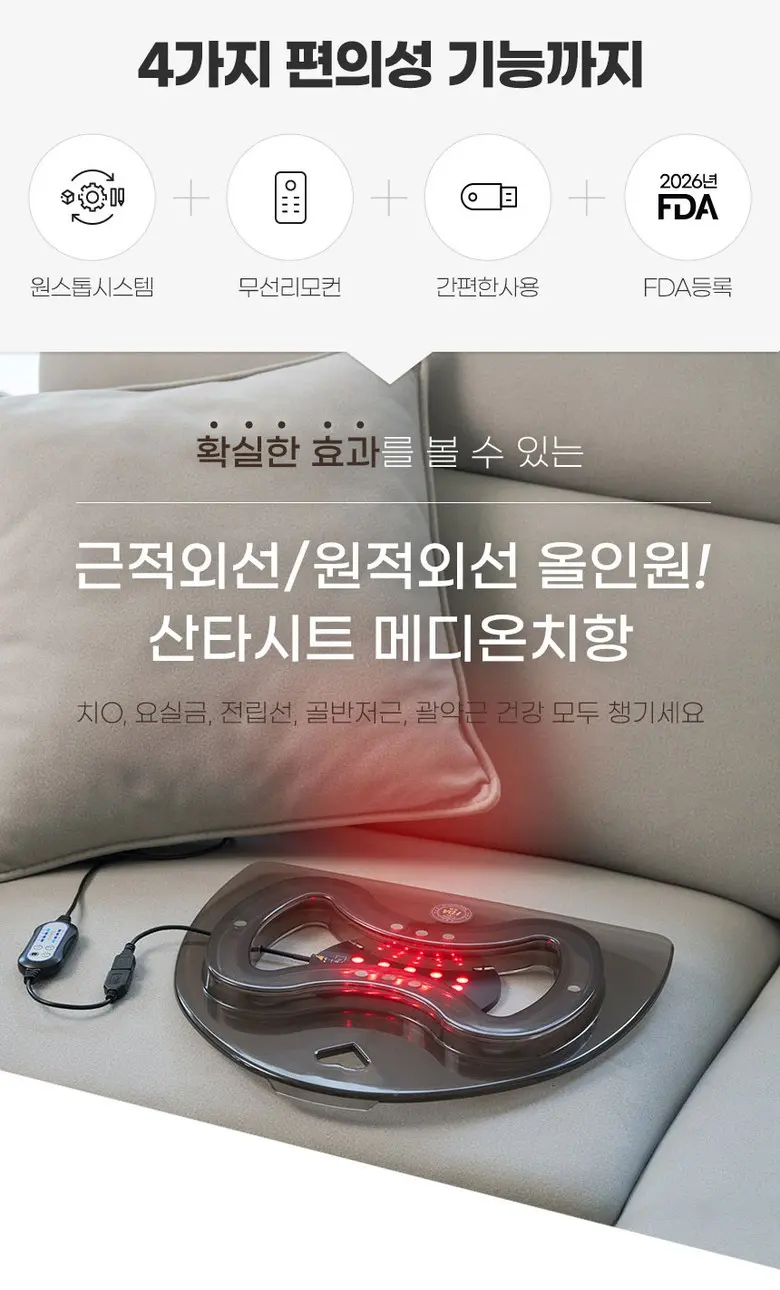
- FDA registered device (badge shown on product)
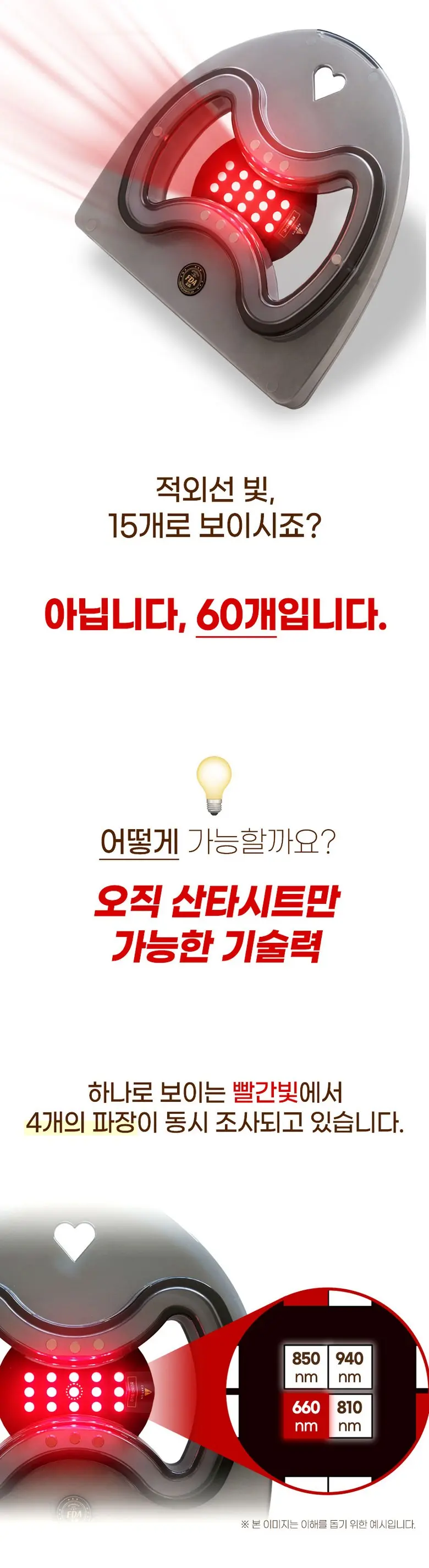
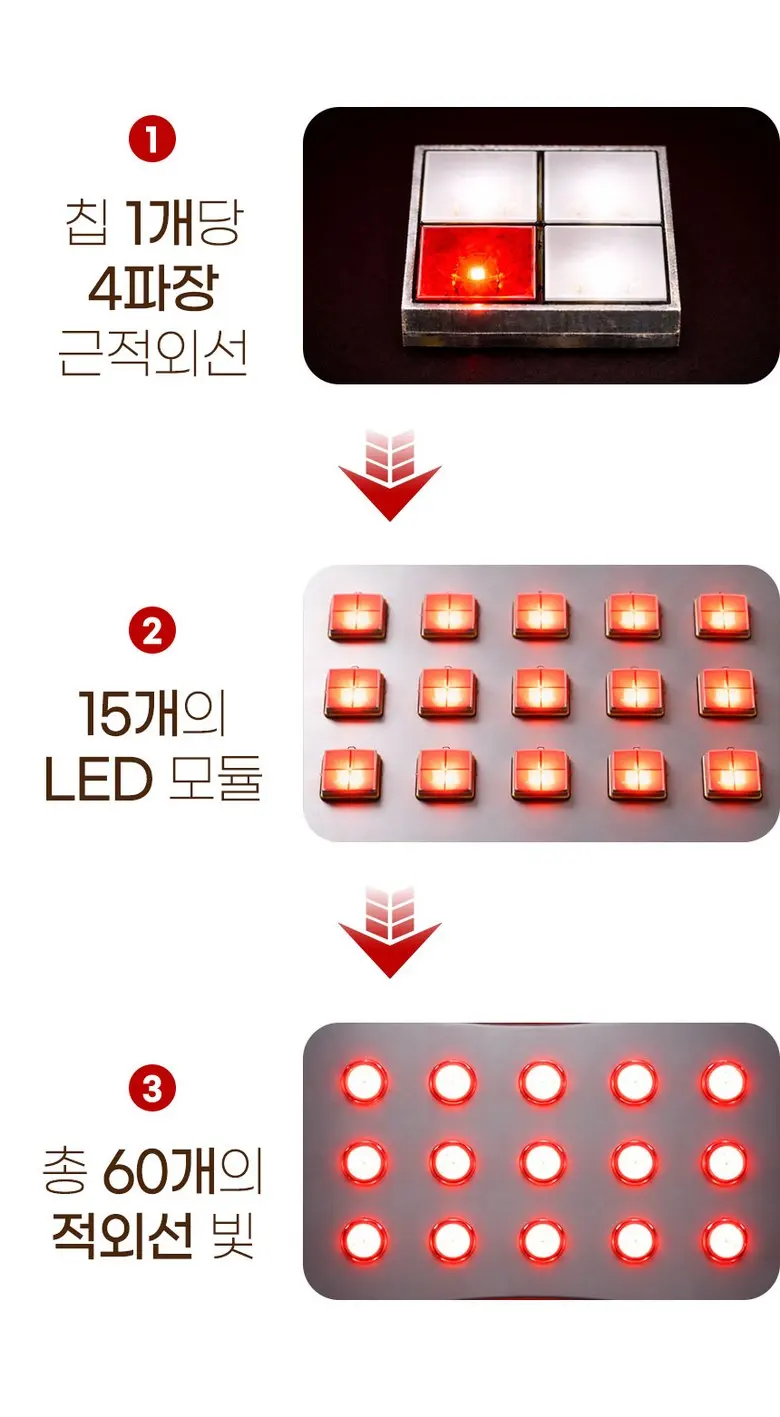
- 60 infrared/LED emitters (visual appears as 15 but labeled as 60)
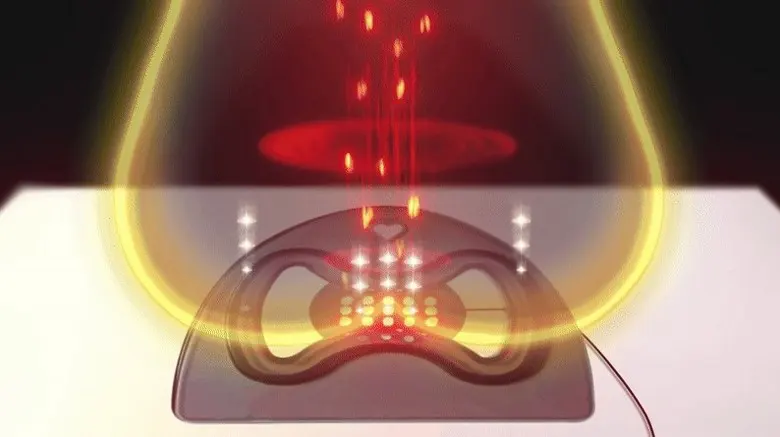
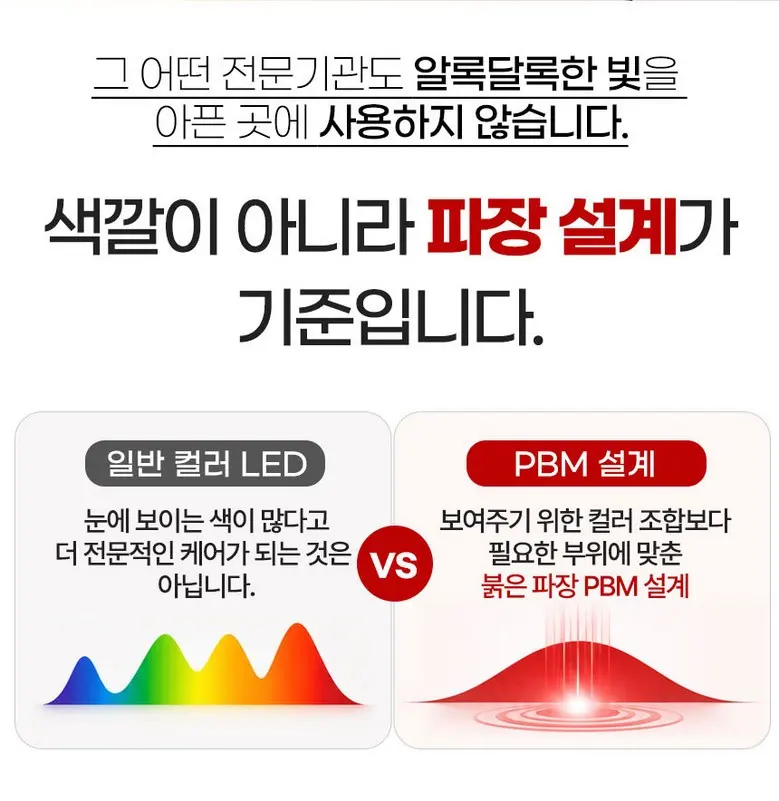
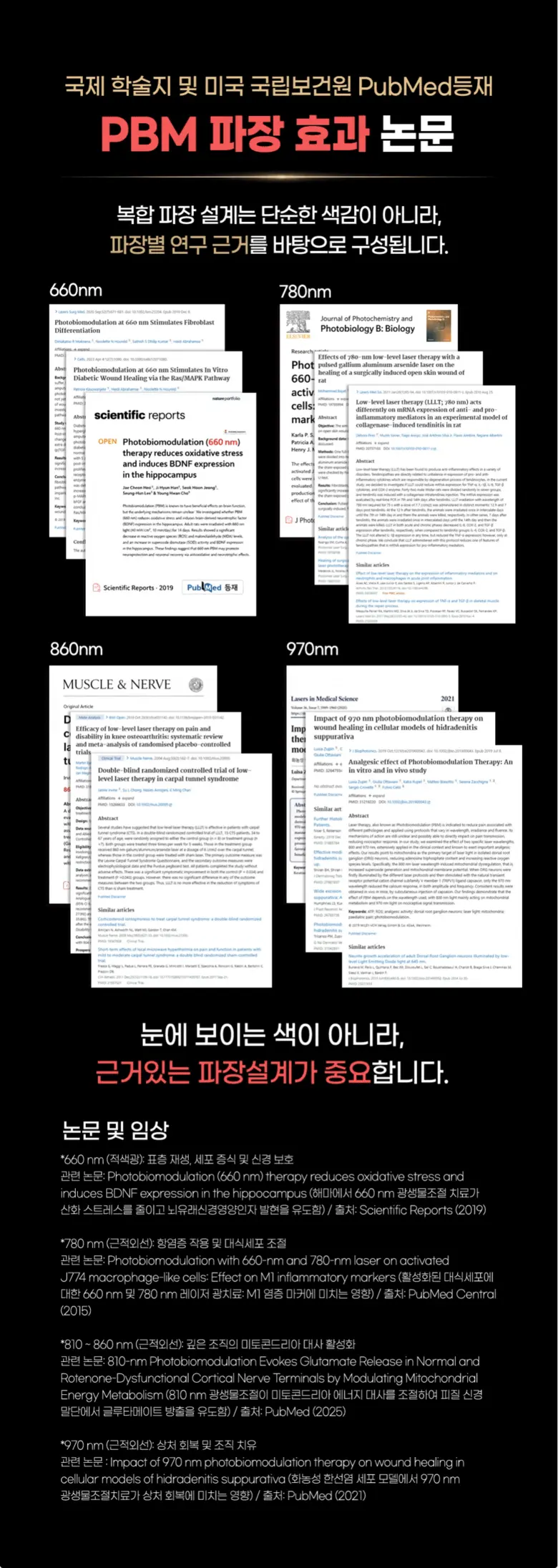
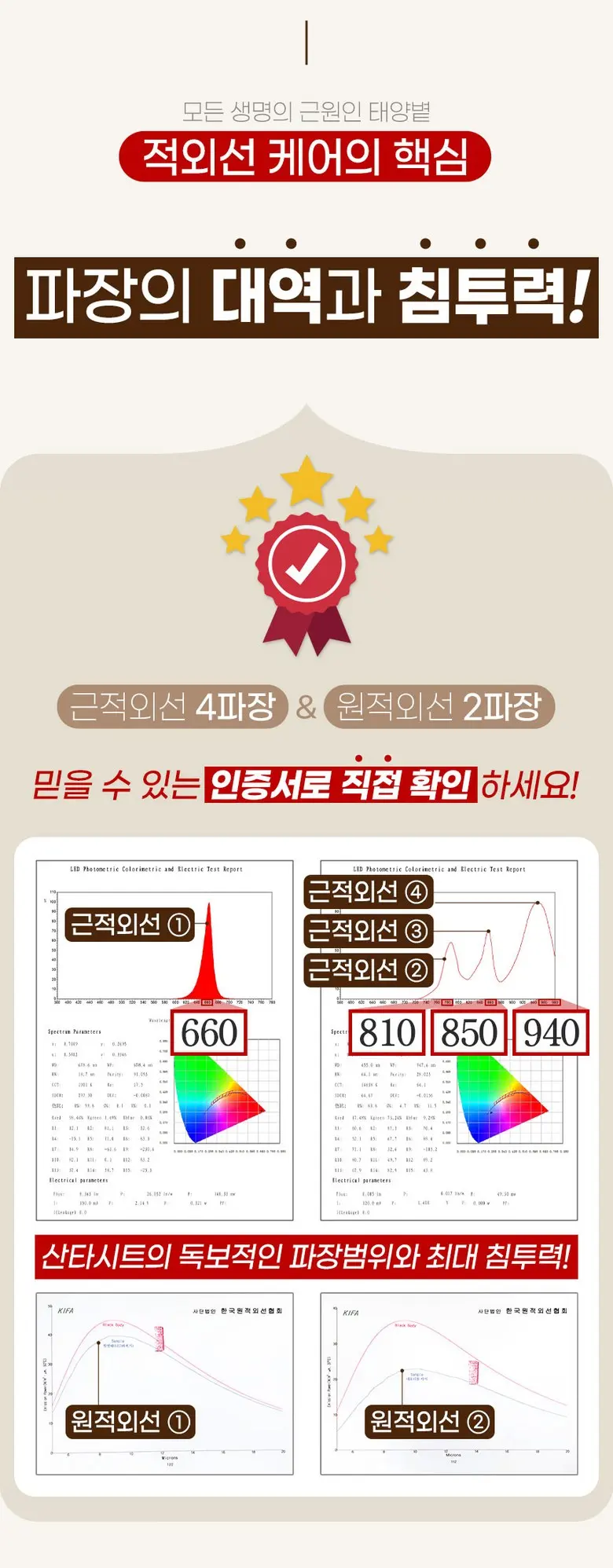
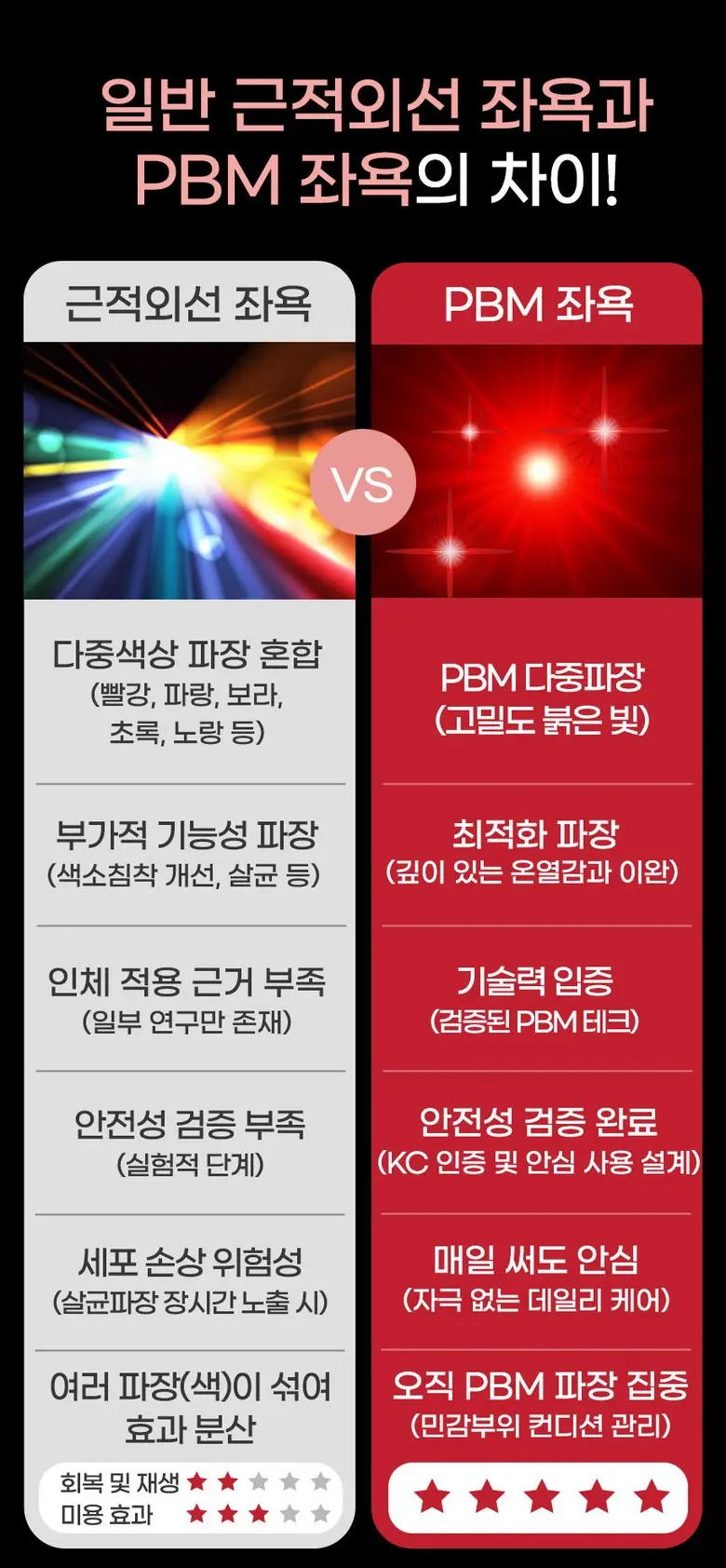
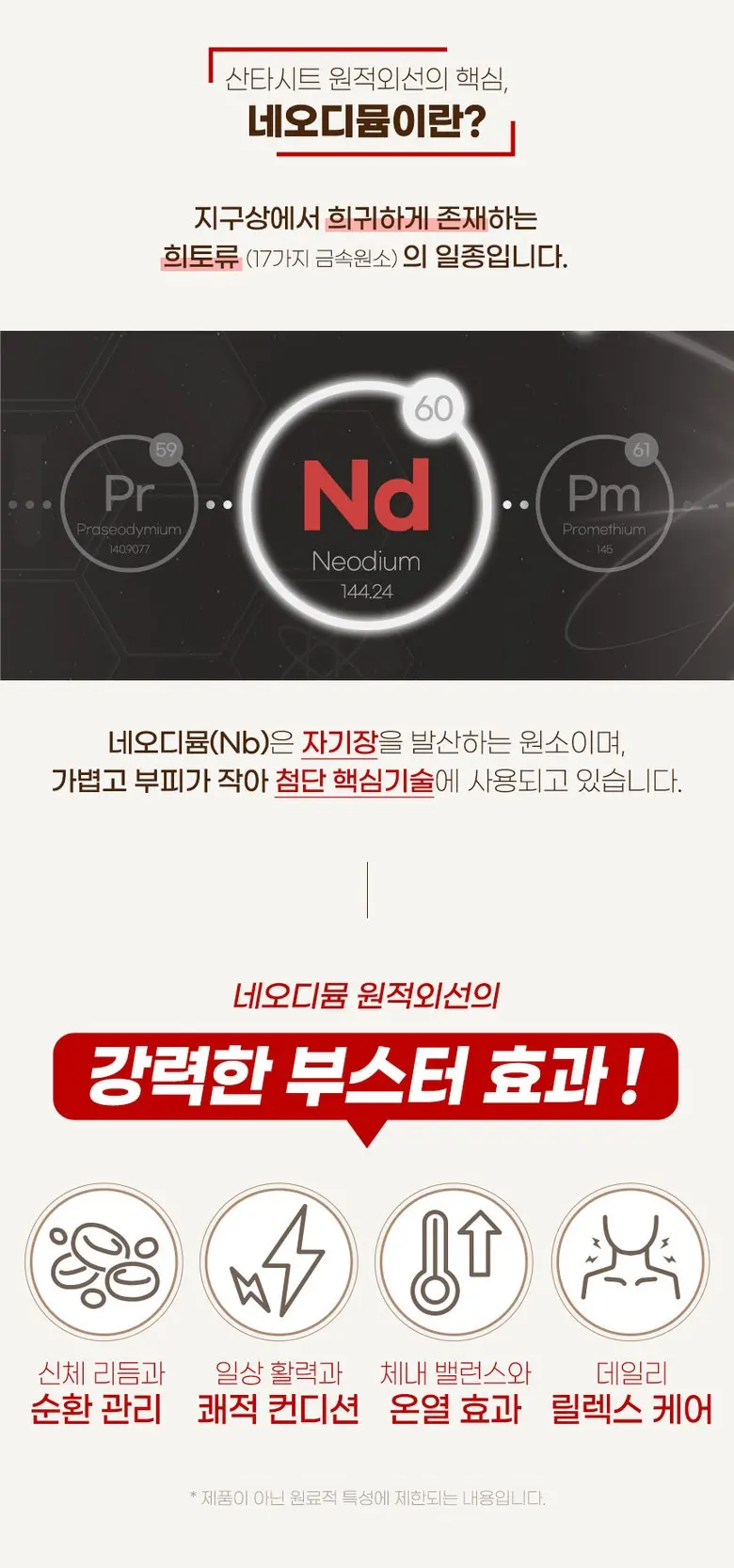
- Multi-wavelength light: 660 nm (red) plus near-infrared bands; imagery shows 780‑860‑970 nm and a detailed panel with 660 nm, 810 nm, 850 nm, 940 nm
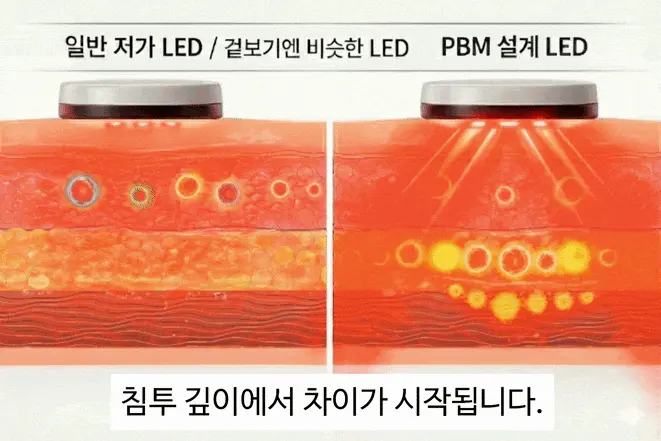
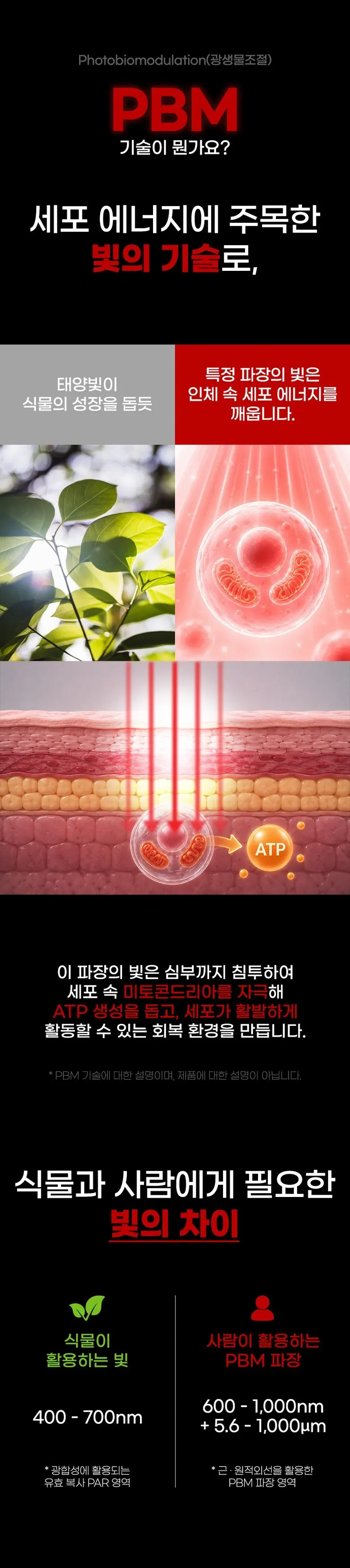
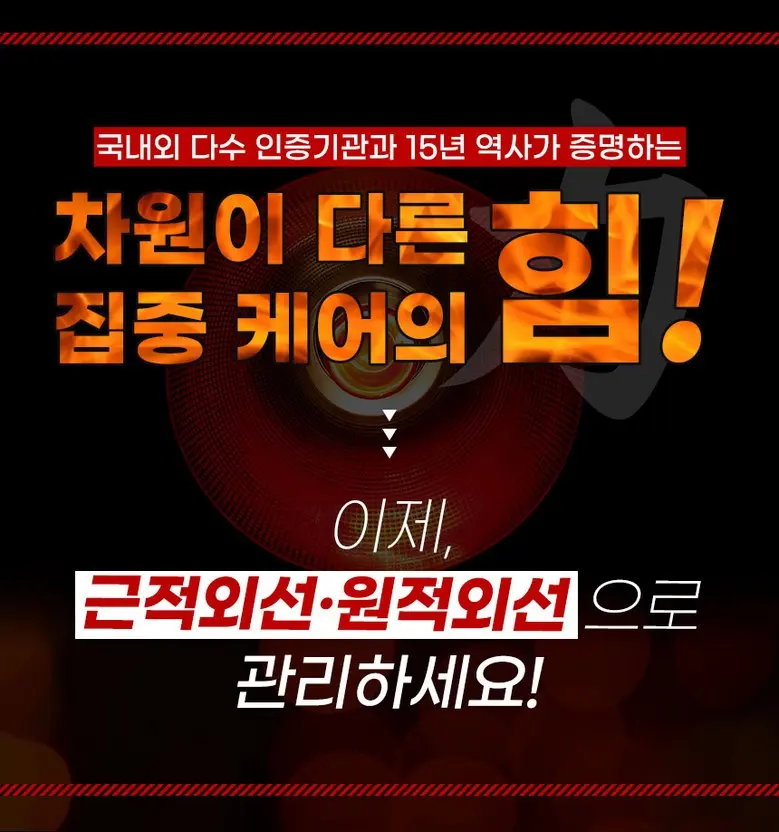
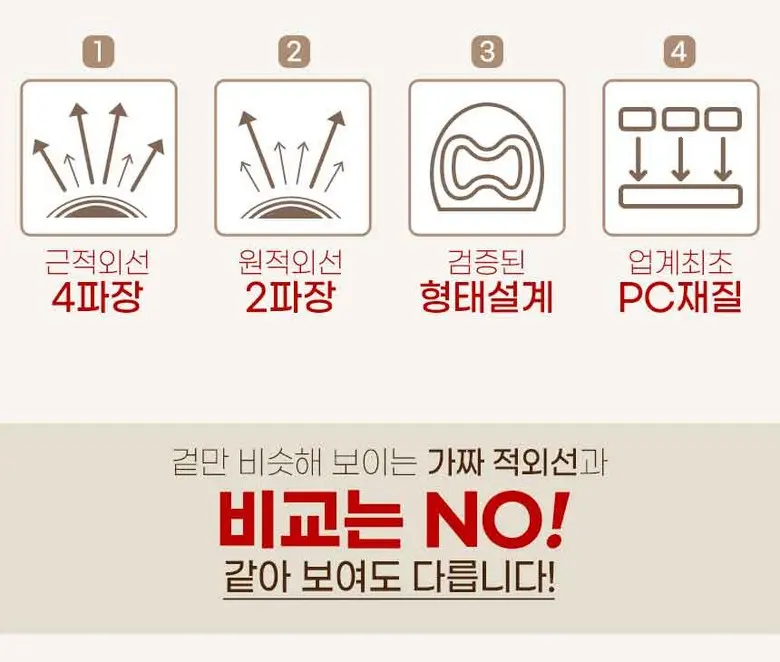
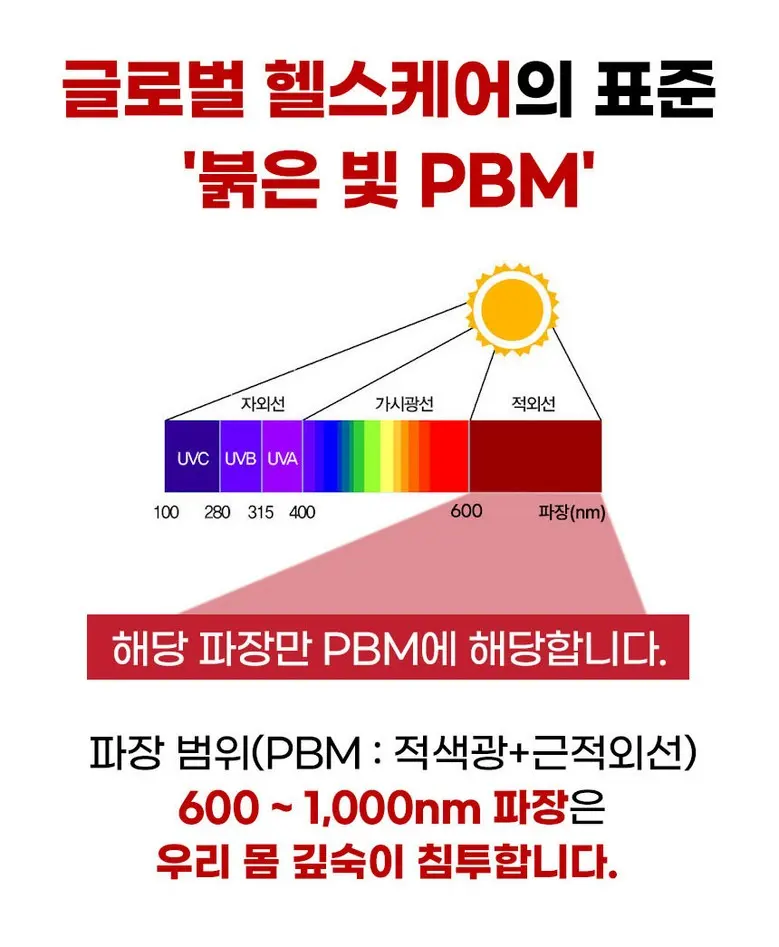
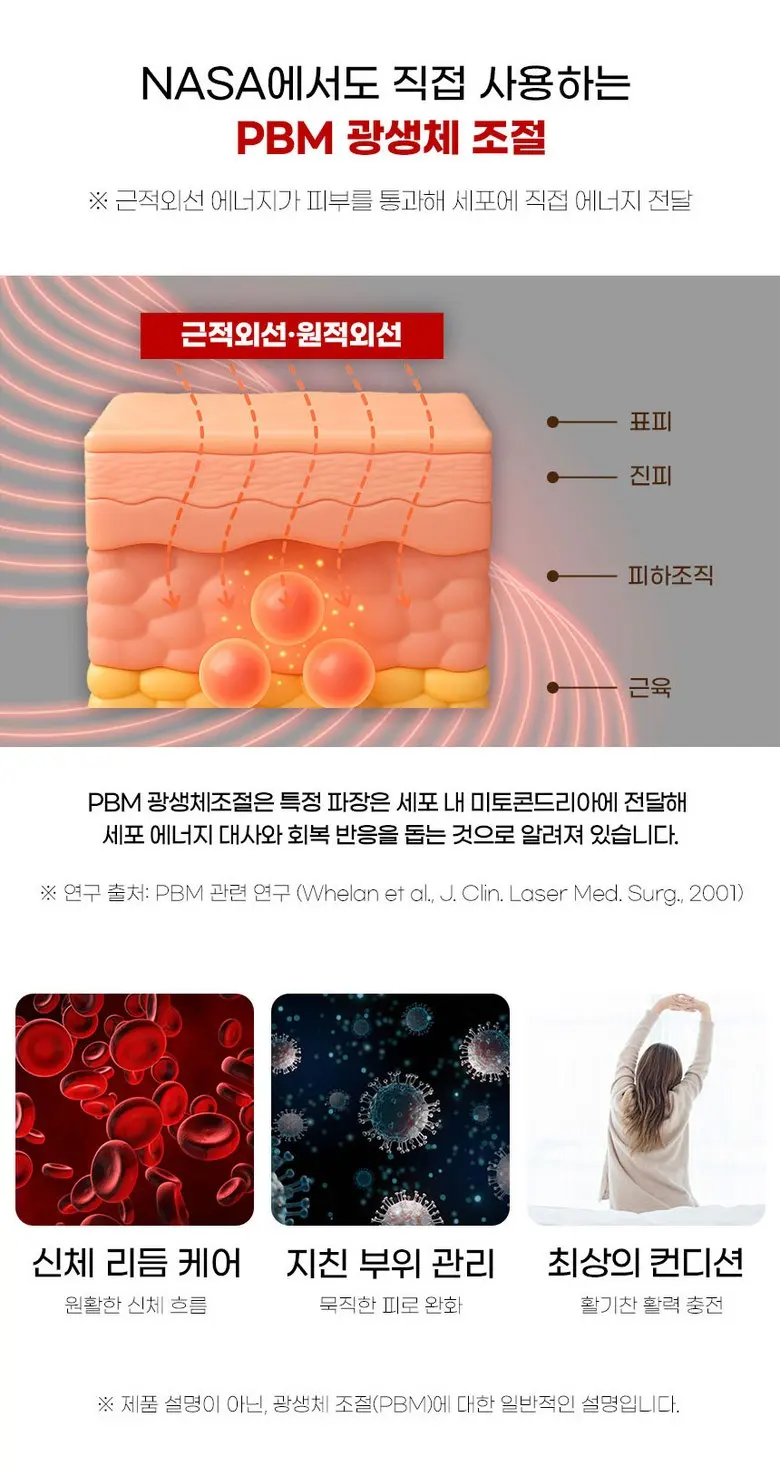
- Uses both near-infrared and far-infrared bands (diagram indicates PBM range 600–1,000 nm plus 5.6–1,000 µm)
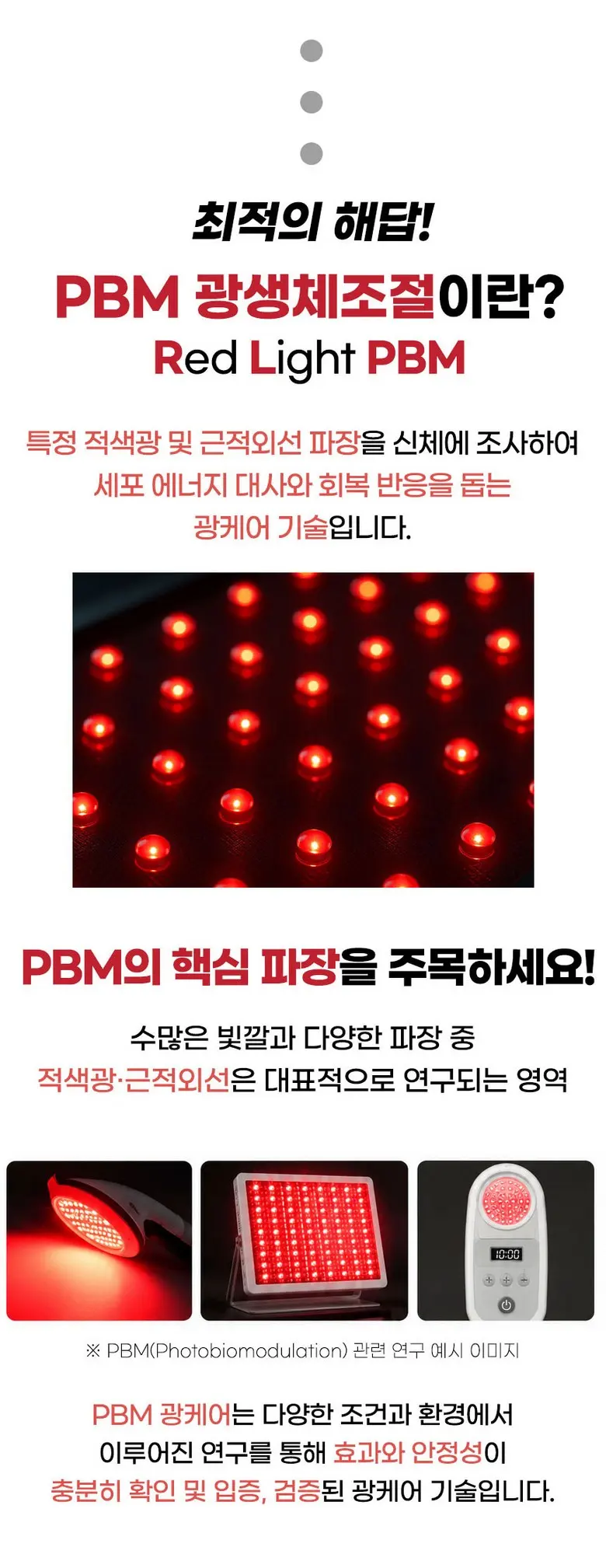
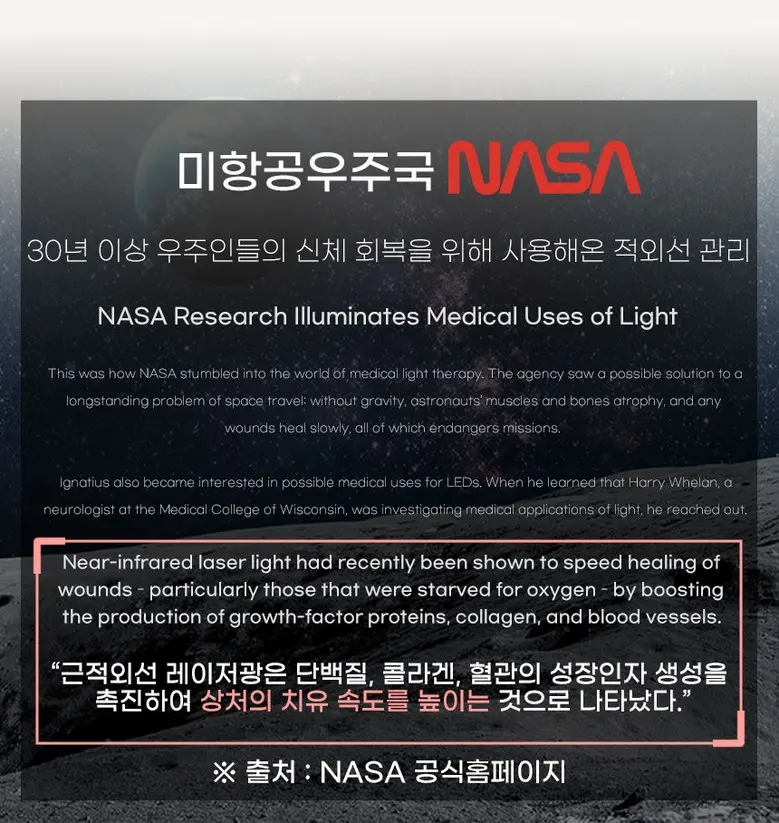
- Photobiomodulation (PBM) lighting concept referenced (NASA research cited)
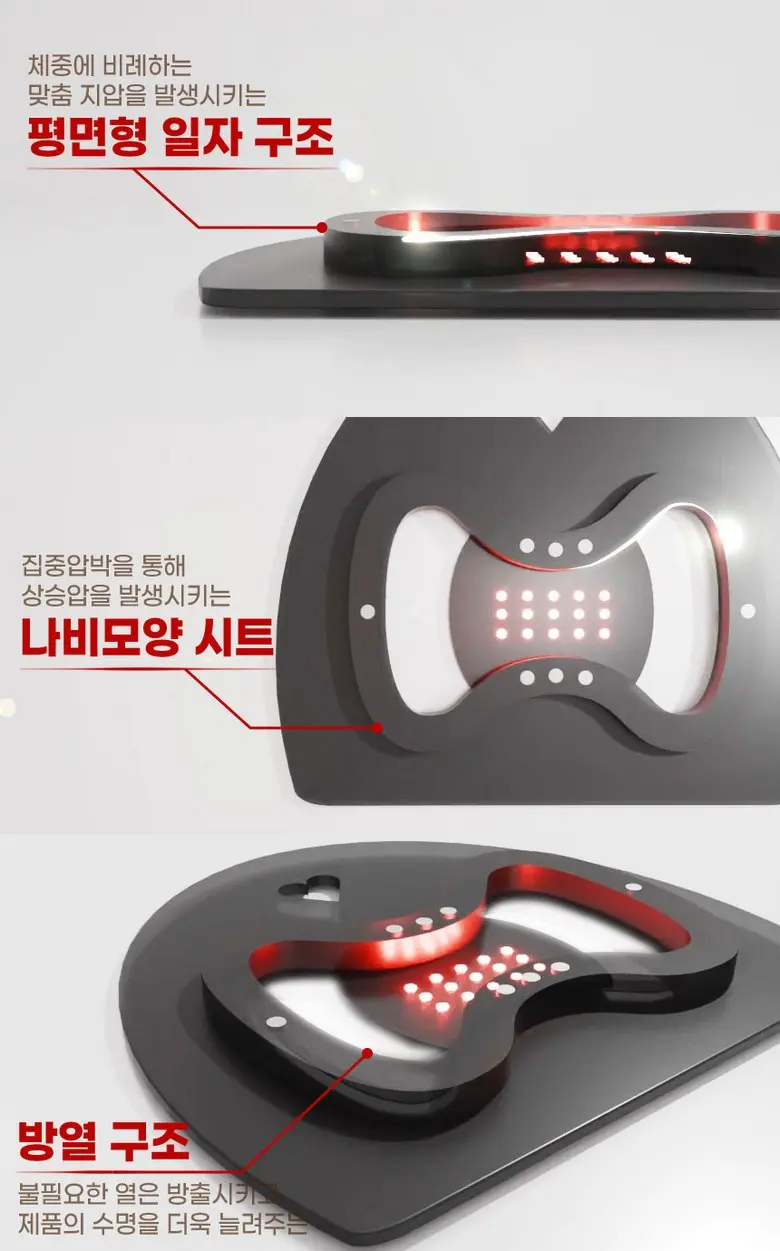
- Butterfly-shaped seat to concentrate pressure and raise local pressure where needed
- Flat linear structure for weight-distributed, matched pressure
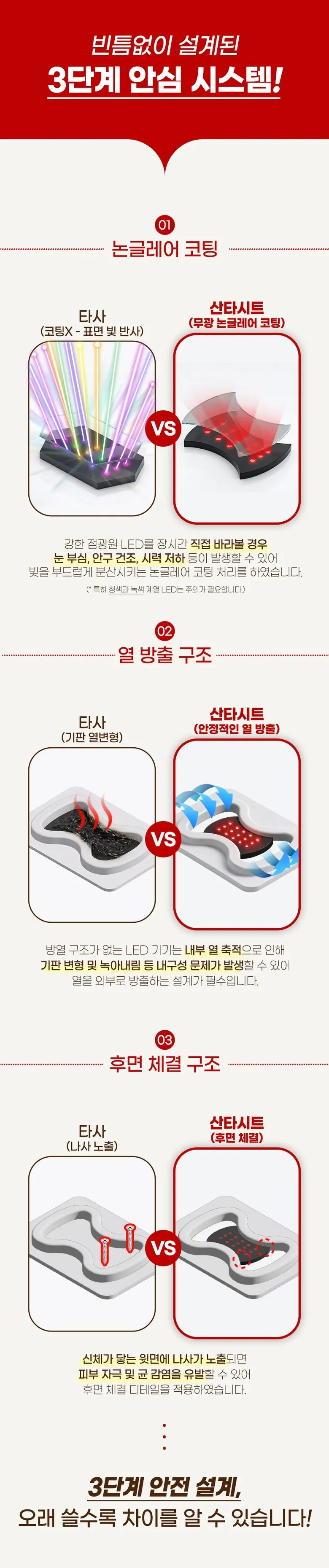
- Heat-dissipation design to release unnecessary heat and extend product life
- PC material construction (industry-first PC material claimed)
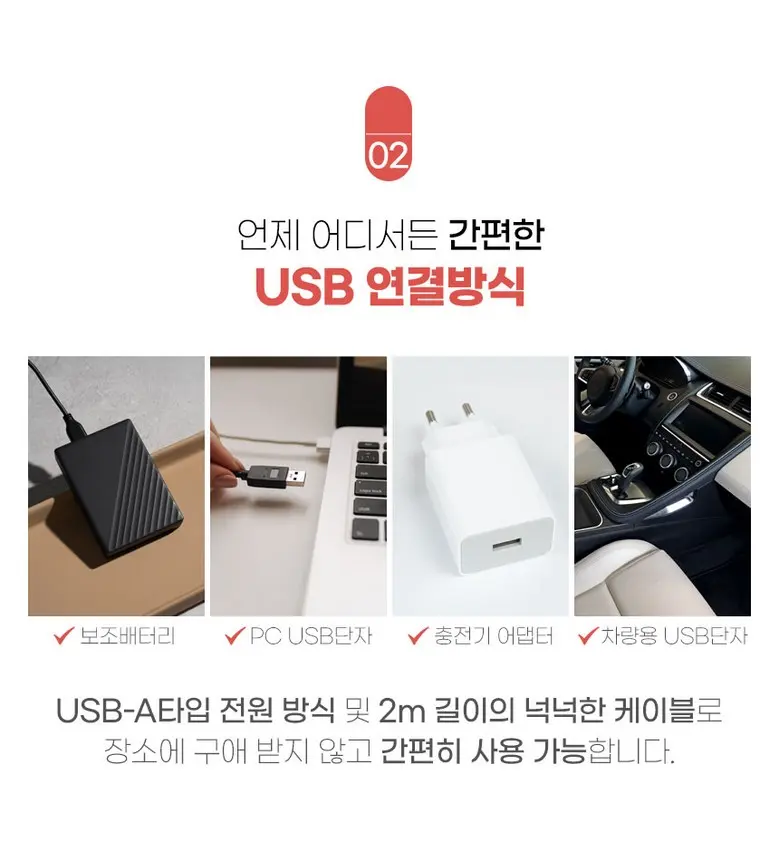
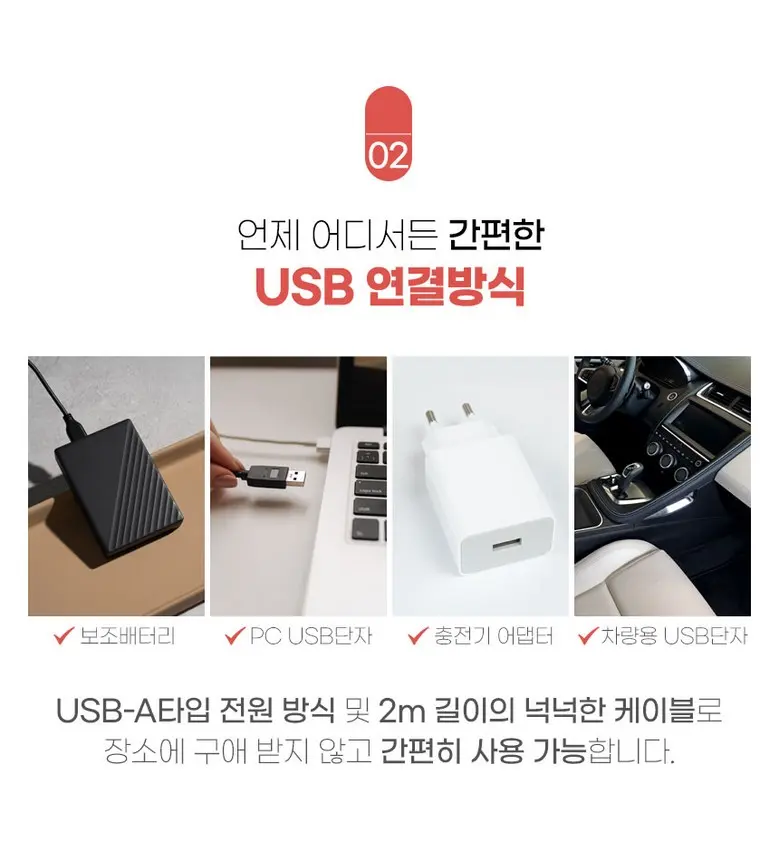
- USB-A power method; 2 m cable included for flexible placement
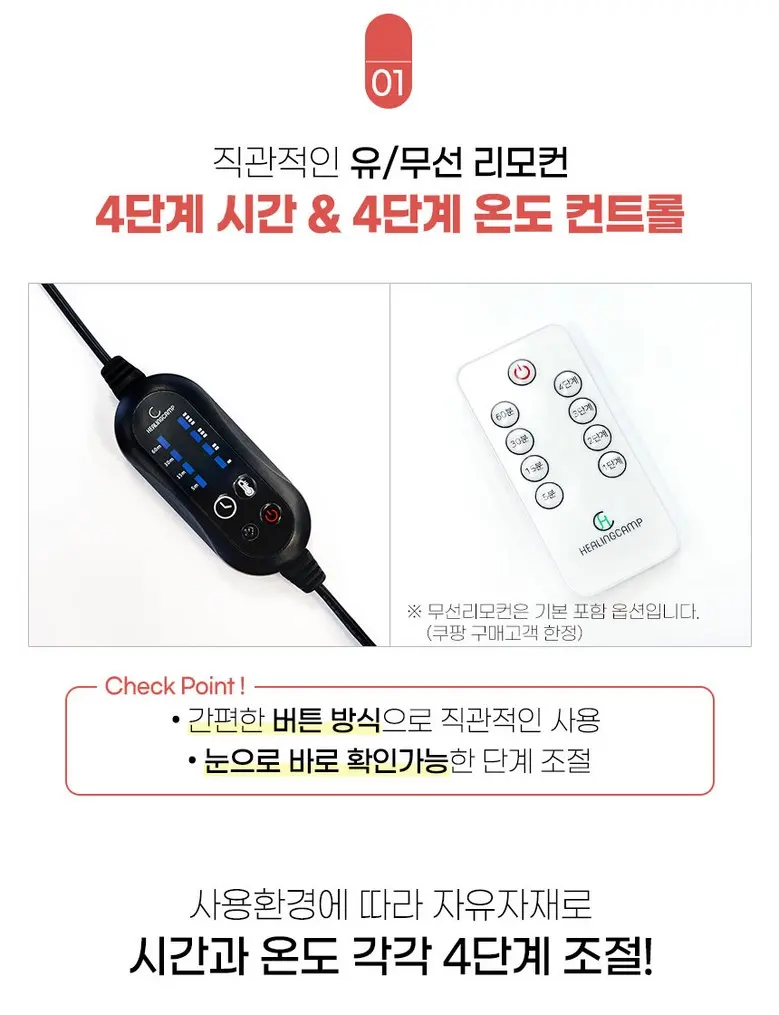
- Remote control included for setting adjustment (listed in title)
How to Use
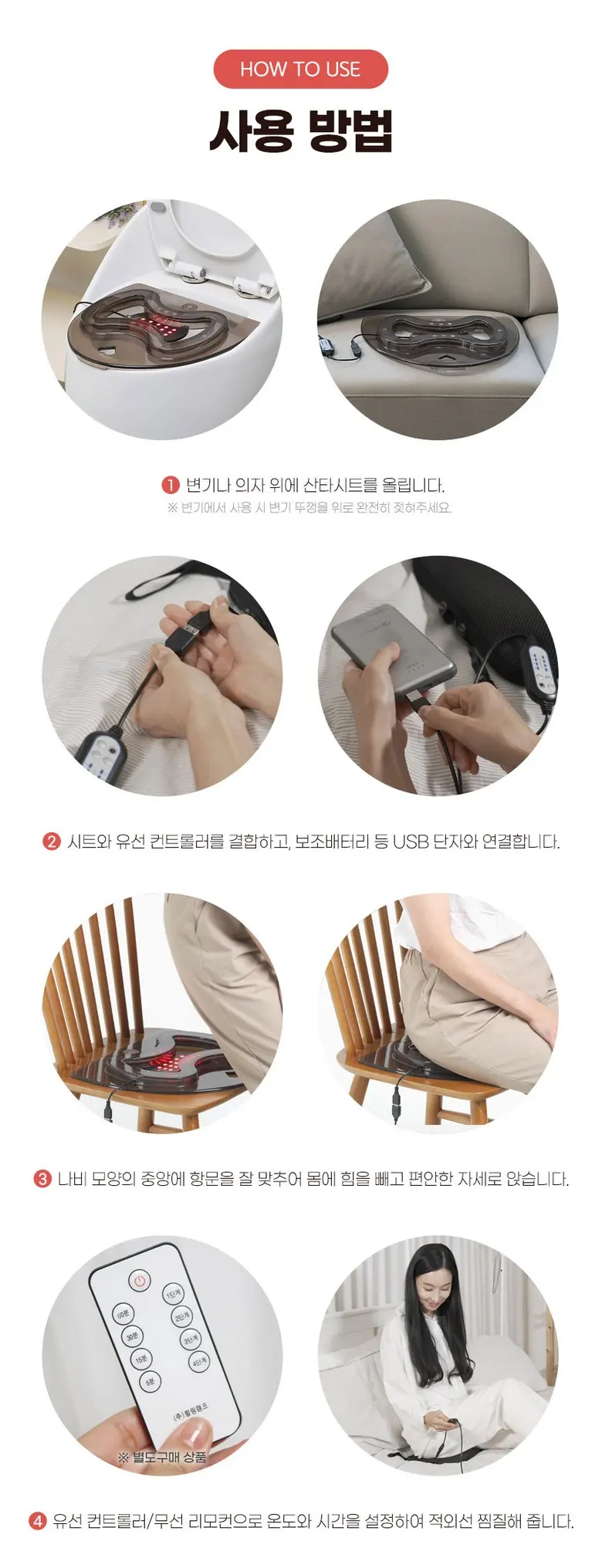
- Connect the device to a USB-A power source (power bank, PC USB port, USB charger adapter, or car USB port). Use the included 2 m cable.
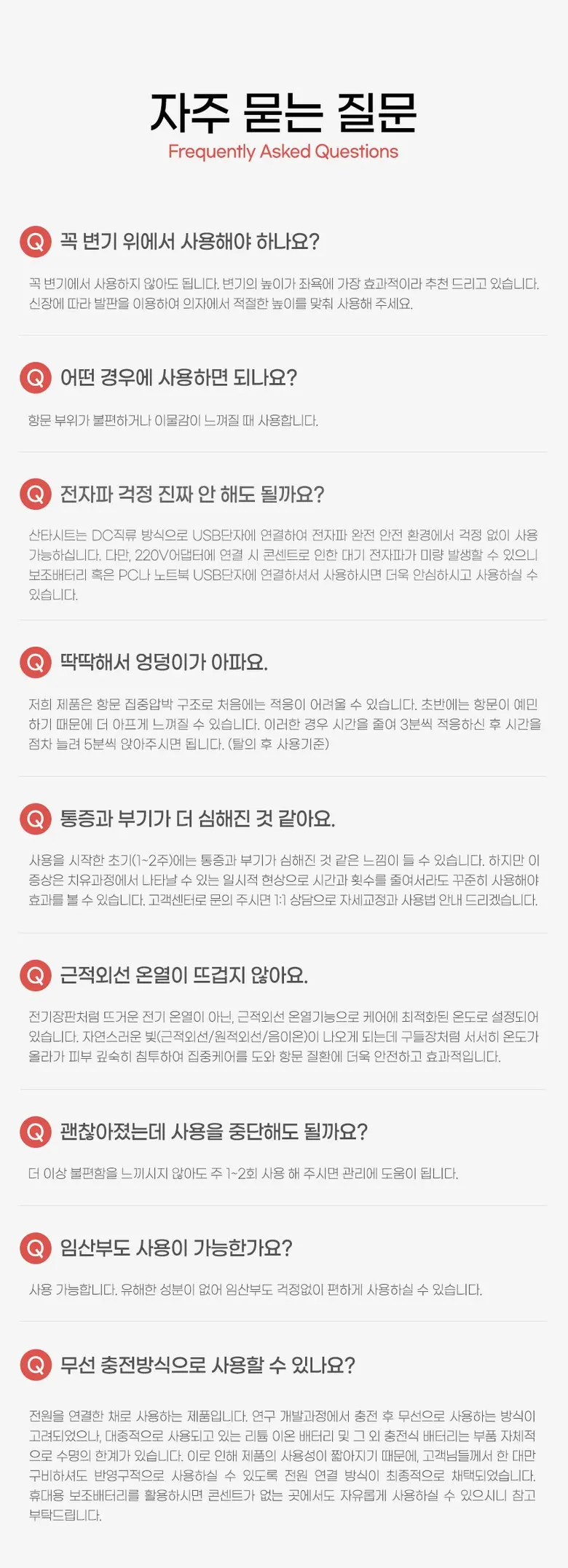
- Sit on the device at a comfortable height; it does not have to be used directly over a toilet. Adjust elevation as needed for effective contact.
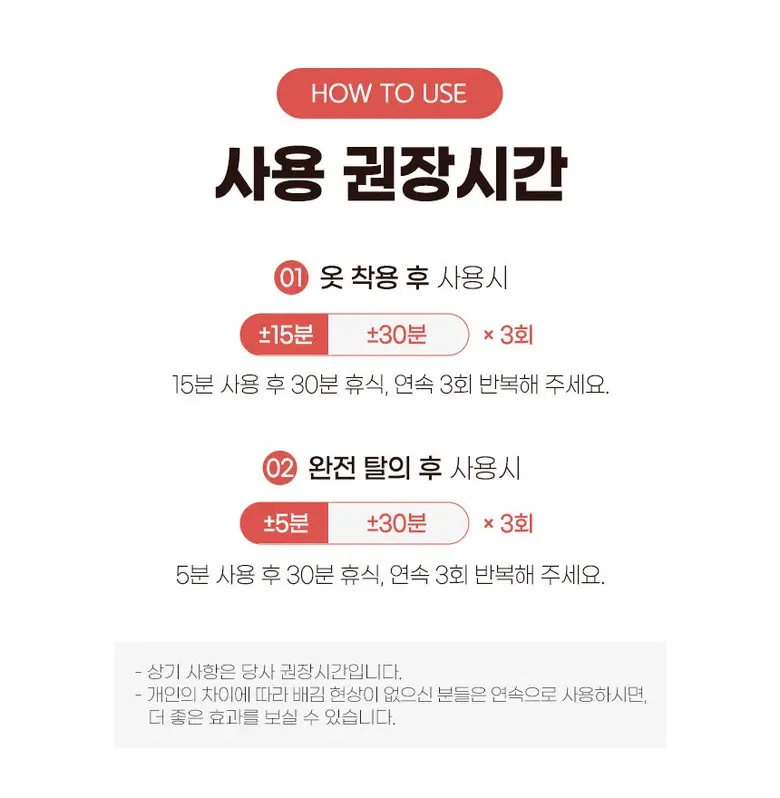
- Start with a short session time if you are sensitive: initial recommendation is to begin with approximately 3 minutes, then gradually increase to about 5 minutes per session as tolerated.
- Use frequency guidance from the manufacturer: typical maintenance use is 1–2 times per week once symptoms improve (follow device-specific guidance).
Key Ingredients
- Photobiomodulation light emitters (multi-wavelength LED array) — red, near‑infrared and far‑infrared bands
- Anion output (anion function shown)
Specifications
| Specification | Detail |
|---|---|
| LED / Emitter count | 60 |
| Wavelengths (shown) | 660 nm; near‑infrared bands 780–860–970 nm; panel also shows 810 nm, 850 nm, 940 nm; far‑infrared range indicated 5.6–1,000 µm |
| Material | PC (polycarbonate) material |
| Seat design | Butterfly-shaped seat with flat linear structure and heat-dissipation channels |
| Power | USB-A connection; 2 m cable |
| Controls | Remote control |
| Certifications / Claims | FDA registered (badge shown) |
Cautions
- Initial sessions may cause temporary increased pain or swelling for some users (noted to possibly occur in the first 1–2 weeks); reduce session length if needed and increase gradually.
- Start with shorter application times (example: begin ~3 minutes, then increase to ~5 minutes) if you experience sensitivity.
- Device uses photobiomodulation light (not the same as surface electric heating); surface warmth is controlled to an optimal level, not high direct heat.
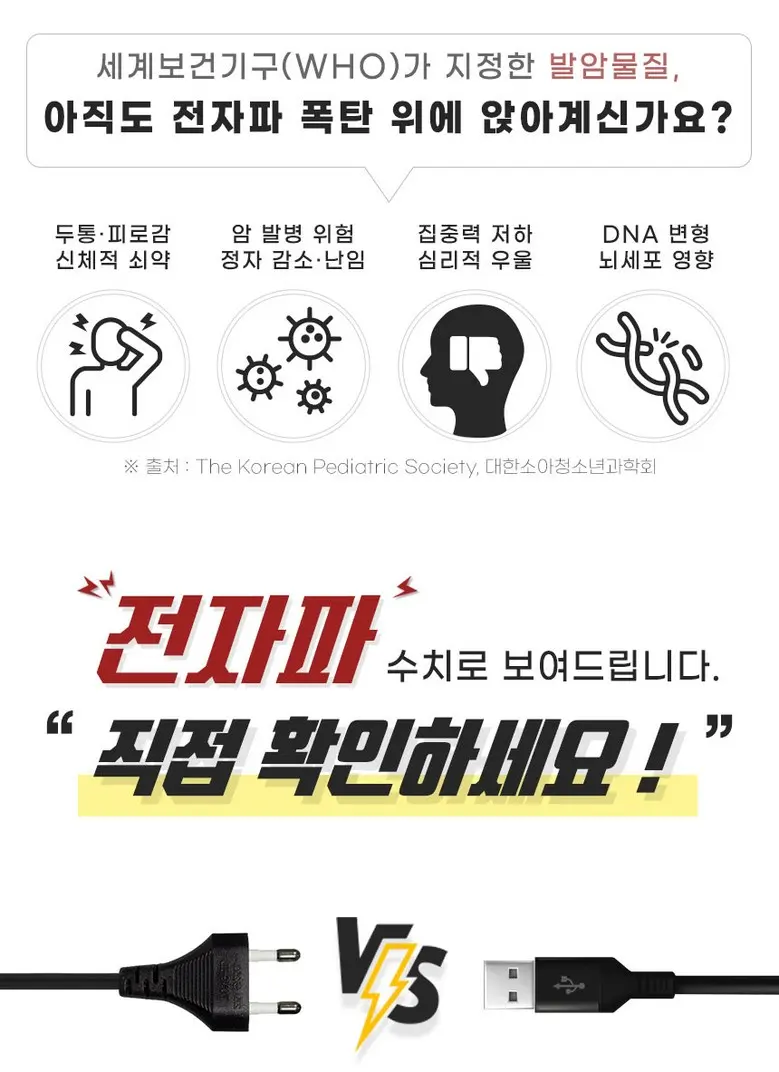
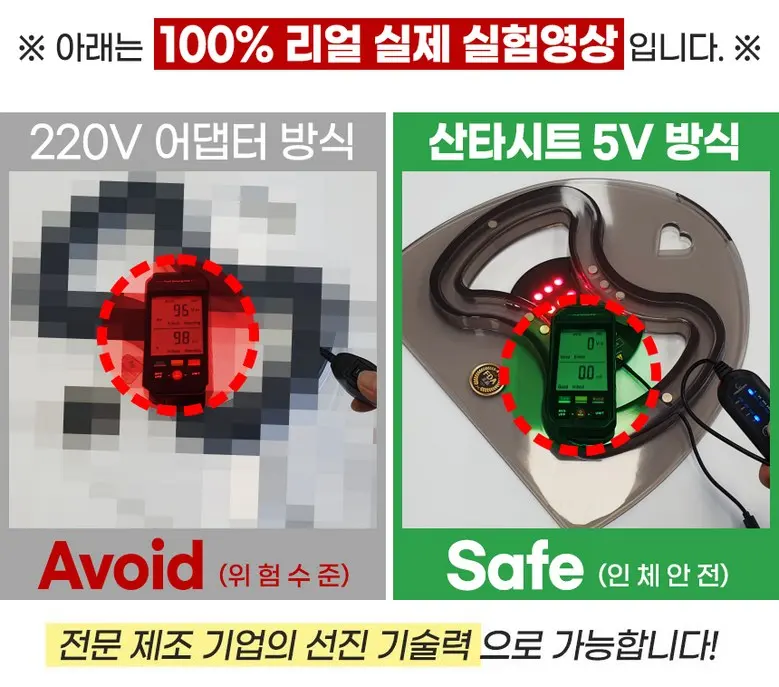
- Use USB power sources as recommended. When using a 220V adapter plugged into mains, small electromagnetic emissions may occur; the manufacturer recommends using a power bank or PC USB port for minimal EMF exposure.
- The product must be used with the power cable connected; it is not intended for wireless charging operation.
- Consult a healthcare professional if you have concerns about use after surgery or during pregnancy; the product imagery/text indicates suitability for postpartum use, but individual medical advice should be followed.
- If pain or swelling worsens persistently, stop use and seek medical guidance; the manufacturer offers customer consultation for usage adjustment.


































































































Reviews
There are no reviews yet.