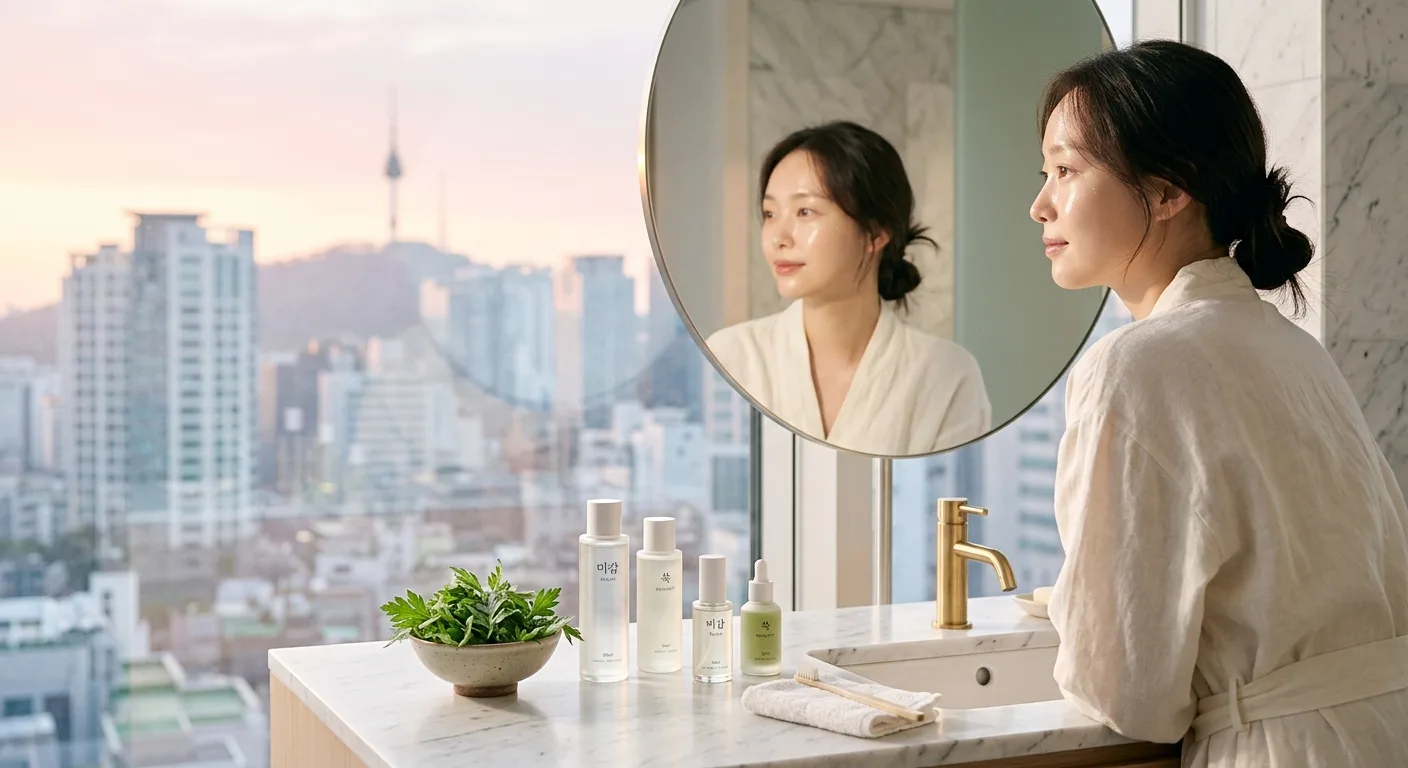
The korean morning skincare routine has undergone a significant transformation leading into 2026. Gone are the days of the rigid 10-step process that many found overwhelming; today, the focus has shifted toward ‘Intentional Maximalism.’ This philosophy prioritizes 3 to 5 multi-active steps that deliver high-performance results by blending biotechnology with traditional Korean herbal medicine. With the global K-beauty market valued at approximately $129.2 billion in 2026, skincare now accounts for over 56% of the total share, reflecting a worldwide demand for routines that actually work [1].
Achieving that coveted ‘Glass Skin’ or the newer ‘Cloud Skin’ texture requires understanding the ‘why’ behind every layer. Morning skincare isn’t just about cleaning your face; it is about preparing a resilient shield against urban pollution, UV rays, and blue light while maintaining the results of professional clinic treatments. Whether you are a seasoned enthusiast or a beginner, mastering the sequence of hydration and protection is the secret to a lasting, healthy glow that persists from dawn until dusk.
The Evolution of the Korean Morning Skincare Routine
In 2026, the K-beauty landscape is defined by efficiency and precision. We have moved away from layering for the sake of layering. Instead, ‘Intentional Maximalism’ means selecting products that serve multiple purposes—such as a toner that also gently exfoliates or a serum that combines hydration with barrier repair. This shift is largely driven by the integration of biotech, where lab-grown ingredients like vegan PDRN (Polydeoxyribonucleotide) and fermented isolates are replacing traditional botanical extracts to reduce environmental footprints while increasing potency [7].
Why Morning Routine Differs from Night
Your morning routine should focus on two pillars: hydration and protection. While nighttime is for ‘correction’ (think heavy retinols or deep exfoliation), the morning is about ‘prevention.’ The skin’s barrier needs to be fortified to handle temperature fluctuations and oxidative stress. Modern formulations now include ‘Skin-Clinic Synergy’ [5], designed to prolong the effects of professional treatments like LDM ultrasound or Skin Botox. If your morning routine is too heavy, you risk congestion; if it is too light, your skin may suffer from transepidermal water loss (TEWL) in air-conditioned or heated environments.
Common mistakes in the morning include using harsh actives that increase photosensitivity without adequate sun protection. For example, applying a high-percentage AHA without SPF is a recipe for hyperpigmentation. A well-constructed morning regimen ensures that every layer enhances the one before it, creating a smooth, ‘cloud-like’ finish that looks refined and healthy without the need for heavy foundation.
Step 1: The Gentle Morning Cleanse
A common debate in the korean morning skincare routine is whether to use a cleanser at all. In 2026, the consensus among Seoul’s top dermatologists is that a full double-cleanse is usually unnecessary in the morning unless you have extremely oily skin or used a heavy occlusive mask the night before [8]. For most skin types, a gentle water-based rinse or a low-pH surfactant-free cleanser is sufficient to remove sweat and any leftover evening products without stripping the natural lipid barrier.
The Technique of ‘Water Washing’
If you have dry or sensitive skin, try ‘water washing’ with lukewarm water (about 30°C). Use splashing motions rather than rubbing, which can cause micro-irritation. For those who prefer a product, look for ‘micellar waters’ or ‘milk cleansers’ that leave a hydrating film behind. Avoid the ‘squeaky clean’ feeling; if your skin feels tight after washing, your cleanser is too alkaline and is damaging your acid mantle.
For men or those with thicker, more sebaceous skin, a dedicated ‘Homme’ cleanser can help manage oil production without causing the rebound oiliness that harsh soaps trigger. Keeping the skin’s pH balanced from the very first step ensures that subsequent treatments, like serums and toners, can penetrate more effectively. A balanced pH (around 5.5) is the foundation of the ‘Cloud Skin’ trend, where the skin looks matte yet hydrated from within.
Step 2: Balancing with Traditional Hanbang 'Sap'
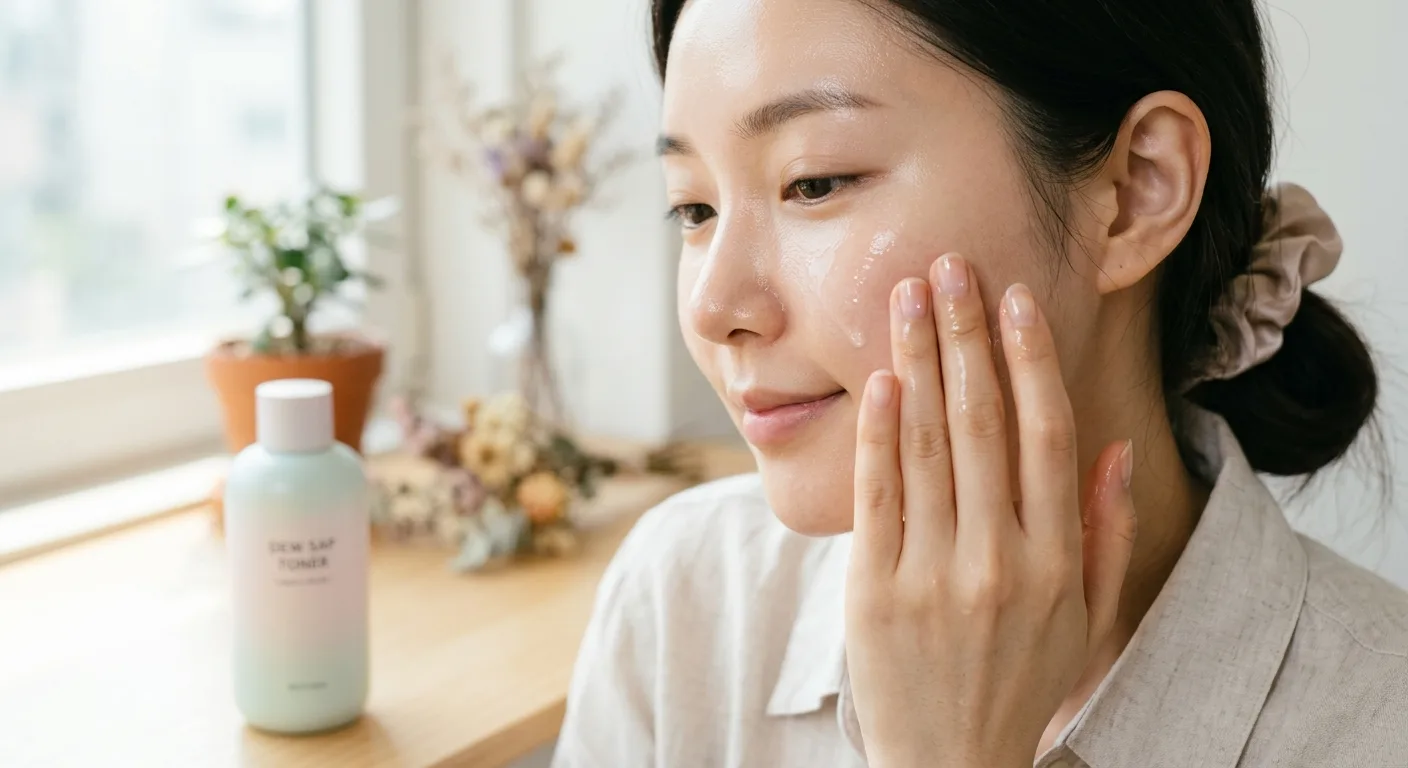
After cleansing, the next step is to prep the skin with a toner or what is traditionally referred to in premium Korean skincare as a ‘Sap.’ Unlike Western toners of the past, which were often astringent and alcohol-heavy, a Korean ‘Sap’ is a nutrient-dense liquid designed to provide the first layer of deep hydration. This step ‘opens’ the water channels in the skin, allowing for better absorption of everything that follows.
The Power of Red Ginseng and Fermentation
Many high-end routines now incorporate Hanbang (traditional herbal medicine) ingredients such as Red Ginseng. Ginseng is prized for its high concentration of ginsenosides, which act as potent antioxidants that stimulate blood flow and help promote collagen synthesis [2]. This is particularly useful in the morning to de-puff the face and bring a natural flush of health to the complexion. Fermentation 3.0 technology, a 2026 staple, breaks these herbal molecules down into smaller sizes for deeper penetration.
One such sophisticated approach to this step involves using a formula that balances the skin’s pH while delivering traditional nourishment. If you are looking for a way to revitalize tired-looking skin right after cleansing, a ginseng-enriched sap is an excellent choice.
When applying your toner or sap, the method matters. You can use a cotton pad to gently swipe away any remaining dead skin cells, or you can use the ‘patting’ method. Pour a small amount into your palms, rub them together to warm the product, and press firmly into the cheeks, forehead, and chin. This pressure helps with lymphatic drainage, a key part of the morning ritual in Korea to achieve a sculpted look.
Step 3: Targeted Treatments with Biotech Serums
The treatment step is where the ‘Intentional Maximalism’ of 2026 truly shines. This is the stage for high-performance actives like PDRN (DNA-derived repair molecules), Heartleaf for soothing, or 10%+ Niacinamide for pore refinement. PDRN, in particular, has become a hero ingredient because it mimics the skin’s natural repair signals, making it ideal for those recovering from professional skin treatments or dealing with environmental damage [6].
Layering Actives Safely
A frequent question is how to layer PDRN with other actives like Vitamin C. The rule of thumb is ‘thinnest to thickest’ consistency. If you use a watery Vitamin C, apply it first on dry skin to maximize its antioxidant potential, then follow with your PDRN serum to support the barrier. However, many modern Korean serums are now ‘multi-taskers,’ combining these ingredients into a single stabilized formula to prevent irritation and save time.
For those who find multi-step routines too cumbersome, especially men who want efficiency without sacrificing quality, an all-in-one approach is highly recommended. These formulations combine the benefits of a toner, serum, and light moisturizer into one step, focusing on intense hydration and sebum control—perfect for a fast-paced morning.
When choosing a serum, look for ‘Centella TECA isolates’ if you have redness, or ‘multi-weight Hyaluronic Acid’ if your skin feels dehydrated by midday. The goal of this step is to treat your specific concern—be it aging, acne, or dullness—before sealing everything in with a moisturizer.
Step 4: Moisturizing for the 'Cloud Skin' Finish
The moisturizing step in a korean morning skincare routine acts as the sealant. In 2026, the trend has moved toward ‘Cloud Skin’—a finish that is neither overly shiny nor flatly matte, but rather soft, blurred, and radiant. This is achieved by using moisturizers that contain barrier-boosting ceramides and biotech-derived humectants like Silver Ear Mushroom extract, which can hold significantly more water than standard hyaluronic acid [5].
Choosing the Right Texture
Your choice of moisturizer should depend on the season and your skin type. In the humid summer months, a ‘Sun Serum’ or a lightweight gel-cream is often enough. In winter, or if you work in a dry office environment, a richer cream that utilizes fermentation to enhance absorption is vital. Fermented ingredients are more biocompatible, meaning they mimic the skin’s natural chemistry and are less likely to sit on top of the skin or cause pilling under makeup.
For those seeking a luxurious, traditional experience that focuses on long-term brightening and barrier health, a cream that incorporates long-duration processing or fermentation can provide a unique velvety texture that melts into the skin. This type of formulation is ideal for creating a smooth canvas for the day ahead.
Wait about 60 seconds after applying your moisturizer before moving to sun protection. This ‘set time’ prevents the products from mixing on the surface, which can sometimes degrade the efficacy of your sunscreen filters. If your skin feels greasy, you’ve used too much; if it feels tight within ten minutes, you likely need a more emollient formula or an extra layer of hydrating toner.
Step 5: The Non-Negotiable Sun Protection
Sunscreen is the most important step of any Korean routine. By 2026, SPF technology has advanced to ‘Air Cloud’ textures—sunscreens so light they feel like nothing on the skin. The focus is no longer just on blocking UV rays, but also on protecting against ‘HEV’ (High Energy Visible) light from screens and urban pollutants. Modern Korean sunscreens often include soothing agents like Mugwort or Birch Juice to keep the skin cool, as heat-induced inflammation is a known cause of premature aging [4].
Tone-Up Creams and Base-Skips
A major trend in 2026 is the ‘Base-Skip’ movement. Many people are moving away from traditional foundation in favor of ‘Tone-Up’ creams. These products combine high SPF protection with color-correcting pigments (like beige or peach) and light-diffusing particles to blur imperfections and even out skin tone. This allows you to skip several steps of makeup while still achieving a polished, ‘porcelain’ look.
If you prefer a natural, dewy complexion without the weight of foundation, a tone-up base is your best friend. It provides the final layer of your skincare while acting as the first layer of your ‘no-makeup’ makeup look.
Remember that for adequate protection, you need to apply approximately two finger-lengths of product for the face and neck. If you are using a tone-up cream, you can layer it: apply a clear sunscreen first for the base protection, then use the tone-up cream on the high points of the face (cheeks, forehead, nose) for a highlighting effect. Reapplication is also key; by 2026, ‘Sun Mists’ and ‘SPF Sticks’ have become the standard for touch-ups over makeup throughout the day [3].
Expert Tips for Maximizing Your Morning Routine
To get the most out of your korean morning skincare routine, consider the environmental factors of your daily life. If you spend most of your day in an air-conditioned office, your skin will lose moisture much faster than you think. Keep a ‘Cooling Mist’ at your desk to reset your hydration levels without disturbing your SPF layer. In 2026, mists have evolved from simple water to complex formulas containing barrier-repair peptides [1].
The Role of Temperature
Temperature plays a huge role in skin health. In the morning, if your face feels puffy or ‘hot,’ it indicates inflammation. Using products stored in a skincare fridge or using a cold jade roller can constrict blood vessels and reduce redness instantly. Conversely, if your skin feels ‘frozen’ or dull in winter, warming your products between your hands before application can improve microcirculation and product efficacy.
Finally, consistency is more important than intensity. It is better to have a solid 3-step routine that you perform every single day than a 10-step routine you only do once a week. Monitor your skin’s ‘bounce’—if you press your thumb into your cheek and the skin doesn’t immediately spring back, you likely need more hydration (humectants) and fewer oils. If the skin feels rough or looks flaky, you may need to incorporate a gentle PHA (Polyhydroxy Acid) toner once or twice a week in your morning routine to refine texture without the irritation of stronger acids [7].
Frequently Asked Questions
Do I really need to use a cleanser in the morning?
For most skin types, a gentle water-based rinse or a low-pH cleanser is sufficient. If you have very oily skin or used a thick overnight mask, a mild cleanser helps remove excess sebum and debris. However, if your skin is dry or sensitive, plain lukewarm water is often recommended to preserve the natural skin barrier.
Can I layer Vitamin C with PDRN serums?
Yes, you can layer them, and they often work synergistically. Apply your Vitamin C first on clean, dry skin to ensure maximum absorption of the antioxidants. Wait a minute for it to settle, then follow with your PDRN serum to help repair and soothe the skin, providing a robust defense against environmental stress.
What is the 'Cloud Skin' trend compared to 'Glass Skin'?
'Glass Skin' focuses on a high-shine, almost wet look achieved through heavy hydration. 'Cloud Skin,' the 2026 evolution, focuses on a soft-focus, blurred texture that looks radiant but not oily. It relies on barrier-boosting creams and 'tone-up' products to create a refined, velvety finish that mimics the appearance of a soft cloud.
How much sunscreen should I actually use?
The standard recommendation is the 'two-finger rule'—applying two full strips of sunscreen on your index and middle fingers to cover the face and neck. This ensures you achieve the SPF rating listed on the bottle. In the Korean routine, this is often the most critical step for preventing premature aging and hyperpigmentation.