
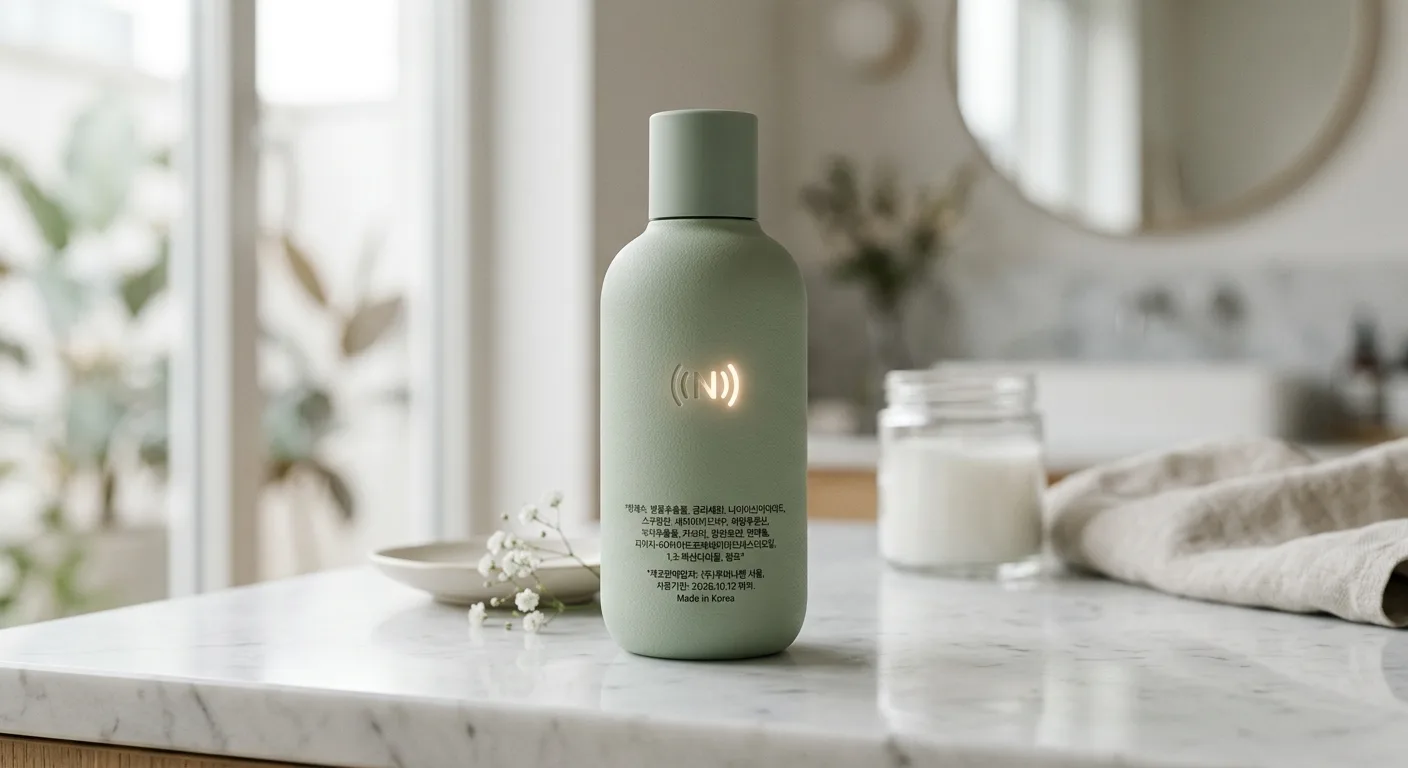
The packpanel has emerged as the most significant breakthrough in Korean beauty and lifestyle design for 2026. No longer just a back-of-the-bottle label, the modern packpanel represents a seamless fusion of high-tech functionality and bio-based aesthetics that caters to the sophisticated global consumer.
As we move deeper into the year, the focus has shifted from what is inside the bottle to how the exterior panel enhances the user experience. From smart sensors to skin-mimicking textures, this guide explores why the packpanel is the new gold standard for luxury and efficiency in the Seoul-led beauty market.
What Exactly is a Packpanel in 2026?
In the current K-beauty landscape, a packpanel refers to the structural rear surface of a product—whether it is a skincare device, a high-end cosmetic bottle, or a lifestyle accessory—that has been engineered with specific functional and tactile properties. Unlike traditional packaging, which serves as a mere vessel, the packpanel is an active participant in the product’s performance. In 2026, we see a heavy emphasis on bio-based organic silicone materials that mimic the natural feel of skin, providing a ‘soft-touch’ experience that signifies premium quality.
The Anatomy of a Smart Panel
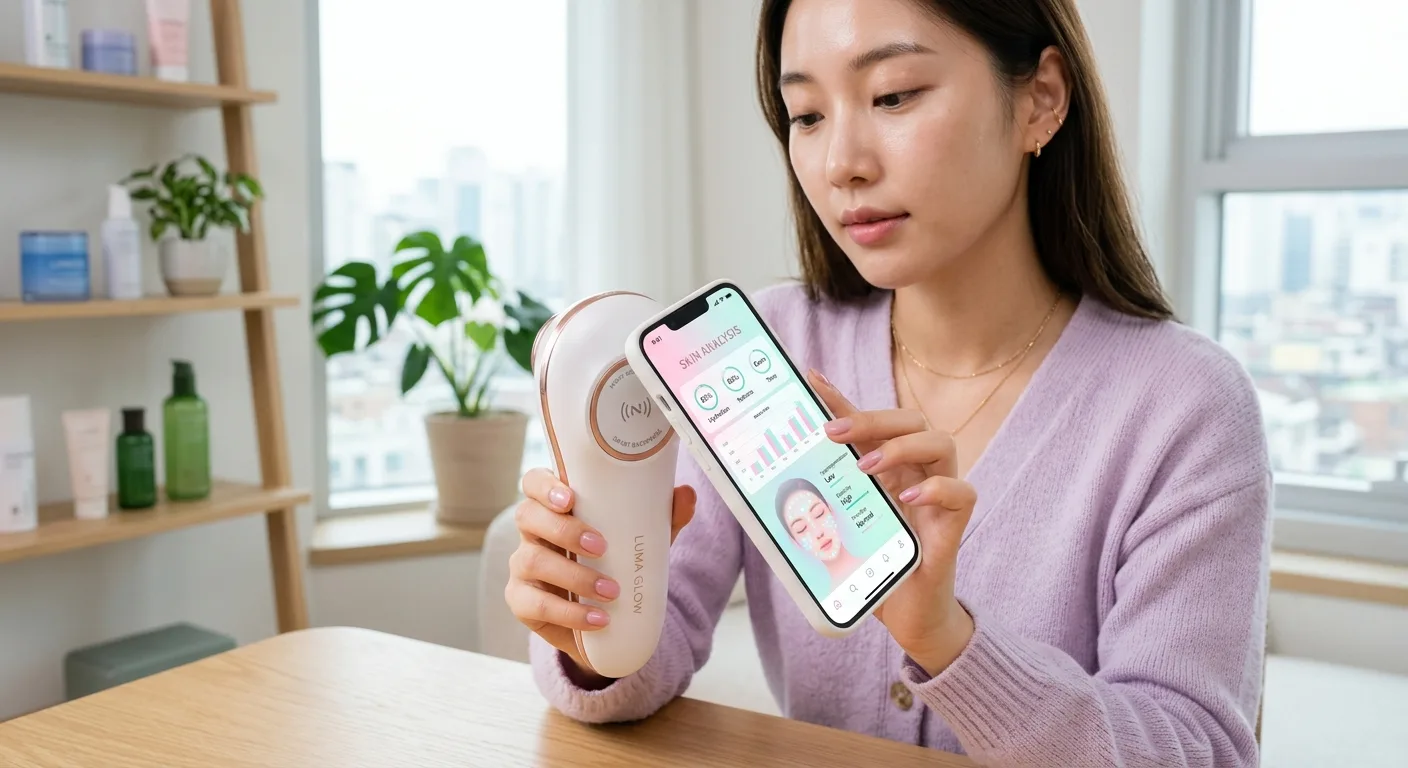
The innovation doesn’t stop at the surface. Modern packpanels are now frequently equipped with NFC (Near Field Communication) and RFID chips. This allows customers to tap their smartphones against the back of the product to instantly unlock personalized skincare routines, check the authenticity of the item, and view the precise ‘birth certificate’ of the ingredients. This level of transparency is exactly what the global EmpressKorea audience demands in an era of conscious consumption.
Beyond digital integration, the packpanel is also a marvel of materials science. We are seeing a shift toward mono-material designs. By using a single type of recyclable plastic or treated aluminum for the entire panel, brands are ensuring that their products meet the strict 2026 global circularity regulations without compromising on the sleek, futuristic aesthetic that Seoul is known for.
Tactile Innovation and the Cloudglow Aesthetic
One of the most exciting shifts in Korean beauty this year is the transition from ‘Glass Skin’ to ‘Cloudglow.’ While Glass Skin was all about high-shine and a wet look, Cloudglow focuses on a soft-focus, blurred, and velvety finish. This aesthetic has directly influenced packpanel design. Instead of cold, slick plastics, manufacturers are opting for matte, textured surfaces that provide a superior grip and a comforting handfeel.
The tactile nature of the packpanel serves a dual purpose. Firstly, it enhances the ergonomic stability of the product, making it less likely to slip from wet hands during a bathroom routine. Secondly, it creates a psychological connection with the user. In a fast-paced digital world, the ‘skin-friendly’ texture of a bio-silicone panel provides a moment of grounding and sensory satisfaction.
Ergonomics in Daily Use
- Non-slip Texture: Micro-etched patterns on the panel prevent accidental drops.
- Temperature Neutrality: Unlike metal, bio-based panels don’t feel jarringly cold in winter or hot in summer.
- Soft-Touch Finish: Reduces the visibility of fingerprints, keeping the product looking pristine on your vanity.
For those who appreciate the intersection of tactile art and daily life, traditional Korean craftsmanship offers a similar level of sensory luxury. Even in heritage products, the way a material feels in the hand is paramount. For example, the weight and texture of fine brassware can elevate a simple ritual into a meditative experience.
Just as the modern packpanel uses innovative materials for a better grip, traditional Yugi brassware uses specific alloy ratios to create a balanced, substantial feel that has been perfected over centuries. Both represent a commitment to the user’s tactile journey.
Smart Integration and Precision Ingredient Delivery
The most advanced application of the packpanel is found in high-end beauty devices and ‘smart bottles.’ In these products, the panel is often the housing for Pulsed Electromagnetic Fields (PEMF) or LED sensors. When you hold the device, the panel interacts with your skin’s natural conductivity to optimize the transdermal delivery of active ingredients like PDRN (Salmon DNA) or Exosomes.
How Smart Panels Enhance Absorption
Traditional application of serums often results in a significant amount of product evaporating or sitting on the surface. A device with an integrated packpanel sensor can detect skin moisture levels and adjust its vibration or light frequency to ‘push’ the nutrients deeper into the dermis. This ensures that expensive, high-performance ingredients are actually working where they are needed most.
Furthermore, the NFC feature embedded in the packpanel helps users track their progress. By scanning the bottle every morning, an app can record the date, the amount used, and even remind the user of the next step in their routine. This ‘Intentional Maximalism’ trend allows one smart device to replace five different steps, making your beauty cabinet more organized and efficient.
For those who prefer a more manual approach to skin refining, traditional cleansing remains a cornerstone of the K-beauty routine. While high-tech panels assist with absorption, the preparation of the skin starts with the right cleanse.
The Jeongango Essence Soap Pack works beautifully as a precursor to smart-panel treatments. Its ability to gently lift sebum and dead skin cells creates the perfect canvas for the technology-driven absorption that modern packpanels facilitate.
Sustainability and the Mono-Material Movement
With the global cosmetic packaging market projected to reach $91.1 billion by 2030, the pressure is on Korean brands to lead the way in eco-friendly design. The packpanel has become the focus of this environmental shift. In the past, packaging involved multiple layers of different plastics, glues, and metals, making them nearly impossible to recycle. Today, the move toward mono-material construction is changing everything.
A mono-material packpanel is made entirely from one substance—often a high-grade, infinitely recyclable aluminum or a specific bio-polymer. This means that when the product is finished, the entire component can be tossed into a single recycling bin without the need for complex disassembly. This ‘circular’ approach is a major selling point for the 2026 consumer who wants luxury without the environmental guilt.
Summer 2026: UV Protection and Material Sensitivity
During the warmer months of June and July, the packpanel plays another vital role: protection. Many of the most popular K-beauty ingredients, such as PDRN and certain vitamins, are light-sensitive. Brands are now utilizing UV-protective packpanels made from amber or flint glass, or specialized opaque bio-plastics, to ensure the potency of the formula remains stable even when exposed to sunlight. This is particularly important for those who travel or keep their skincare in sunny bathrooms.
Maintaining the integrity of a product is much like maintaining the finish of traditional tools. For example, traditional Korean spoons and chopsticks require specific care to keep their luster, much like how specialized packaging protects the liquid ‘gold’ inside your serums.
Whether it is a royal palace-style cutlery set or a high-tech skincare bottle, the longevity of the item depends on the quality of its materials and how well those materials are protected from the elements. The transition toward durable, single-material panels ensures that both the product and the planet are treated with respect.
The Aesthetic of Precision: Makeup and Packaging
The influence of the packpanel trend extends into color cosmetics. We see a move toward ‘sleek-tech’ eyeliners and lip tints where the packaging is as precise as the application. Ergonomics is the keyword here. A packpanel on a makeup tool isn’t just a flat surface; it’s a strategically placed ‘grip zone’ that allows for the steady hand required for intricate looks like the ‘Cloudglow’ blurred lip or the soft-focus winged liner.
Smudging and Blending Techniques
In 2026, the trend has moved away from harsh, sharp lines toward ‘smudged’ perfection. This requires tools that feel like an extension of the hand. When a product has a well-designed, tactile panel, the user has better control over the pressure and angle of application. This is essential for creating the sophisticated, deep tones that are currently popular in Seoul’s fashion districts.
Consider the control needed for a perfect eye look. The transition from a sharp line to a soft shadow requires a tool that doesn’t slip and offers a balanced weight distribution.
The Too Cool For School Artclass Smudging Edge Liner exemplifies this focus on design. While it may not have a digital packpanel, its dual-ended structure and ergonomic grip reflect the same philosophy: providing the user with the maximum amount of control through thoughtful structural design.
Similarly, the way we apply lip products has changed. The ‘water droplet’ finish—highly transparent and vibrant—requires a container that is easy to open and apply on the go. Packaging that prioritizes the user’s ease of use is a direct result of the packpanel-driven focus on functionality.
The AlternativeStereo Lip Potion Aqua Glow uses a lightweight, moisture-based formula that pairs perfectly with the ‘low-maintenance luxury’ vibe that current packaging trends aim to support.
Total Care: Extending the Trend to Body and Foot Care
The philosophy of the packpanel—that every part of a product should serve a purpose—is also seen in the latest body care innovations. We are seeing packaging for masks and peels that are specifically designed to be ‘leak-proof’ and ‘active-fit,’ utilizing materials like breathable urethane. In these cases, the entire surface of the mask acts as a panel that facilitates the penetration of AHA and other exfoliants.
The Rise of At-Home Spa Solutions
As the ‘Intentional Maximalism’ trend suggests, consumers are looking for professional results at home. This means products must be foolproof. Packaging that is color-coded, easy to tear, and ergonomically shaped for the feet or hands is part of the broader packpanel movement toward user-centric design.
For instance, someone who spends all day on their feet needs a solution that is both effective and comfortable to wear during the treatment. A well-designed foot mask uses structural panels of fabric to keep the formula in direct contact with calloused areas while allowing the skin to breathe.
The Village 11 Factory Relax-day Foot Peeling Mask utilizes this structural approach, ensuring that the peeling agents are delivered precisely where needed. It is a perfect example of how the concepts behind the packpanel—precision, material science, and user comfort—can be applied even to disposable treatments.
By choosing products that focus on these design elements, you are not just buying skincare; you are investing in a more efficient, enjoyable, and sustainable routine. As we look toward the future of K-beauty, the packpanel will continue to evolve, bridging the gap between our digital lives and our physical well-being.
Frequently Asked Questions
What is the primary benefit of a bio-based packpanel?
Bio-based packpanels are primarily designed for their 'skin-friendly' tactile experience and sustainability. These materials often use organic silicone or plant-derived polymers that feel soft and warm to the touch, unlike traditional cold plastics. Additionally, they are frequently biodegradable or easier to recycle, making them a top choice for eco-conscious K-beauty fans in 2026.
How does the NFC feature on a packpanel work?
Most modern packpanels house an embedded NFC chip that can be read by any smartphone with NFC capabilities. By simply tapping your phone against the back of the product, you can access a secure digital portal. This portal typically contains a certificate of authenticity, a detailed list of ingredient sources, and customized video tutorials on how to best use the product for your specific skin type.
Are mono-material packpanels actually better for the environment?
Yes, mono-material packpanels are significantly better for the environment because they simplify the recycling process. Traditional packaging often combines different types of plastics and metals that are difficult to separate, leading to most of it ending up in landfills. A mono-material panel can be recycled as a single unit, supporting a circular economy and reducing the overall carbon footprint of your beauty routine.
Do textured packpanels help with product durability?
Textured packpanels significantly improve the durability and longevity of a product by providing a superior grip. This reduces the likelihood of accidental drops, which is especially important for glass bottles or expensive electronic beauty devices. Furthermore, these textures are often designed to be scratch-resistant and to hide fingerprints, keeping the packaging looking new for longer.
Why is UV protection mentioned in relation to packpanels?
UV protection is a critical functional aspect of packpanel design for products containing sensitive ingredients like PDRN, Vitamin C, or Retinol. In 2026, many brands use 'light-shield' technology within the rear panel to block harmful rays. This ensures that the active ingredients remain potent and effective from the first pump to the last, even during the peak sun of the summer months.